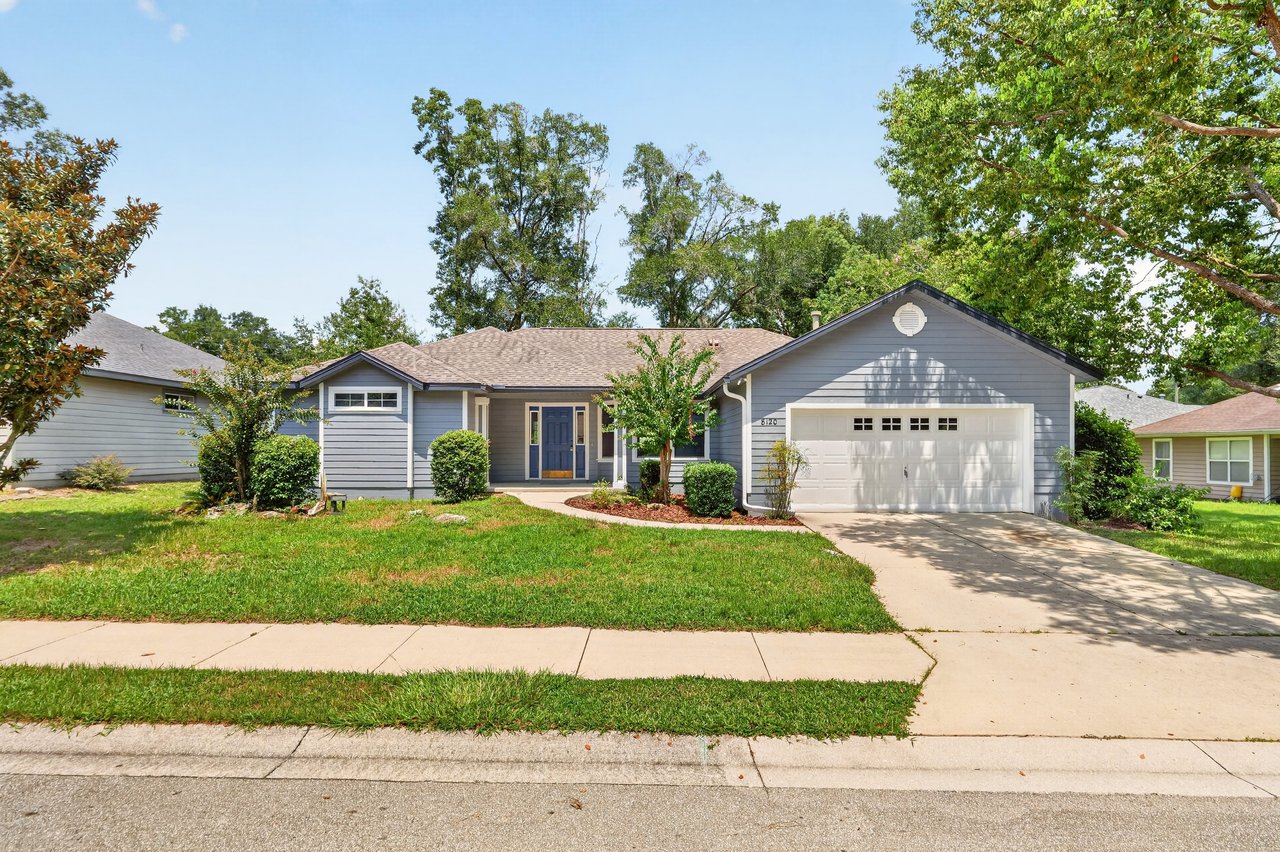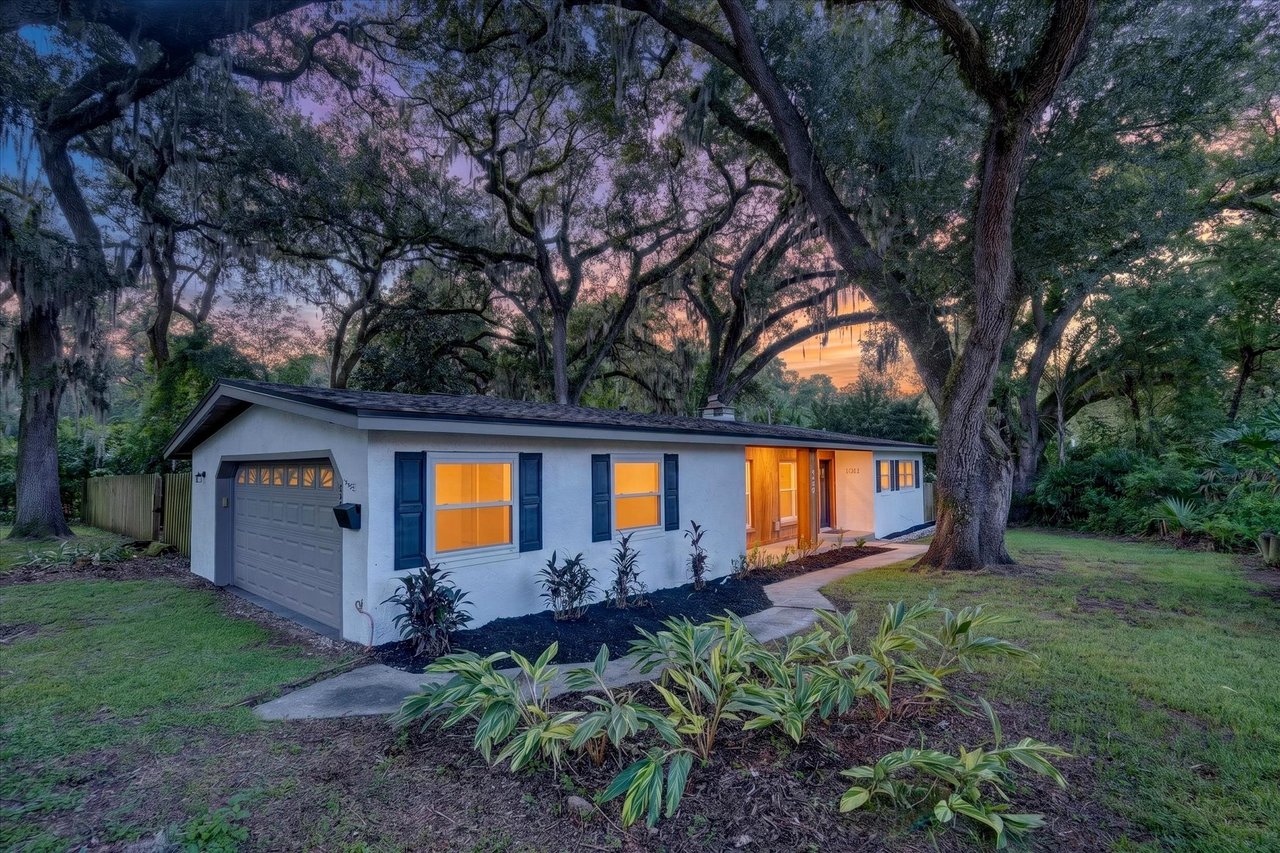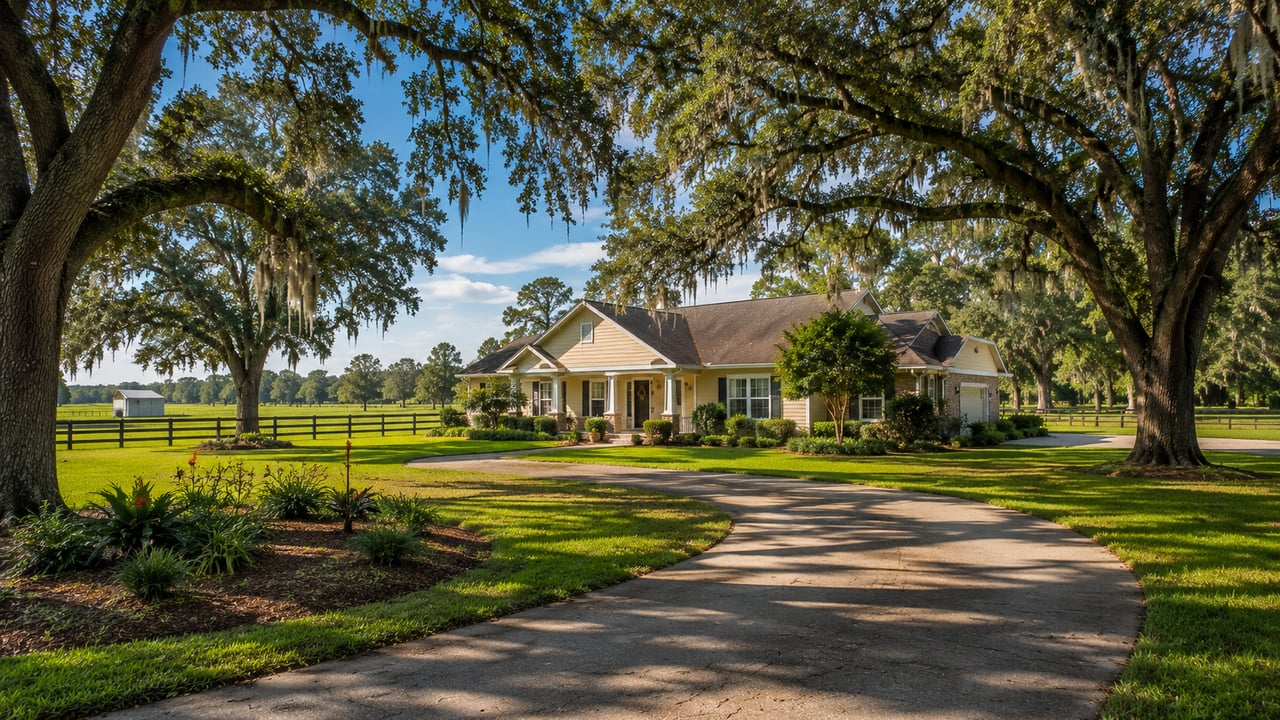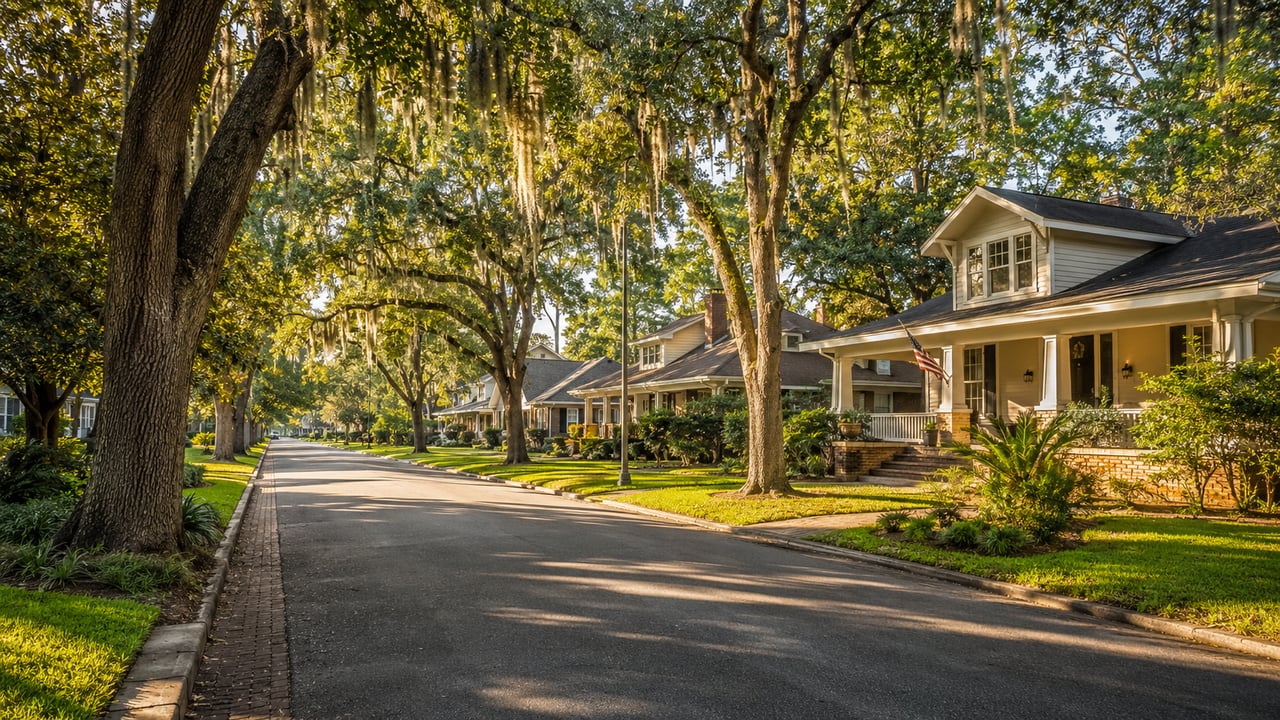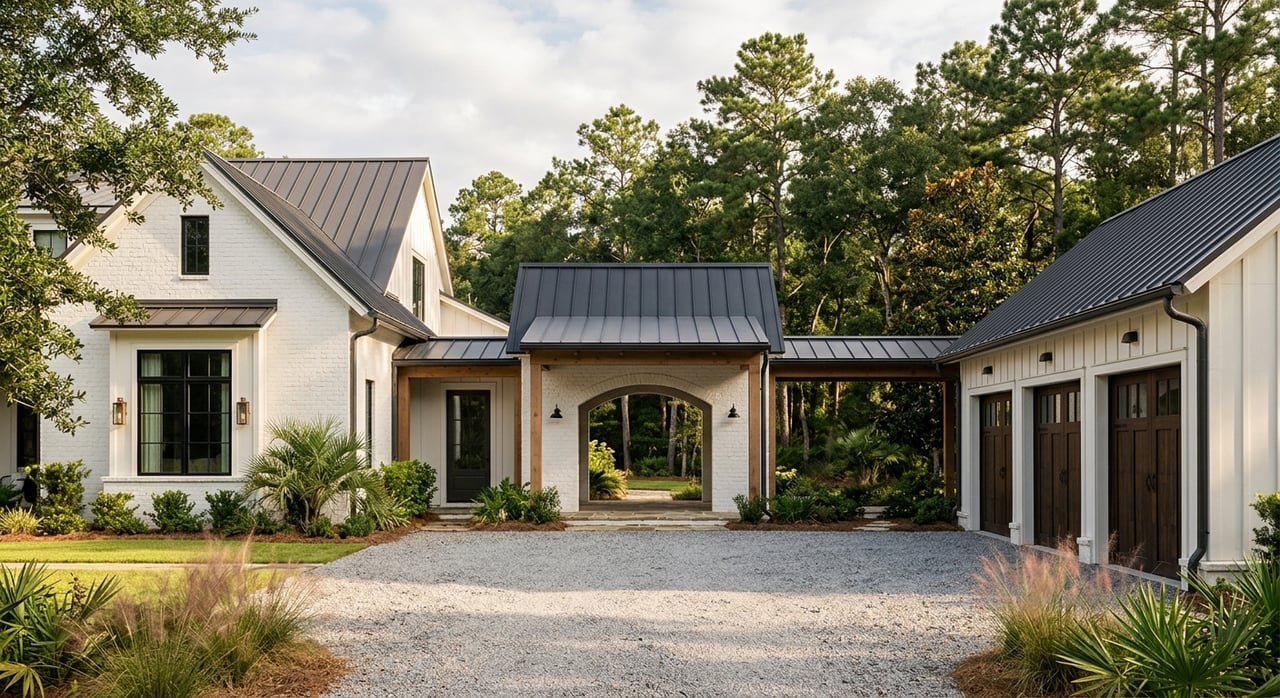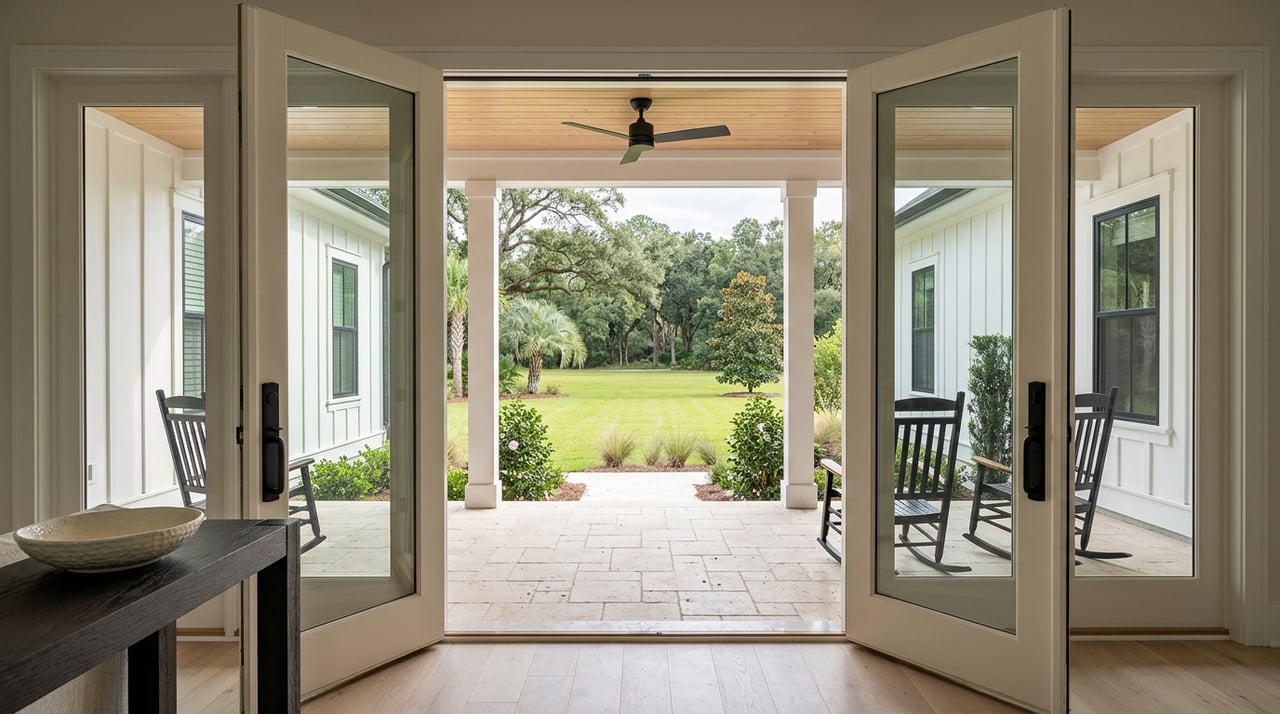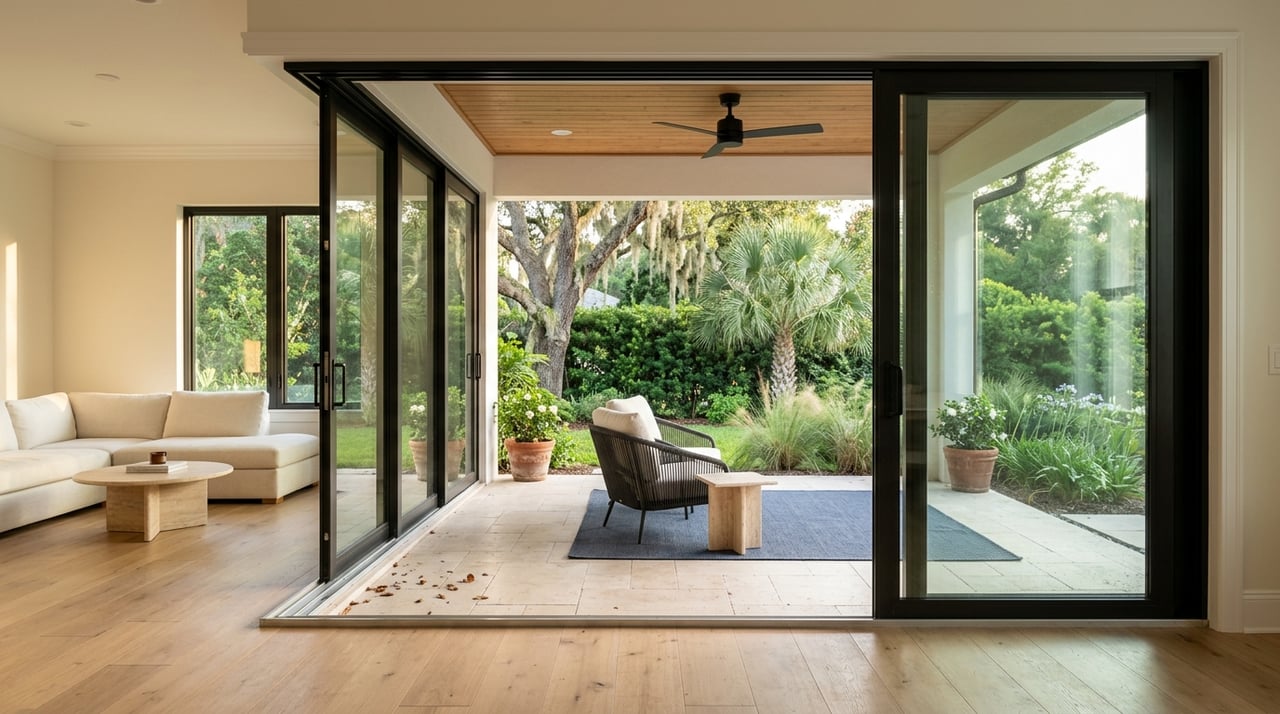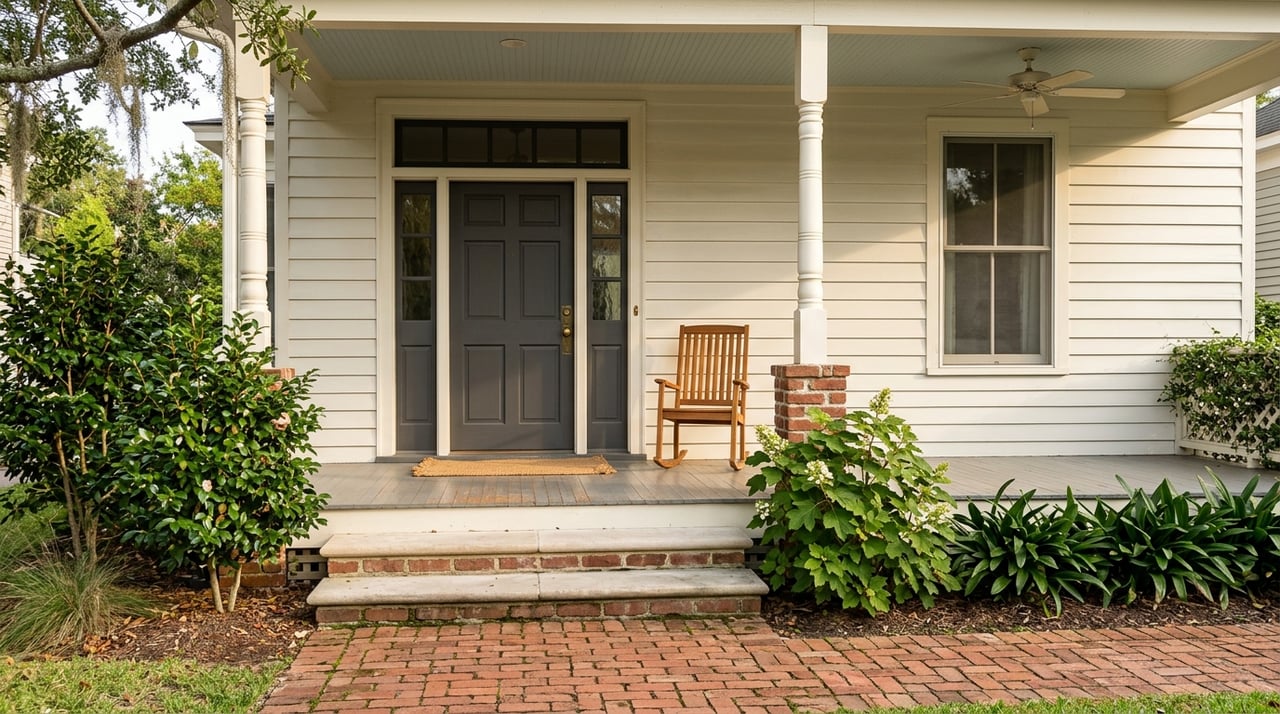
Looking for a luxury home with land in Gainesville means you are buying more than square footage. You are also buying privacy, flexibility, and a piece of North Central Florida lifestyle that can look very different from one parcel to the next. If you want to make a smart move, you need to understand how land use, utilities, access, and local rules can shape both value and daily life. Let’s dive in.
Why Gainesville acreage stands apart
Gainesville’s overall housing market has been relatively balanced, with a median listing price of $299,000, about 1,200 active listings, and a median 52 days on market in March 2026. That broader market gives useful context, but luxury homes with land sit in a much smaller and more specialized category.
In this segment, the land can matter as much as the home itself. Two properties with similar living space may have very different value based on road access, utility setup, zoning, and how much of the acreage is actually usable.
Where luxury homes with land are found
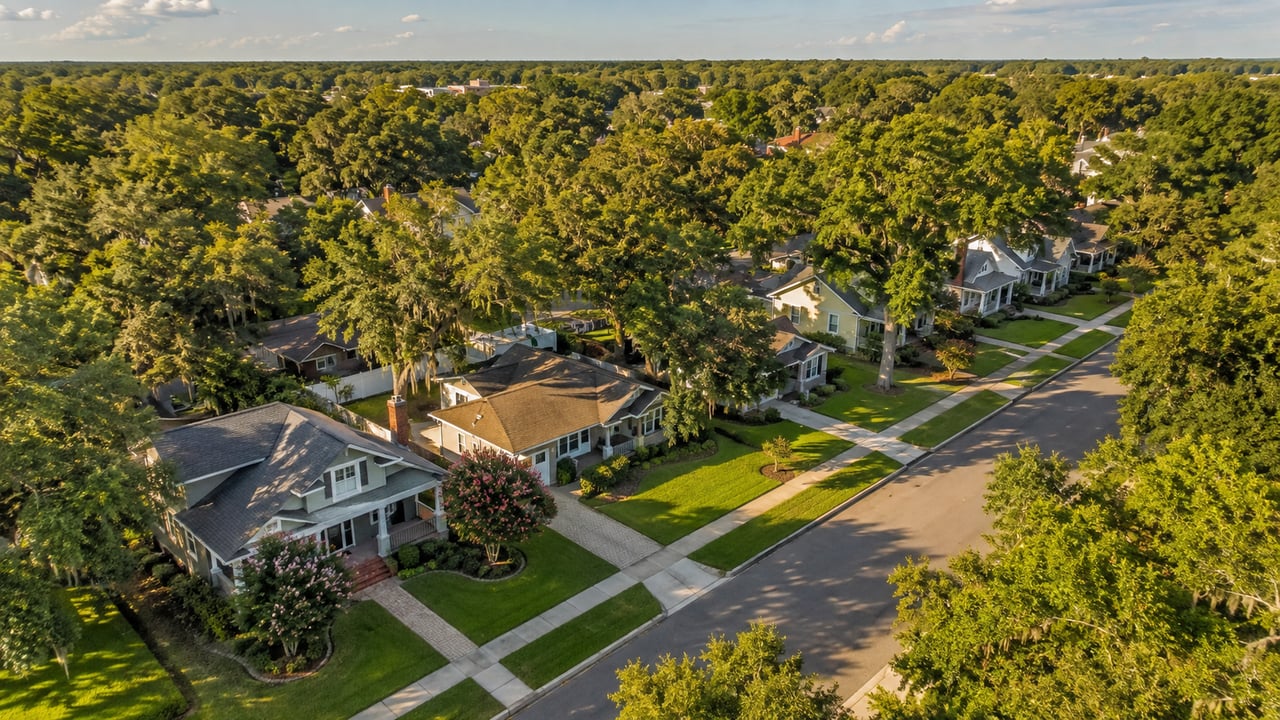
In and around Gainesville, luxury acreage properties often fall into a few clear groups. You may find estate-sized lots near the urban edge, larger rural homesites, or tracts with agricultural potential.
According to Alachua County’s Future Land Use guidance, the county directs new urban development toward the urban cluster and requires new residential development there to connect to centralized water and sewer. The same framework also includes Estate Residential areas at a maximum density of one dwelling unit per two acres, which helps explain why some larger-lot luxury opportunities appear near town rather than far out in the countryside.
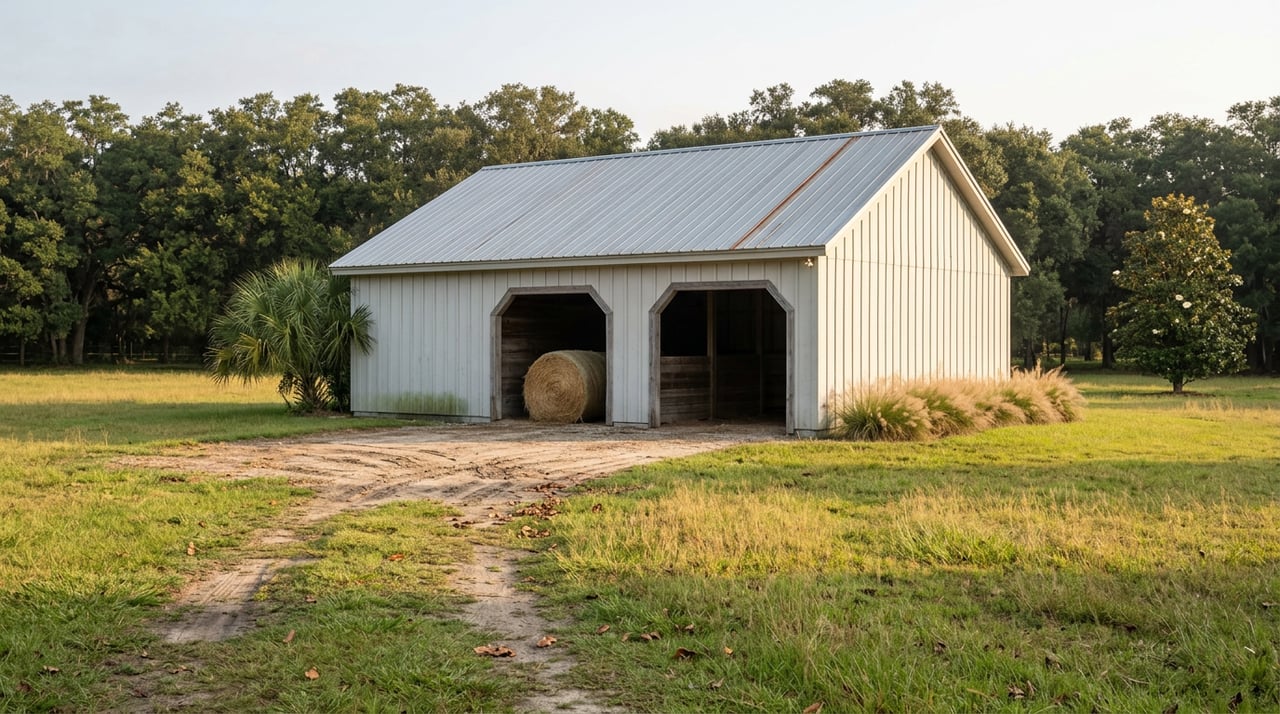
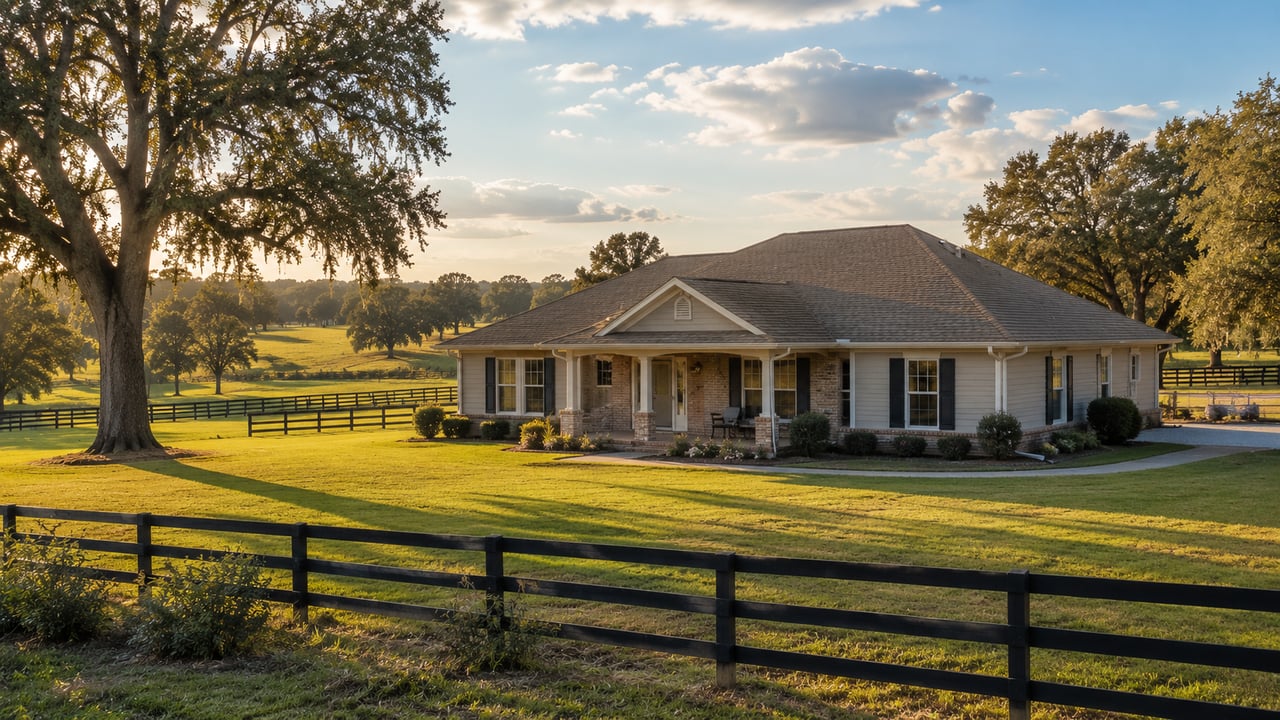
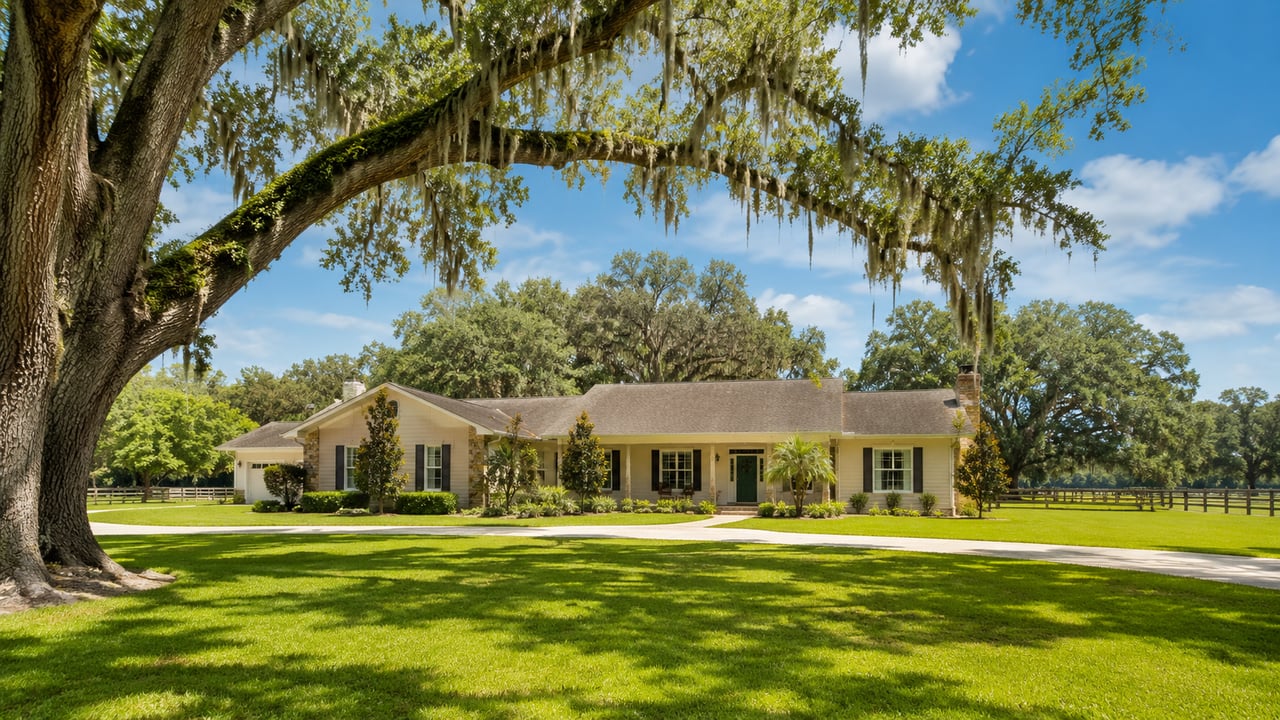
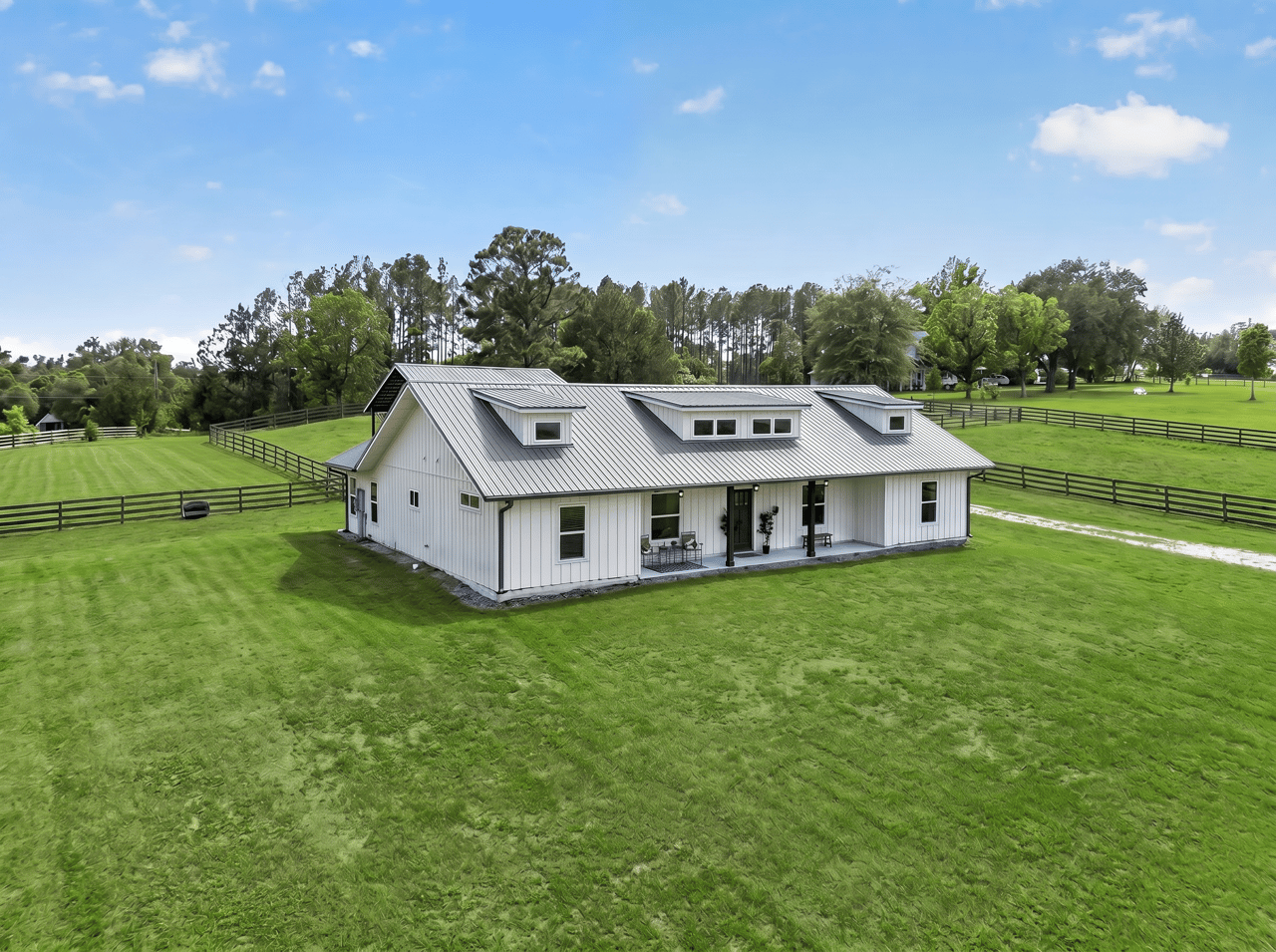
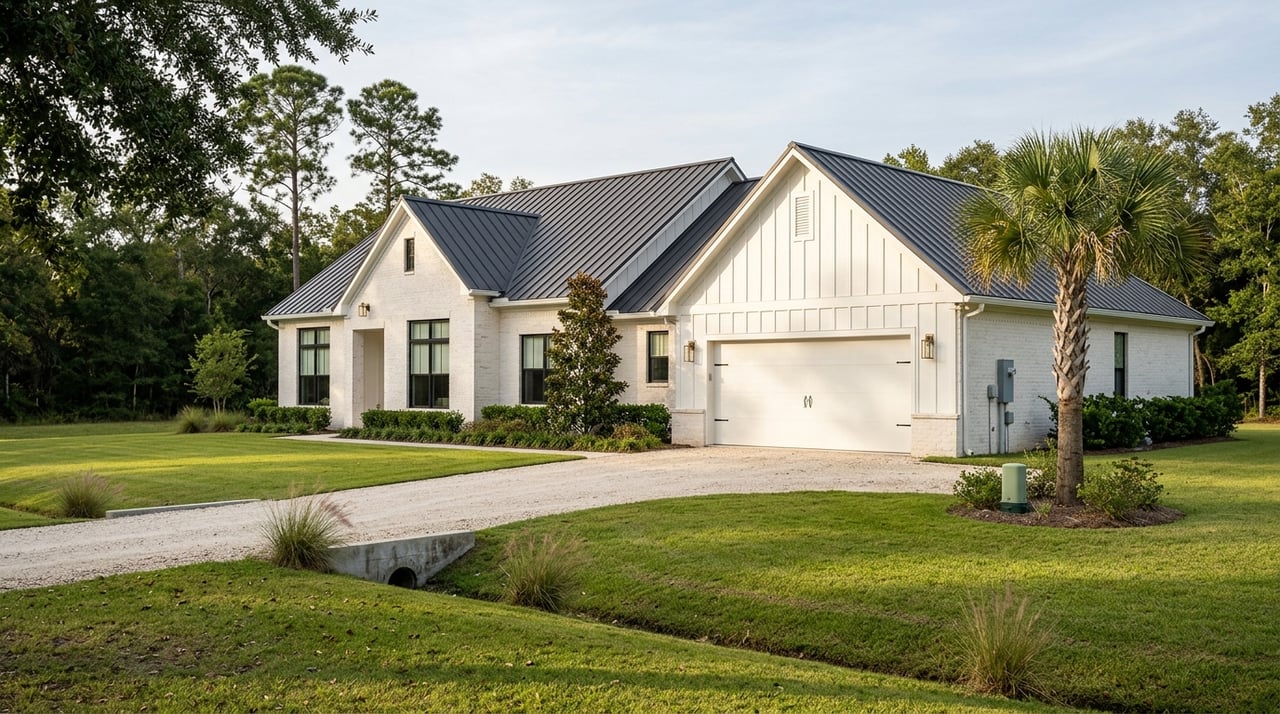
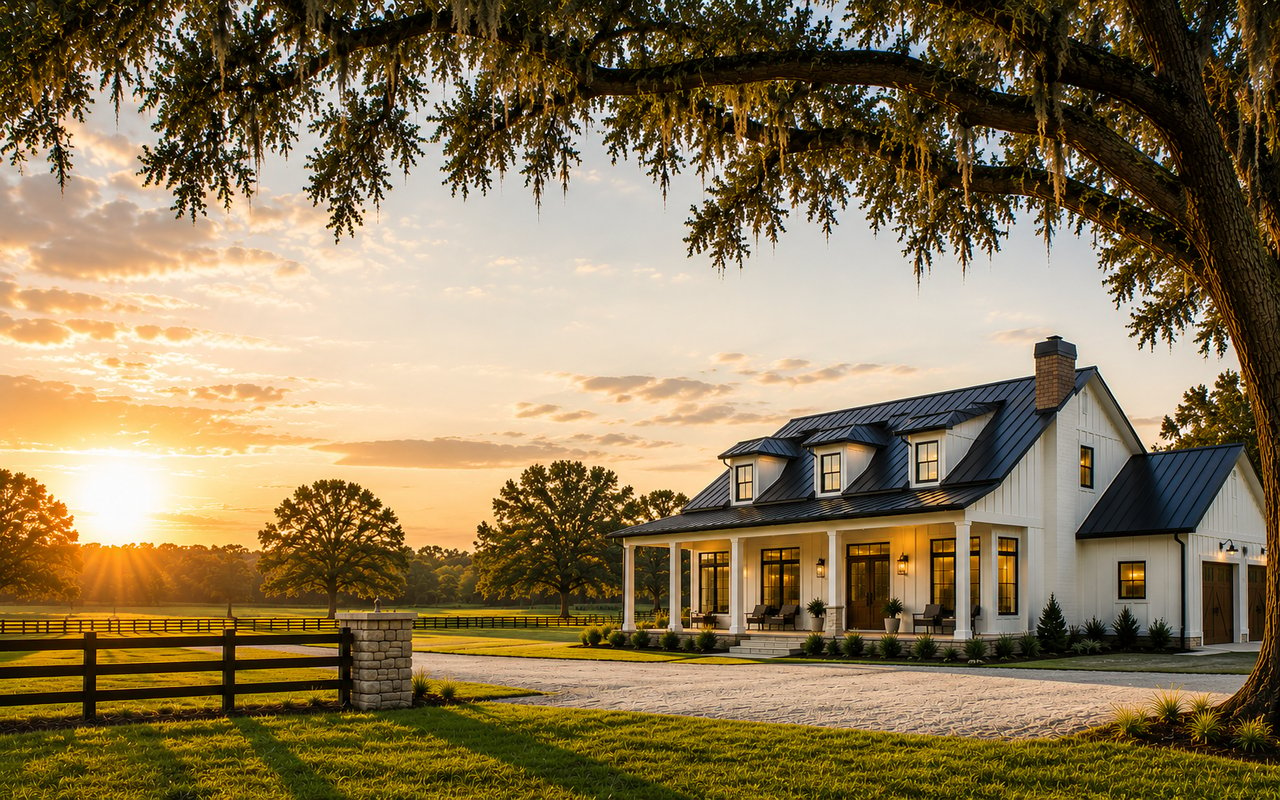
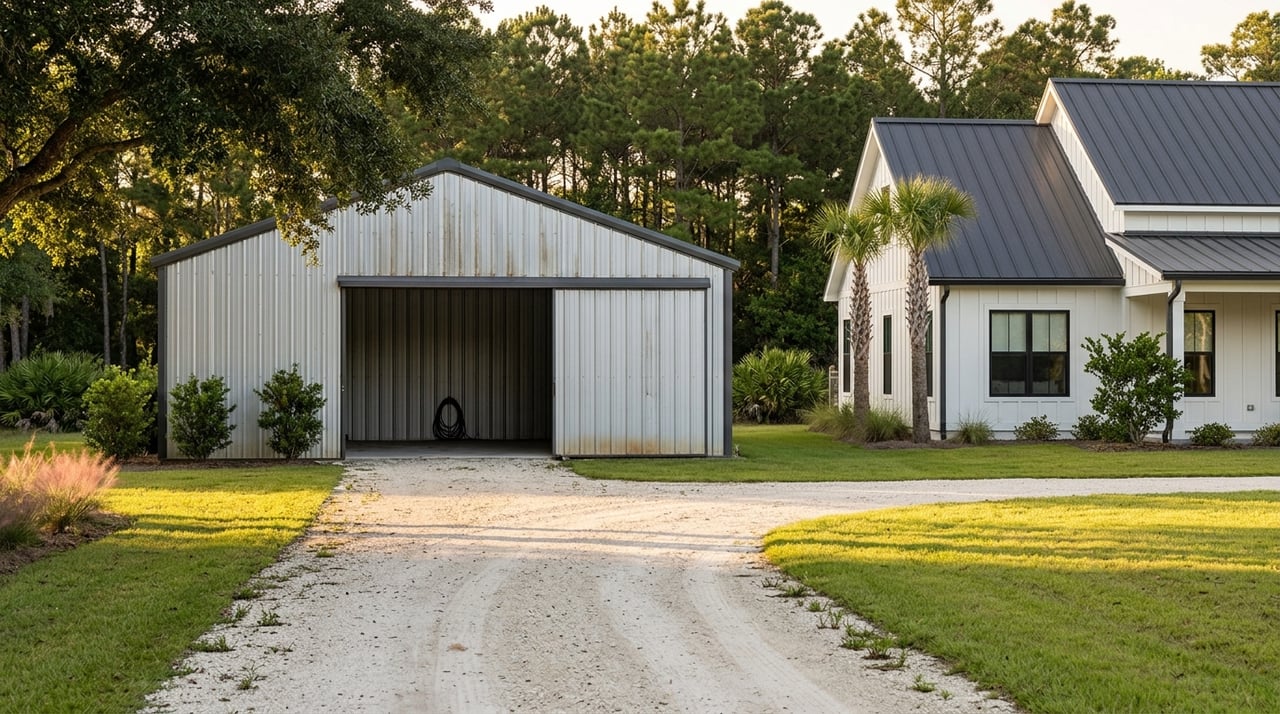
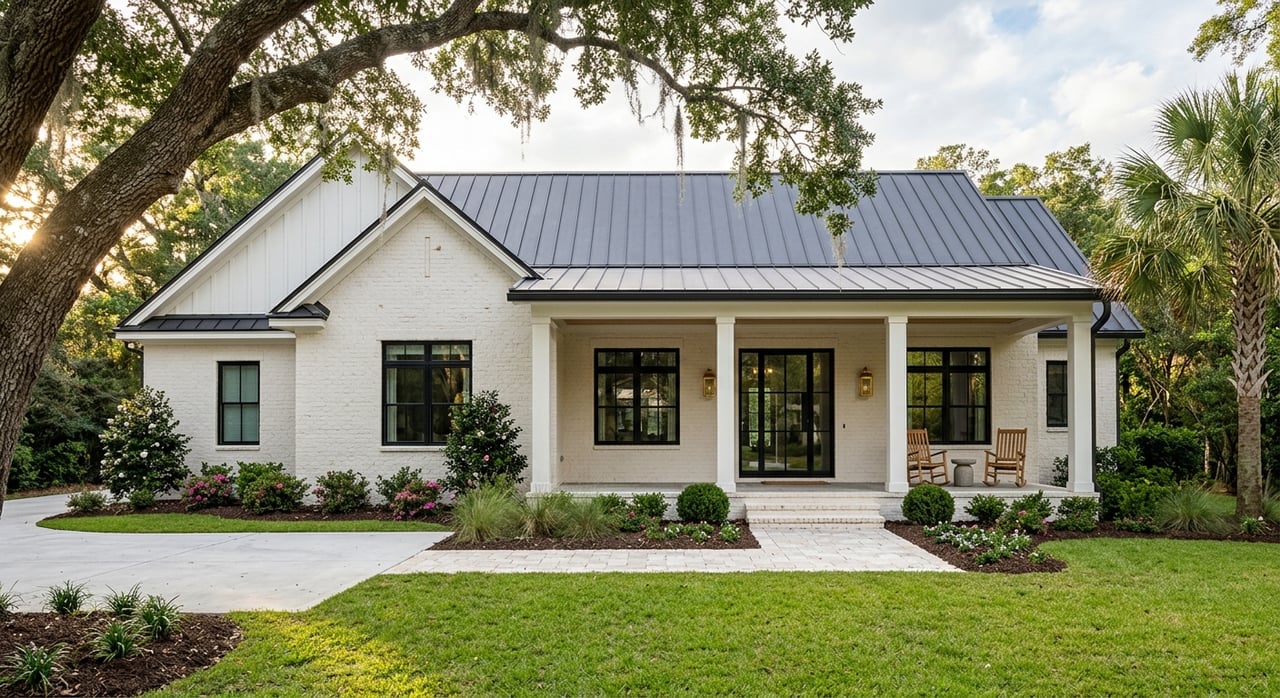
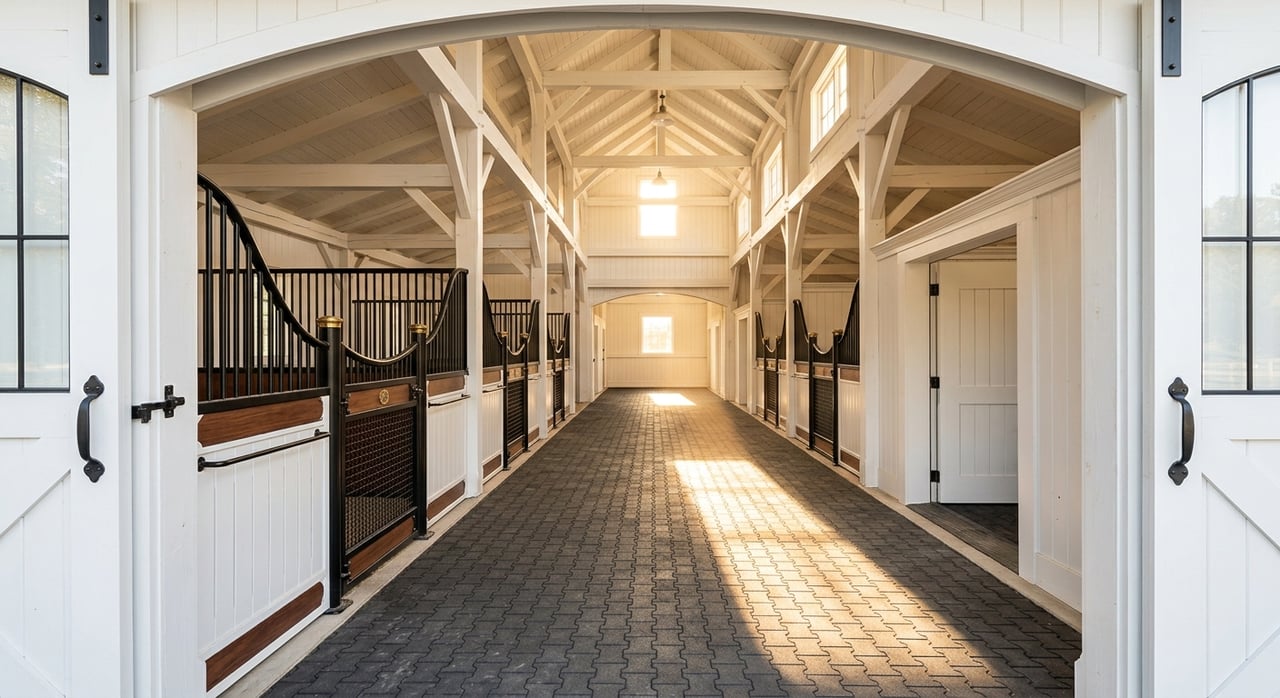
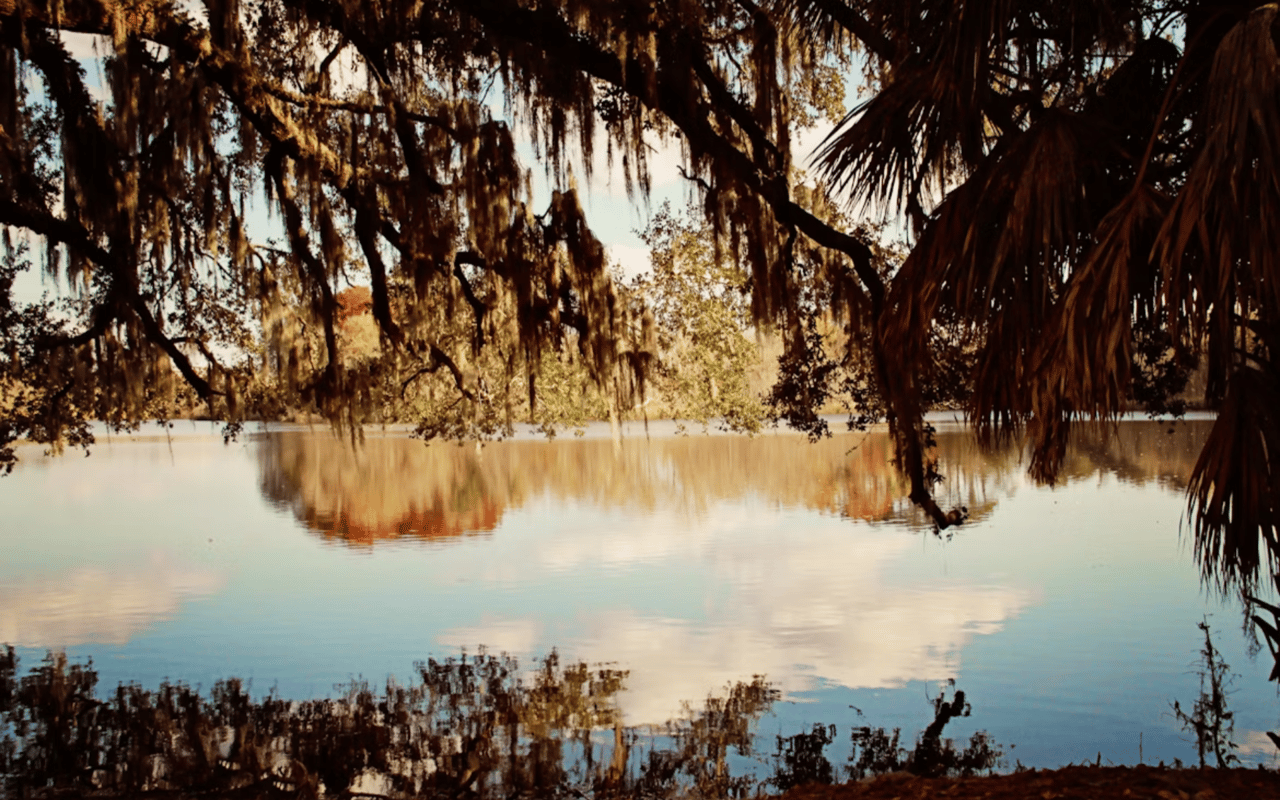
Current local listings also show what this niche often looks like in real life. In recent examples, buyers could see no-HOA acreage, existing well and septic systems, room for horse barns or accessory dwellings, detached garages, and separate guest quarters or casitas. In many cases, the appeal is not total isolation. It is privacy, elbow room, and flexibility with convenient access to Gainesville.
Features buyers often want most
When you shop for a luxury home with land in Gainesville, you will likely compare more than finishes and floor plans. The most desirable properties often offer a mix of lifestyle features and practical land benefits.
Common features include:
- Wooded buffers for privacy
- Open pasture or horse-friendly space
- No HOA
- Private or gated driveways
- Detached garages or workshops
- Guest quarters or casitas
- Space for future barns or outbuildings
- Potential sites for an accessory dwelling unit
These features can add convenience and long-term flexibility, but they only create value if the parcel can legally and practically support your plans.
Check land use before you fall in love
A beautiful home on several acres can still come with limits. Before you get too attached to a property, it is smart to confirm how the land is designated and what uses are allowed.
Alachua County’s planning rules make an important distinction between gross acreage and usable acreage. Future land use and zoning standards can affect whether you can add structures, keep certain agricultural uses, or make future changes to the property.
If you are thinking about horses or agricultural use, the county property appraiser’s agricultural guidelines offer helpful context. The county recommends at least 5 acres for horse-breeding operations, uses a rule of thumb of one horse per 2 acres, and notes that agricultural classification is determined case by case based on bona fide use and documentation.
That means acreage alone does not tell the full story. A 10-acre property may fit your goals better than a larger parcel if the land is more functional, accessible, and aligned with your intended use.
Understand ADU potential early
For some buyers, extra land is partly about future flexibility. You may want room for guest space, multigenerational living, or a separate structure for long-term use.
Alachua County allows one accessory dwelling unit on single-family lots in Estate, Low, and Medium Density areas, subject to performance standards for size, site design, landscaping, access, and parking. The county also notes that if central water and sewer are not available, the ADU must connect to the primary residence’s well and septic system in line with Florida Department of Health requirements. You can review those standards through the county’s Future Land Use and development guidance.
This is one reason buyers should ask about future plans right away. A property may appear to offer plenty of room, but utility or site-design limits can affect what you can actually build.
Verify utilities parcel by parcel
Utility questions should move to the top of your checklist when you are buying a luxury home with land. In this market, you should never assume that a Gainesville address means city utility service.
Within the urban cluster, new residential development must connect to centralized potable water and sewer. Outside that area, private wells and septic systems are often the norm, and permitting can vary depending on location. Alachua County notes that well permitting differs between the St. Johns River and Suwannee River water management districts, while septic systems are regulated locally through the Florida Department of Health.
Even when a property is near the city, service availability can still vary. GRU’s potable-water service area covers about 75,000 acres within and outside Gainesville’s city limits, so utility availability should be confirmed for the specific parcel rather than guessed from the map. The county’s land use guidance is a strong starting point for understanding how these systems apply.
Pay close attention to access
Access can shape both value and peace of mind. A luxury home with acreage may look perfect online, but driveway rights, frontage, and maintenance responsibility can become major issues if they are not clarified early.
Alachua County Public Works handles driveway permits, right-of-way permits, flood-zone determinations, and development review. Their forms also reference rural driveways and common-drive arrangements, which is a good reminder to review easements, entry configuration, and road maintenance obligations before moving too far into the process.
This matters because access is not just about convenience. It can also affect insurability, future improvements, and resale appeal.
Review flood, wetlands, trees, and terrain
Larger parcels often come with natural features that add beauty and privacy, but they can also affect what you can do with the land. Environmental review is one of the most important steps in acreage due diligence.
Alachua County states that development in a floodplain requires a flood hazard area permit. County staff also review development for wetlands, surface waters, floodplain, listed-species habitat, significant upland habitat, and strategic ecosystems. In addition, regulated tree removal may require prior approval, including on some single-family parcels over one acre. You can explore these requirements through the county’s development review resources.
Terrain deserves close attention too. According to the county’s sinkhole fact sheet, sinkholes are most common in western and central Alachua County and can compromise septic systems and wells. If a parcel has uneven ground, ponding, or unusual depressions, it is worth taking drainage history and site conditions seriously.
Know what really drives value
Luxury acreage pricing is rarely just about the home. The value of the land can shift significantly based on what you can do with it and how easy it is to use.
The Alachua County Property Appraiser explains that property is valued at 100% of market value as of January 1 each year and that land can increase in value even without improvements. The office uses the sales comparison, cost, and income approaches, which helps explain why two similar homes may carry very different price tags if one has better access, fewer environmental limits, or more flexible land use.
Restrictions can lower value too. The county notes that conservation easements can protect land while keeping it privately owned, but they may limit subdivision, development, and impervious area. That means the same number of acres can have very different market appeal depending on what those acres allow.
Compare usable land, not just acreage
One of the biggest mistakes buyers make is focusing on total acreage without studying how much of the land is functional. A parcel with 12 acres may not be more valuable to you than one with 8 if part of the larger tract is constrained by access, floodplain, easements, or utility limitations.
As you compare options, ask questions like:
- How much of the land is buildable or usable today?
- Is there road frontage or a recorded access easement?
- Are utilities in place, and if not, what will setup require?
- Do tree, wetland, or floodplain rules affect future plans?
- Is there support for horses, outbuildings, or an ADU?
- Are there conservation easements or other recorded restrictions?
That kind of analysis can help you avoid overpaying for land that looks impressive on paper but offers less flexibility than expected.
A local strategy matters
Because luxury homes with land are so parcel-specific, local knowledge can make a real difference. The right property is not always the one with the highest acreage count or the most dramatic photos. It is the one that matches your goals, supports your intended use, and holds value for the long term.
If you are considering a luxury home with land in Gainesville, working with a brokerage that understands acreage, equestrian properties, and rural market details can help you evaluate the full picture with more confidence. The team at Anson Properties brings a boutique, service-driven approach to land, luxury estates, and North Central Florida lifestyle properties, so you can move forward with clear guidance and a smart strategy.
FAQs
What makes buying a luxury home with land in Gainesville different from buying a typical city home?
- Luxury acreage purchases involve more parcel-specific research, including zoning, utilities, access, environmental constraints, and usable land, not just the home itself.
What utility issues should you check when buying acreage in Gainesville?
- You should confirm whether the property uses centralized water and sewer or private well and septic, because service availability can vary by parcel even with a Gainesville address.
Can you build an accessory dwelling unit on a luxury property in Alachua County?
- Alachua County allows one ADU on certain single-family lots in Estate, Low, and Medium Density areas, but rules for size, design, access, parking, and utility connections still apply.
What should you know about horse property and agricultural use in Gainesville?
- If you plan to keep horses or pursue agricultural classification, you should review county guidance on acreage expectations, bona fide agricultural use, and supporting documentation before you buy.
Why does usable acreage matter more than total acreage in Gainesville?
- Usable acreage matters because access, floodplain, wetlands, easements, tree rules, and utility limitations can reduce how much of a parcel you can actually enjoy or improve.