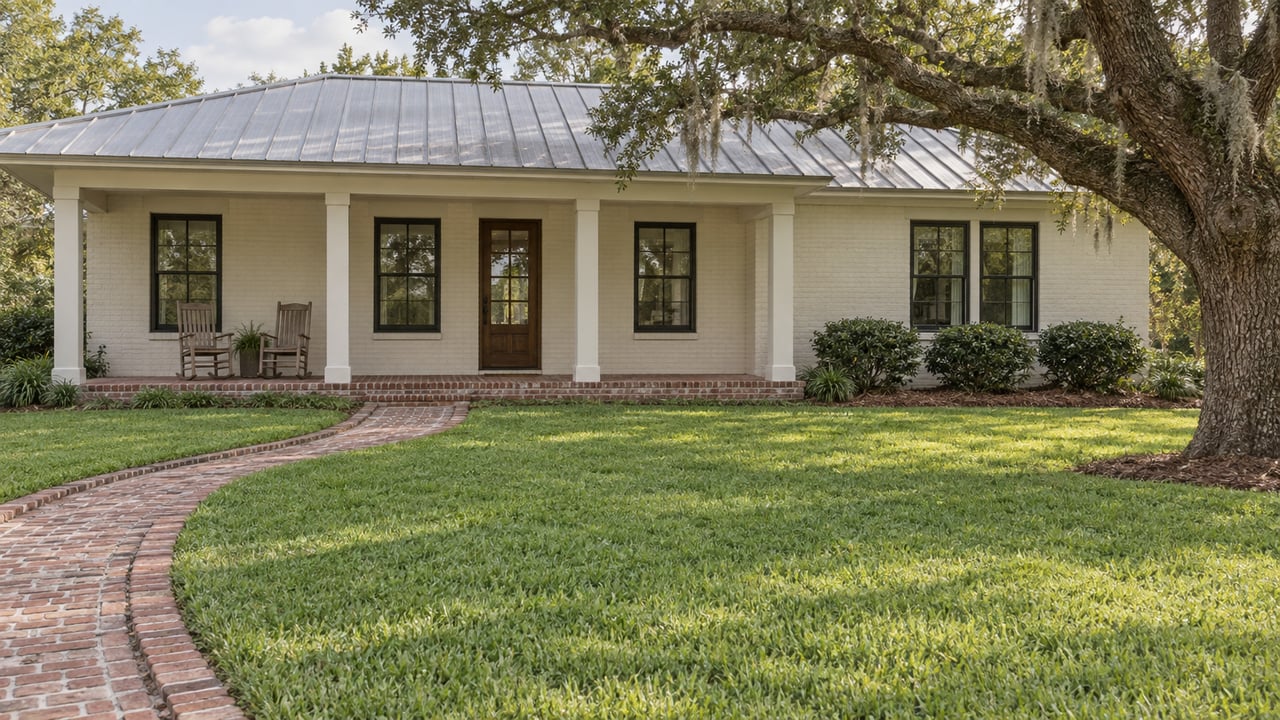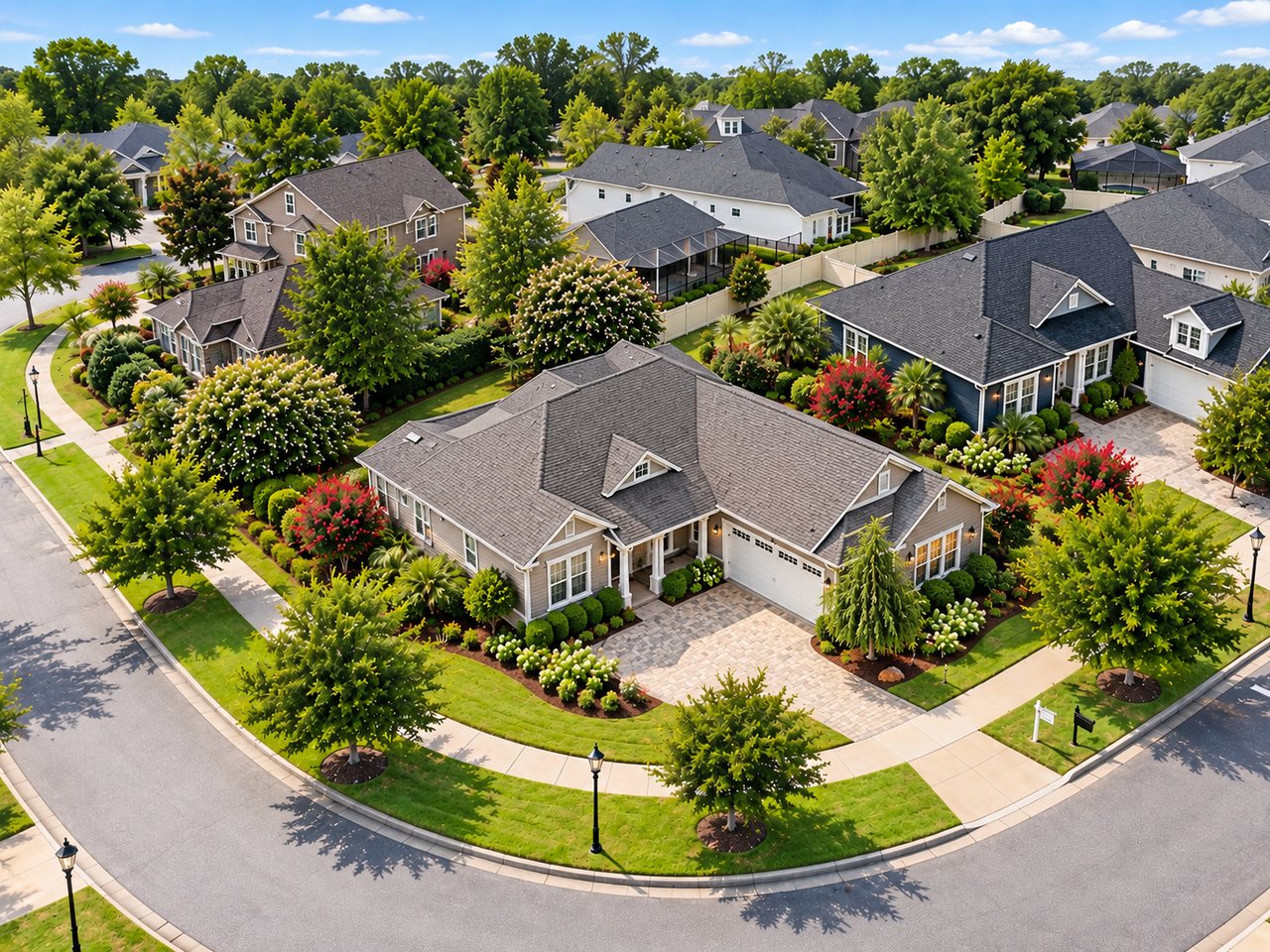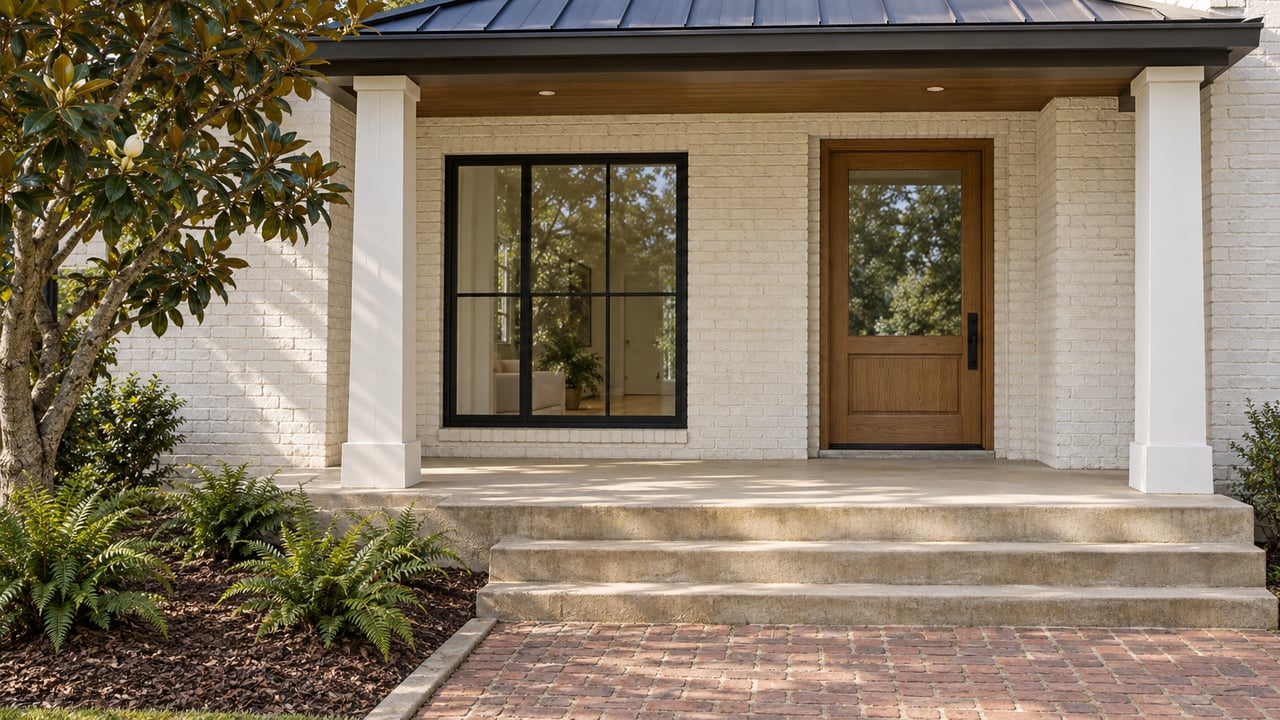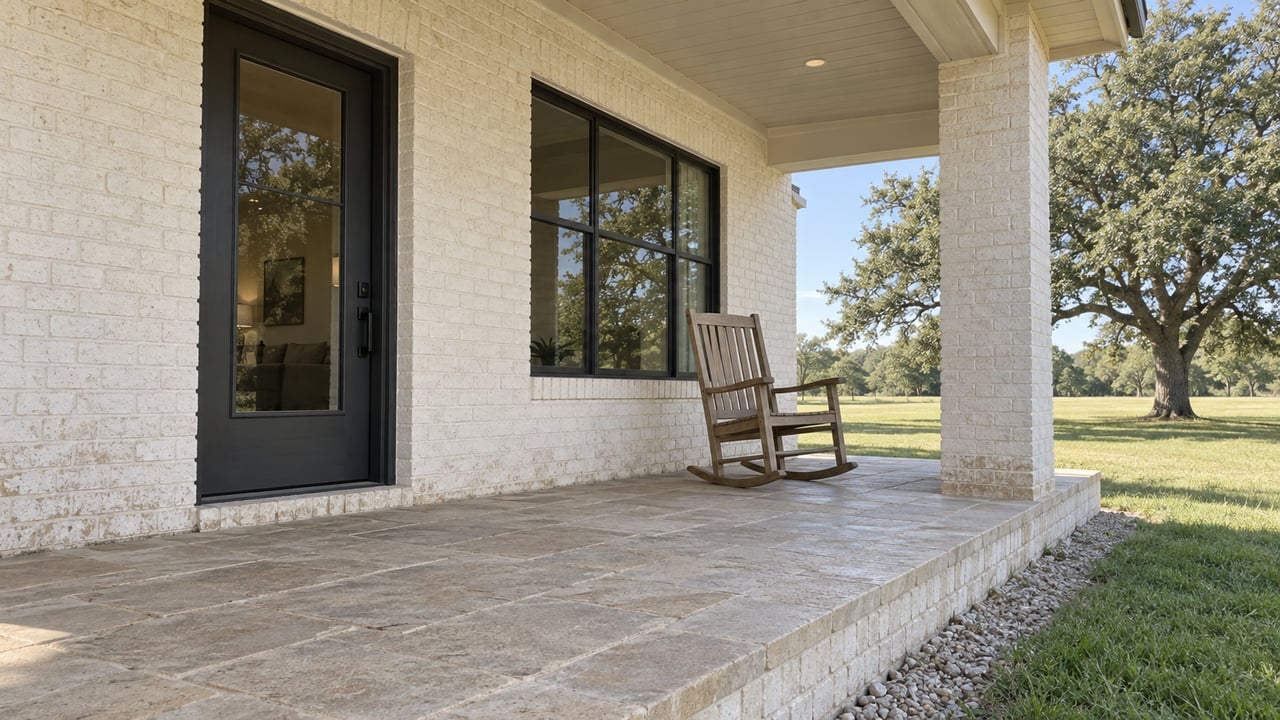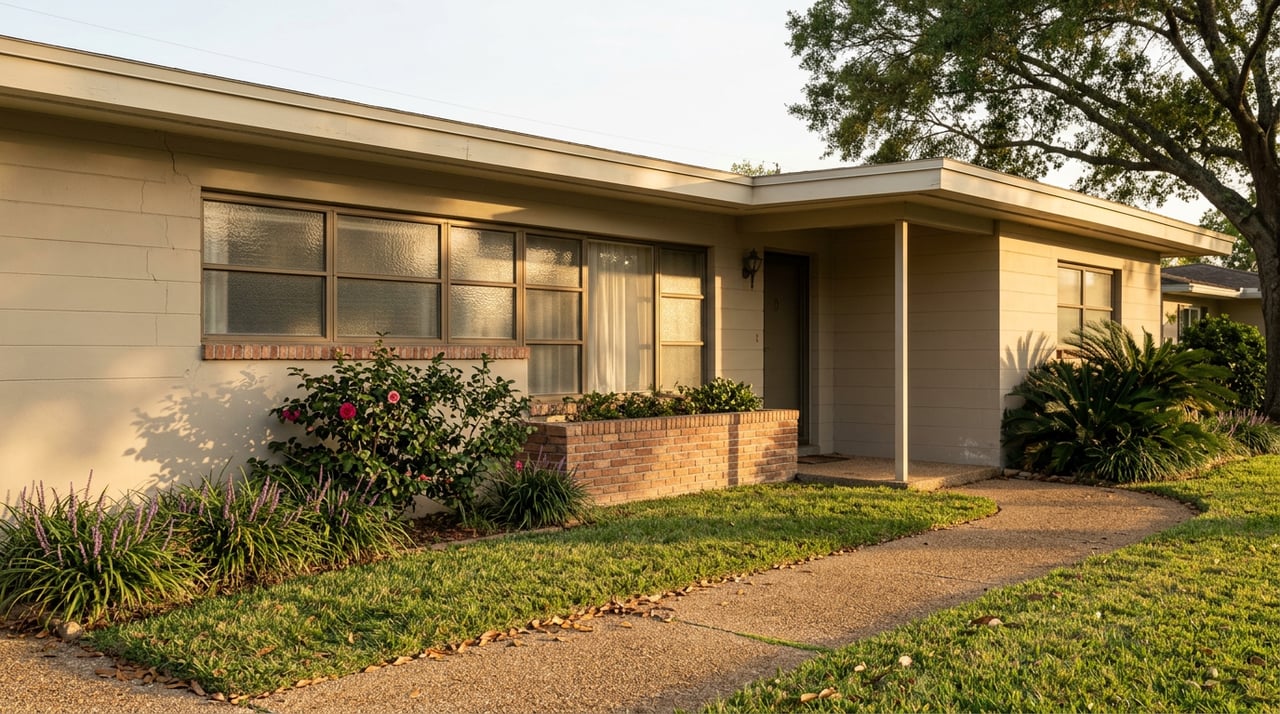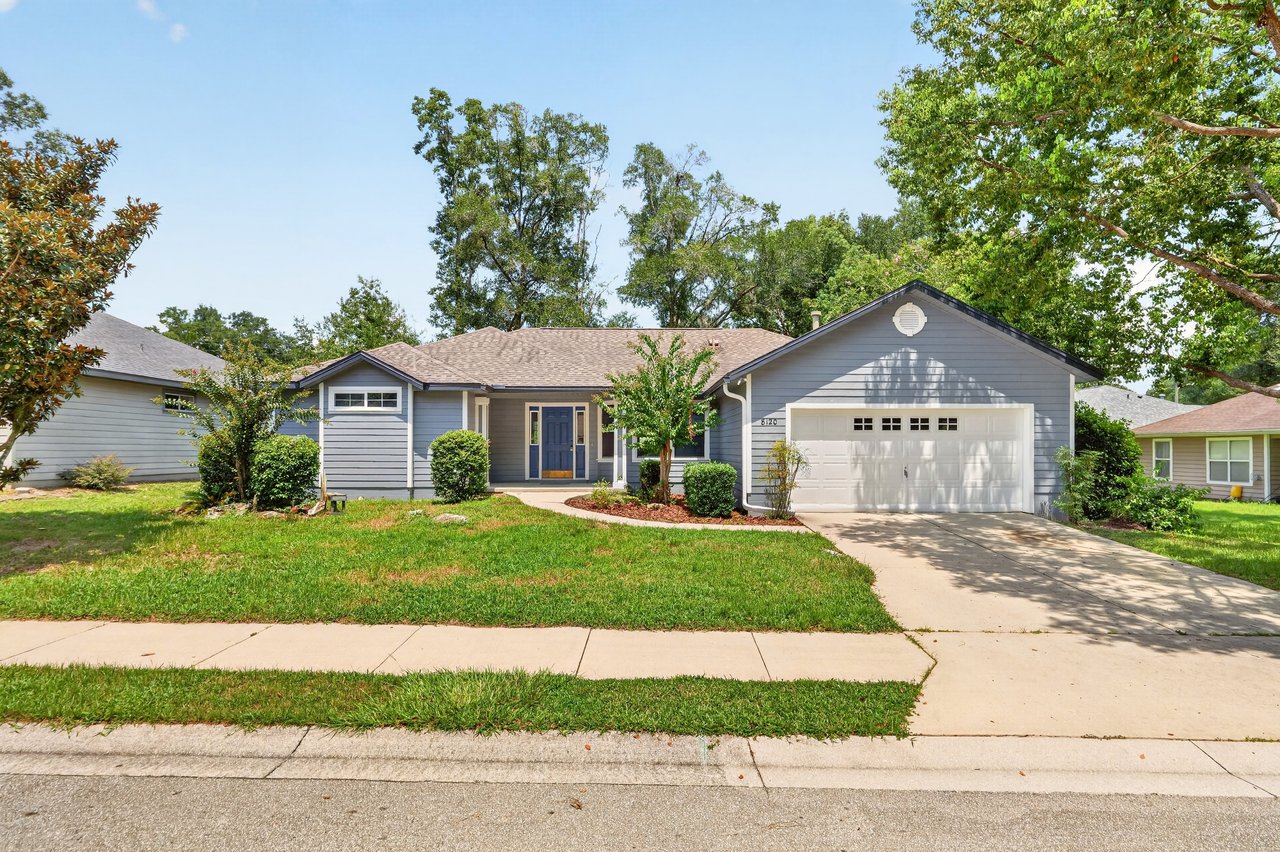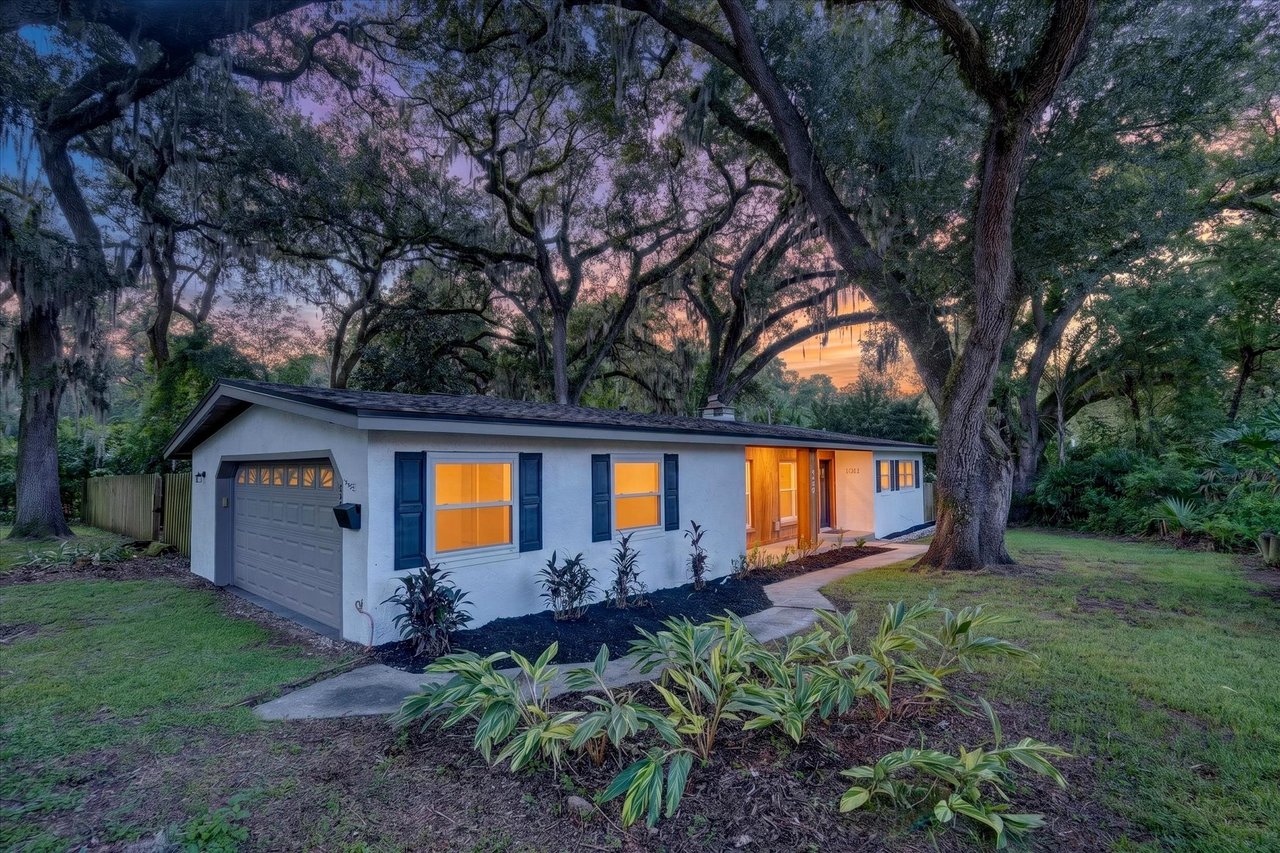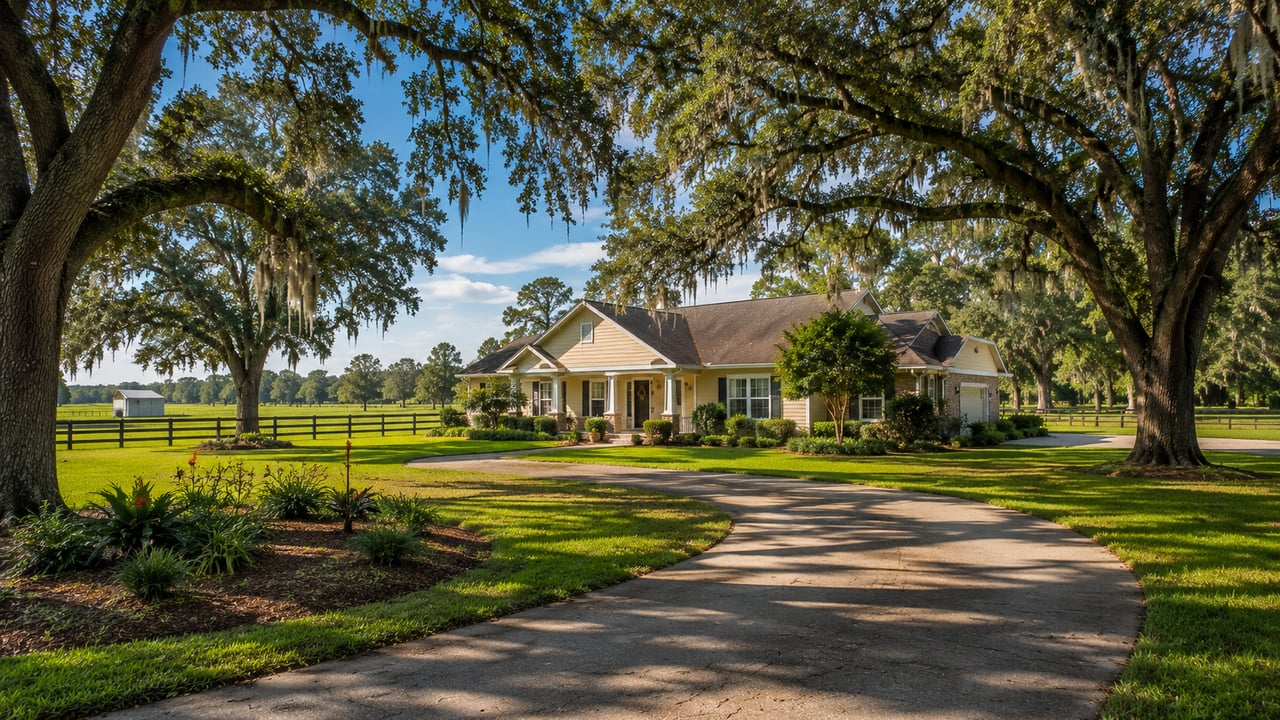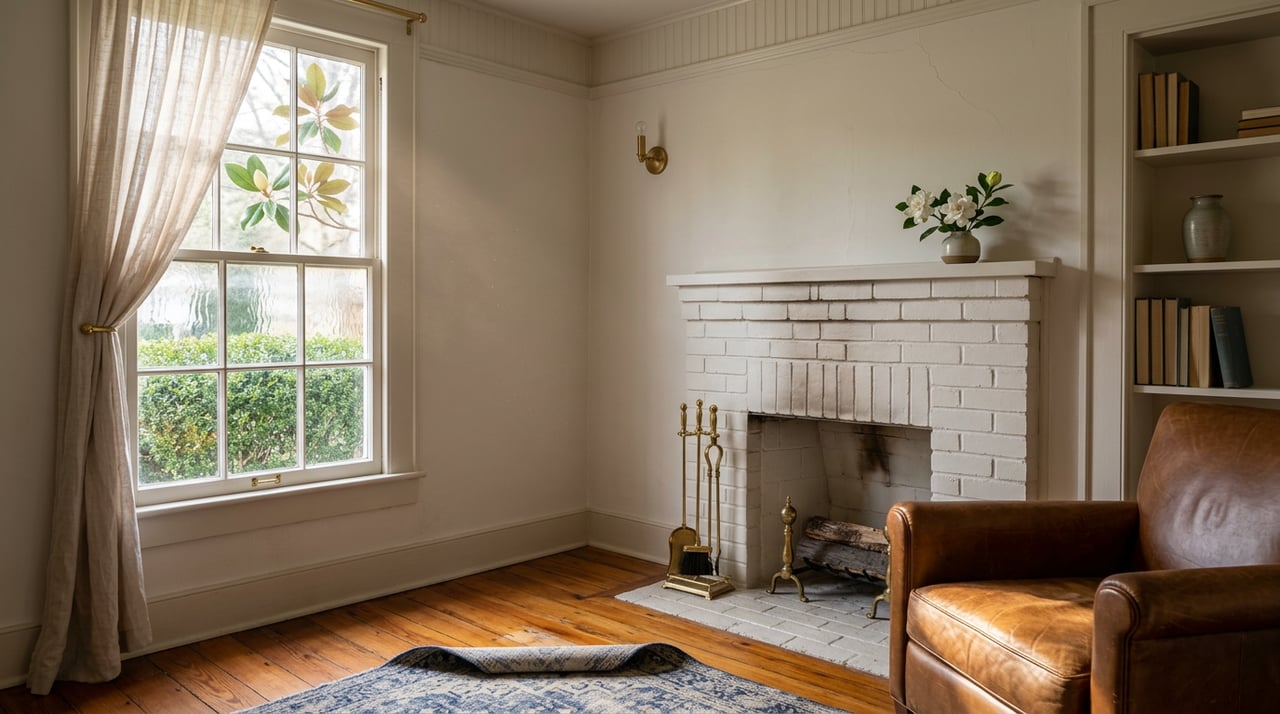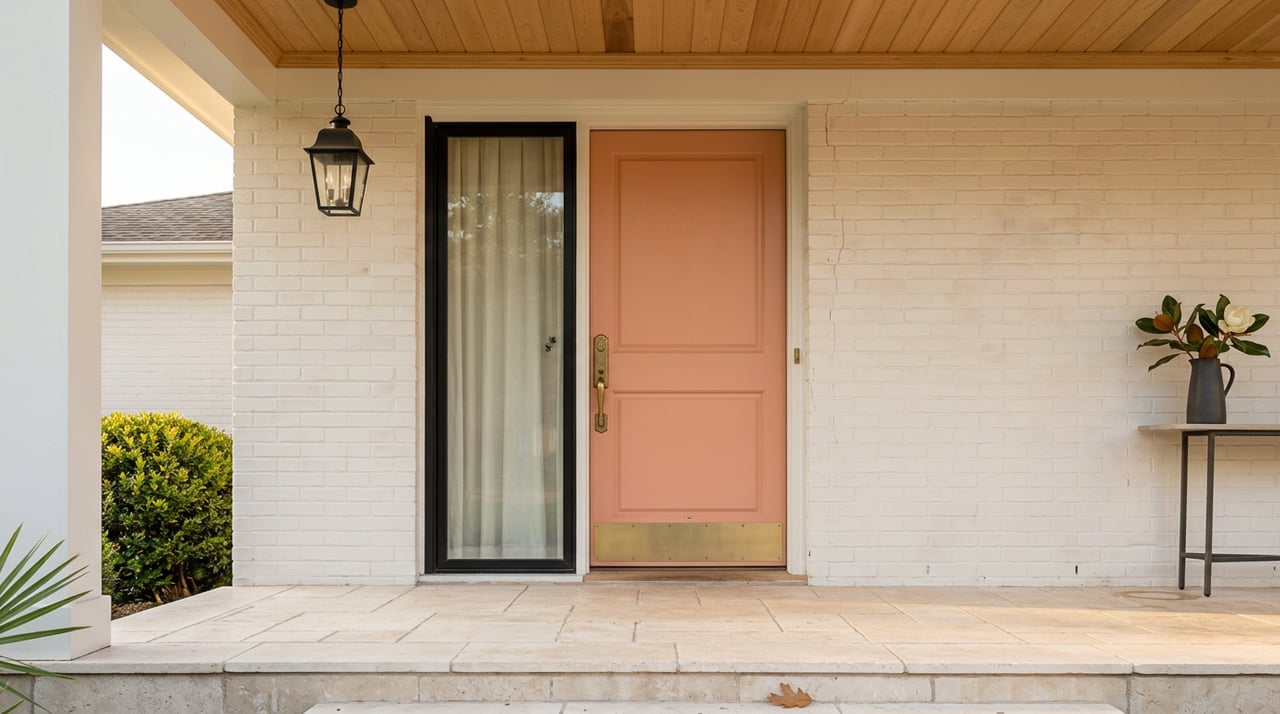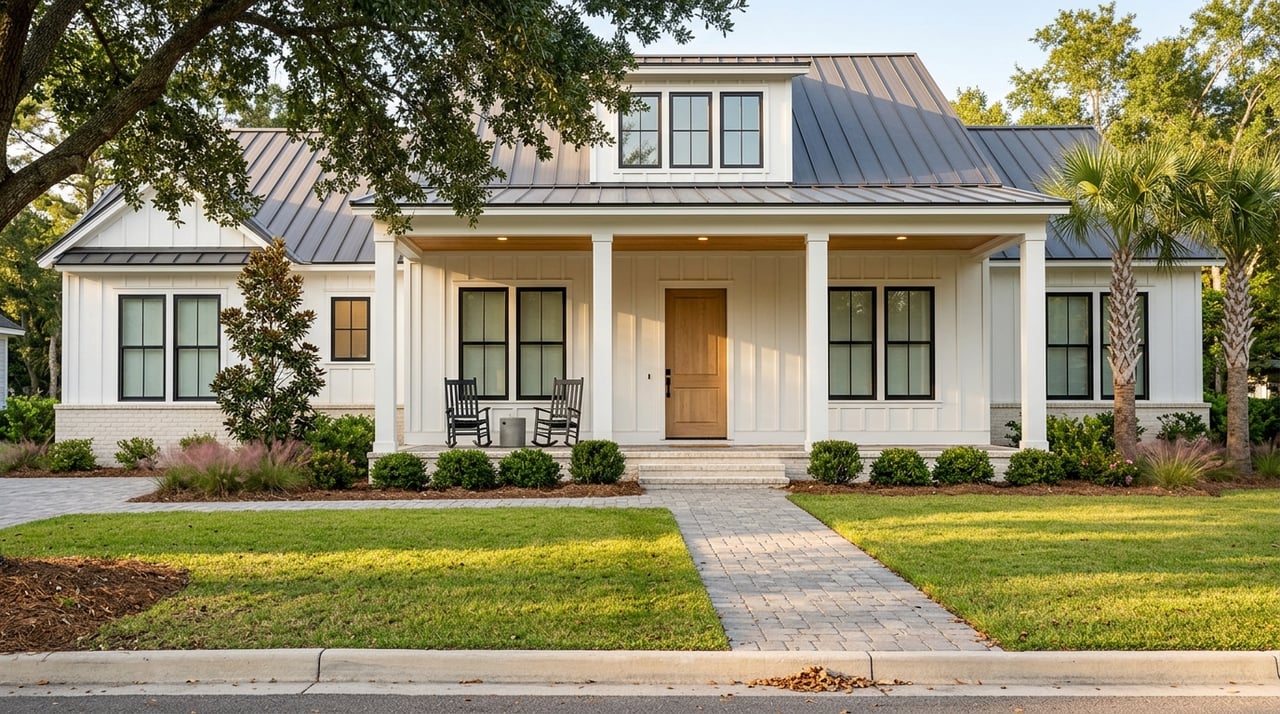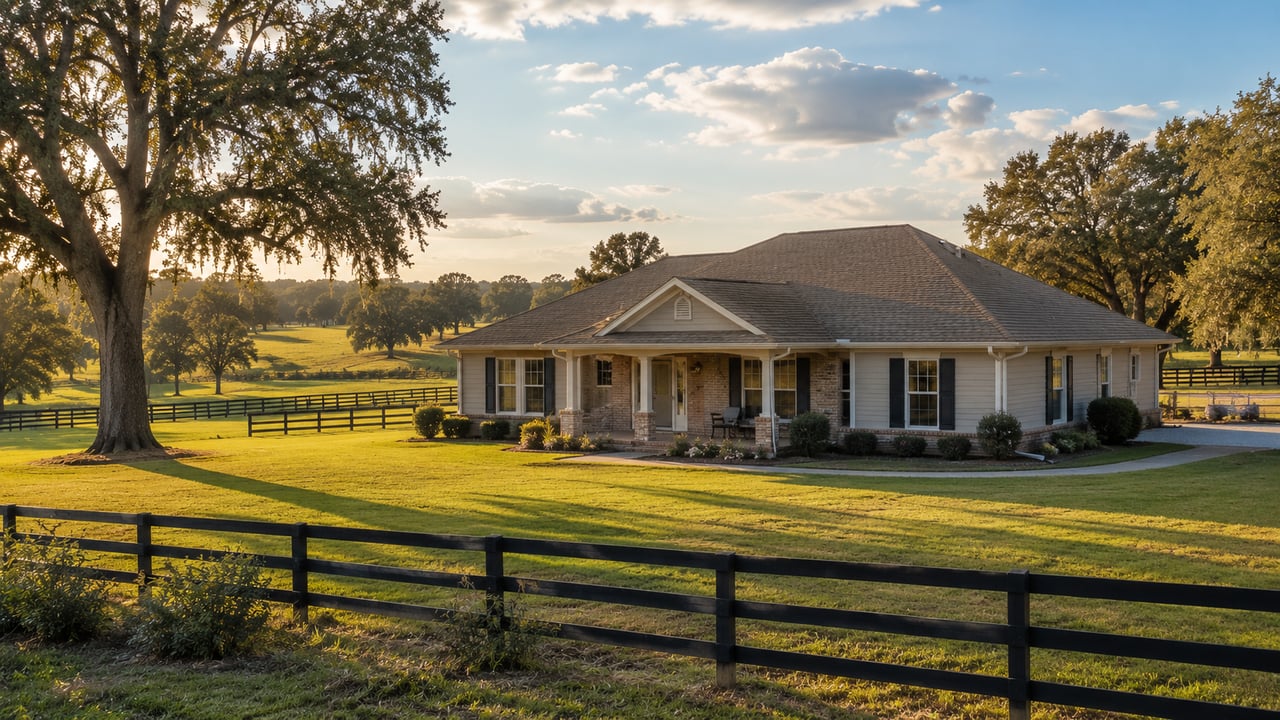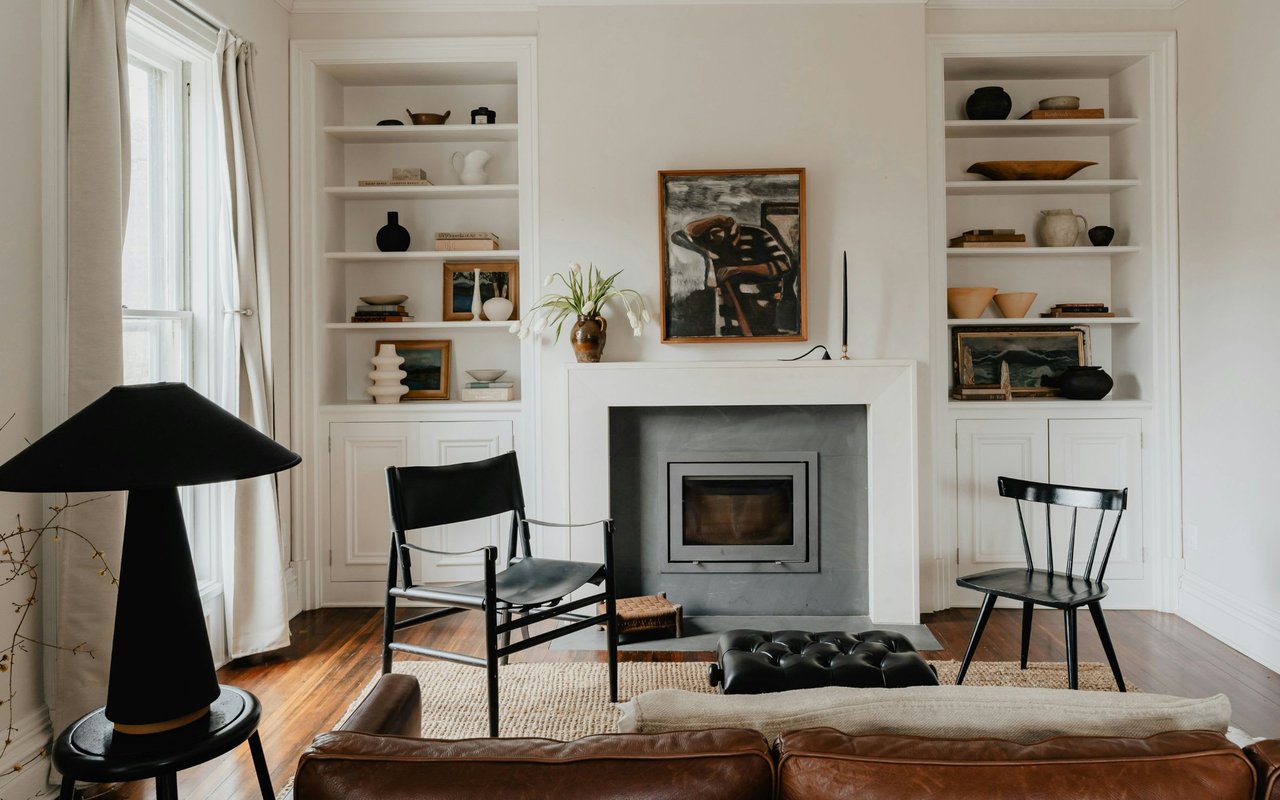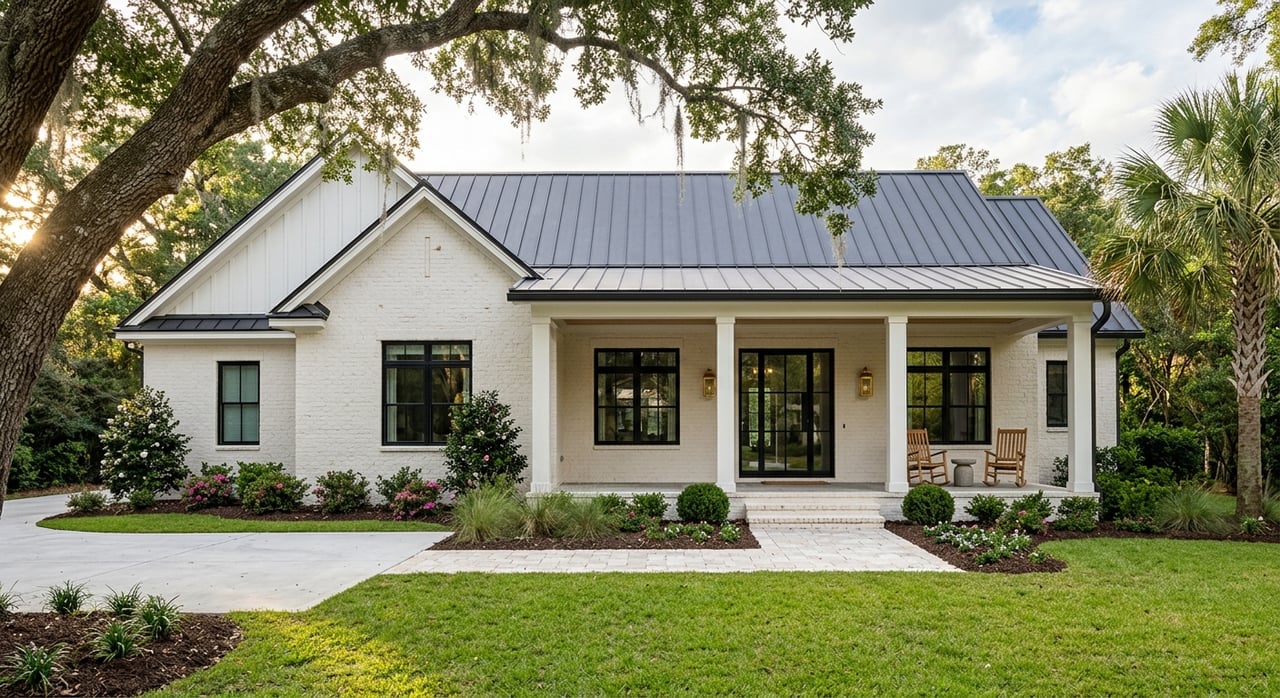
If you are selling a high-end home in one of Gainesville’s established areas, charm alone is rarely enough to win top-dollar offers. Buyers often love character, mature trees, and older architecture, but they also compare that appeal against condition, presentation, and price. The good news is that with the right prep and strategy, you can position your home to stand out in a market that rewards precision. Let’s dive in.
Why established Gainesville homes need a different strategy
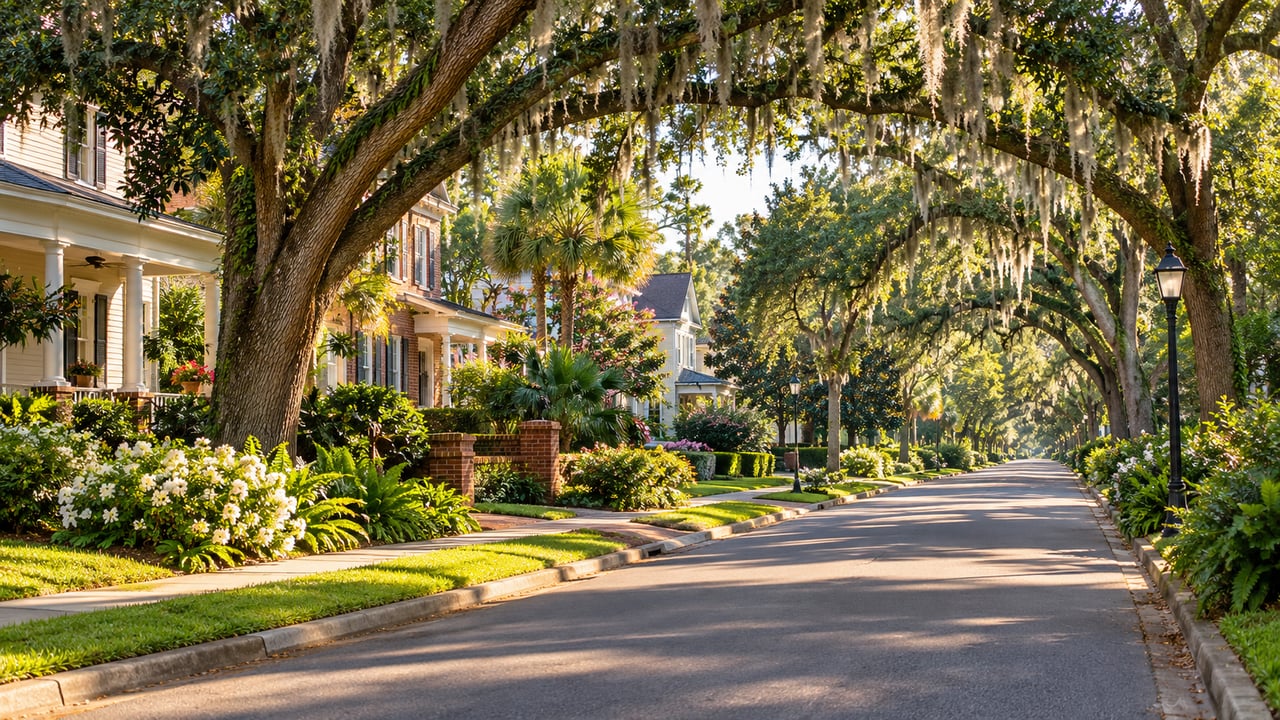
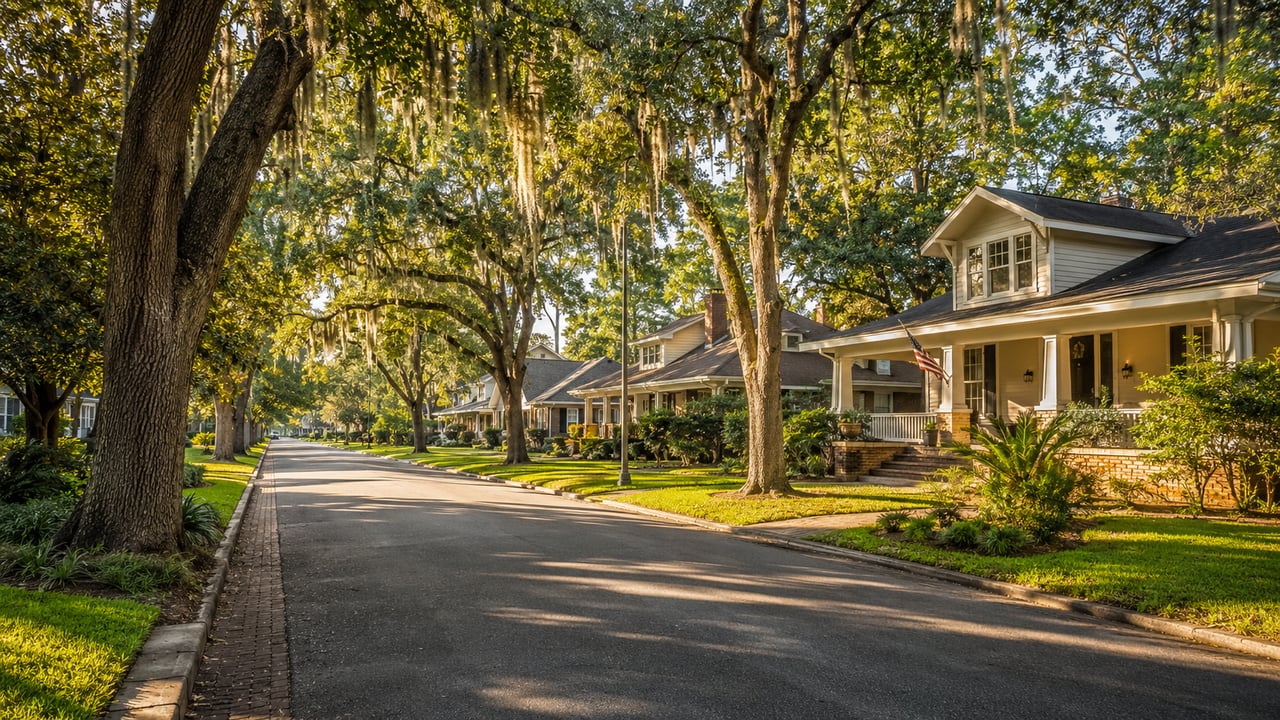
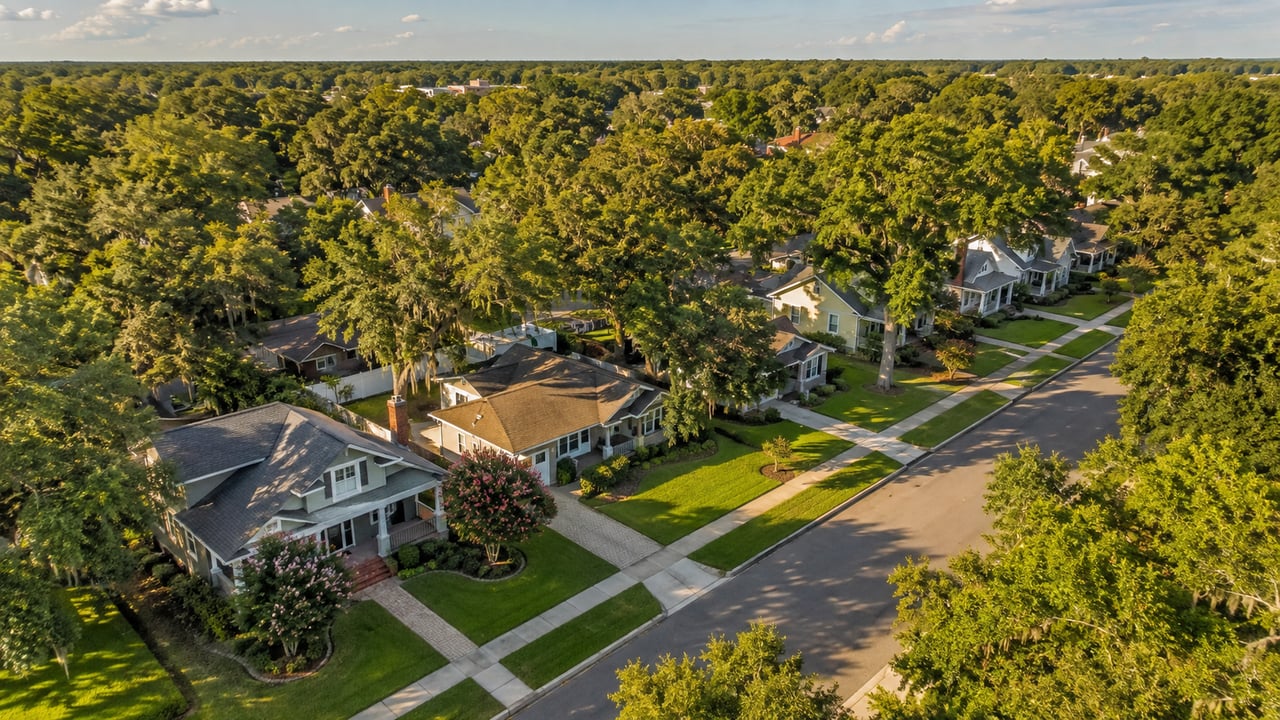
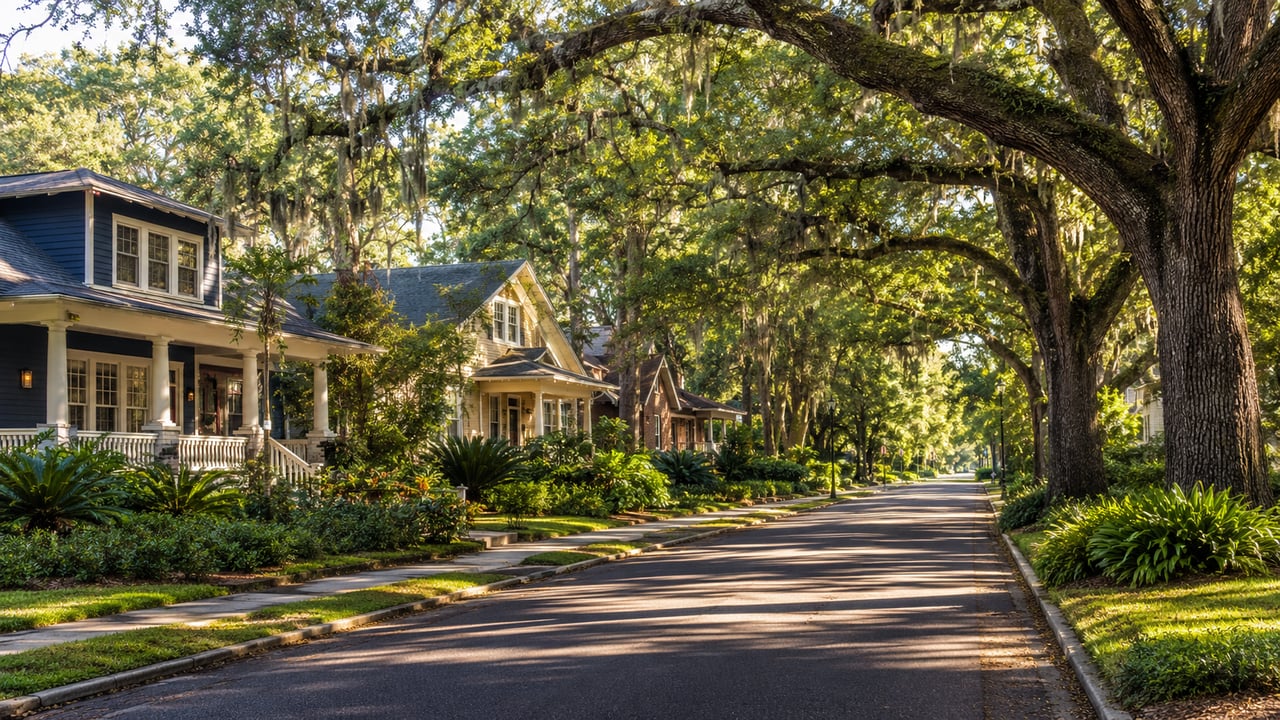
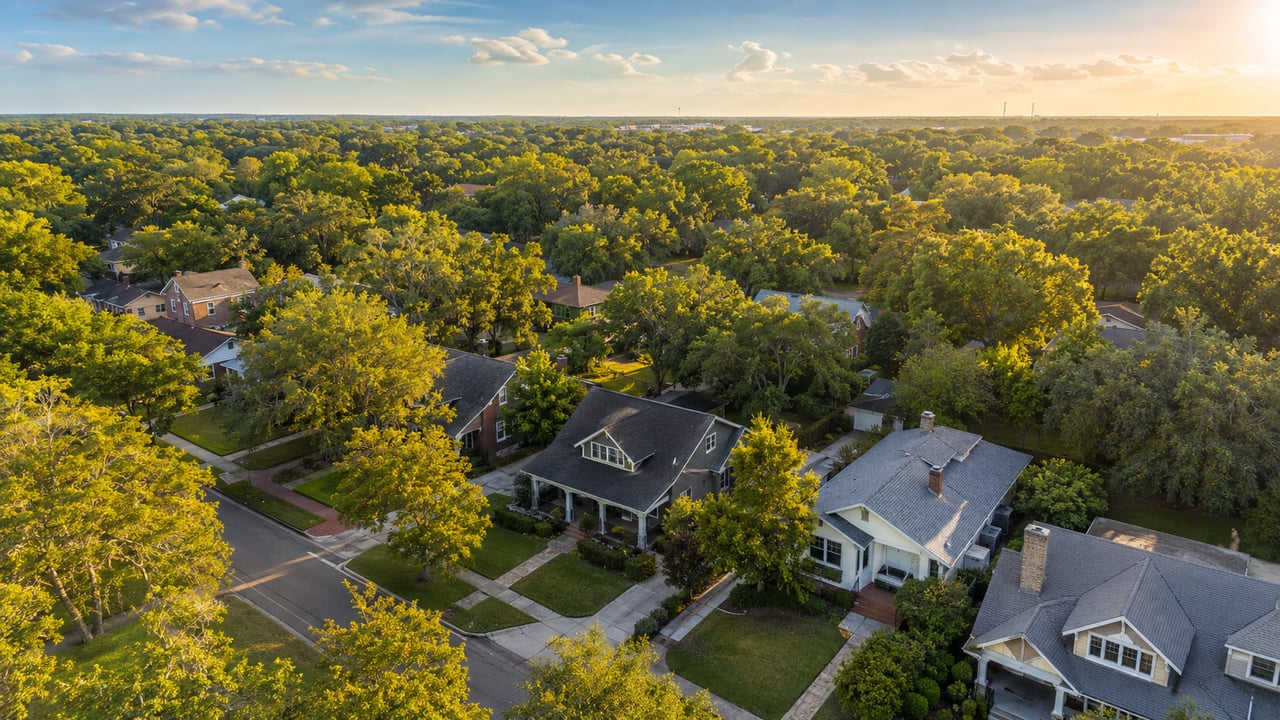
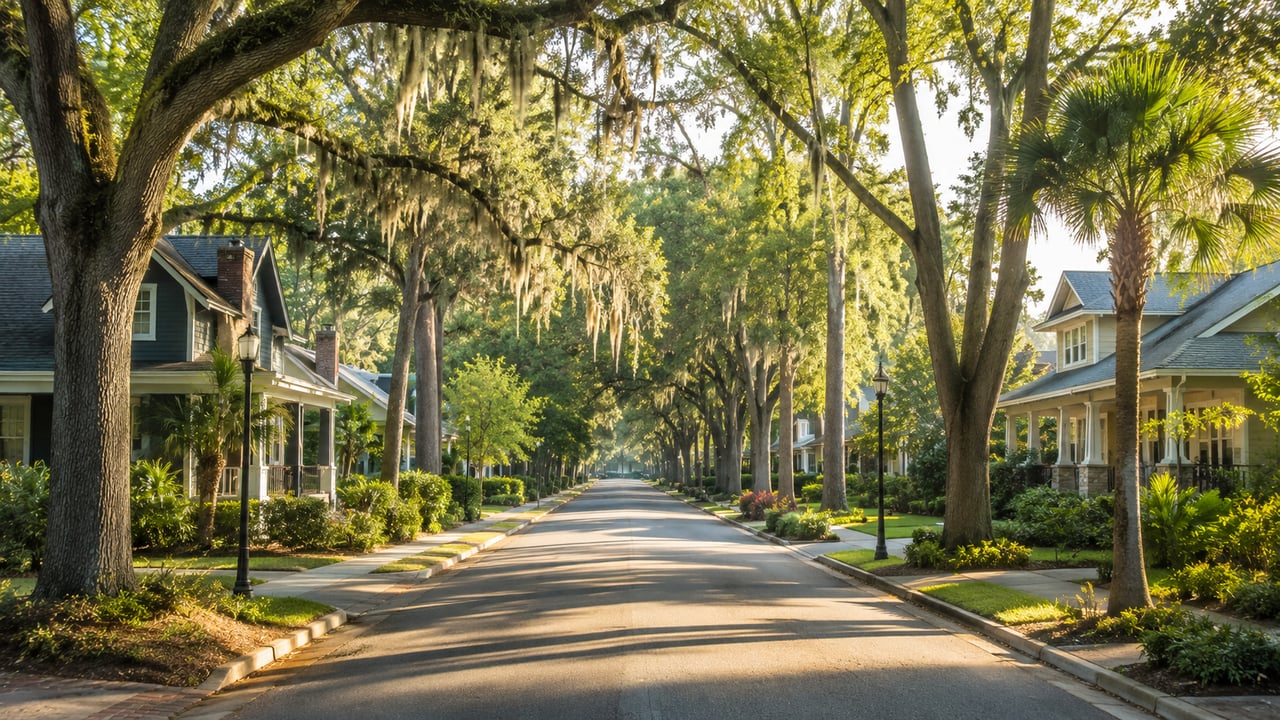
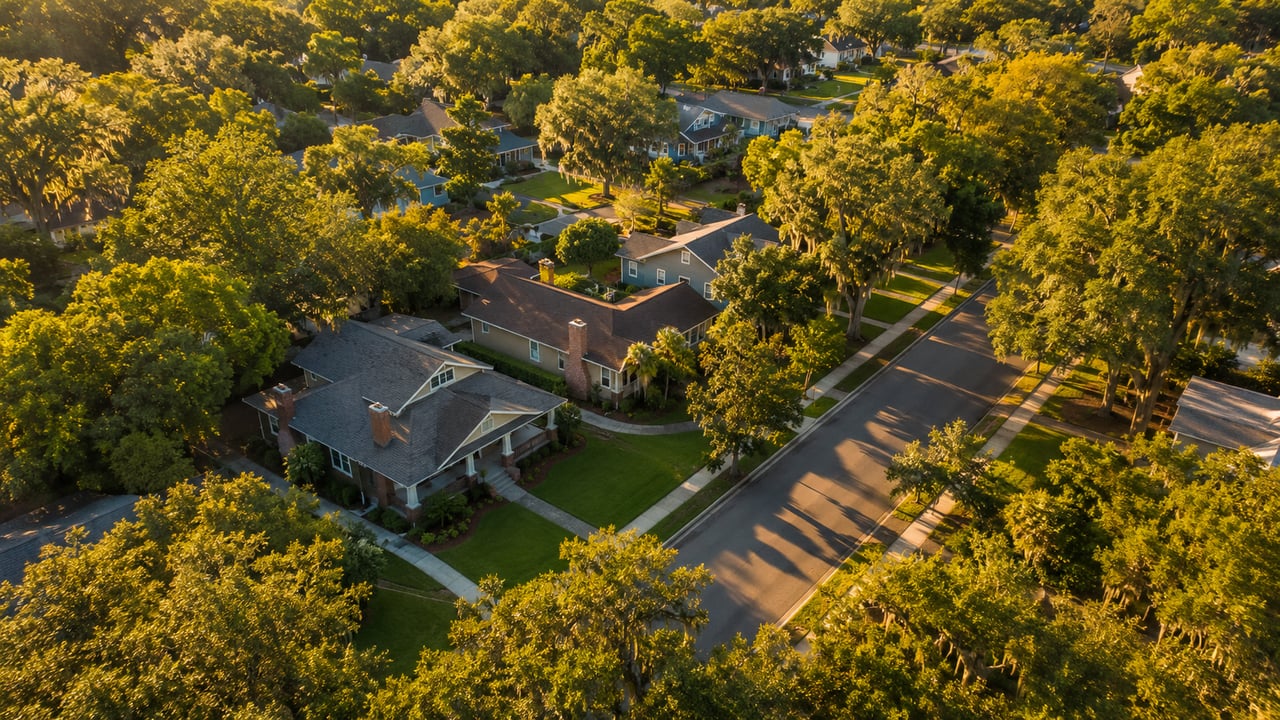
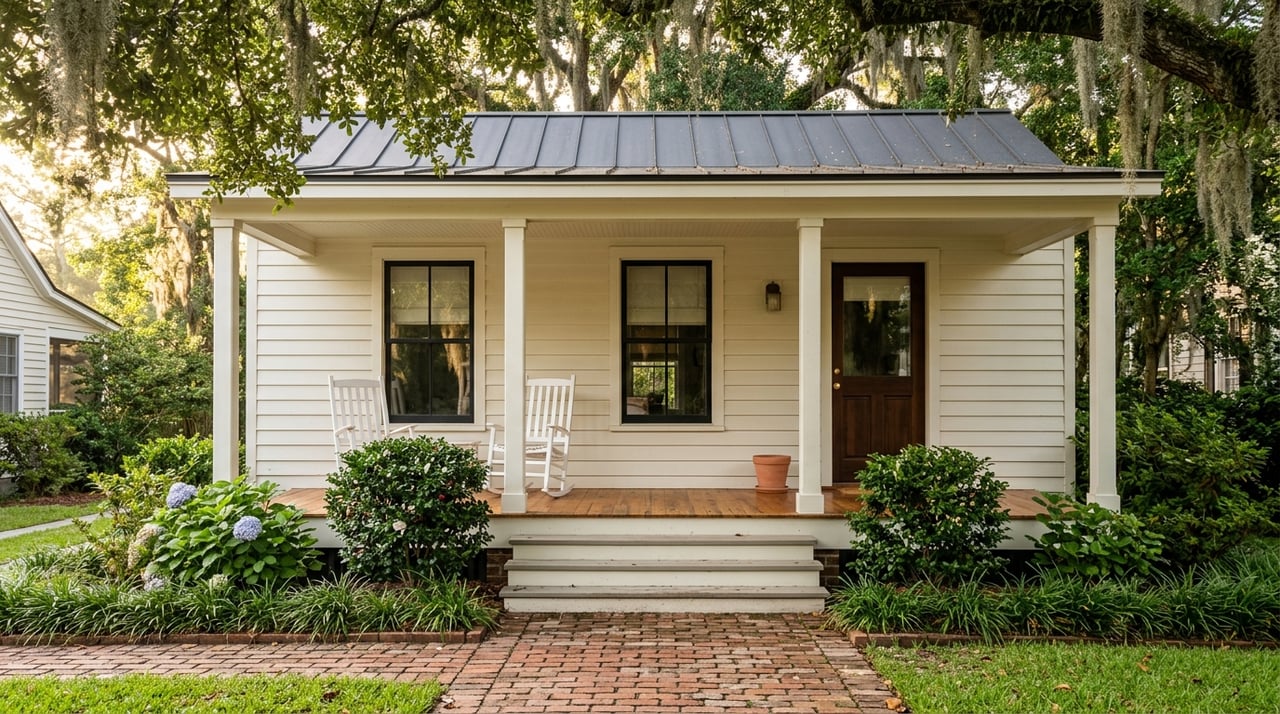
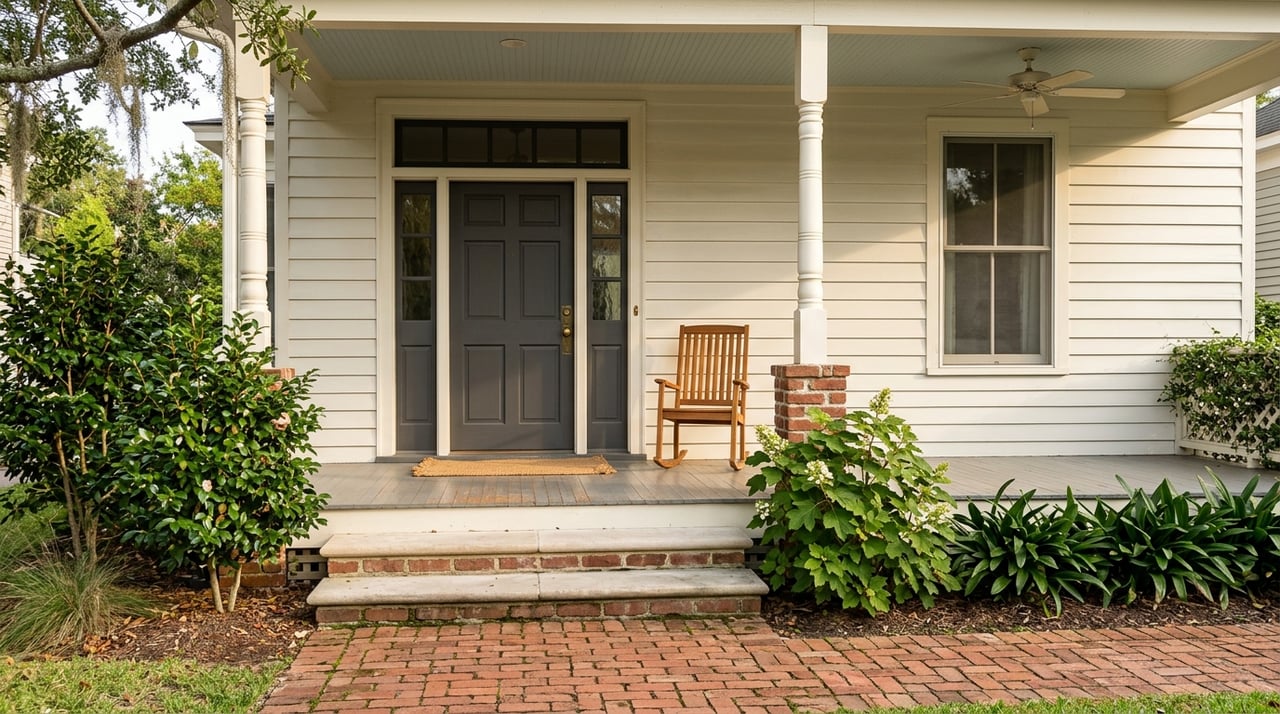
Gainesville has a deep inventory of older, character-rich homes, especially in long-established parts of the city. According to the City of Gainesville Historic Preservation information, the city has five local historic districts protecting more than 1,500 historic structures, and areas like Duckpond and Pleasant Street have long been recognized for their historic significance.
That matters when you sell a higher-end home in these areas. Your buyer is not just comparing your property to nearby homes. They are also weighing architectural appeal, upkeep, updates, lot setting, and whether the home feels move-in ready.
In Gainesville’s more established neighborhoods, buyers often see charm as a bonus, not a substitute for maintenance. If your home has distinctive details and strong condition, that combination can be especially compelling.
Know the market before you price
Luxury sellers can get in trouble when they price based on emotion, broad neighborhood averages, or what they hope the home should bring. In today’s market, pricing needs to reflect actual demand and the details of your specific property.
As of early 2026, Realtor.com’s Alachua County market data shows a median listing price of $325,000, median days on market of 54, and a 97% sale-to-list ratio. Other local trackers in the research show similar trends, including sale-to-list ratios below 100% and a large share of homes selling under asking price.
For high-end properties, that does not mean your home cannot command a premium. It means your pricing strategy should be tightly tied to comparable sales, condition, location, amenities, and current market behavior.
Price from comps, not assumptions
The National Association of Realtors pricing guide says list price recommendations should consider:
- Size
- Location
- Amenities
- Condition
- Current market conditions
- Comparable sales
For an established Gainesville luxury home, the best comp set is often narrow. A renovated historic property, a custom home with mature landscaping, or a large in-town lot may not fit neatly into the average numbers for the area.
That is why pricing discipline matters so much. The goal is not to chase the highest possible list price. The goal is to position the home where serious buyers see value and feel motivated to act.
Focus your prep where buyers notice it most
One of the biggest mistakes sellers make is over-improving before listing. In many cases, buyers respond better to visible maintenance and smart refreshes than to expensive projects that do not match neighborhood demand.
The 2025 NAR Remodeling Impact Report found that 46% of buyers are less willing to compromise on condition. It also highlights the importance of practical updates such as paint, roofing, kitchen improvements, bathroom improvements, and replacing worn materials.
Prioritize high-visibility updates
Before listing, focus first on the items that make your home feel cared for and move-in ready:
- Fresh interior paint where needed
- Roof repairs or replacement if condition is a concern
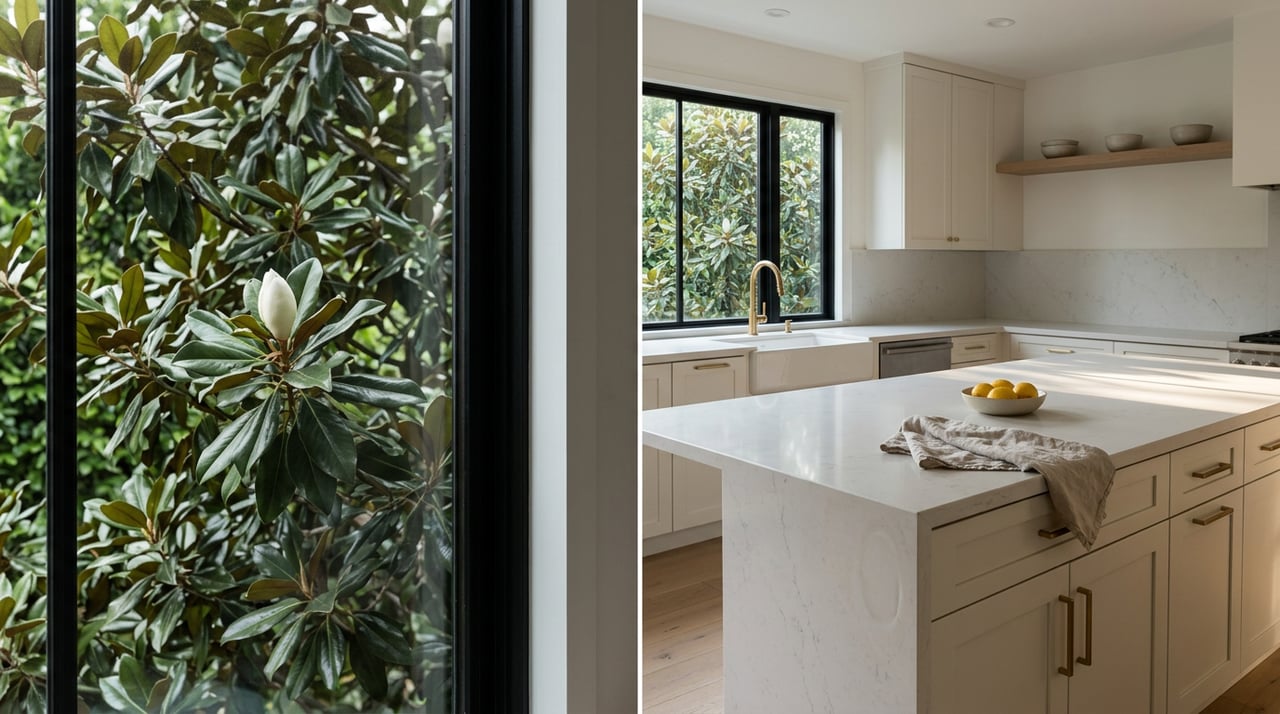
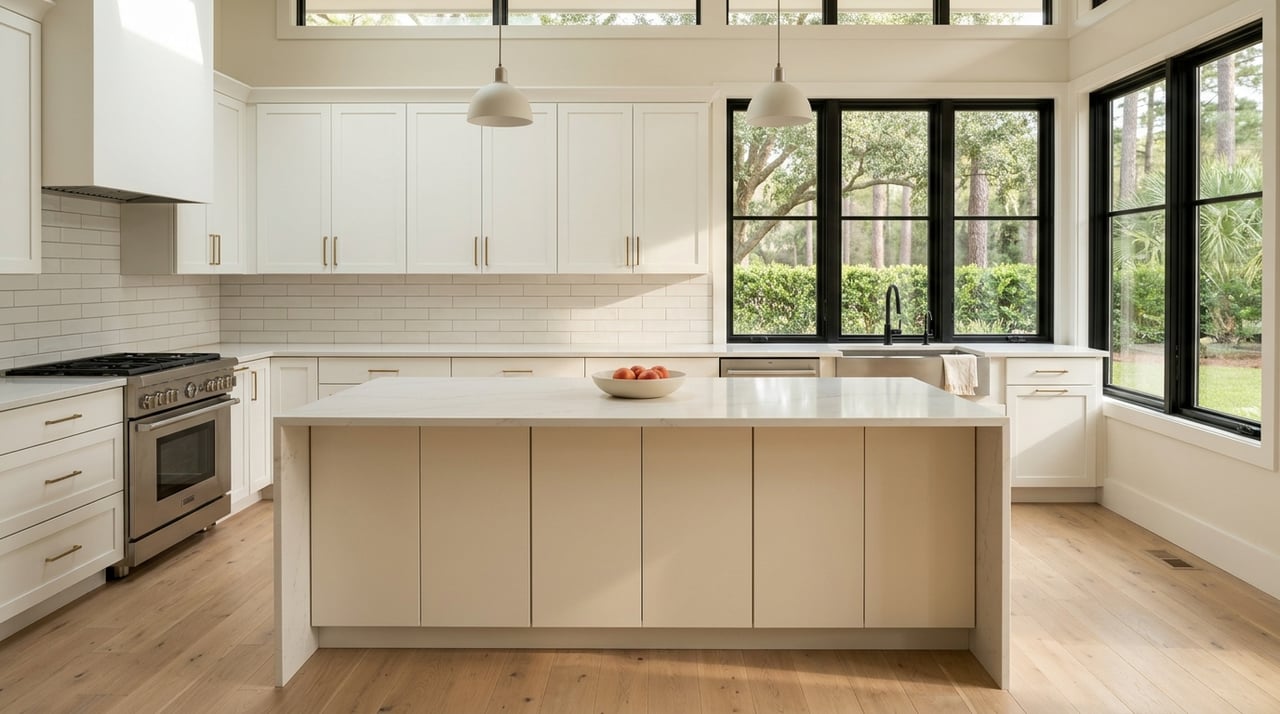
- Kitchen and bath refreshes
- Repairing worn flooring or finishes
- Replacing dated or damaged hardware
- Addressing deferred exterior maintenance
The same NAR report notes that a new steel door showed 100% cost recovery in its examples, which reinforces a broader point: visible, practical improvements often outperform big-ticket overhauls.
If you are selling in one of Gainesville’s older areas, buyers may be especially alert to signs of deferred maintenance. Clean lines, fresh surfaces, and obvious care can help your home feel worth the premium.
Check historic district rules early
If your home is in a historic district or on the Local Register, do not start exterior work without confirming whether approval is required. The City of Gainesville’s historic preservation rules say design review applies to certain properties in historic districts or on the Local Register.
That can affect projects such as:
- Window changes
- Trim replacement
- Exterior materials
- Visible facade updates
- Other exterior alterations
This step matters because the wrong improvement can delay your timeline or create unnecessary cost. It is also smart to remember that, as noted in the city’s housing action plan, homes built before 1978 may contain lead paint, which can affect planning for prep work.
Make the listing shine online
Your first showing usually happens online. That is especially true for high-end homes, where buyers often screen properties carefully before they ever schedule a visit.
The NAR generational trends report found that among buyers who used the internet, photos were the most useful website feature at 83%, followed by detailed property information at 79%, floor plans at 57%, and virtual tours at 41%.
Use visuals that support value
For a higher-end Gainesville home, your marketing should highlight the features buyers care about most at first glance:
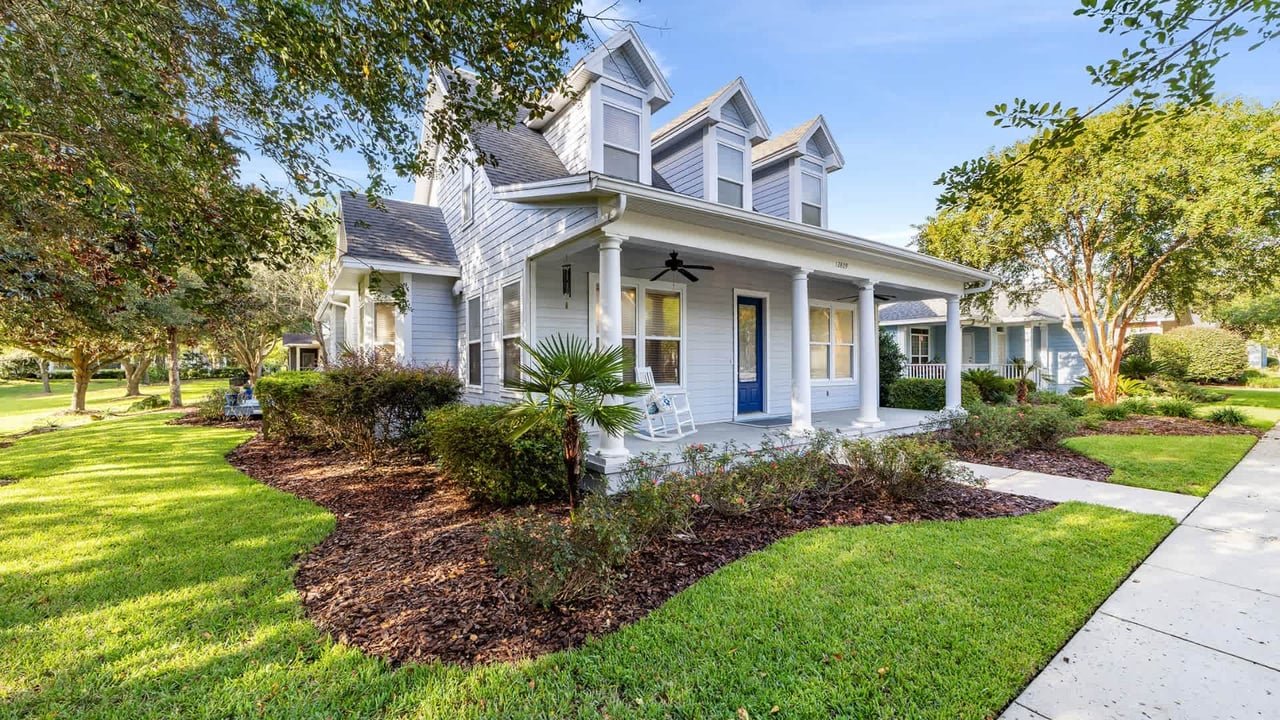
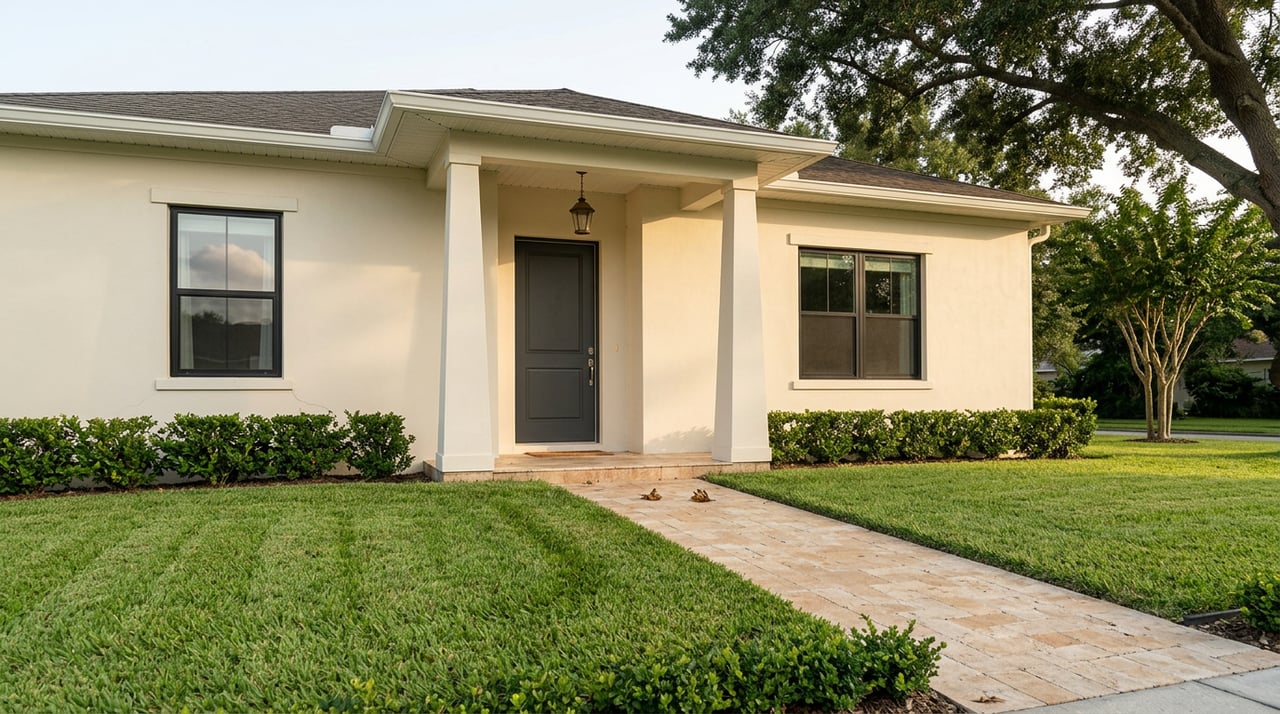
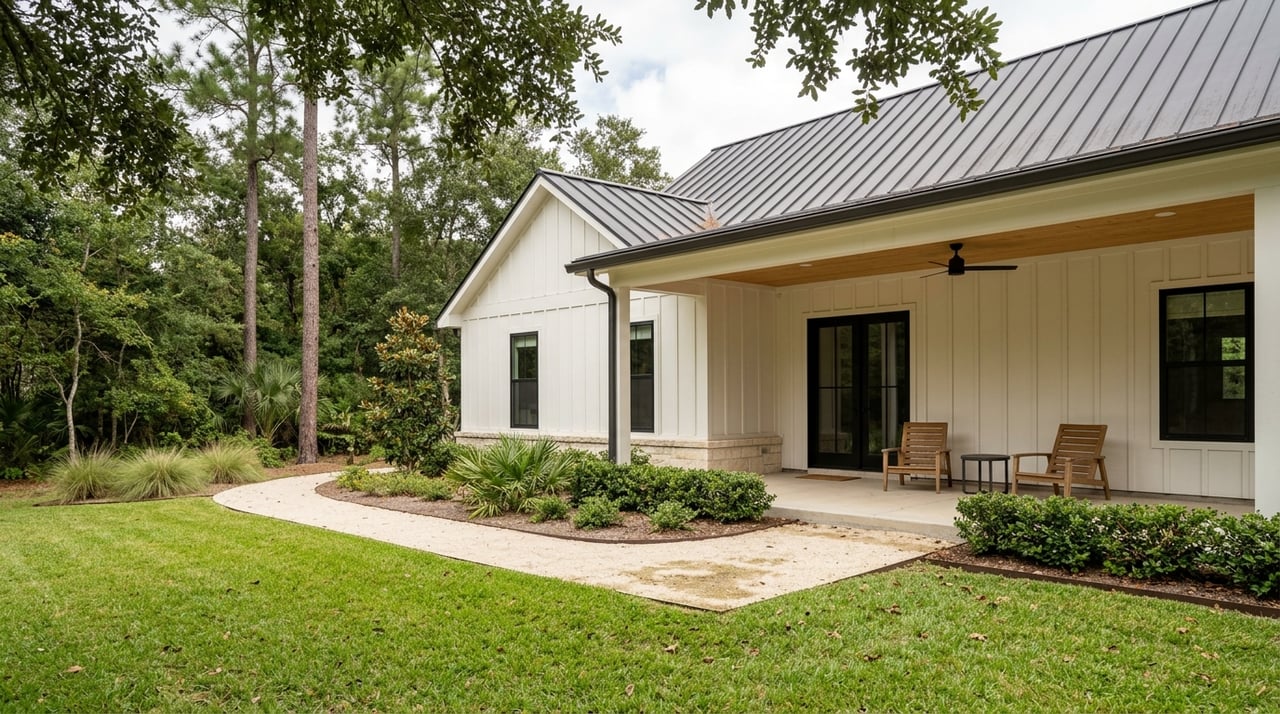
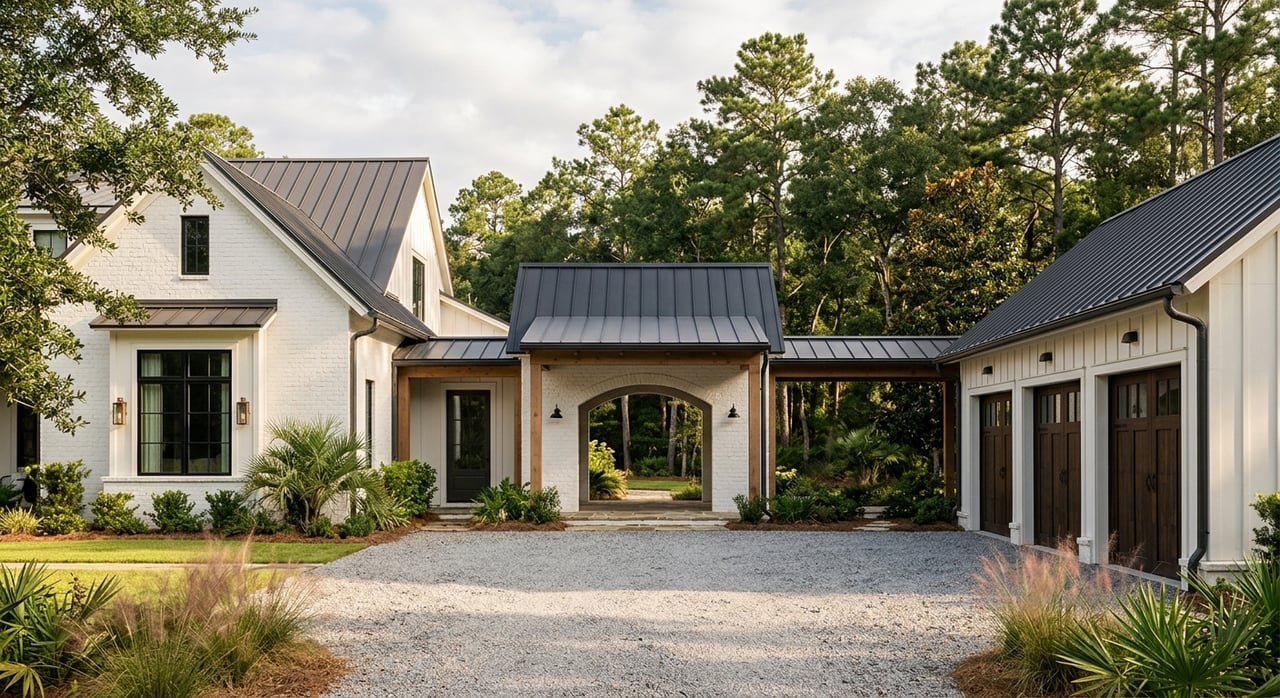
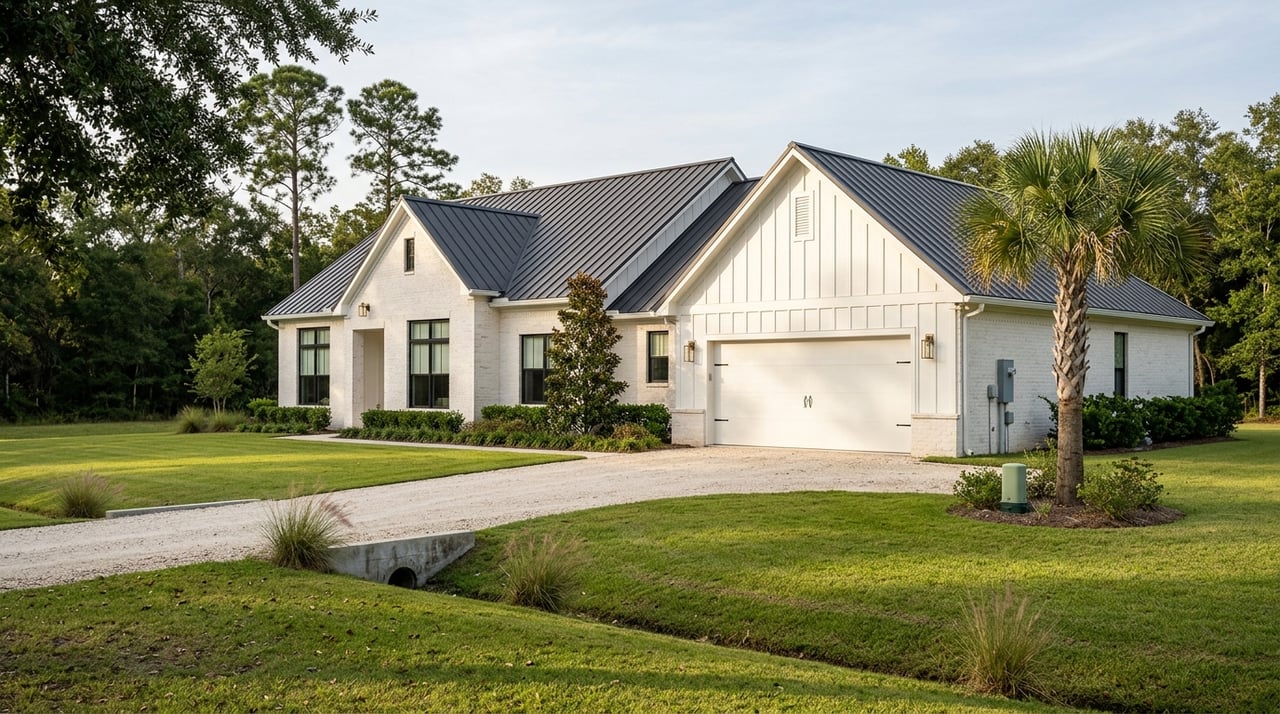
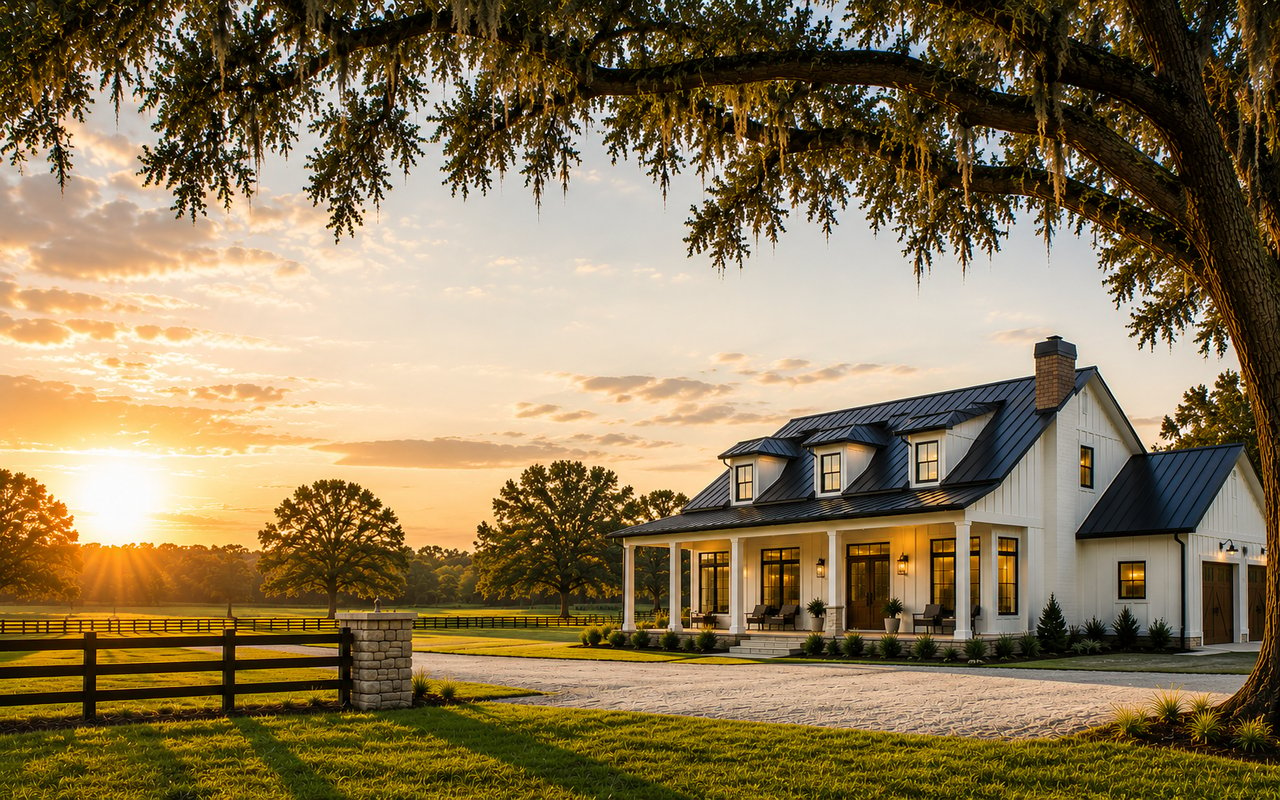
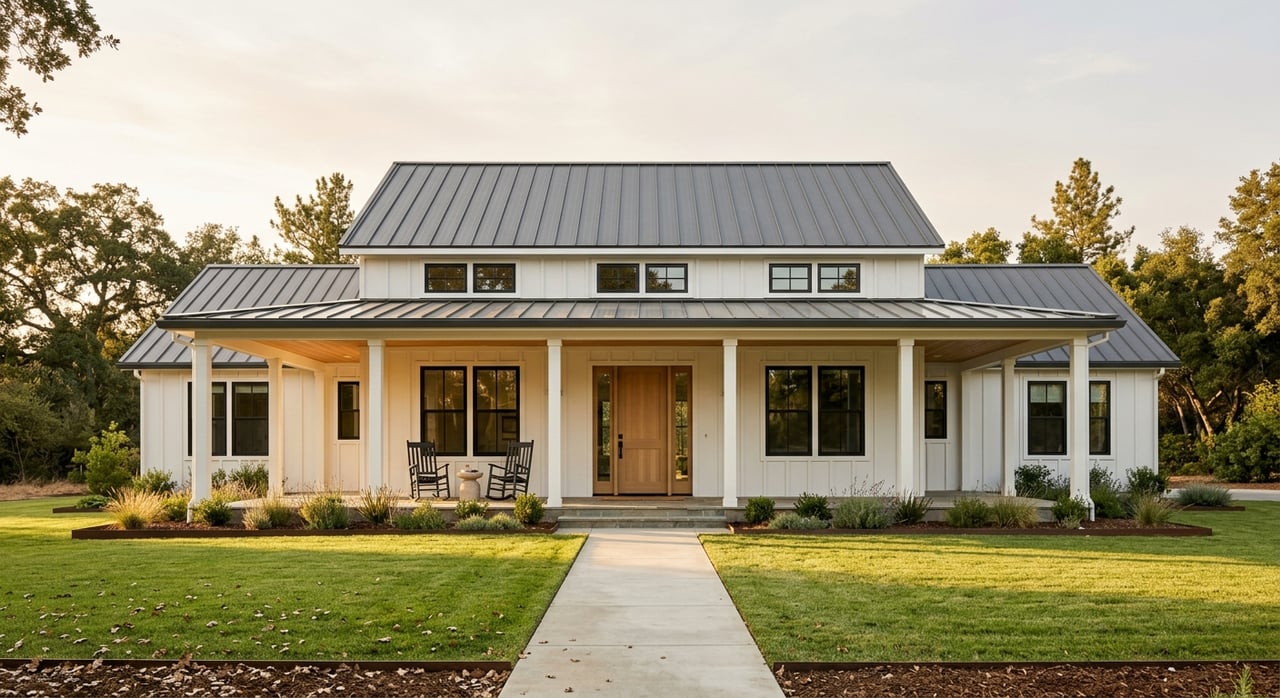
- Strong curb appeal
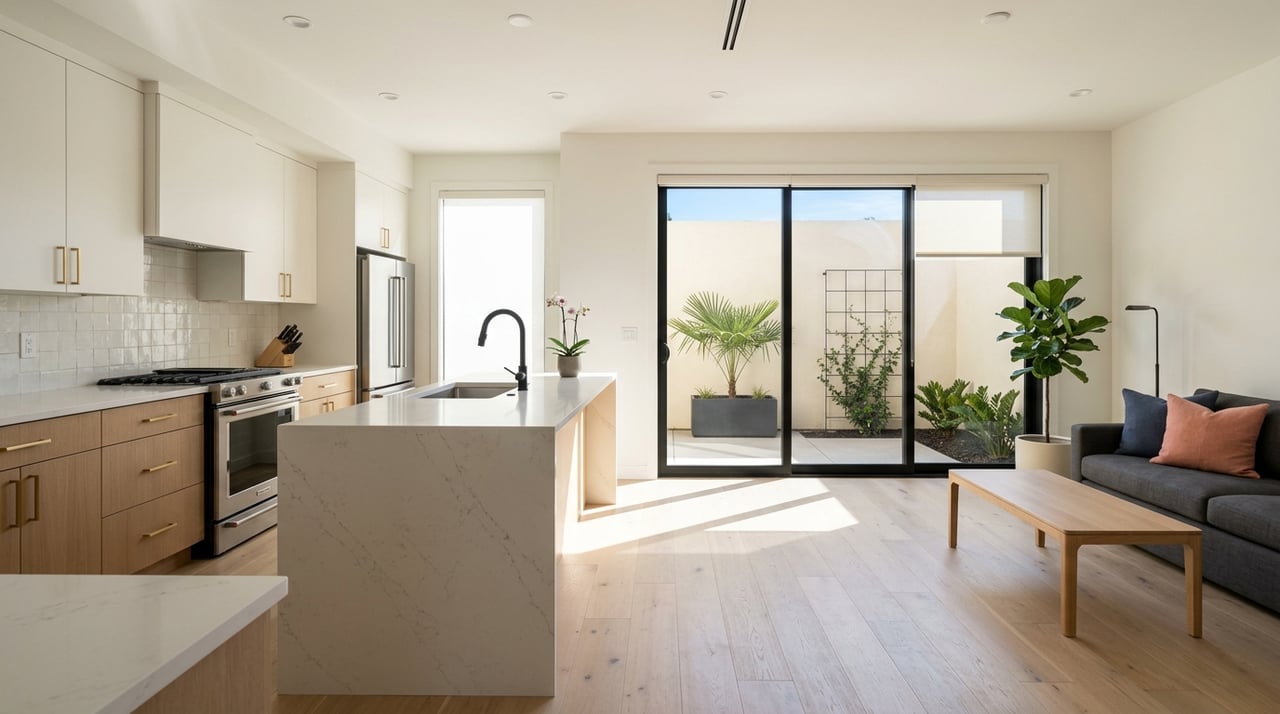
- Main living areas
- The kitchen
- The primary suite
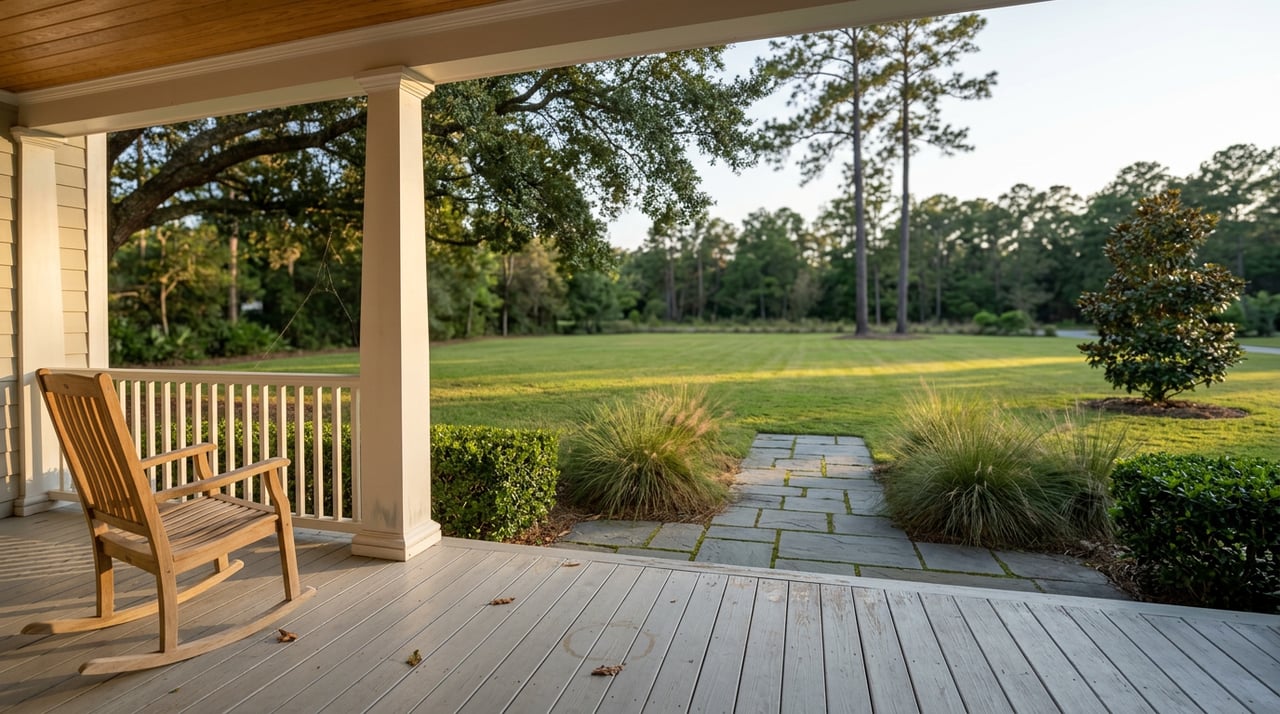
- Outdoor living spaces
- Architectural details
- Lot features and mature landscape if they are a draw
Detailed property information also matters. Buyers want to understand what makes the home special, what has been updated, and how the layout lives day to day.
Stage for how buyers actually shop
Staging is not about making your home look generic. It is about helping buyers understand the scale, function, and comfort of the space.
According to NAR staging research in the same buyers and sellers report, 83% of buyers’ agents said staging makes it easier for buyers to visualize a future home. The most commonly staged rooms were the living room, primary bedroom, and dining room, with outdoor and yard space also showing up as a staged area.
Stage the rooms that matter most
If you want the strongest return on staging effort, start with:
- Living room
- Primary bedroom
- Dining room
- Key outdoor entertaining areas
For established Gainesville homes, this can be especially helpful when rooms have unique proportions or older floorplans. Good staging helps buyers see purpose and flow instead of focusing on what feels unfamiliar.
Keep showings simple and polished
Once the home is live, showing readiness matters. Even a beautifully updated property can lose momentum if it feels crowded, dim, or overly personal in person.
The NAR seller showing checklist recommends clearing counters, wiping down surfaces, hiding valuables and medications, opening window treatments, turning on all lights, and taking pets with you.
Create a clean, neutral experience
Before each showing, aim for a home that feels:
- Bright
- Clean
- Uncluttered
- Calm
- Easy to walk through
Luxury buyers notice details quickly. Odors, heavy personalization, clutter, or dark rooms can make even a strong home feel less turnkey.
Handle disclosures with care
Older and custom homes often come with more history, and that means disclosure discipline matters. In Florida, sellers must disclose known facts that materially affect value and are not readily observable, even in an as-is sale.
The Florida Realtors disclosure law summary also notes that flood disclosure must be provided at or before contract execution, and pending code-enforcement matters may require separate written disclosure.
Surface issues before they become problems
A smooth transaction often starts with being proactive. That may include:
- Identifying known material issues early
- Gathering repair receipts and service records
- Confirming whether there are pending code matters
- Preparing required disclosures on time
For established Gainesville homes, surprises late in the process can be especially costly. Early transparency helps build trust and reduces the chance of renegotiation after inspections.
What high-end Gainesville sellers should remember
If you are selling in one of Gainesville’s established areas, your home may already have what many buyers want: location, character, and a sense of place. But in a market where many homes sell below list and buyers are less willing to overlook condition, success usually comes from disciplined pricing, focused preparation, strong visuals, and a clean transaction process.
That is where local guidance can make a real difference. A boutique brokerage with pricing discipline, polished presentation, and experience with distinctive properties can help you make smart decisions before your home ever hits the market.
If you are thinking about your next move, Anson Properties can help you evaluate your home’s position, refine your pricing strategy, and prepare it to stand out with confidence.
FAQs
What should you fix before selling a high-end home in Gainesville?
- Focus on visible, practical items such as paint, roofing concerns, worn surfaces, kitchen and bath refreshes, and deferred maintenance that may make the home feel less move-in ready.
How should you price a luxury home in Gainesville’s established areas?
- Price should be based on comparable sales, condition, location, amenities, and current market conditions rather than broad neighborhood averages or seller expectations alone.
Do historic district rules affect home updates in Gainesville?
- Yes. If your home is in a historic district or on the Local Register, some exterior changes may require design review before work begins.
Why does staging matter when selling an established Gainesville home?
- Staging helps buyers visualize how the home lives, especially in properties with unique room shapes, older layouts, or distinctive architectural features.
What disclosures matter when selling an older home in Florida?
- Florida sellers must disclose known material facts that affect value and are not readily observable, and they may also need to provide flood and code-enforcement disclosures depending on the property and situation.