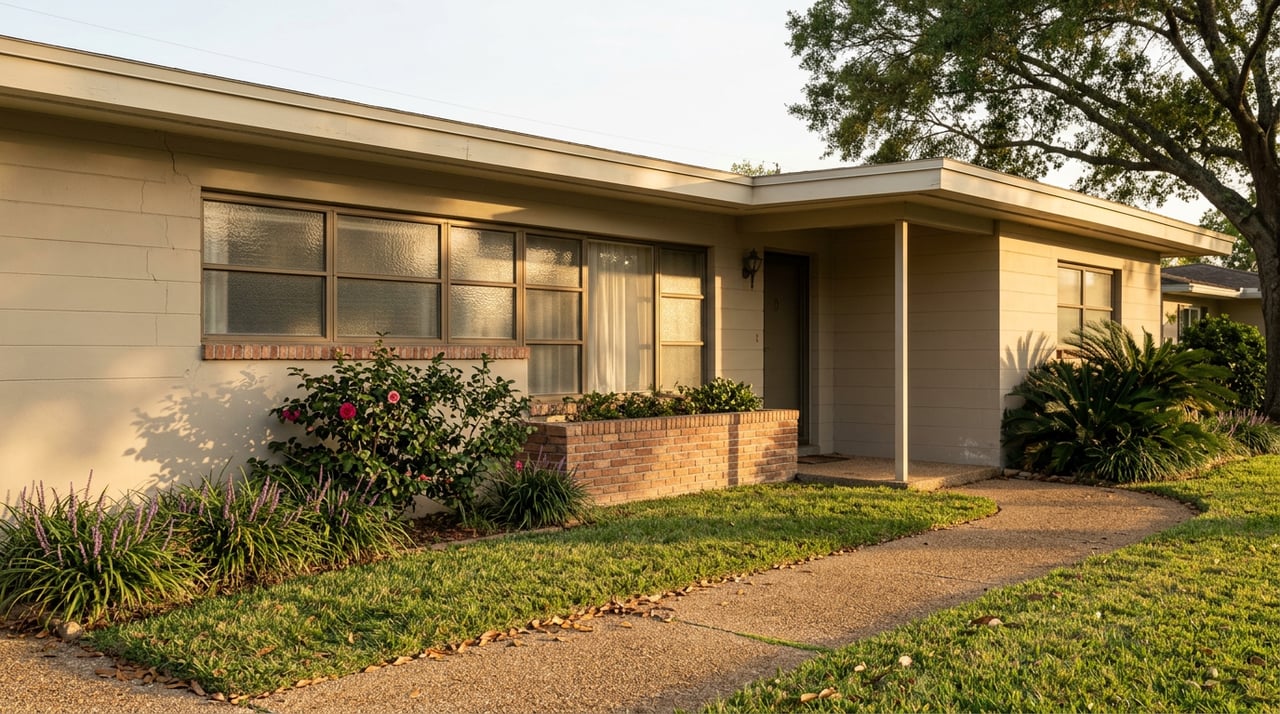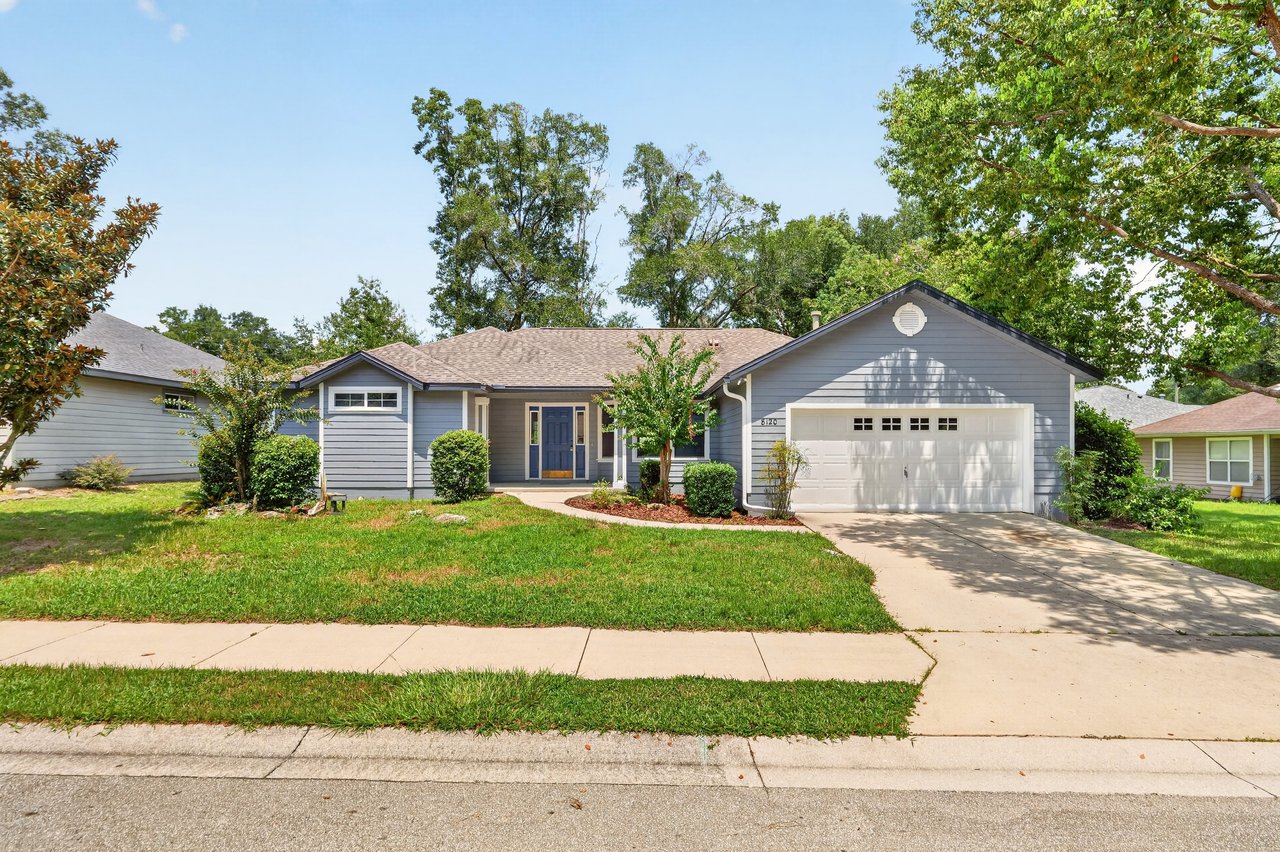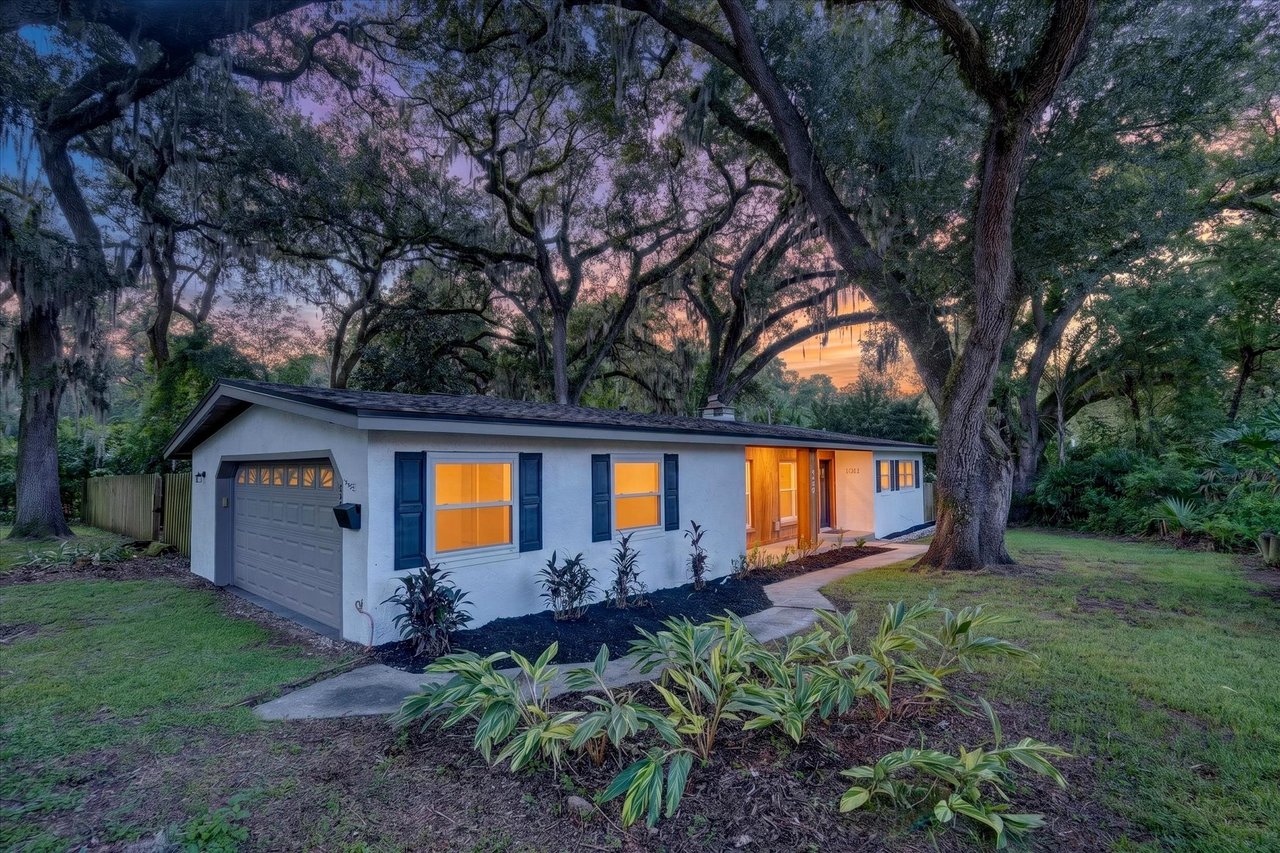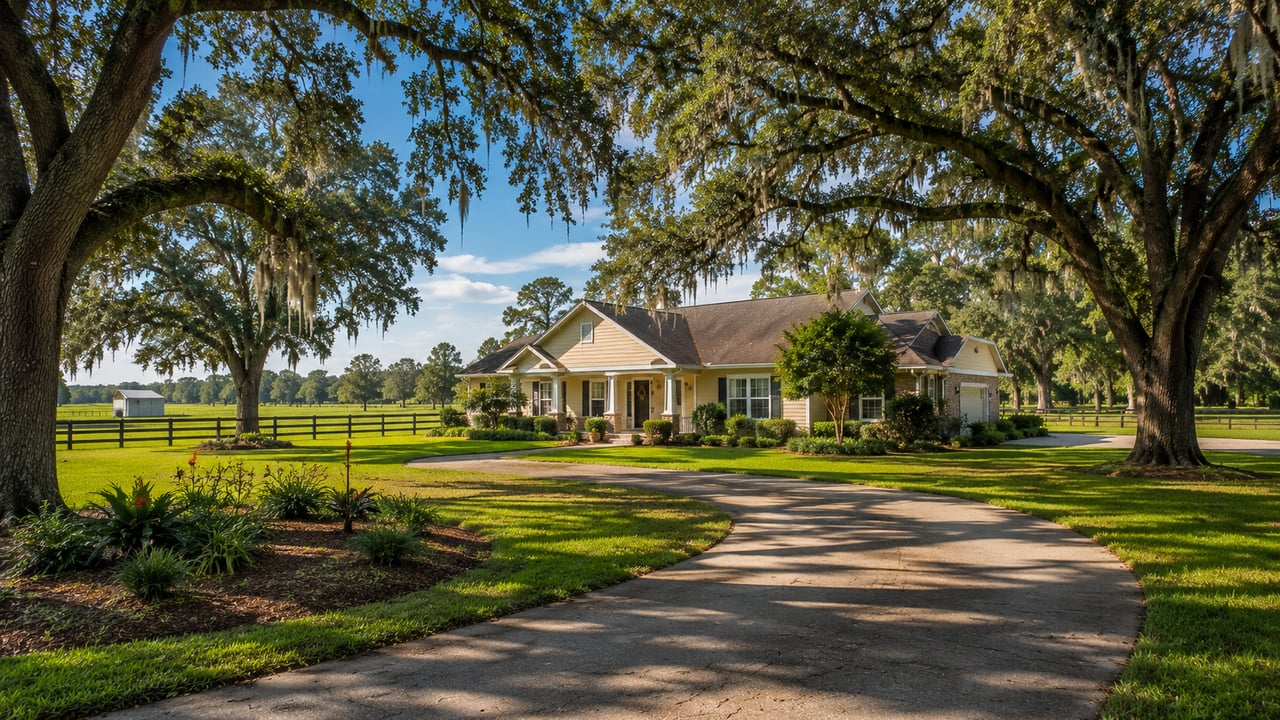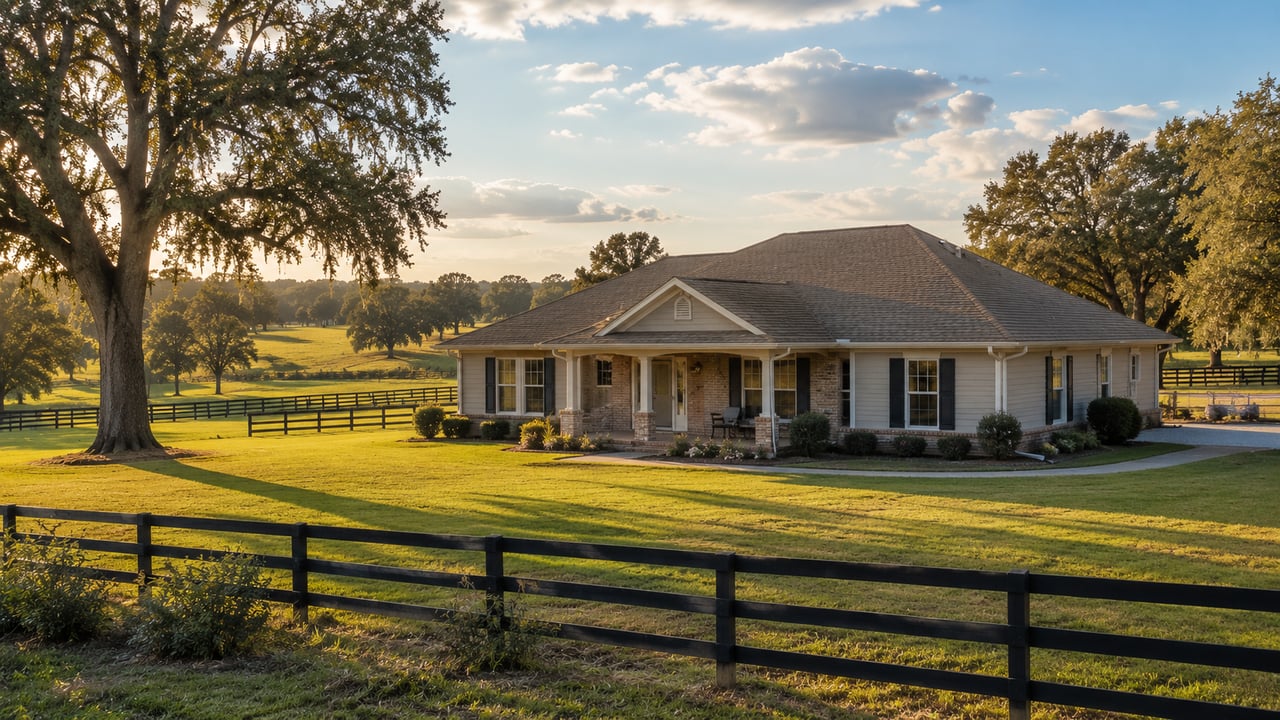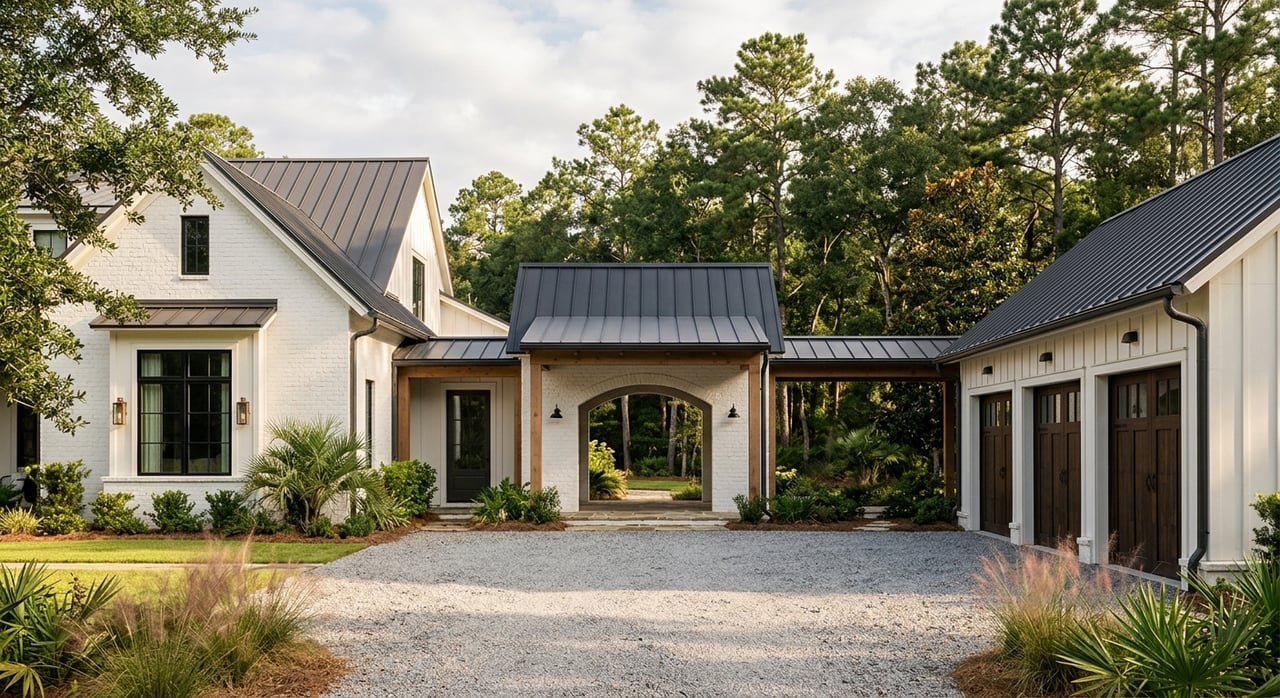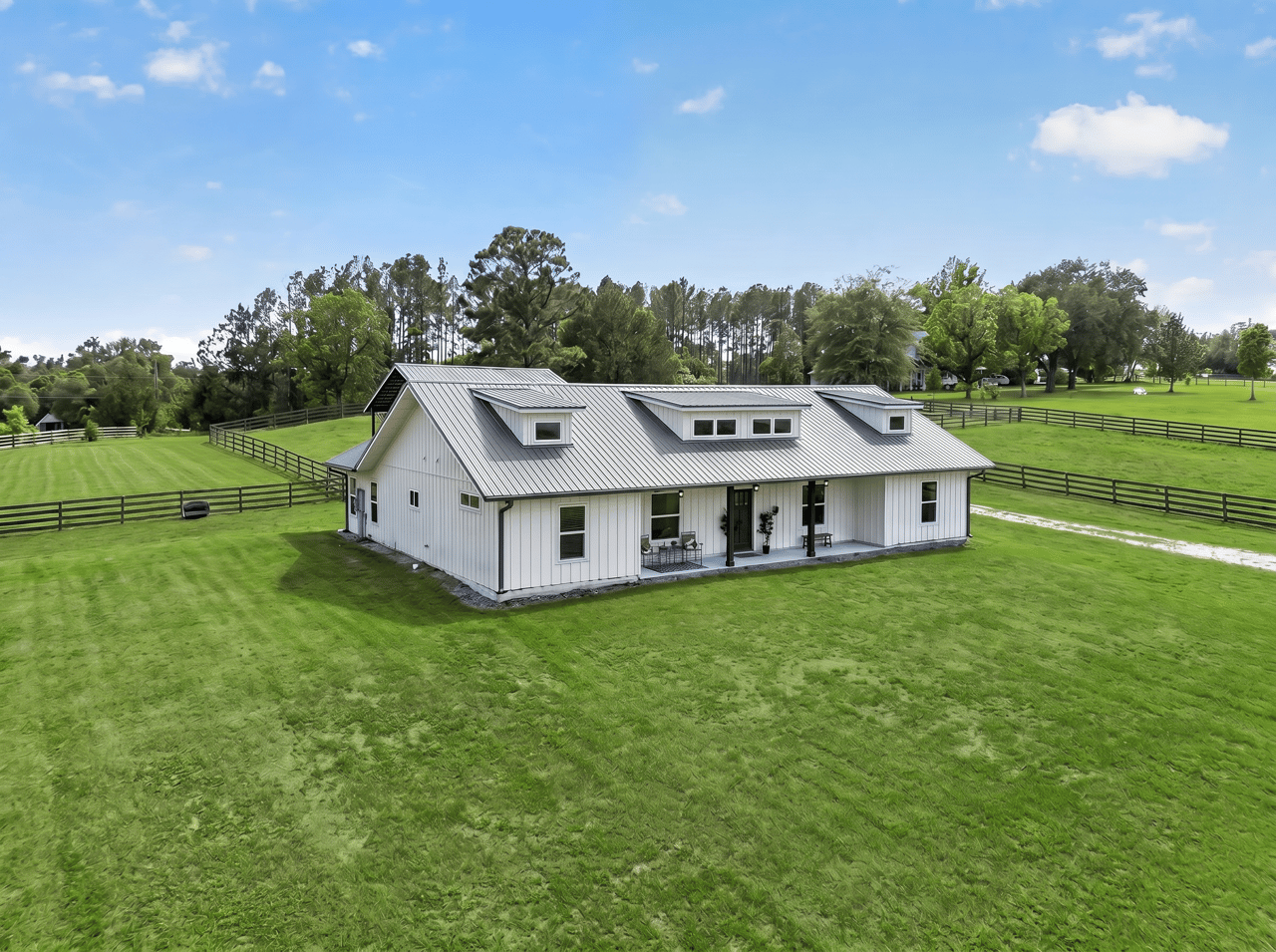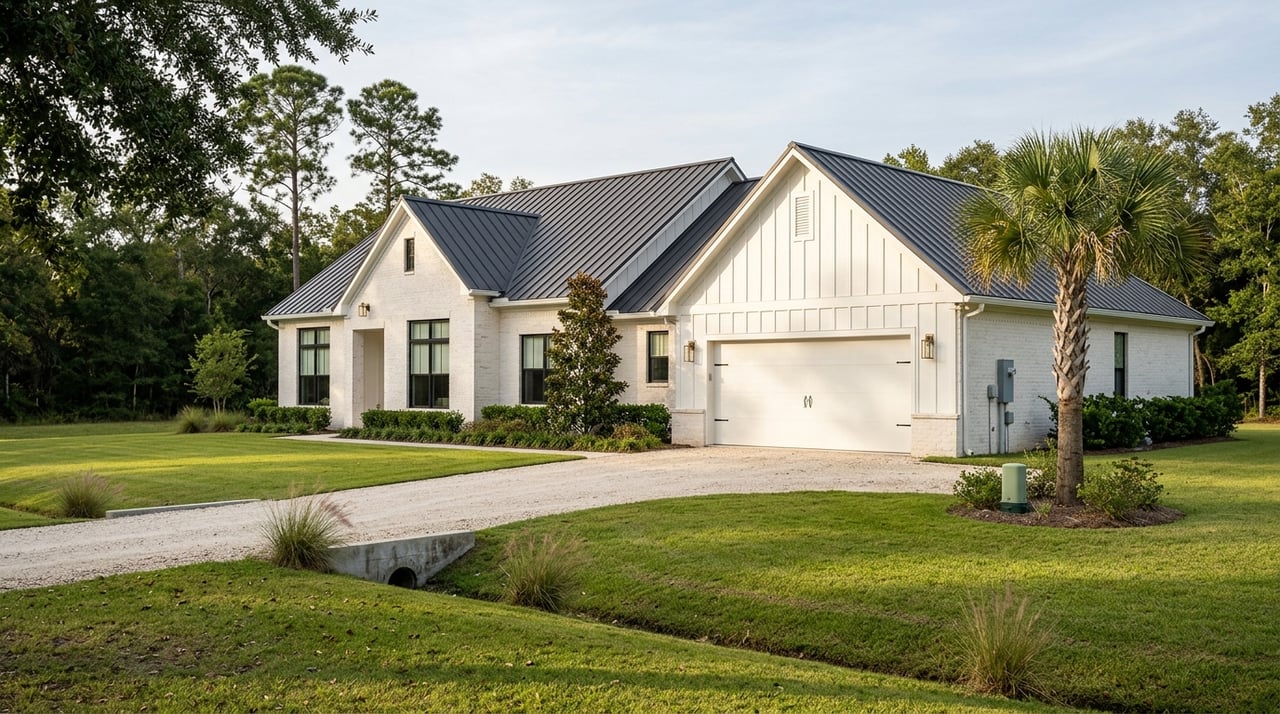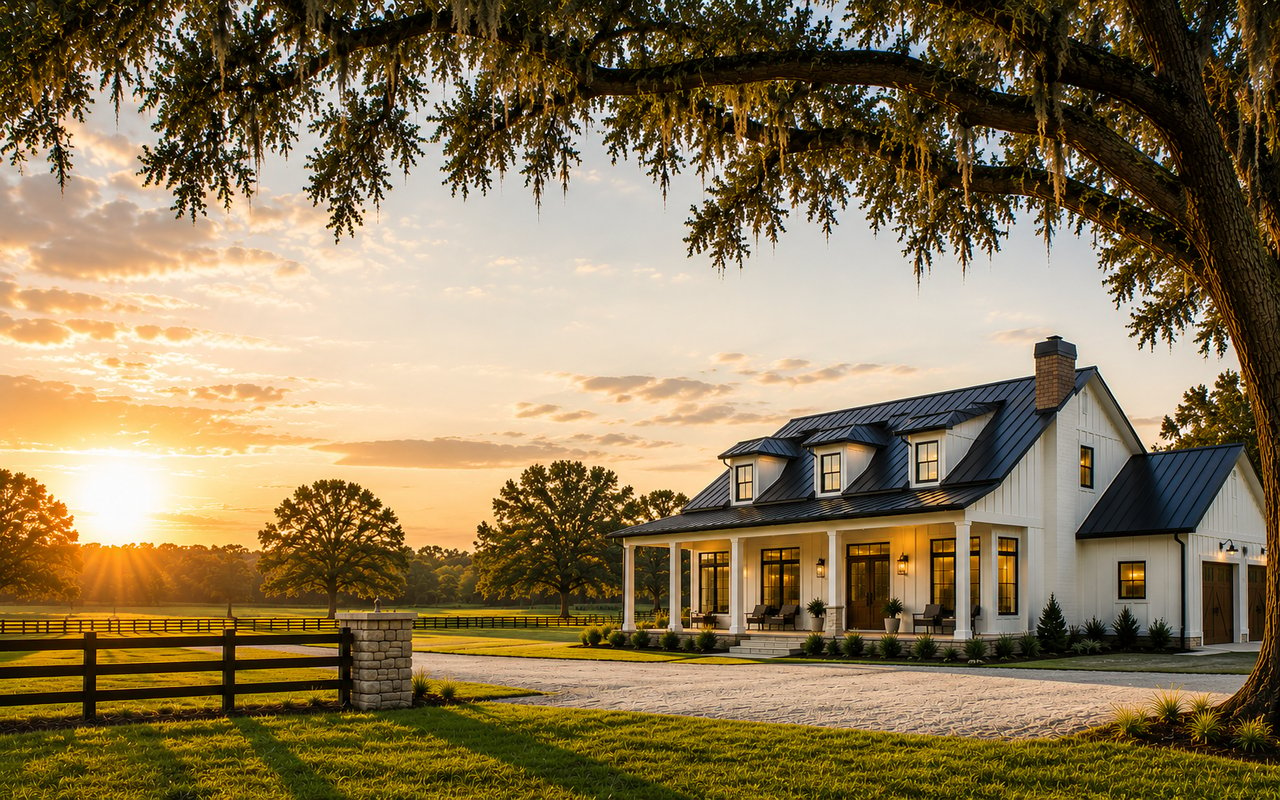
Buying horse property in Ocala is exciting, but it is also more complex than buying a typical home. You are not just choosing a house and a few acres. You are evaluating turnout space, drainage, zoning, water, fencing, barn infrastructure, and how the property will function day to day for both horses and people. If you want to buy with more confidence, this guide walks you through the key checks that matter most in Ocala and Marion County. Let’s dive in.
Why Ocala draws equestrian buyers
Ocala and Marion County have a strong equestrian identity, and that affects what many buyers want from a property. The county describes itself as the Horse Capital of the World®, noting its large horse population, extensive equine acreage, and broad support network that includes veterinarians, tack and feed suppliers, blacksmiths, equine dentists, and transportation services.
That local ecosystem adds real value if you plan to ride, train, board, or compete. Buyers are also drawn to the area because of major equestrian destinations like the World Equestrian Center – Ocala show calendar and the Florida Horse Park, along with the nearby UF/IFAS Equine Science Center.
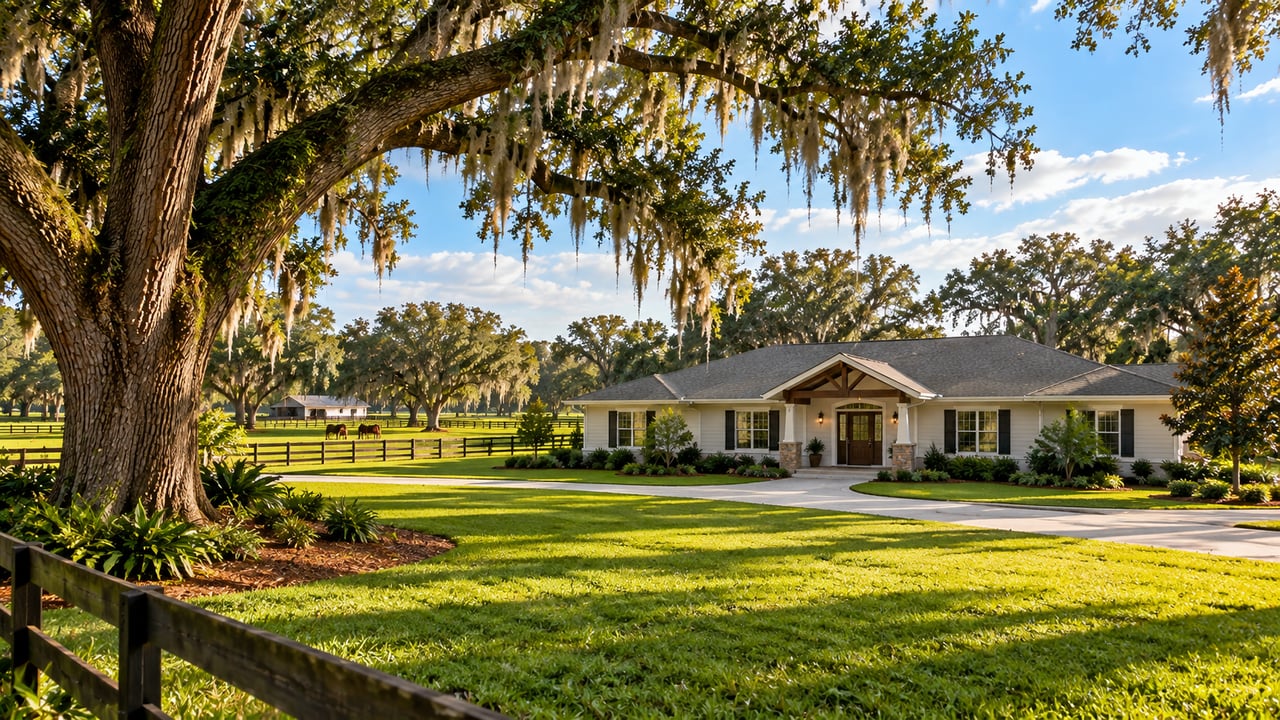
In practical terms, an Ocala horse property is more than a residence. It may also serve as a training base, a turnout system, a manure-management site, and a haul-out point. That is why it helps to look beyond curb appeal and focus on how the land and improvements will perform.
Start with your riding goals
Before you tour properties, define how you want the property to function. Your needs will look different if you want a private setup for a few horses versus a property that supports regular training, hauling, or hosting clients.
Think about your non-negotiables first. That may include stall count, turnout layout, arena space, trailer access, room for future improvements, or proximity to venues where you ride or show. Clear goals make it easier to sort through listings and avoid paying for features you do not need.
Check zoning before you fall in love
One of the most important early steps is confirming whether the property actually supports your intended use. In Marion County, zoning categories such as A-1 General Agriculture and A-2 Improved Agriculture explicitly allow agricultural production involving livestock, including horses.
Some residential categories can also allow horses for personal use, but the details matter. Under certain RR-1, R-E, and special-use standards, Marion County applies pasture-area minimums, horse-per-acre limits, and parcel-specific rules. That means you should confirm the exact parcel’s allowable use, horse count, and any restrictions before moving forward.
This is especially important if you plan to add barns, expand fencing, increase the number of horses, or use the property in a more active equestrian capacity. A property that looks ideal on paper may not match your intended use without additional approvals.
Match acreage to actual horse use
“How much land do I need?” is one of the most common questions equestrian buyers ask. According to UF/IFAS pasture guidance, a mature 1,100-pound horse may require about 2 to 2.5 acres of average bahiagrass pasture. On more productive sites, such as well-fertilized bermudagrass or winter-forage acreage, 1 to 1.5 acres may be enough.
That benchmark is useful, but it is not the whole story. The right amount of land also depends on drainage, forage quality, pasture management, turnout rotation, and whether your horses will spend significant time in stalls, dry lots, or work areas.
A smaller parcel can still work in some cases, especially if local zoning allows horses and the layout is efficient. But you will want to look closely at usable pasture, not just total acreage on the listing sheet.
Evaluate pasture and drainage carefully
In Ocala, good pasture starts with good drainage. UF/IFAS notes that drainage is a critical part of horse pasture planning, and poor drainage can affect grazing quality, footing, weeds, and long-term maintenance.
The same UF/IFAS guidance on horse pastures recommends soil sampling, choosing forage suited to the site, and using mowing, liming, fertilization, and grazing management to keep pasture productive. Bahiagrass is common in Florida because it tolerates a wide range of drainage conditions, while other grasses may be better suited to more specific site conditions.
When you walk a property, look for worn-down areas, muddy gates, uneven turnout, signs of overgrazing, or standing water after rain. Overgrazed or poorly managed pastures are more likely to develop weeds and toxic plants, so current condition matters.
Look beyond the barn doors
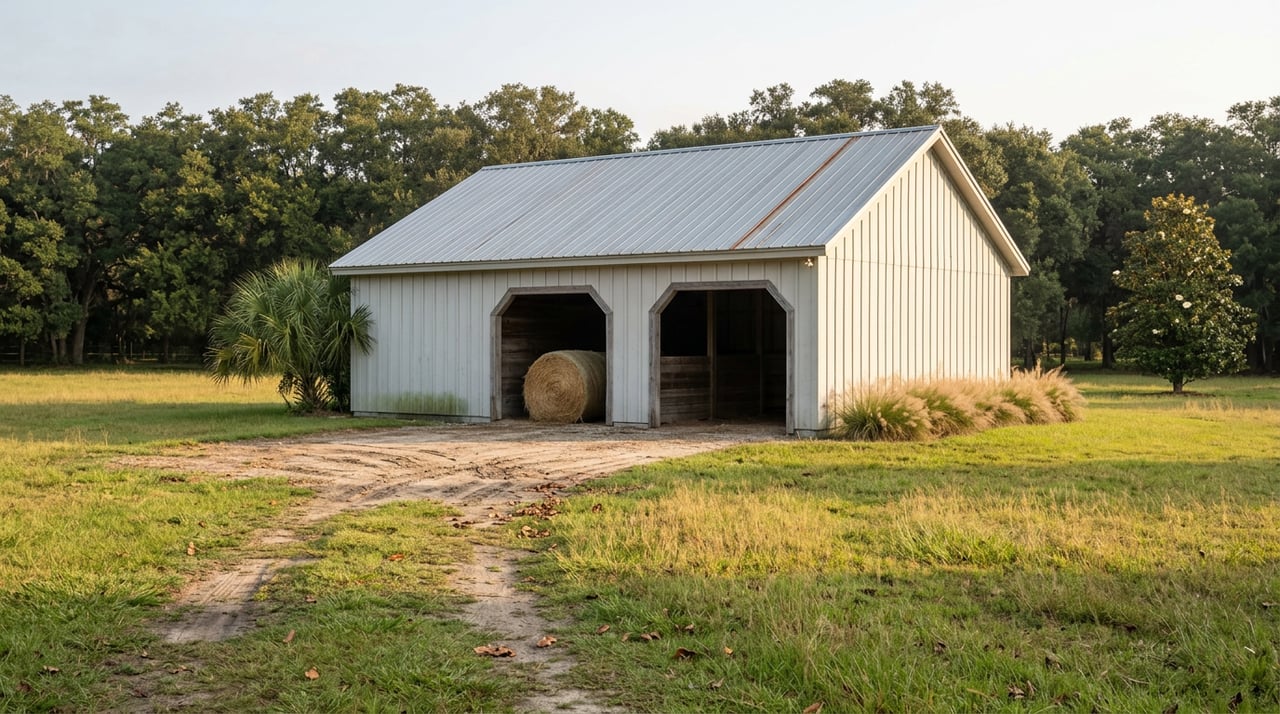
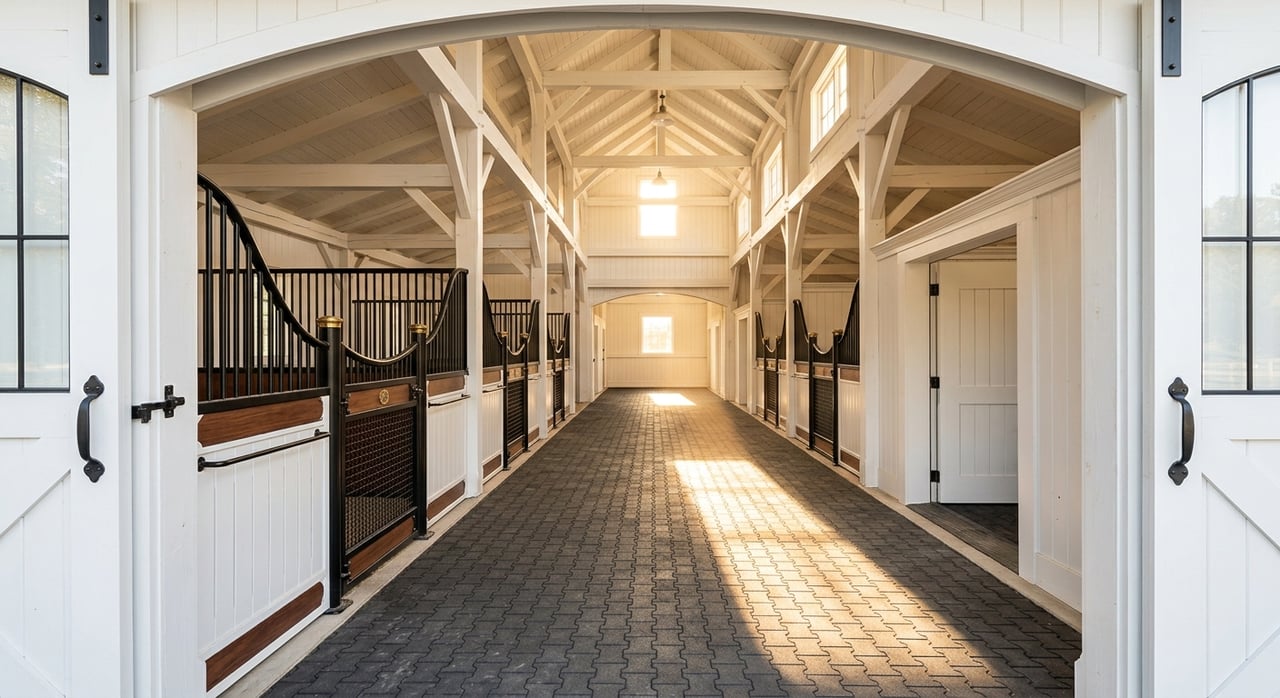
A barn can photograph beautifully and still create expensive issues after closing. As you evaluate barns, stalls, fencing, arenas, and turnout areas, think about safety, ventilation, access, drainage, and how the entire setup works together.
If the property includes an arena or training space, compare what is there to your actual riding needs. In the local market, many buyers use major venues like World Equestrian Center – Ocala as a reference point for quality standards such as reliable footing, dedicated warm-up areas, and practical training infrastructure.
You should also ask about the history of improvements. Arena footing, culverts, swales, fencing, and drainage work can have a major impact on both cost and function, so records and maintenance history are worth requesting during due diligence.
Understand barns, fences, and permits
Many buyers assume that agricultural zoning means every farm improvement is automatically exempt from oversight. That is not always the case. Under Florida Statute 604.50, qualifying nonresidential farm buildings, farm fences, and farm signs on bona fide agricultural land may be exempt from the Florida Building Code and certain local code or fee requirements.
However, that exemption does not override floodplain-management rules. If any structure or improvement is in a special flood hazard area, county permits and elevation documentation may still be required.
The key takeaway is simple: do not assume “ag exempt” answers every permitting question. Ask for permit records, exemption documentation, and any flood-related approvals tied to barns, arenas, fencing, or other improvements.
Review floodplain risk early
Ocala is inland, but flood risk still matters. Marion County notes that while its elevation helps reduce large-scale flooding, flash flooding remains a concern in low-lying and near-water areas.
This matters for horse properties because barns, paddocks, manure areas, and access roads can all be affected by stormwater movement. Marion County also states that building in a special flood hazard area requires a permit, and the process may include elevation-certificate documentation.
Even if the current improvements seem fine, you will want to understand how water moves across the site and whether any future plans could trigger floodplain review. This is one reason buyers should study the parcel carefully before closing.
Use maps, but verify with a survey
County mapping tools are useful for a first pass, but they are not enough on their own. Marion County’s GIS parcel and flood-zone tools provide a helpful overview of parcel boundaries and flood data, but the county also notes that these boundaries are general representations and not legal descriptions.
For an equestrian purchase, a current survey and title review are especially important. They can help you confirm boundary lines, access points, easements, and whether existing barns, fences, or entrances sit where you think they do.
This is also useful if you may want to add future improvements. A clean understanding of legal access and usable land can prevent costly surprises later.
Test the well and inspect the septic
If the property has a private well, do not treat that as a minor detail. The Florida Department of Health says private well owners should test for bacteria and nitrate at least once per year, and its general recommendation also includes lead. The state does not require private-well sampling when a home is sold, so buyers often need to request recent reports or order their own testing.
That step matters even more on horse property because contamination can come from livestock areas, fertilizer use, poorly maintained septic systems, or poorly constructed wells. Water quality is a daily-use issue, not just a closing-day checkbox.
If the property uses septic, the Florida Department of Health also recommends a voluntary septic inspection during the purchase process. A licensed professional can evaluate the tank and drainfield and identify issues that may affect negotiations or future repair costs.
Ask about manure and mosquito control
Horse properties need a practical plan for manure and runoff. UF/IFAS advises that manure storage should be placed on flat, dry ground away from waterbodies and flood-prone areas, with a buffer zone and an impervious or semi-impervious base.
That setup can affect both maintenance and environmental risk. During your due diligence period, ask where manure is stored, how often it is removed, and whether the site has any drainage concerns near the barn or turnout areas.
Standing water is another issue to watch. According to UF/IFAS mosquito guidance, reducing persistent puddles and eliminating water-holding spots around stables can help manage mosquito pressure. If you see wet areas that linger, ask more questions.
Build a stronger due diligence checklist
Horse properties usually need a more detailed contract and inspection process than standard residential homes. In addition to the home itself, you are evaluating systems, land use, and improvements that can be expensive to correct after closing.
A smart due diligence checklist often includes:
- zoning confirmation for your intended horse count and use
- permit or exemption records for barns, arenas, and fences
- floodplain permits or elevation certificates if applicable
- recent well-water testing results
- septic inspection and maintenance documentation
- drainage, swale, culvert, and arena-footing history
- pasture management, weed-control, and manure-storage records
- survey, boundary, easement, and access review
Working through these items early can save time, money, and frustration. It also puts you in a stronger position if you need to renegotiate based on what inspections uncover.
Work with local guidance that fits acreage purchases
Buying equestrian property in Ocala is rarely just about price per square foot. It is about whether the land, zoning, infrastructure, and water systems support the lifestyle and horse use you have in mind.
That is where local, detail-oriented guidance matters. If you are considering horse property in Ocala or anywhere in North Central Florida, Anson Properties can help you evaluate acreage, ask better due diligence questions, and move forward with a strategy that fits your goals.
FAQs
How much land do you need for horses in Ocala?
- UF/IFAS guidance says a mature 1,100-pound horse may need about 2 to 2.5 acres of average bahiagrass pasture, though some more productive sites may support horses on less acreage.
Can you keep horses on a residential parcel in Marion County?
- In some cases, yes. Certain Marion County residential categories may allow horses for personal use, but parcel-specific rules, pasture minimums, and horse-per-acre limits can still apply under the county code.
Do ag-zoned Ocala horse properties still need permits?
- Yes, sometimes. Florida’s agricultural exemption may apply to certain farm buildings and fences, but it does not override floodplain-management requirements.
What should you inspect before buying equestrian property in Ocala?
- Focus on zoning, survey and access, floodplain issues, barns and fencing, pasture drainage, well-water testing, septic condition, and records tied to arena footing, manure storage, and site drainage.
Why is drainage important on horse property in Ocala?
- Drainage affects pasture quality, footing, turnout usability, mosquito control, and runoff management. UF/IFAS identifies soil drainage as a critical factor in horse pasture planning.