Wondering whether a condo or townhome is the smarter way to live in Gainesville? If you want a lower-maintenance home, a more approachable price point, or a location close to daily destinations, this part of the market deserves a closer look. The key is knowing how Gainesville inventory, association fees, and community rules can shape your monthly costs and day-to-day lifestyle. Let’s dive in.
Why condos and townhomes stand out
In Gainesville, condos and townhomes often offer a more affordable entry point than the broader housing market. Recent 2026 market snapshots show the city’s overall median sale price around $281,675 on Redfin, while median condo listing prices were closer to $175,000 and median townhome listing prices around $218,000. That gap helps explain why many buyers start here when they want ownership without the price tag of a detached home.
Current inventory also shows a fairly wide range of options. Condo listings have recently clustered mostly in the roughly $140,000 to $235,000 range, with some renovated or higher-end units reaching much higher. Townhome examples have recently spanned from the mid-$140,000s into the mid-$300,000s, with many active choices in the $169,000 to $275,000 range.
Where you’ll find options in Gainesville
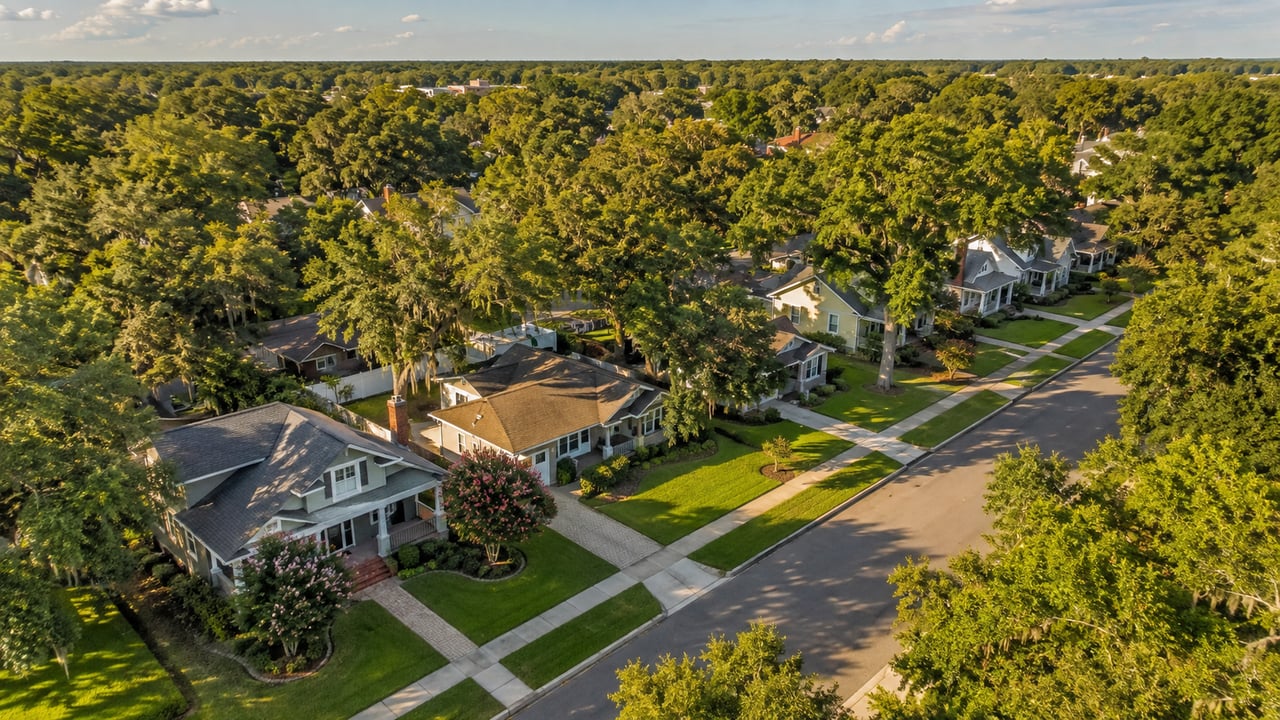
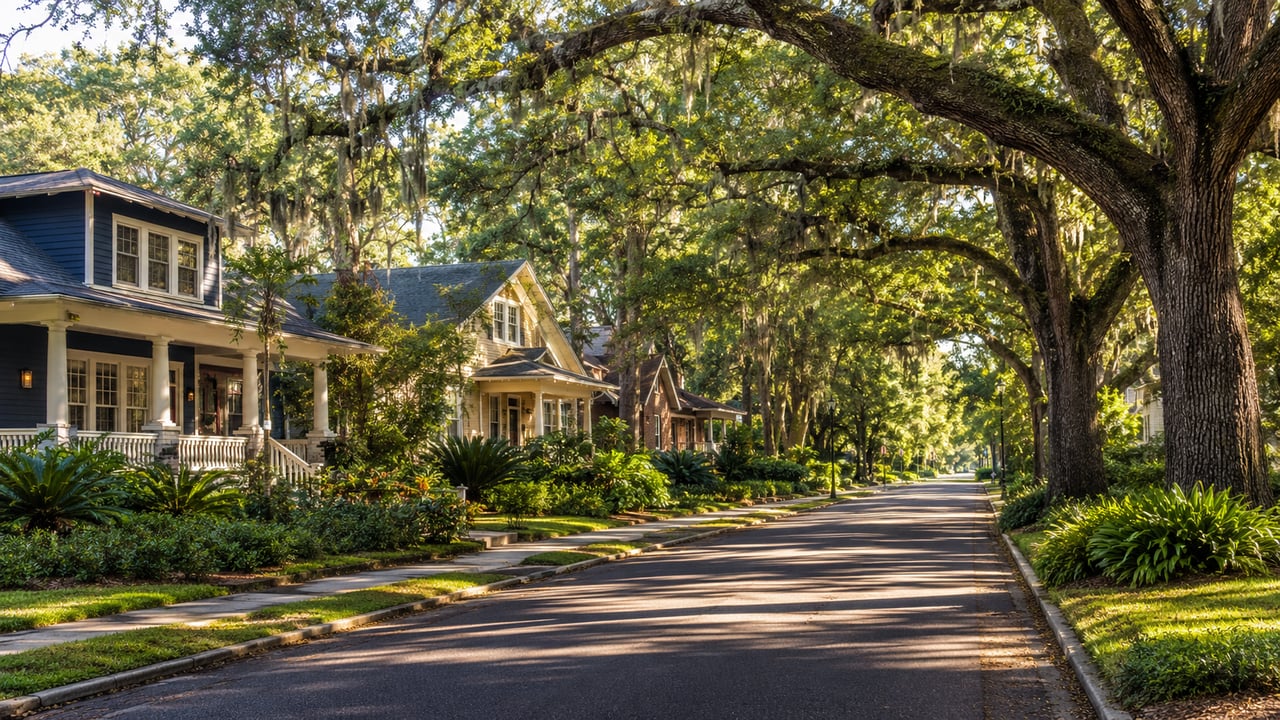
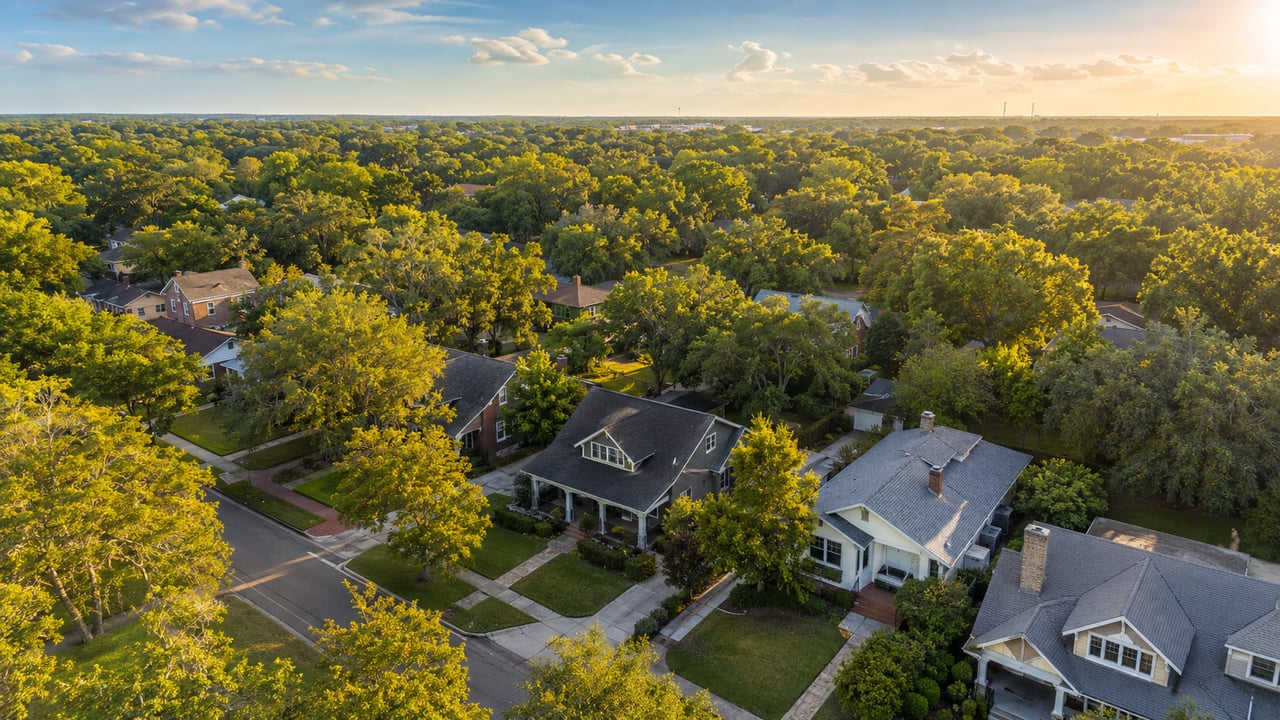
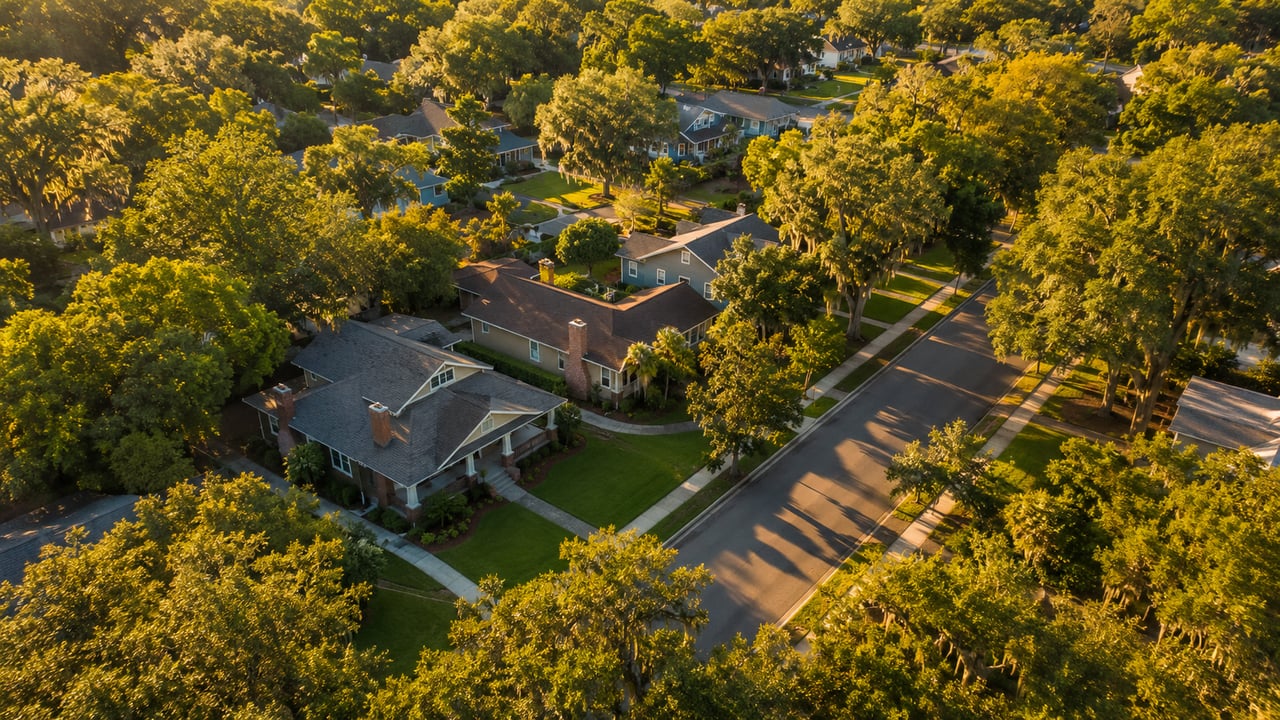
Gainesville condo and townhome inventory is spread across several parts of the city rather than concentrated in one area. Current listing patterns commonly appear near Downtown Gainesville, Duckpond, University Park, Fifth Avenue, Springhill, East Gainesville, and along the UF, Shands, and Celebration Pointe corridor. Haile Village Center also stands out for its mixed-use setting and more walkable feel.
That local variation matters because Gainesville is generally considered minimally walkable overall. In practical terms, your day-to-day experience can change a lot depending on whether you choose a home near work, campus, shopping, or restaurant areas. A well-placed condo or townhome can save time and reduce the need for a larger yard or longer drive.
Condos vs townhomes in Gainesville
Both property types can offer easier upkeep than a detached home, but they often serve slightly different priorities. In Gainesville, condos are usually the smaller, more amenity-focused, and often lower-entry-price option. Townhomes more often offer a bit more space, a little more privacy, and sometimes features like an attached garage.
That said, the line is not always perfect. Some condos offer garages, and some townhomes may have limited yard or exterior responsibility because of the association structure. The best approach is to compare the actual layout, monthly dues, and ownership rules in each community instead of relying on labels alone.
Amenities you may find
One reason buyers are drawn to this segment is the amenity mix. Current Gainesville condo and townhome communities show features such as gated access, pools, hot tubs, fitness centers, clubhouses, tennis or basketball courts, screened porches, balconies, assigned parking, and attached garages in some cases. These features appear across different price points, so you may not need to stretch to find convenience or shared amenities.
Location can shape the lifestyle appeal just as much as the amenities. Some active listings emphasize quick access to UF, Shands, the VA, I-75, downtown, and Southwest Gainesville retail. Others, such as properties in or near Haile Village Center, highlight proximity to restaurants, boutiques, and the farmers market.
What “low maintenance” really means
Many buyers hear “low maintenance” and assume the association handles almost everything outside the front door. In reality, what your dues cover can vary widely from one Gainesville community to another. Some associations cover exterior maintenance and landscaping, while others may also include roof or siding responsibility, pest control, water and sewer, internet, building insurance, or shared amenities.
That is why monthly dues should never be judged by the number alone. A higher fee may include services that reduce your out-of-pocket expenses elsewhere, while a lower fee may leave you responsible for more maintenance or future repair costs. Before you buy, you want the full picture.
Florida HOA basics for townhome buyers
Many Gainesville townhomes are governed by a homeowners’ association under Florida Chapter 720. Before contract signing, state law requires a disclosure summary that explains key points about HOA membership. That summary puts buyers on notice that membership is mandatory, recorded covenants apply, regular assessments may be due, special assessments are possible, and liens can result from nonpayment.
For you as a buyer, the practical takeaway is simple. You are not just buying the home itself. You are also agreeing to a shared set of rules, financial obligations, and maintenance responsibilities that can affect your budget and your use of the property.
Florida condo basics for condo buyers
Florida condos are governed under Chapter 718, and resale buyers are entitled to important documents. These can include the declaration, articles of incorporation, bylaws, rules, the most recent annual financial statement, the annual budget, and the FAQ document. Depending on the building, the package may also include a milestone-inspection summary and the association’s most recent structural integrity reserve study.
Those documents matter because they help you understand how the community is run and whether future costs may be looming. If the disclosure package is not delivered properly, the contract may be voidable within a short statutory window. In other words, paperwork is not just a formality here.
Why reserves and assessments matter
Florida condo budgets must follow reserve-funding rules when a structural integrity reserve study is required. Reserve amounts are then based on that study’s findings and recommendations. You do not need to memorize the statute, but you do need to understand the real-world impact.
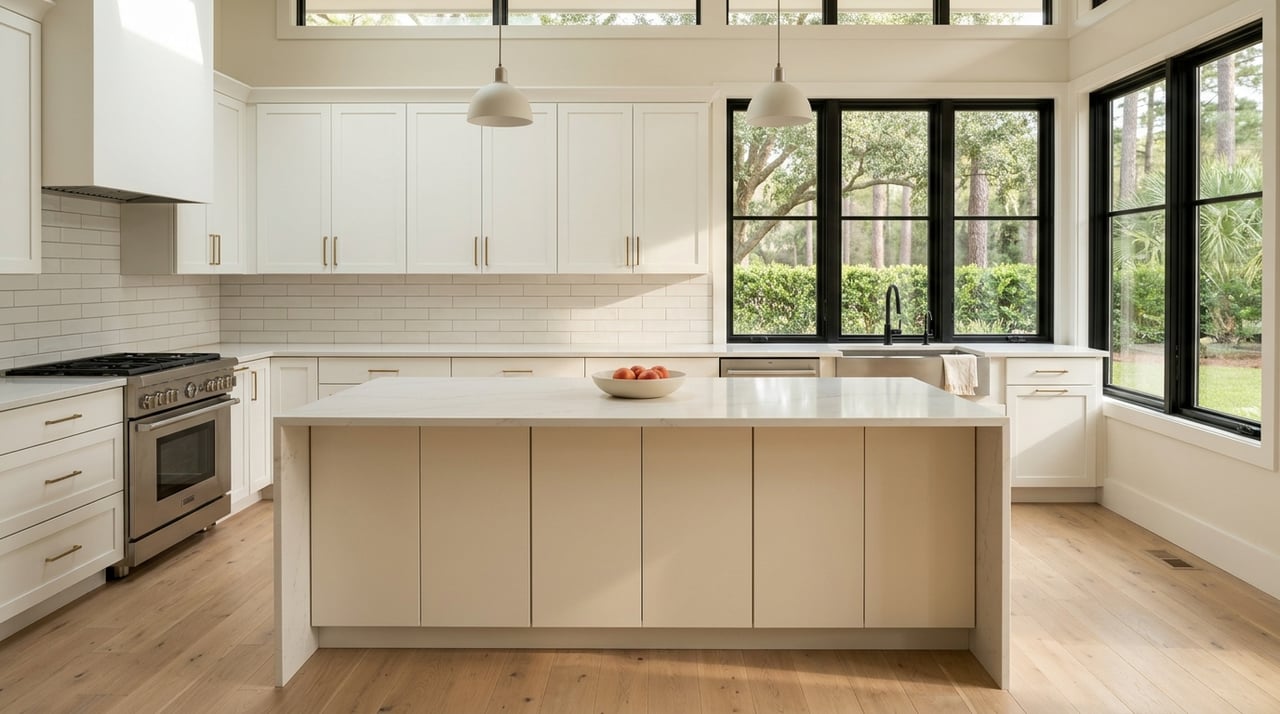
Healthy reserves can affect your confidence in the building’s long-term maintenance planning. Weak reserves or pending repairs can increase the risk of special assessments or higher monthly costs later. When you compare Gainesville condos, this part of the review can be just as important as the kitchen finishes or pool area.
Documents to review before you buy
Whether you are considering a condo or a townhome, the governing documents deserve close attention. Florida law requires official and financial records to exist and be available for inspection, which gives buyers a way to compare communities on more than appearance alone. That can be very helpful when two homes seem similar on the surface but have very different fee structures or financial health.
Focus on a few practical questions as you review each community:
- What does the monthly fee cover?
- Are there recent or pending special assessments?
- How strong are reserves or savings for future repairs?
- What maintenance is the association responsible for?
- Are there buyer approval requirements?
- What rental rules apply, if any?
Who condo living may fit best
Condos can be a strong fit if you want a smaller footprint, shared amenities, and a simpler ownership experience. In Gainesville, that often includes buyers who want to be near UF, Shands, the VA, downtown, or major road access. Current listings also show appeal for buyers who value features like pools, workout rooms, designated parking, screened porches, and clubhouses.
This option can also make sense if you prefer a more lock-and-leave lifestyle. If yardwork and exterior upkeep are not high on your wish list, a condo may give you more convenience and less ongoing chore load than a detached home. The tradeoff is that community rules and fees usually play a bigger role in the ownership experience.
Who townhome living may fit best
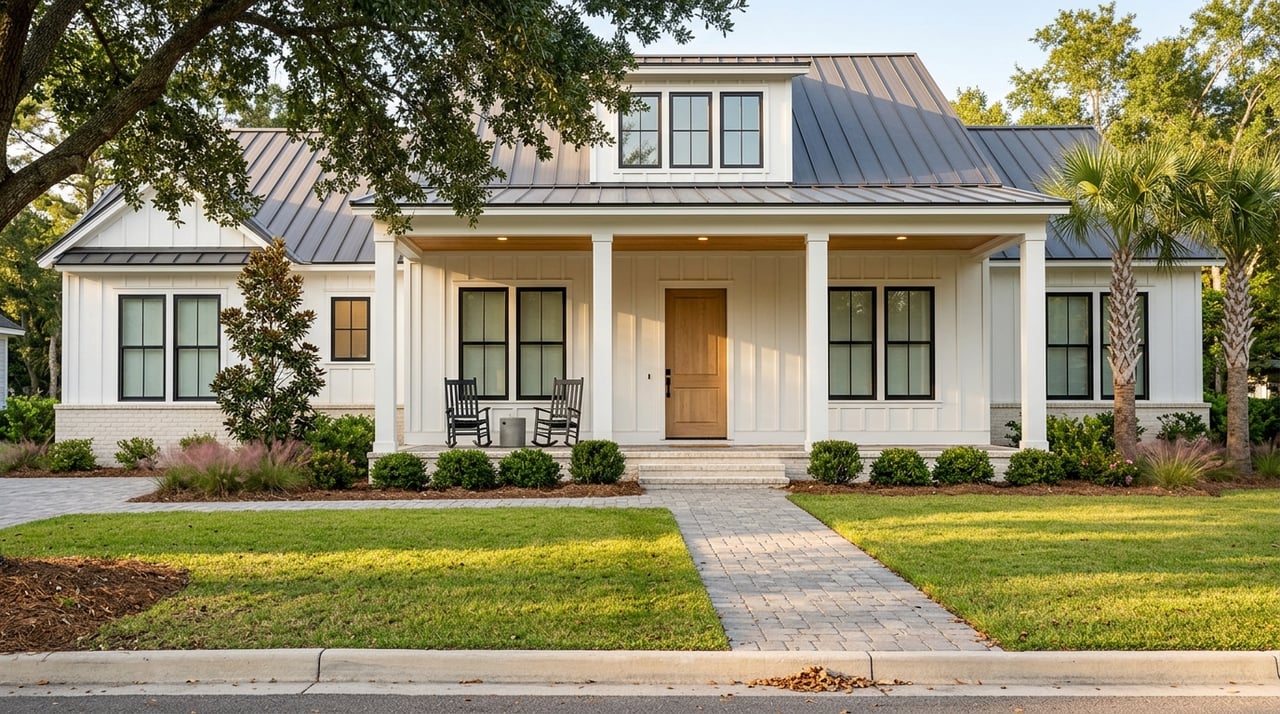
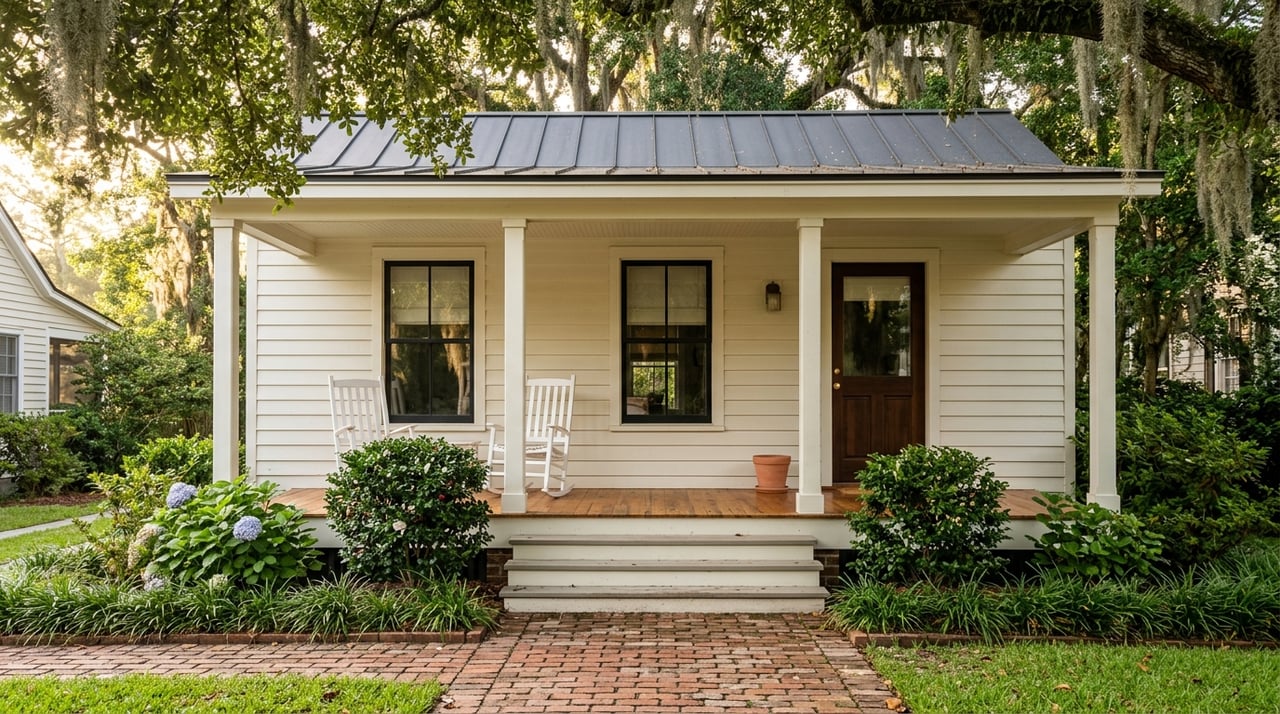
Townhomes often appeal to buyers who want a little more room while still keeping maintenance manageable. In Gainesville, they can offer a middle ground between condo living and a detached single-family home. You may get multiple levels, more separation between living and sleeping spaces, and sometimes an attached garage.
Townhomes can work especially well if you want ownership with fewer exterior tasks but do not want to give up all sense of space or privacy. As always, the details depend on the community. Some feel more urban and compact, while others offer a more residential setting.
What investors should verify
Some Gainesville listings are marketed with rental flexibility or immediate rental potential, but those policies are community-specific. You should confirm any rental rules directly in the documents before making assumptions. Restrictions on lease terms, tenant approval, or occupancy can all affect how an investment performs.
Investors should also look closely at monthly dues, reserve funding, buyer approval requirements, and the possibility of special assessments. A lower purchase price does not always mean a better investment if the association finances are weak or the rules limit your options. Clear due diligence matters here.
How to compare communities wisely
When you tour Gainesville condos and townhomes, it helps to think beyond the unit itself. A well-priced home in a poorly managed association may not feel like a bargain later. On the other hand, a home with slightly higher dues may offer stronger reserves, broader maintenance coverage, and a smoother ownership experience.
A smart comparison usually includes:
- Purchase price
- Monthly dues
- What the dues include
- Reserve strength and financial statements
- Special assessment history
- Community rules and approval processes
- Commute and lifestyle convenience
- Amenities you will actually use
The Gainesville takeaway
For many buyers, condos and townhomes open the door to Gainesville homeownership at a lower price point than detached housing. They can also offer a practical mix of convenience, location, and shared amenities that fits busy schedules and different stages of life. The right choice depends less on the property label and more on how the community’s costs, rules, and location line up with your goals.
If you want steady guidance as you compare neighborhoods, dues, and documents, working with a local team can make the process much clearer. Anson Properties brings a boutique, data-aware approach to Gainesville real estate, helping you evaluate the details so you can move forward with confidence.
FAQs
What is the price difference between condos, townhomes, and homes in Gainesville?
- Recent 2026 snapshots showed Gainesville’s overall median sale price around $281,675 on Redfin, compared with median condo listing prices near $175,000 and median townhome listing prices around $218,000.
What amenities do Gainesville condos and townhomes often include?
- Common features in current listings and communities include pools, fitness centers, clubhouses, gated access, screened porches or balconies, assigned parking, tennis or basketball courts, and sometimes attached garages.
What do HOA fees usually cover in Gainesville townhome communities?
- Coverage varies by community, but current listings show that fees may include exterior maintenance, landscaping, roof or siding responsibility, pest control, water and sewer, internet, building insurance, or shared amenities.
What documents should Gainesville condo buyers review?
- Florida condo resale buyers are entitled to documents such as the declaration, bylaws, rules, annual financial statement, annual budget, FAQ document, and in some cases a milestone-inspection summary and structural integrity reserve study.
Are Gainesville condos and townhomes good for investors?
- They can be, but rental potential depends on the specific community’s rules, dues, reserve funding, approval requirements, and any special assessment risk, so those items should be verified before you buy.