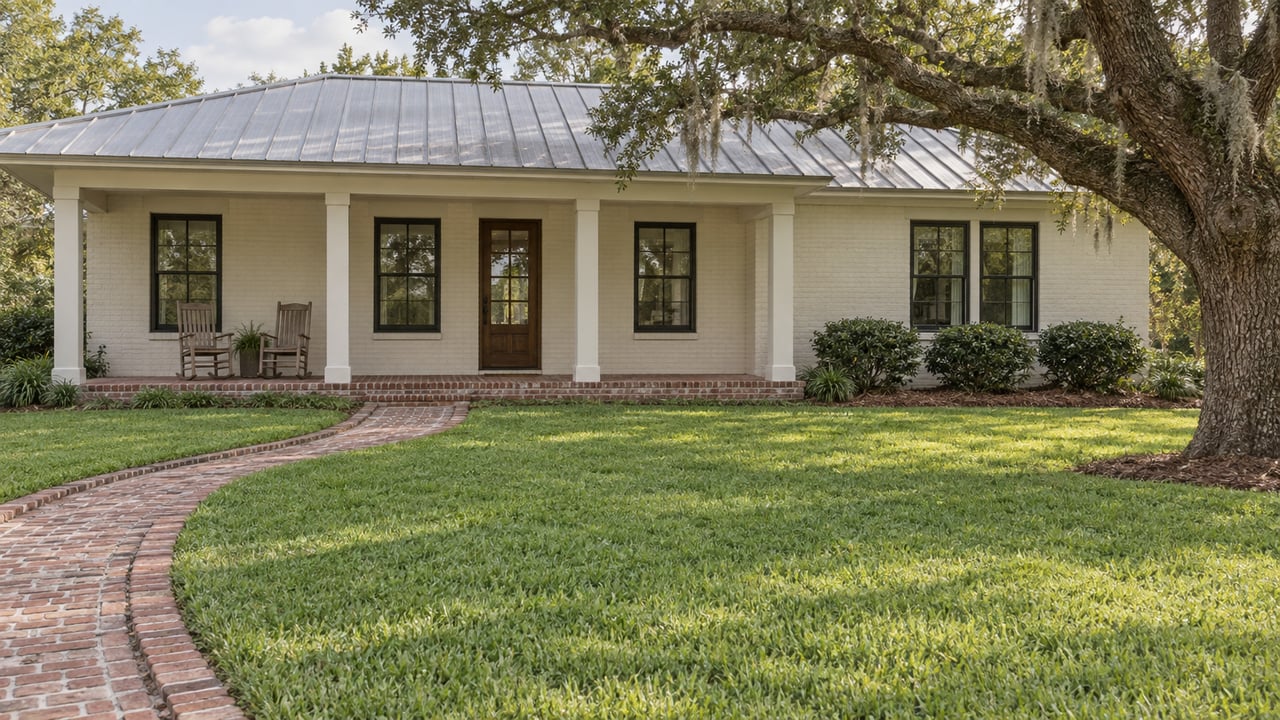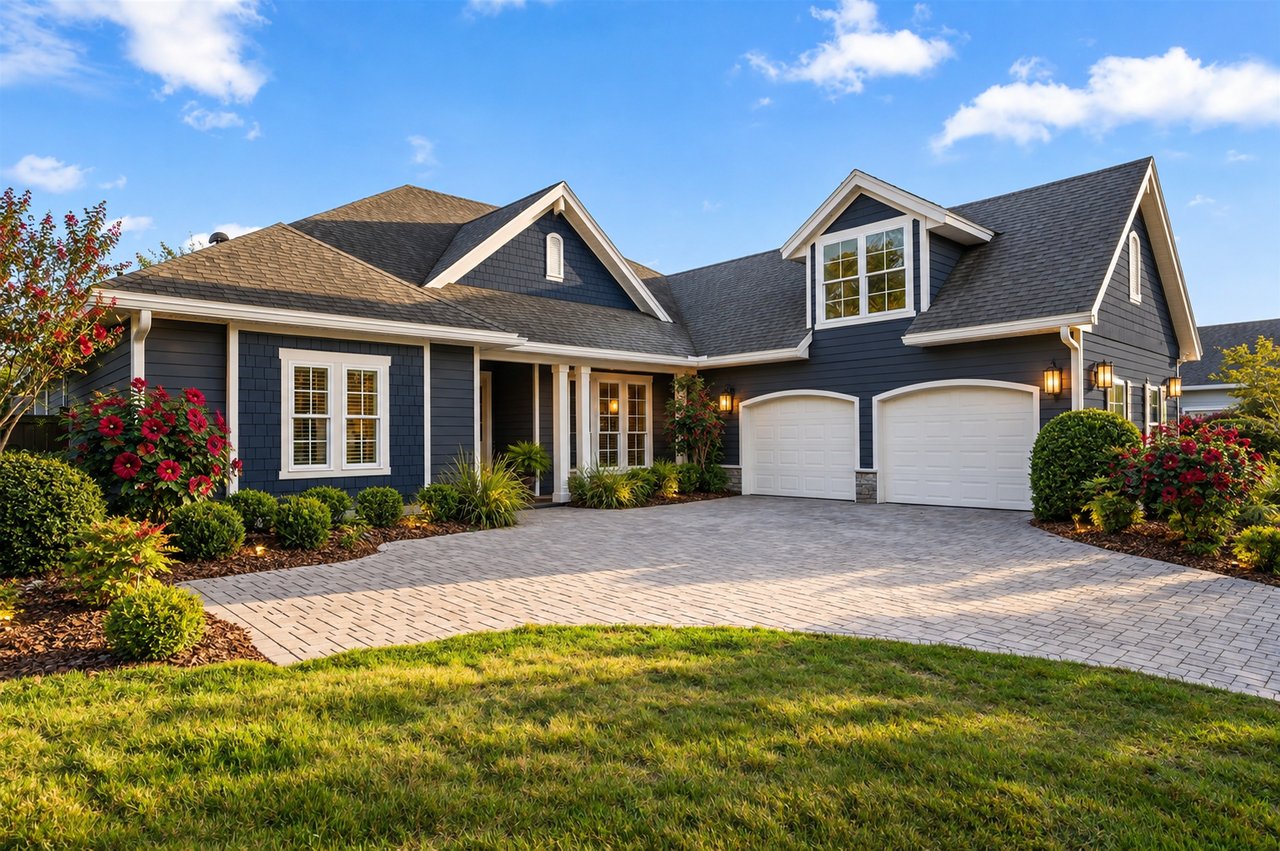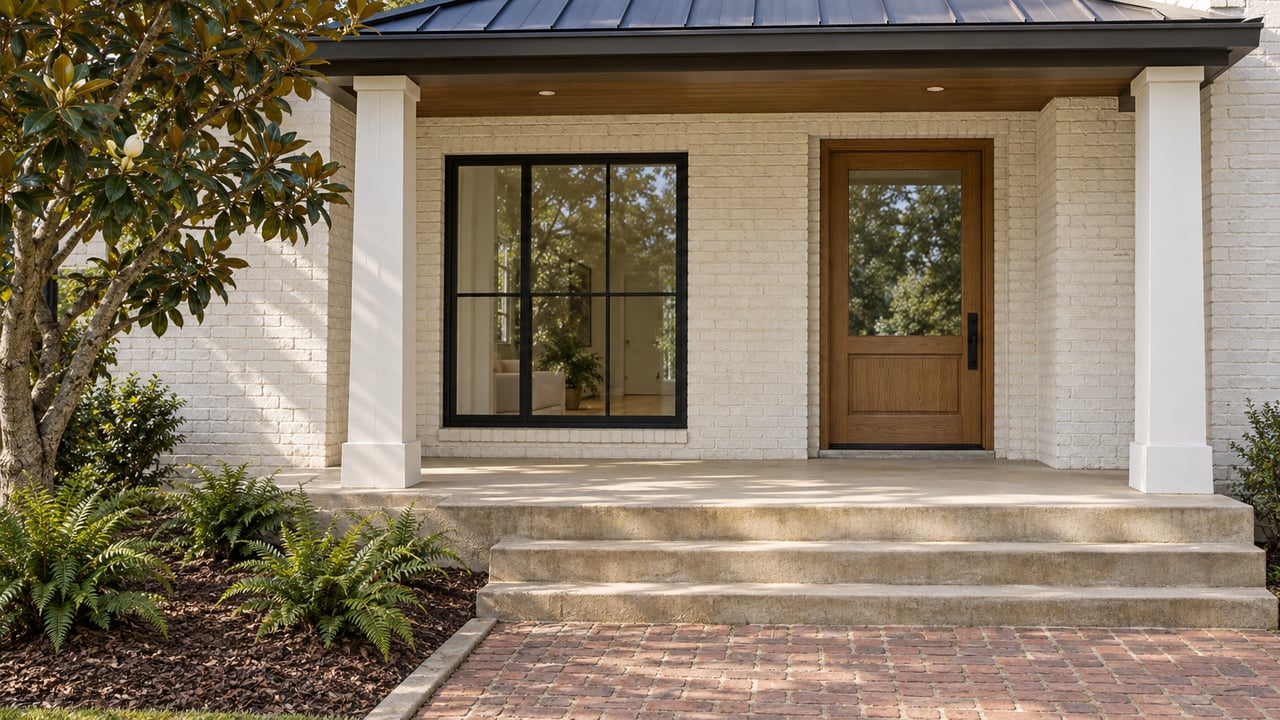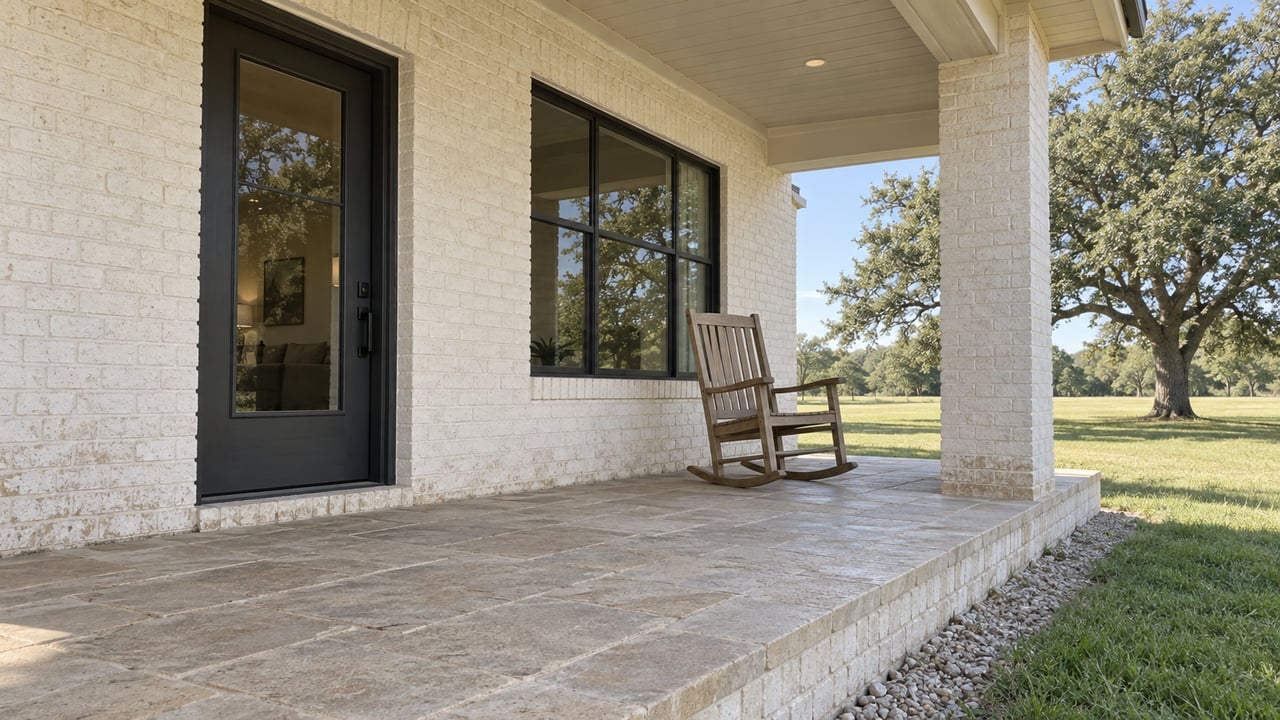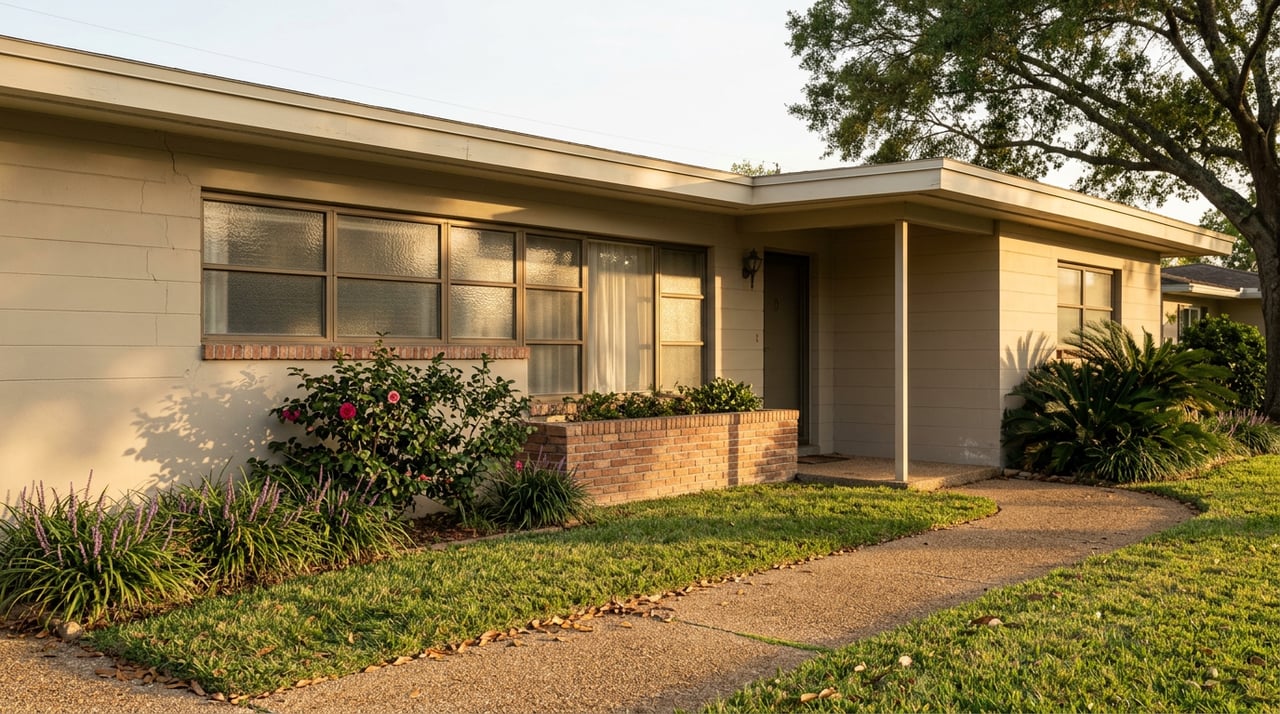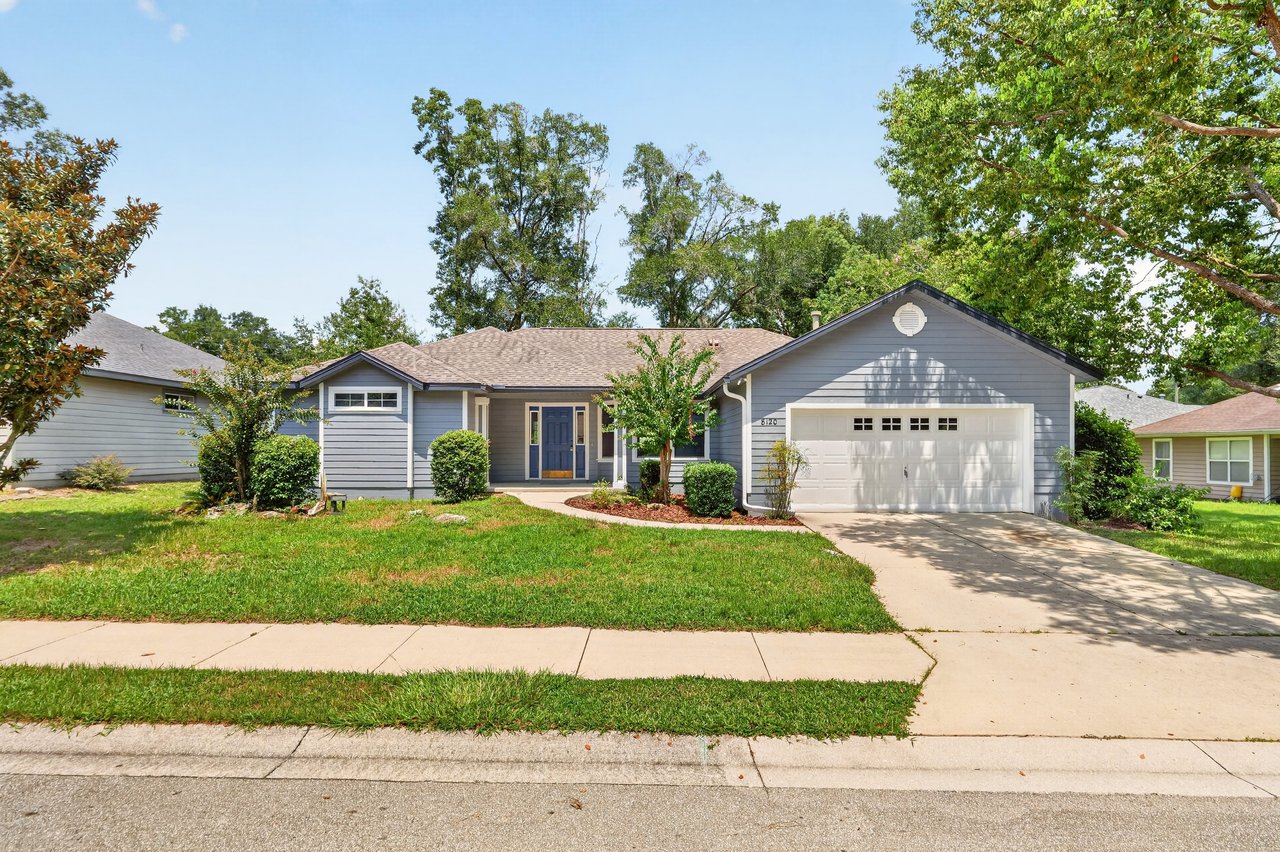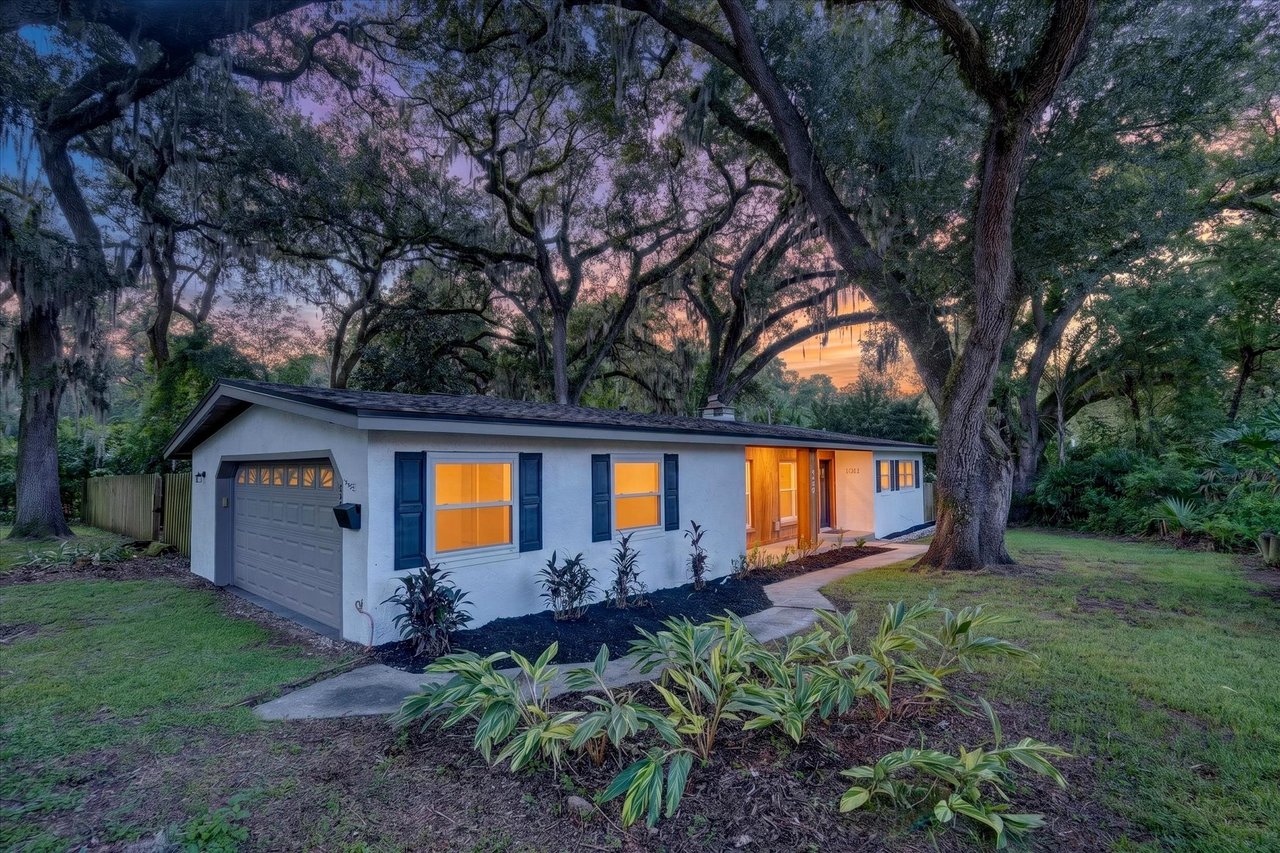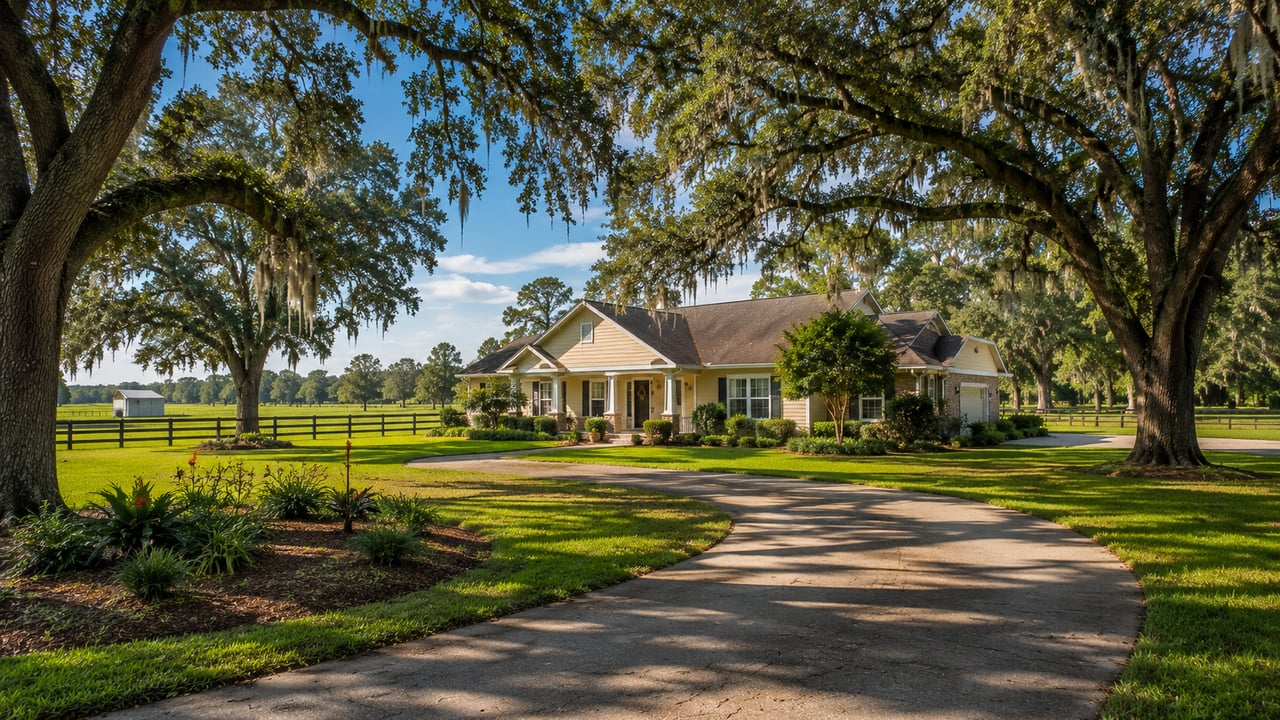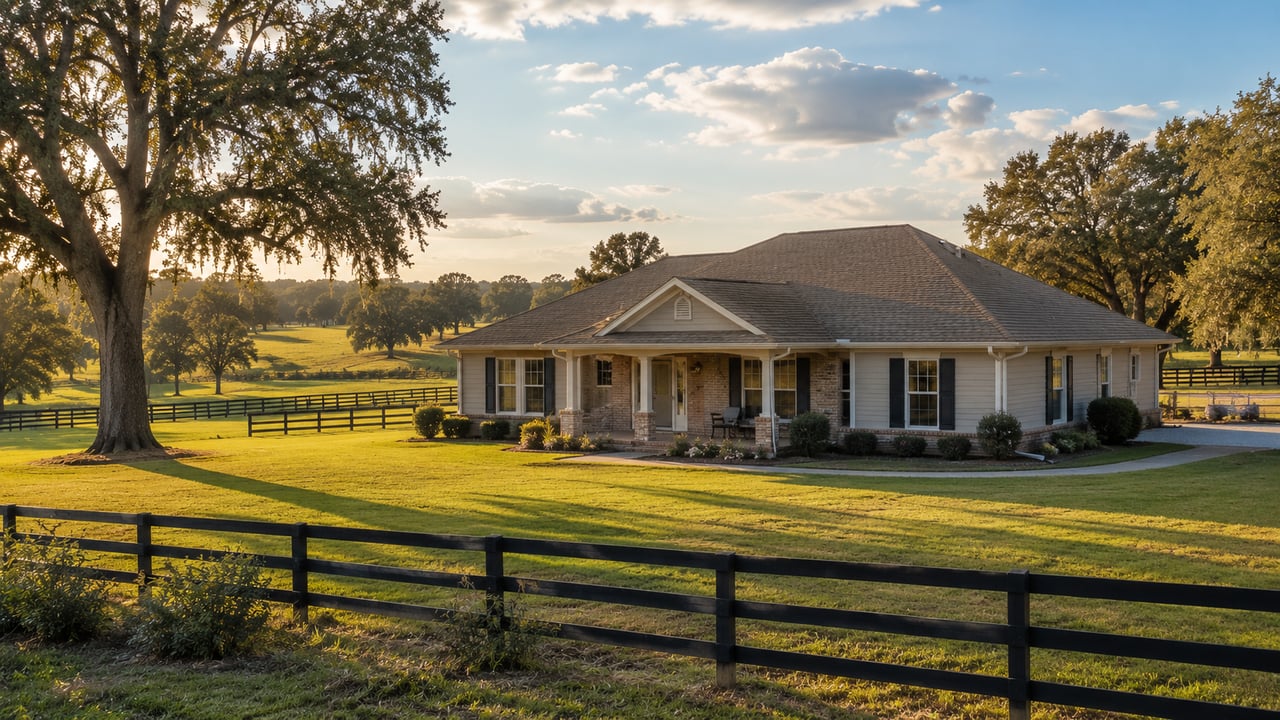
If you try to price a Micanopy home with acreage the same way you would price a neighborhood house, you can miss the mark fast. In a small market, a handful of sales can skew the big-picture numbers, and buyers for acreage properties look at much more than square footage. If you want to price your property with confidence, you need to understand how the house, the land, and the usable features work together. Let’s dive in.
Why Micanopy Acreage Pricing Is Different
Micanopy is a very small town with 669 residents and about 300 residences across 1.03 square miles. That matters because limited sales volume can make market snapshots look inconsistent from one source to another. In a market this thin, you cannot rely on one headline number and expect it to tell the full story.
Current public data shows that variation clearly. Realtor.com reports 21 homes for sale, a median listing price of $565,000, a median of 106 days on market, and a 99% sale-to-list ratio in March 2026. At the same time, Redfin reported a median sale price of $245,000 in October 2025, while Zillow showed a typical home value of $341,688 as of March 31, 2026 and noted that the figure reflects the surrounding area rather than fully local data.
That is why pricing a Micanopy acreage home takes more than pulling a quick estimate. You need a property-specific approach that reflects how rural buyers actually compare homes in this part of North Central Florida.
Start With the House First
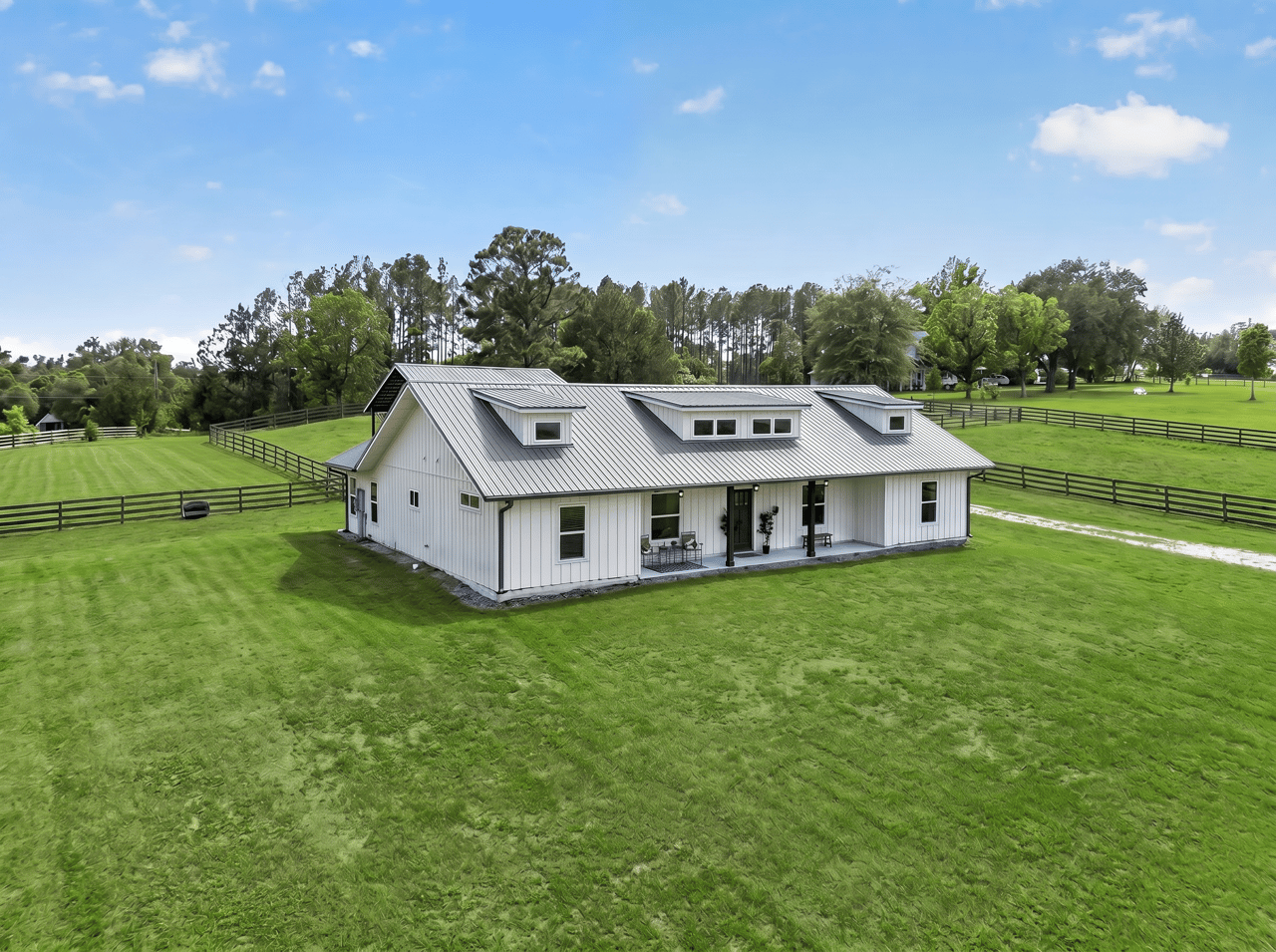
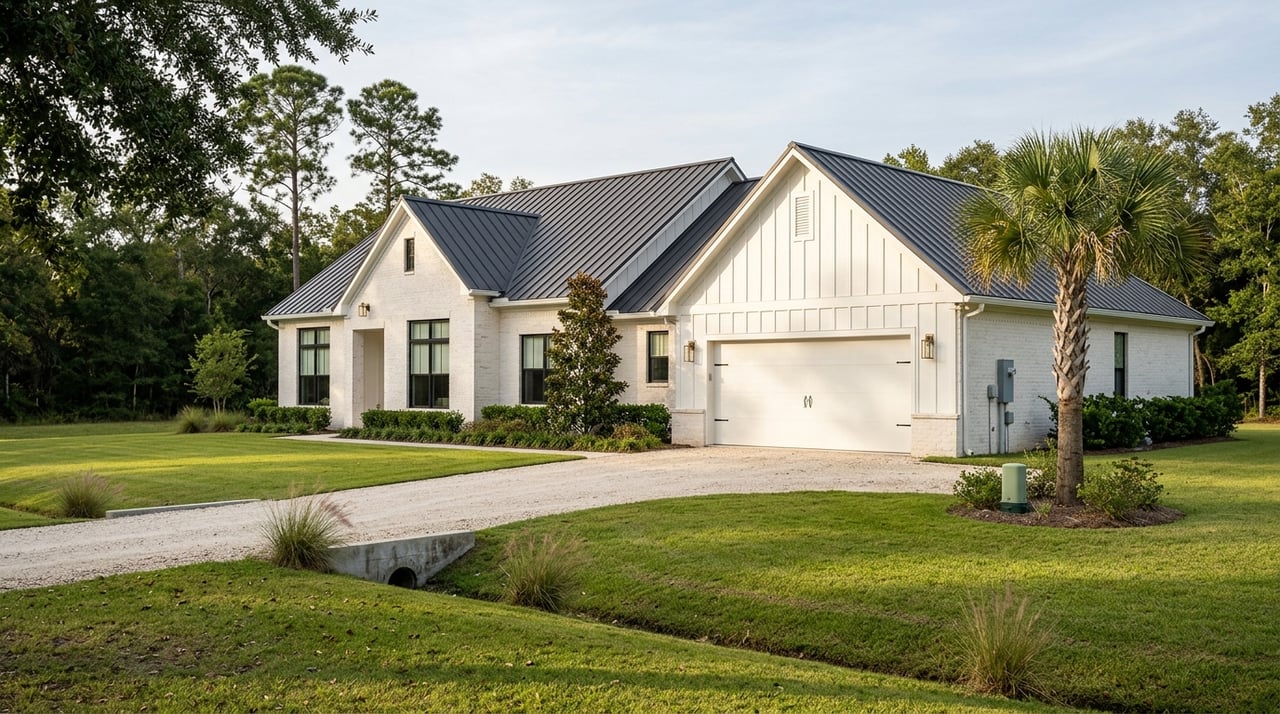
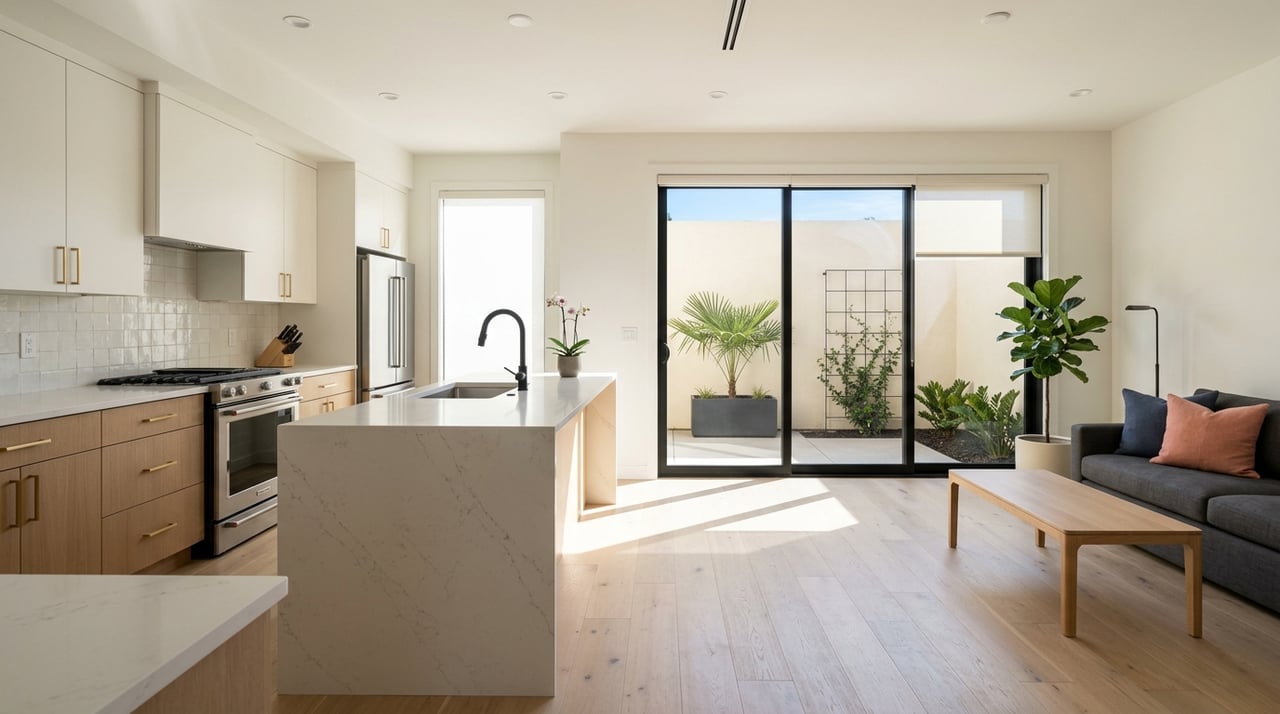
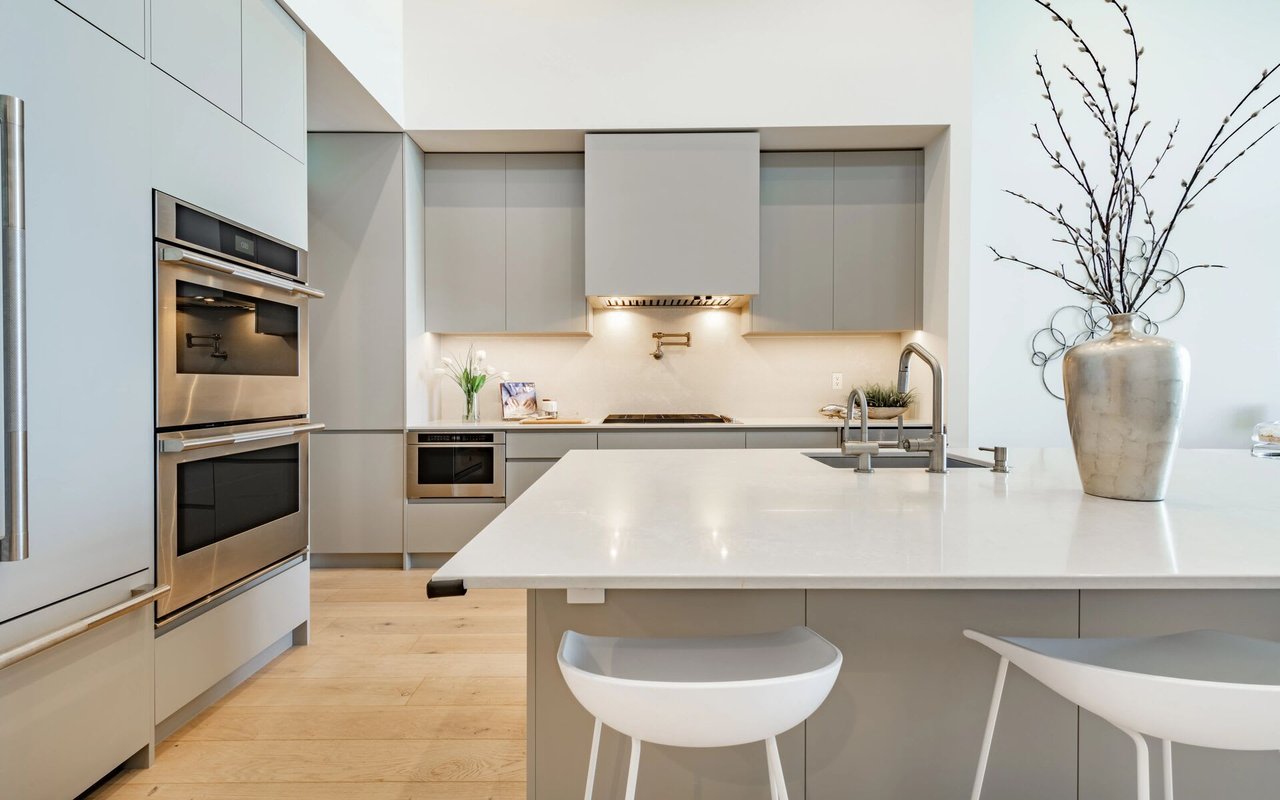
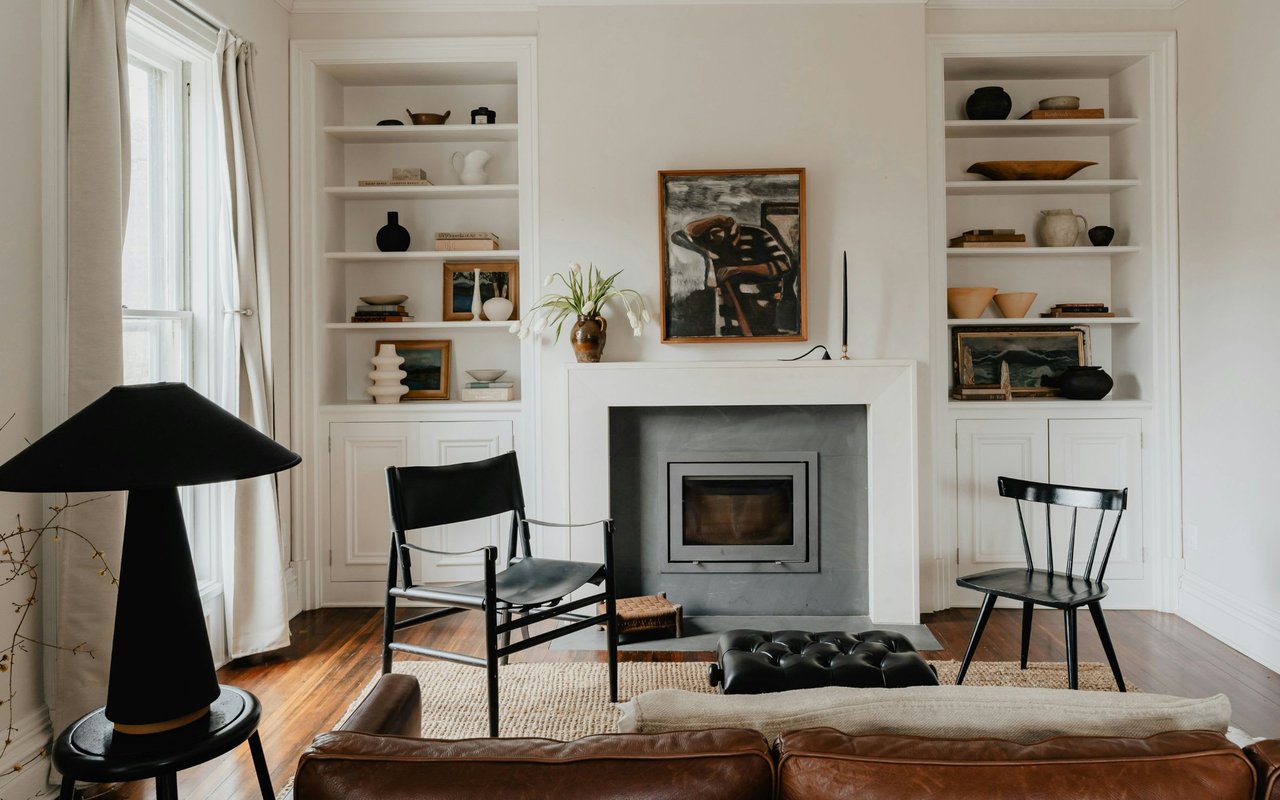
Even on acreage, the home itself is still a major part of value. Buyers look closely at square footage, age, updates, layout, overall condition, and finish level before they evaluate the rest of the property. A clean, updated house with modern systems will usually support a stronger price than a similar home that needs work.
Recent Micanopy-area examples show how much condition and improvements can change the number. A 3.73-acre updated manufactured home sold for $298,000 on April 7, 2026. A 28.25-acre farm with a remodeled kitchen, new A/C, generator, greenhouse, chicken coops, pole barn, and other improvements sold for $900,000 on April 24, 2026.
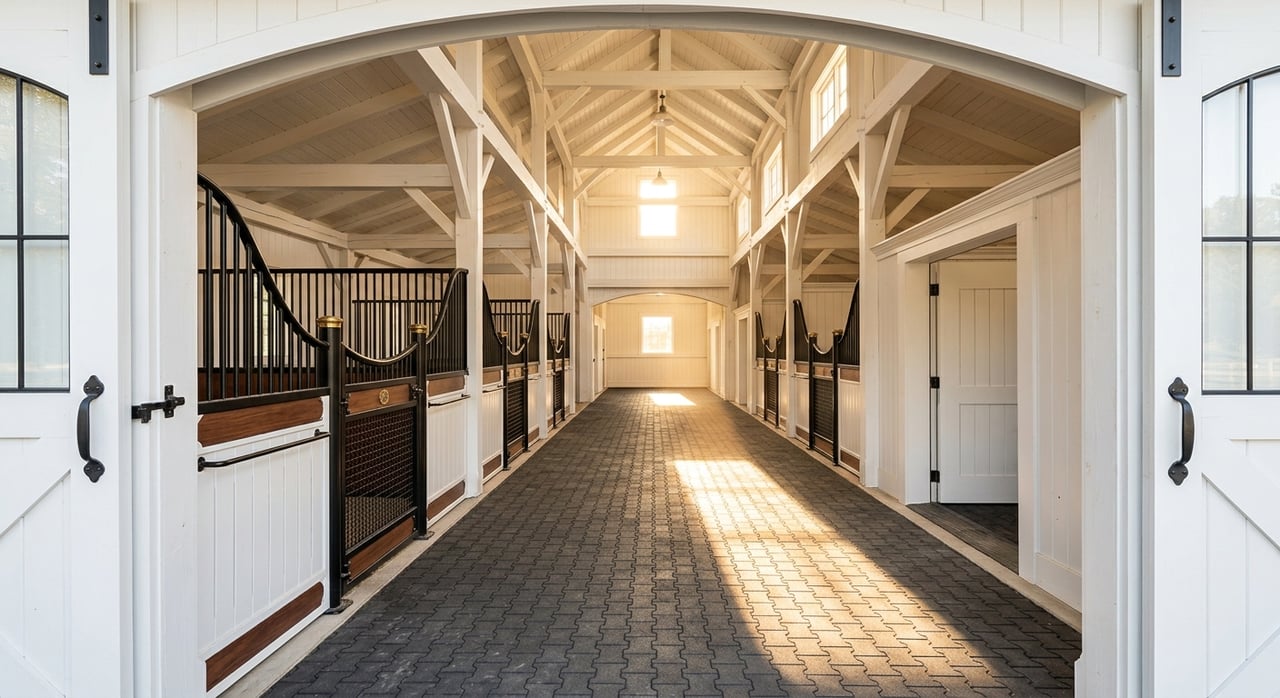
At the upper end, larger amenity-rich properties can move far beyond that range. A 22.51-acre estate with a pool, guest house, 4-stall barn, and 3-bay storage garage is listed at $1.89 million. Those examples show why pricing has to begin with the house, then expand outward to the land and improvements.
Usable Acreage Matters More Than Acre Count
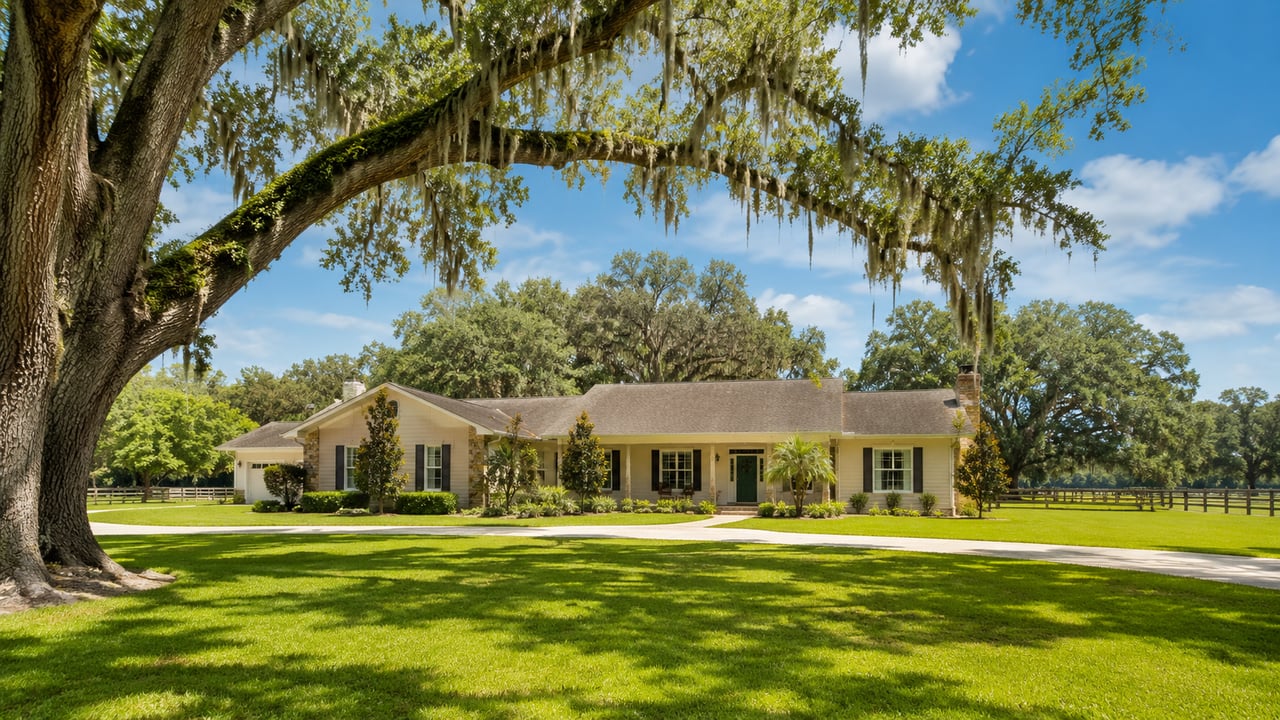
One of the biggest pricing mistakes sellers make is assuming every acre adds value at the same rate. In reality, buyers usually pay more for acreage they can use right away. Cleared ground, fenced pasture, drainage, road access, and practical layout often matter more than raw land total.
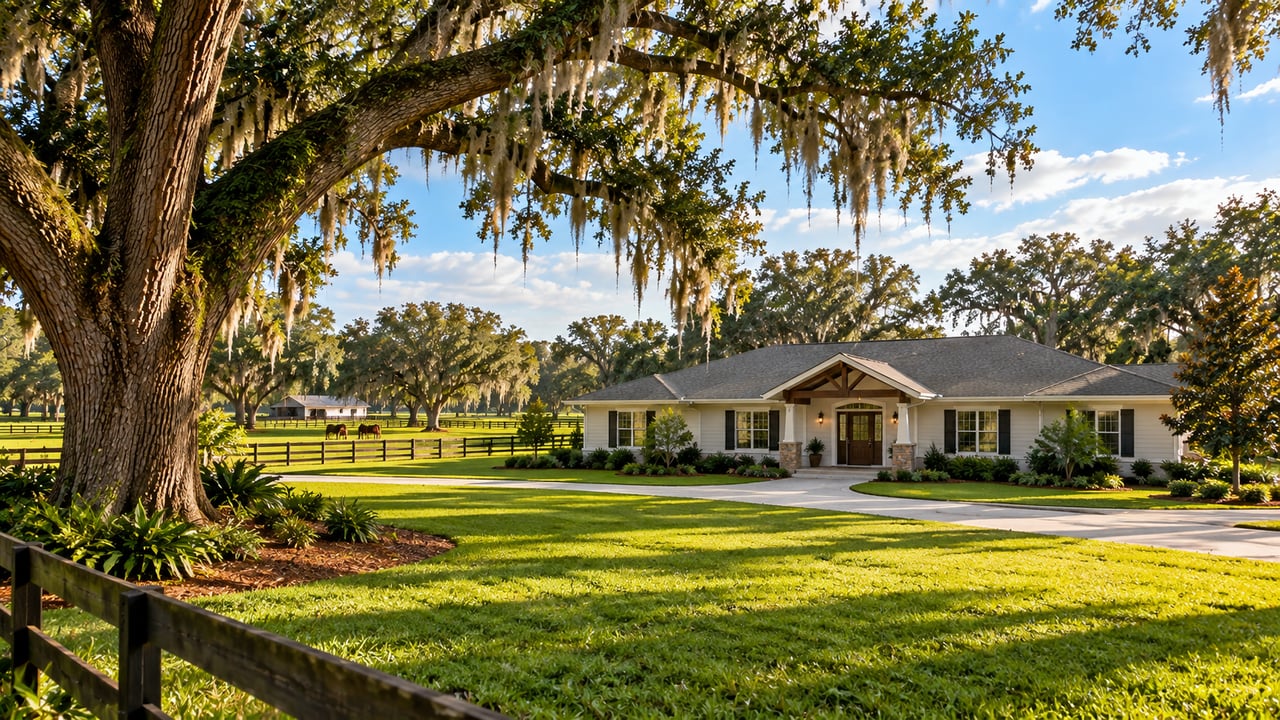
In the Micanopy area, listings show this difference clearly. An 18.49-acre 2023-built home on A-1 land was described as grazing land. A 22.51-acre horse property included two large fenced pastures, while a 54.38-acre equestrian estate featured nearly 30 acres of riding trails.
That tells you something important. Acreage value is not linear. Ten highly usable acres may contribute more to buyer demand than a larger parcel with drainage issues, poor access, or limited functionality.
Price the Improvements Beyond the House
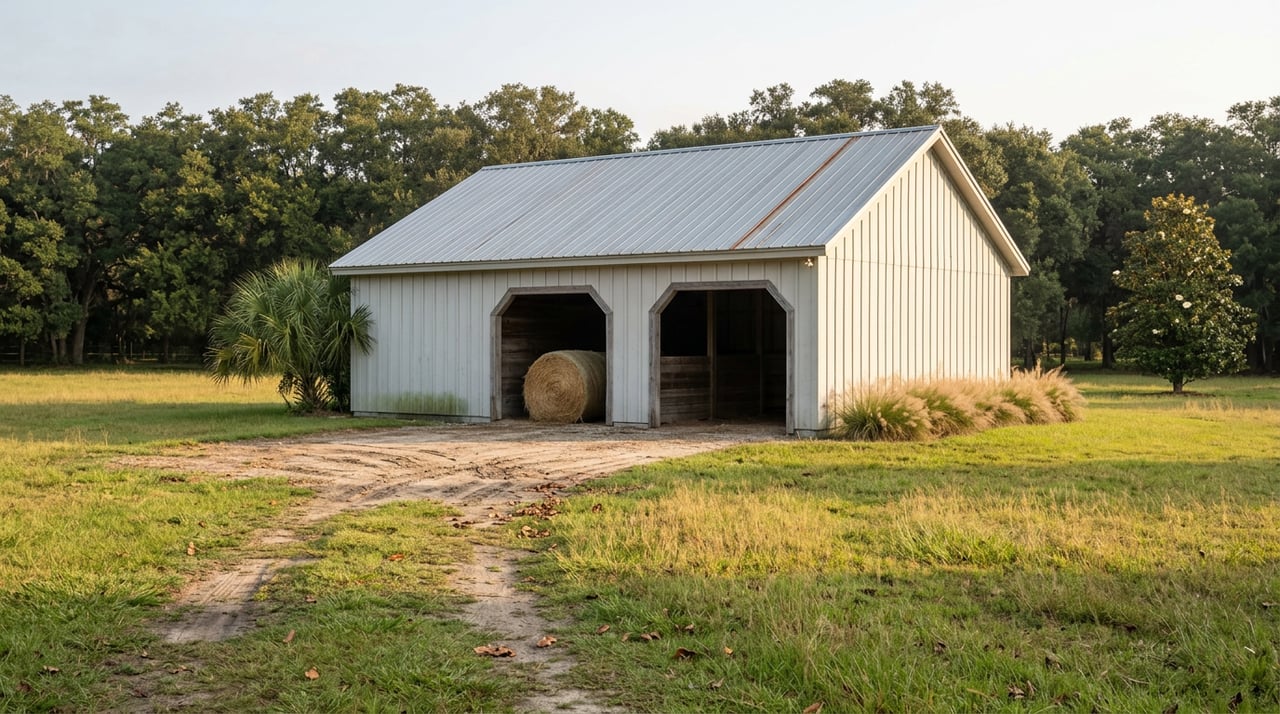
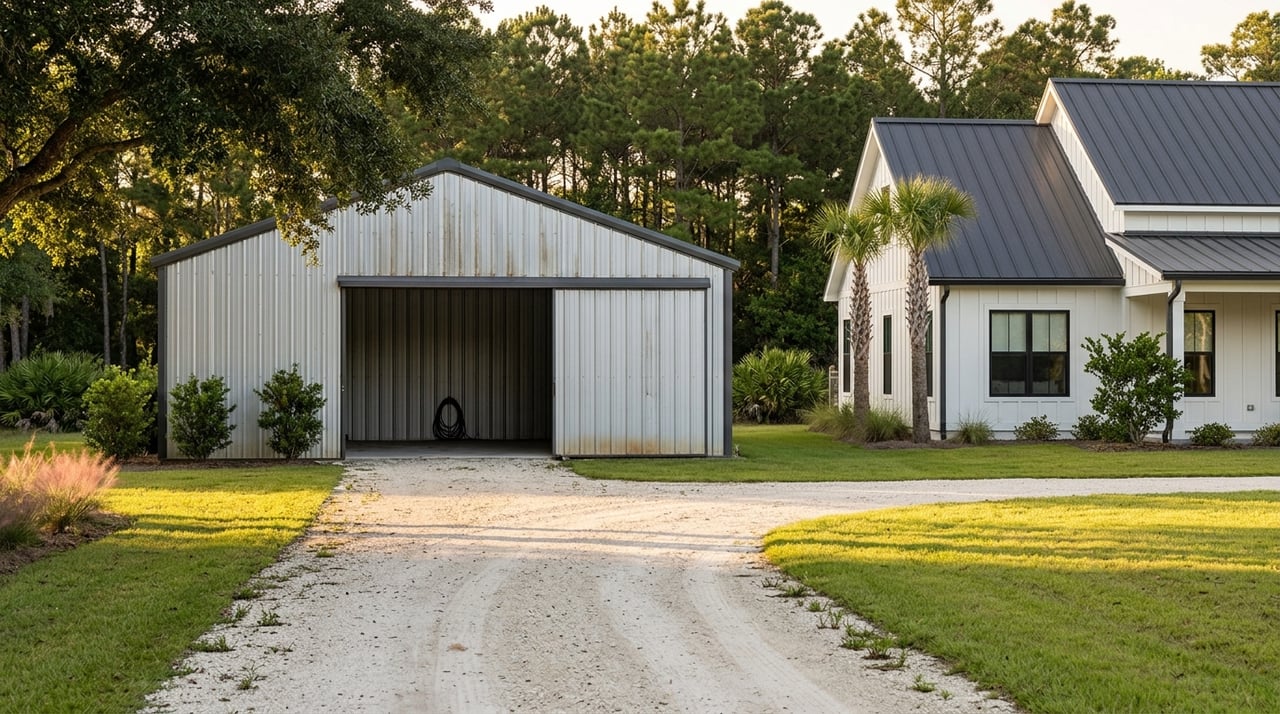
Outbuildings and utility systems can materially change what buyers are willing to pay. For acreage properties, these features are not just extras. They often determine whether the property feels move-in ready for a rural lifestyle or like a project.
Useful improvements may include:
- Barns
- Pole barns
- Storage garages
- Guest houses
- Quonset huts
- Chicken coops
- Greenhouses
- Fencing
- Generators
- Wells
- Septic systems
- Fiber access
- Solar systems
- Sprinkler wells
These features can raise value because they expand how the property can be used from day one. A buyer comparing two similar homes may pay more for the one that already has working infrastructure, organized outbuildings, and usable outdoor spaces in place.
Know What Local Rules Can Affect Price
Acreage pricing is not only about appearance and amenities. Local land rules, tax treatment, and site constraints can shape buyer demand and your final list price.
Alachua County Value Is Not Market Value
Alachua County appraises property at 100% of market value as of January 1 each year, but the county also distinguishes between just value, assessed value, and ag land value. For sellers, that means tax records can offer useful context, but they should not be treated as the same thing as current market price.
The county also states that Florida does not have an agricultural exemption in the casual sense many owners use. The correct term is agricultural classification, and it applies when land is used primarily for bona fide commercial purposes. The filing deadline listed by the county for agricultural classification is March 2.
If your property has agricultural classification, that may affect how buyers view carrying costs. If it does not, or if the use is more hobby-oriented than commercial, that can shape expectations too. Pricing should reflect the property’s current reality, not assumptions.
Agricultural Use Needs Documentation
Alachua County guidance shows that documentation matters when agricultural classification is involved. Leases, stocking rates, and proof of bona fide use can all come into play, and hobby farm or nonoperational land can be denied.
The county’s examples also note that horse breeding operations are recommended on at least 5 acres, with one horse per 2 acres as a rule of thumb. For sellers with equestrian or farm-style properties, details like these may influence how a buyer views the site’s practical use and long-term appeal.
Micanopy Zoning Can Shape Value
The Town of Micanopy land development code adds another layer. Agricultural districts are intended for agricultural activity and very low-density single-family residences, with a 5-acre minimum lot area and a 5% maximum impervious surface coverage.
That means future use, additions, and site changes may not be as flexible as a buyer first assumes. If your acreage property falls within town limits or is affected by town standards, that context should be part of the pricing conversation.
Historic District Properties Need Extra Review
Some properties in Micanopy are located in the H District, or Historic District. For designated historic properties, exterior alterations, demolition, or other permit-triggering changes require a Certificate of Appropriateness.
For the right buyer, historic character can be a major draw. But permit review and renovation limits can also affect who the buyer is and how quickly they are willing to act. That is one more reason historic properties should be priced with nuance rather than with a broad average.
Floodplain and Drainage Should Be Checked
Flood risk is another factor that can influence value on acreage. The town code regulates mapped flood hazard areas and can also treat areas below the closest applicable base flood elevation as flood hazard areas, even if they are not shown on the map.
For sellers, that means low spots, drainage patterns, and floodplain constraints deserve a close look before setting a final price. Land that appears generous on paper may not carry the same value if a meaningful portion has limitations.
How a Strong CMA Is Built
A strong comparative market analysis for a Micanopy acreage home usually works in three parts. Instead of using a simple price-per-square-foot formula or a flat price-per-acre formula, it separates the property into its main value buckets.
Those buckets are:
- House value
- Land value
- Contributory value from outbuildings and site improvements
This mirrors how Alachua County tracks land market value, ag land value, building value, and miscellaneous value in its records. For sellers, it is a helpful way to understand why two properties with similar acreage can still price very differently.
Why Nearby Rural Comps Often Matter
Because Micanopy is such a small market, the best comp set often needs to stretch into nearby rural areas with similar use patterns. That does not mean using random sales. It means selecting properties that reflect how acreage buyers actually shop.
Redfin’s comparable-sale set for a 28.25-acre Micanopy farm included sales in Williston, Citra, and Reddick, along with Micanopy. That is a practical reminder that acreage comps may cross town and county lines when the properties share similar rural characteristics.
In other words, the best comparable sale may not be the closest one on a map. It may be the one that best matches your home’s condition, land usability, improvements, and overall lifestyle offering.
A Practical Pricing Range Mindset
Recent Micanopy-area examples suggest a broad working range for acreage homes. At one end, a modest 3.73-acre manufactured home sold around $298,000. In the middle, a 28.25-acre farm with substantial improvements sold around $900,000. At the top, large estate or horse properties with premium amenities are being marketed around $1.89 million to $2 million.
That range is wide, but it is also useful. It shows that the right price depends less on one shortcut metric and more on how your specific property compares within the local acreage buyer pool.
What Sellers Should Focus On Before Listing
Before you settle on an asking price, take a close look at the features buyers will study most carefully.
Ask yourself:
- How updated and well-maintained is the house?
- How much of the acreage is cleared, fenced, and usable?
- What outbuildings or utility systems add real function?
- Is there anything about zoning, historic review, or flood risk that may affect buyer interest?
- Does your property fit best as a farm, equestrian property, estate, or flexible rural homesite?
The clearer those answers are, the easier it is to build a price that feels both competitive and credible.
Price for Today’s Buyer Pool
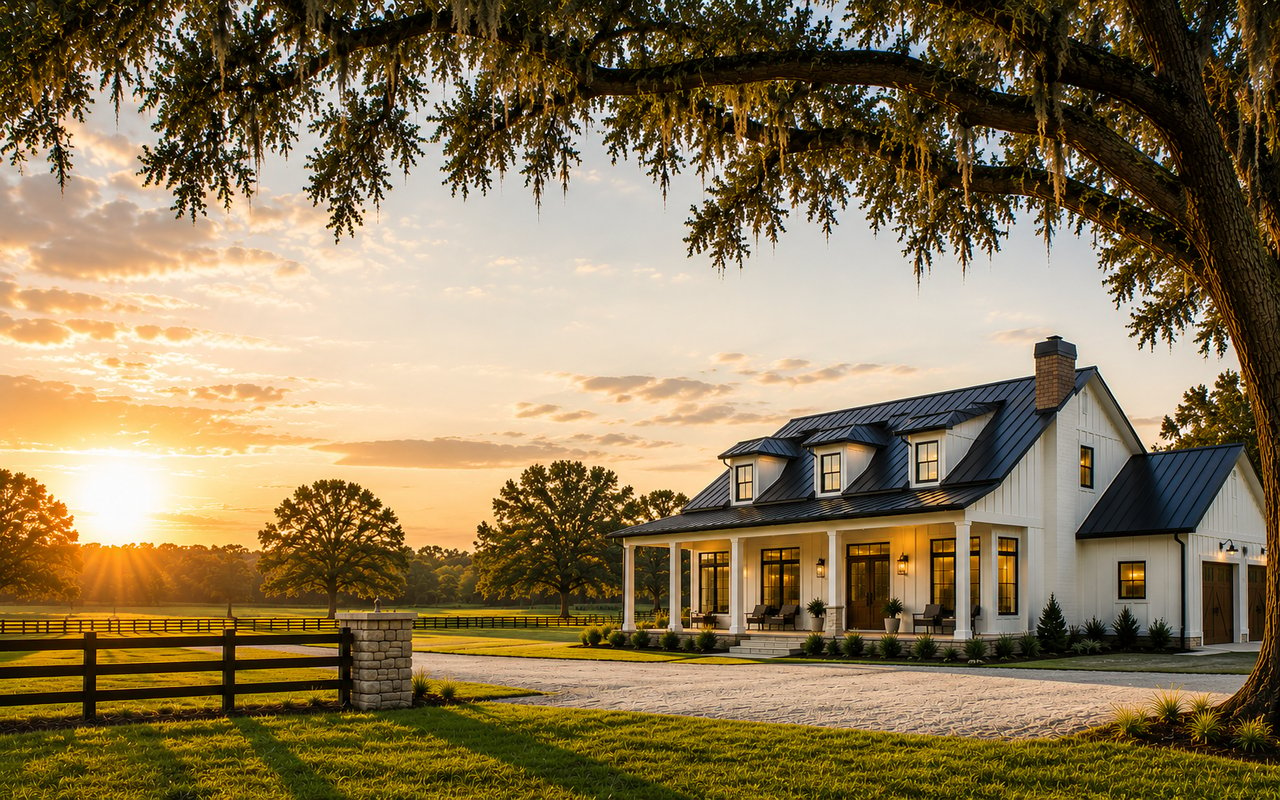
In Micanopy, buyers for acreage homes are often looking for a specific lifestyle. They may care about pasture, workshops, barns, trails, privacy, or space for outdoor use. That means your asking price needs to reflect not just the property itself, but how well it fits the buyer pool that is active right now.
Overpricing can cause a unique property to sit while buyers wait for a reduction. Underpricing can leave value behind, especially if your land is highly usable and your improvements are hard to replace. The goal is to position the property where local evidence and buyer demand meet.
If you are thinking about selling a Micanopy home with acreage, a careful pricing strategy can make a meaningful difference in your result. For a data-driven valuation grounded in North Central Florida land and lifestyle markets, connect with Anson Properties.
FAQs
How should you price a home with acreage in Micanopy?
- Start with the house value, then adjust for usable acreage, outbuildings, and site improvements rather than relying on square footage or a flat per-acre formula.
Why are Micanopy home values so inconsistent online?
- Micanopy is a very small market with limited sales volume, so a few transactions can shift reported median prices and different platforms may use different data sets or surrounding-area estimates.
Does agricultural classification affect pricing for Alachua County acreage?
- It can affect buyer perception of carrying costs, but it is not the same as market value and depends on bona fide commercial use with proper documentation.
Do zoning rules matter when pricing Micanopy acreage?
- Yes, because agricultural districts in Micanopy have standards such as a 5-acre minimum lot area and a 5% maximum impervious surface coverage, which can influence future use.
Should you use comps outside Micanopy for acreage homes?
- Often yes, because the local market is small and the best comparable sales may come from nearby rural areas with similar land use and property features.
What features add the most value to a Micanopy acreage property?
- Buyers often respond strongly to good house condition, usable fenced or cleared land, barns and other outbuildings, and practical systems like wells, septic, generators, or fiber access.