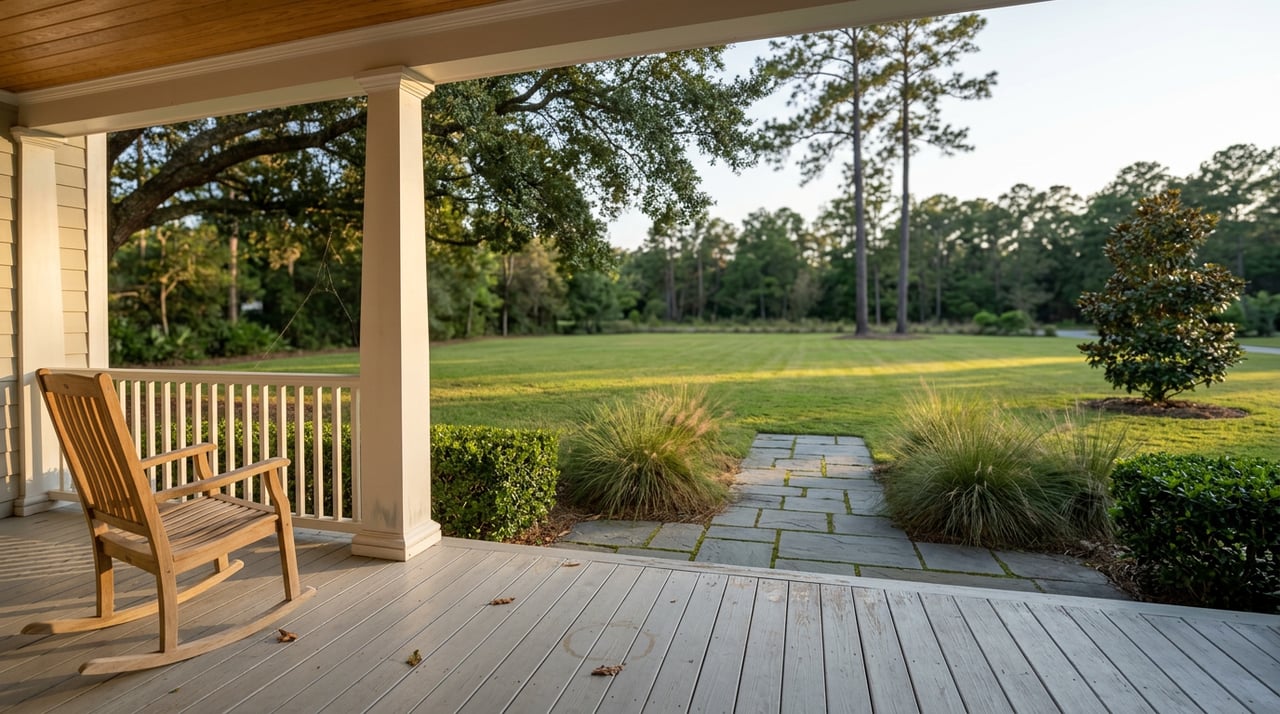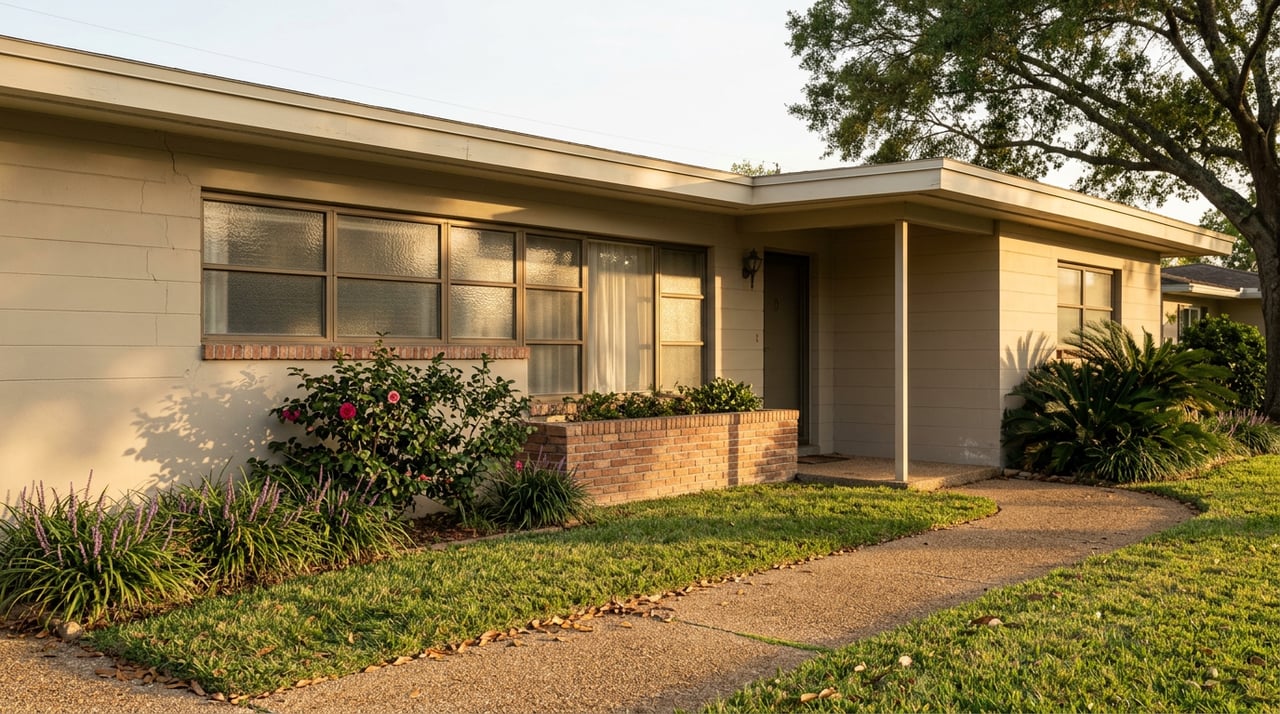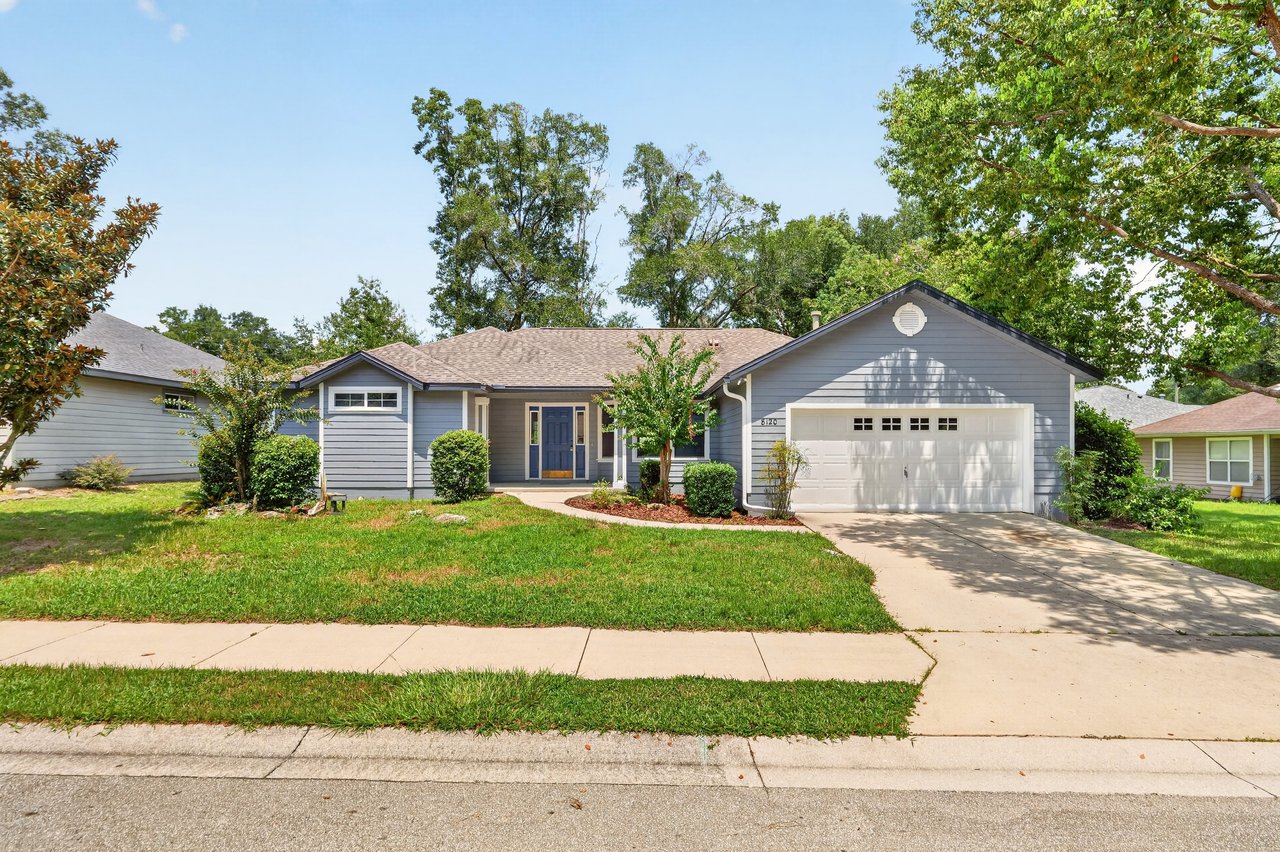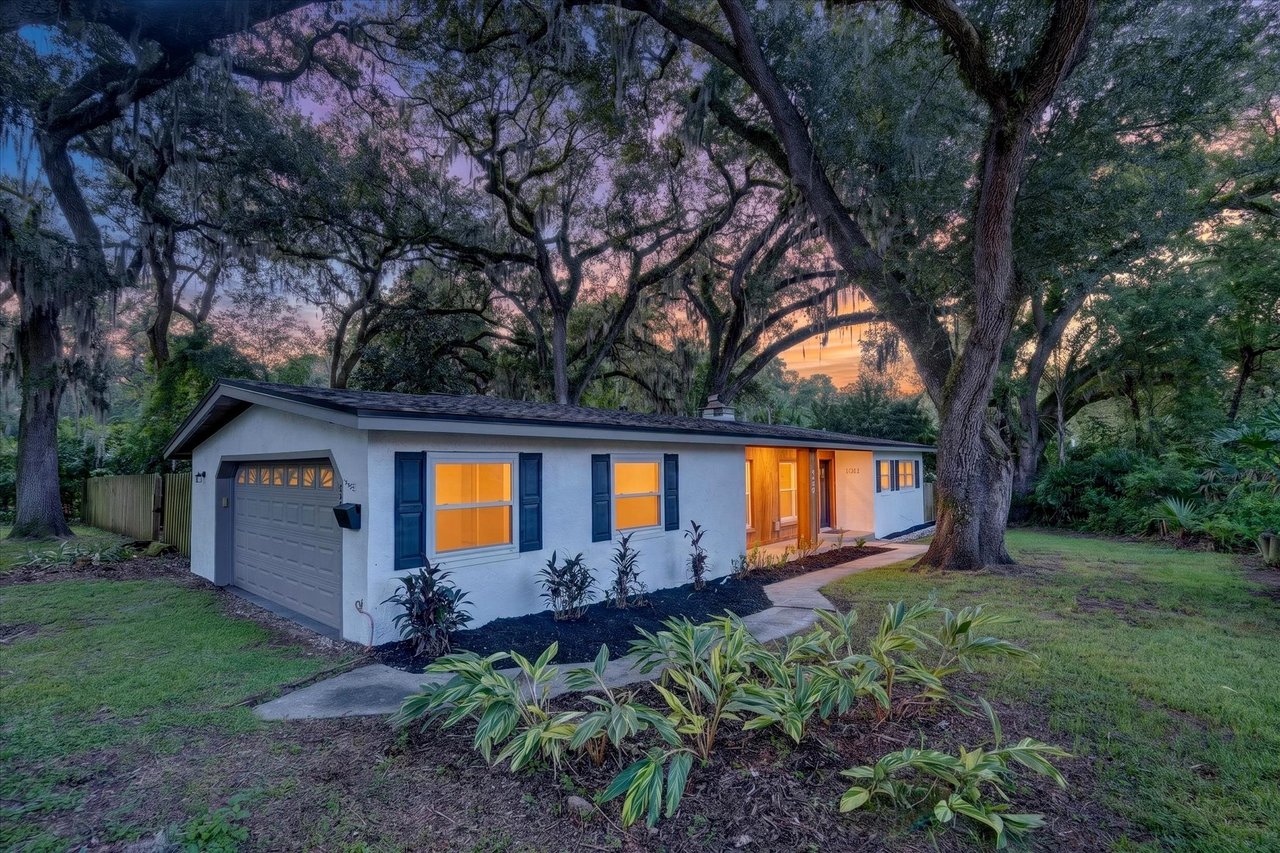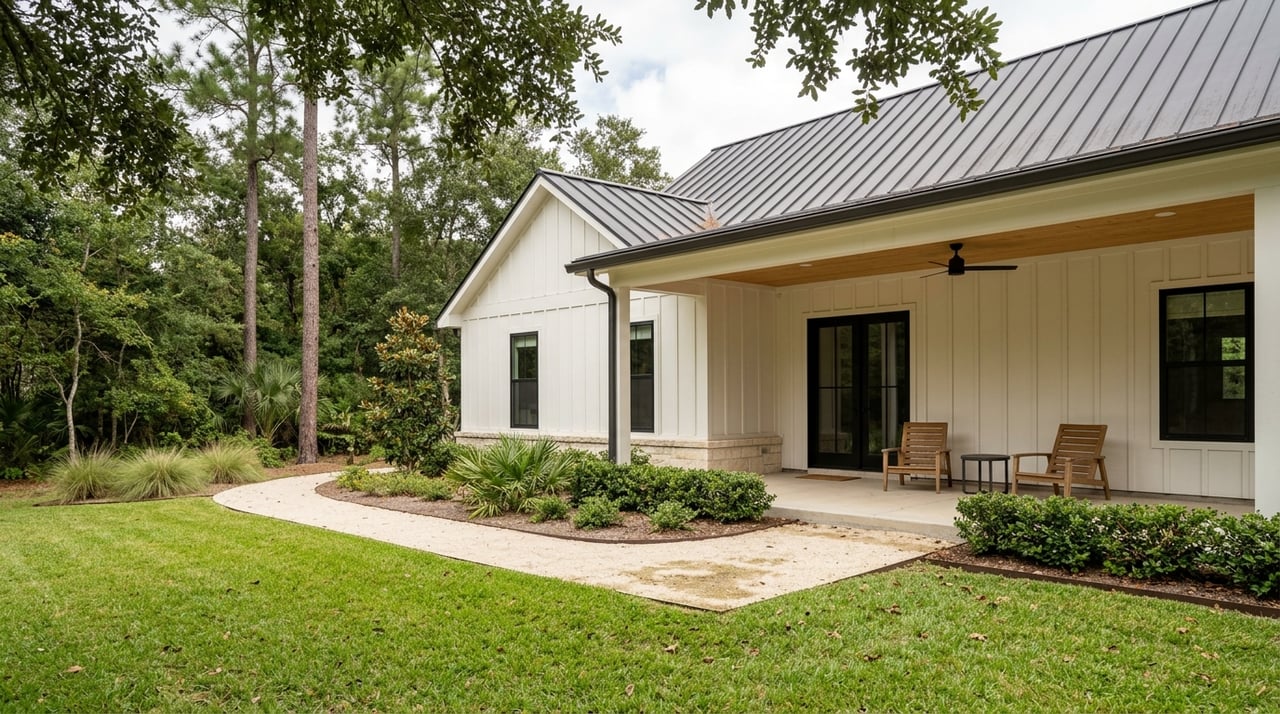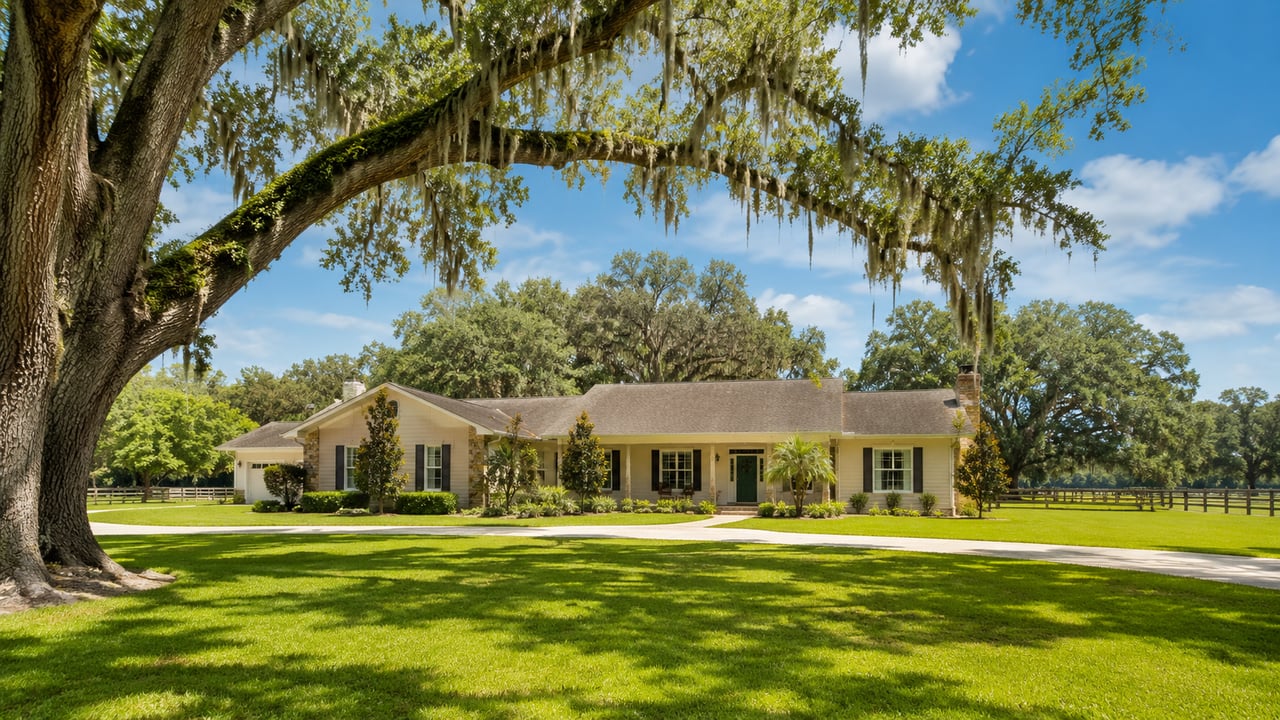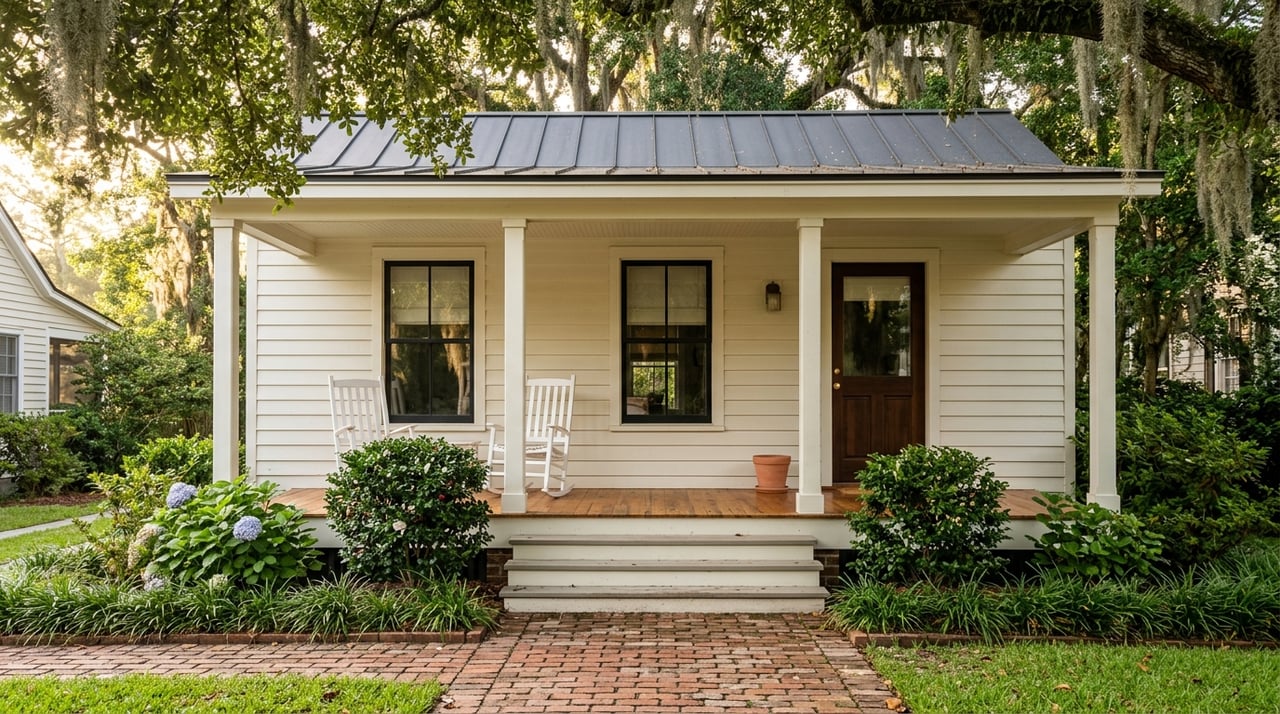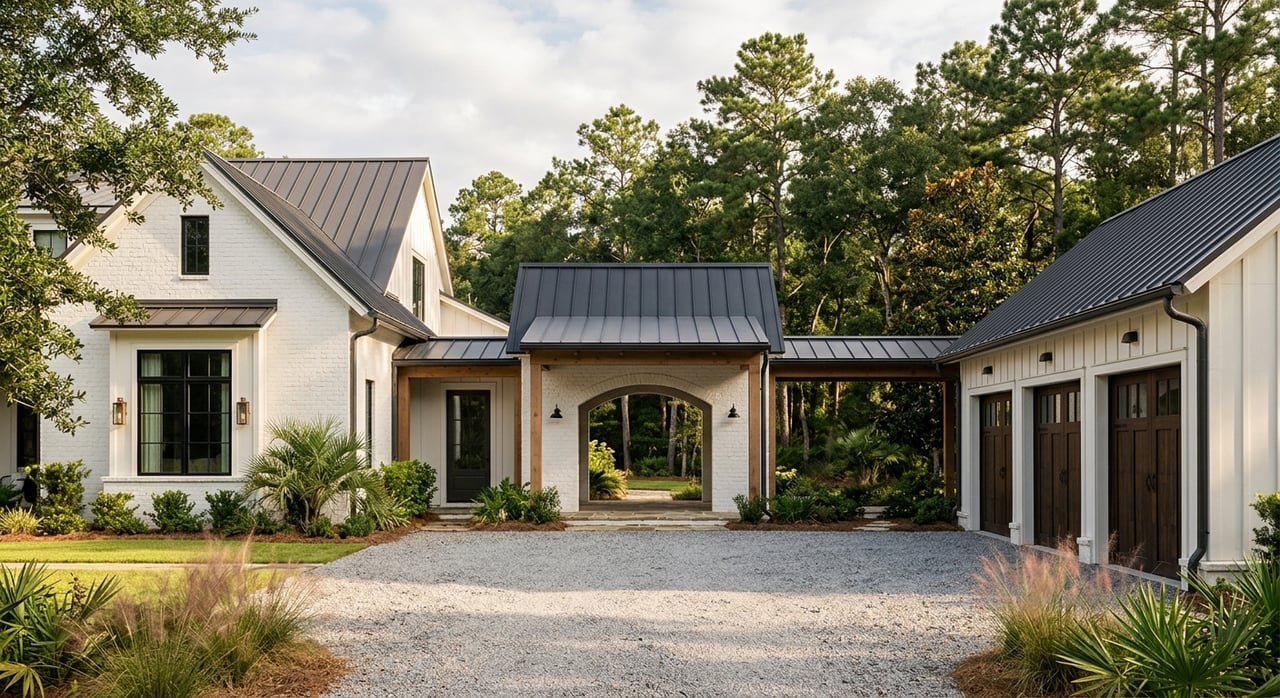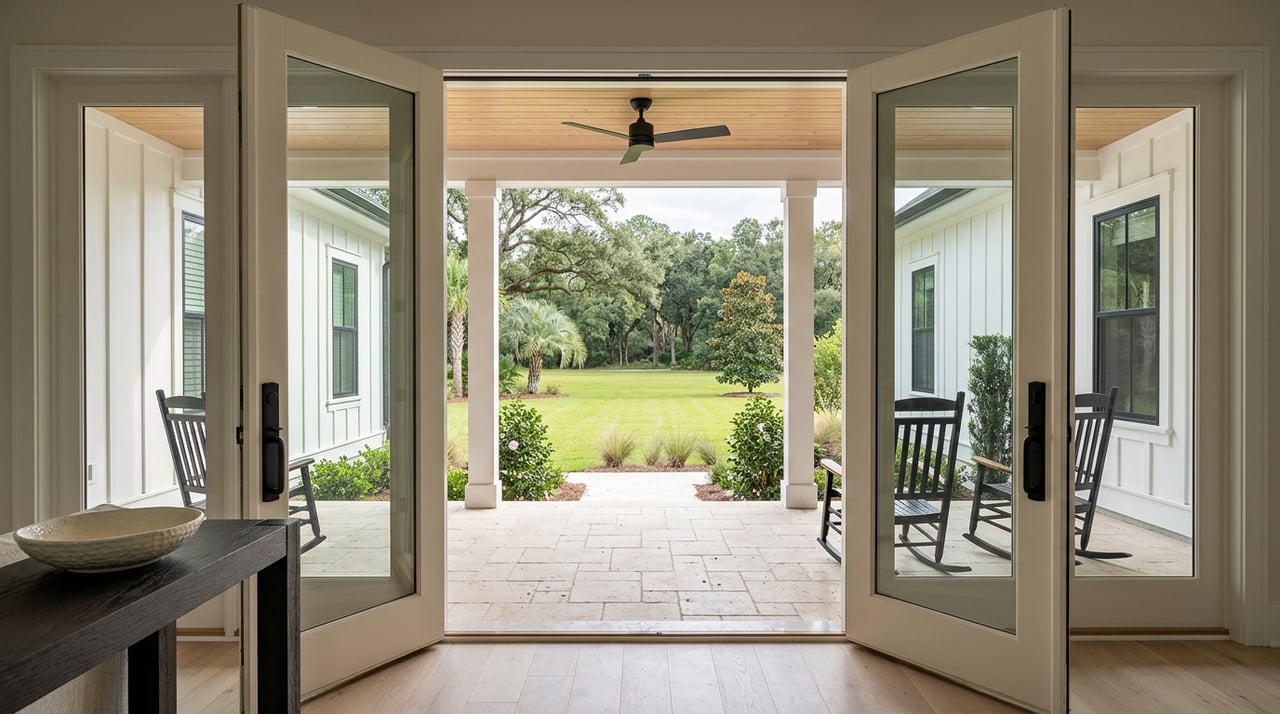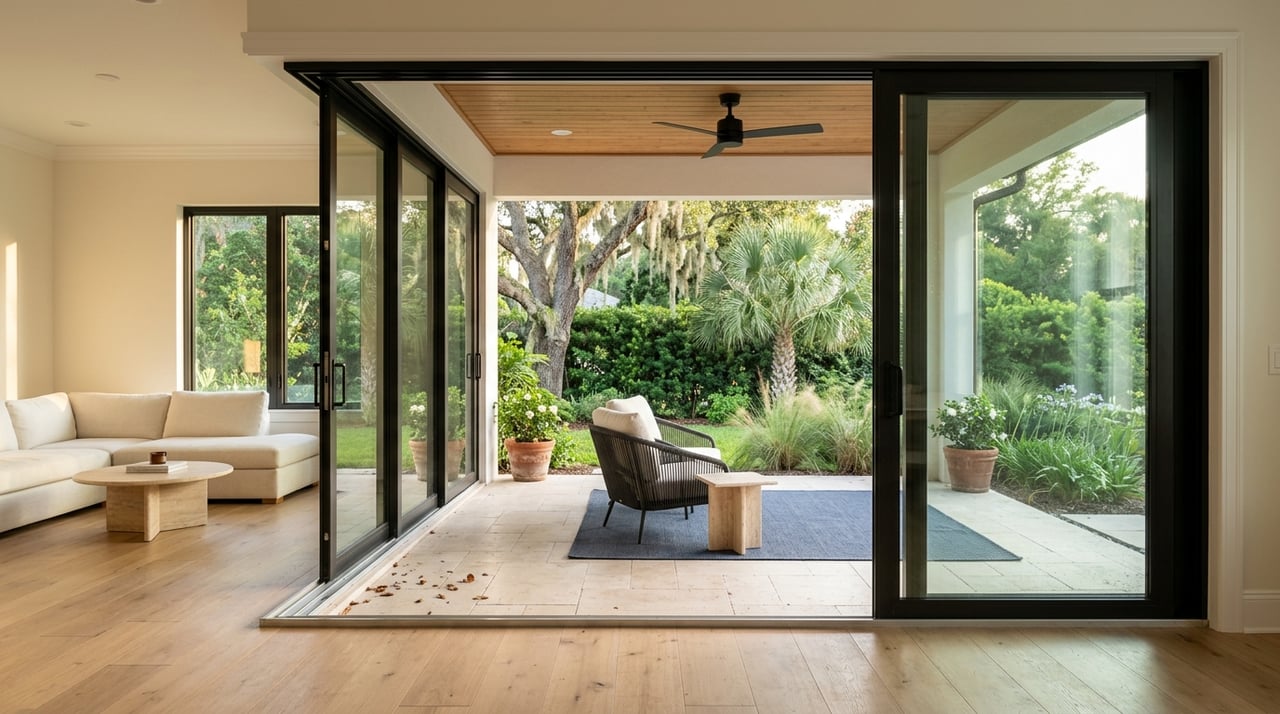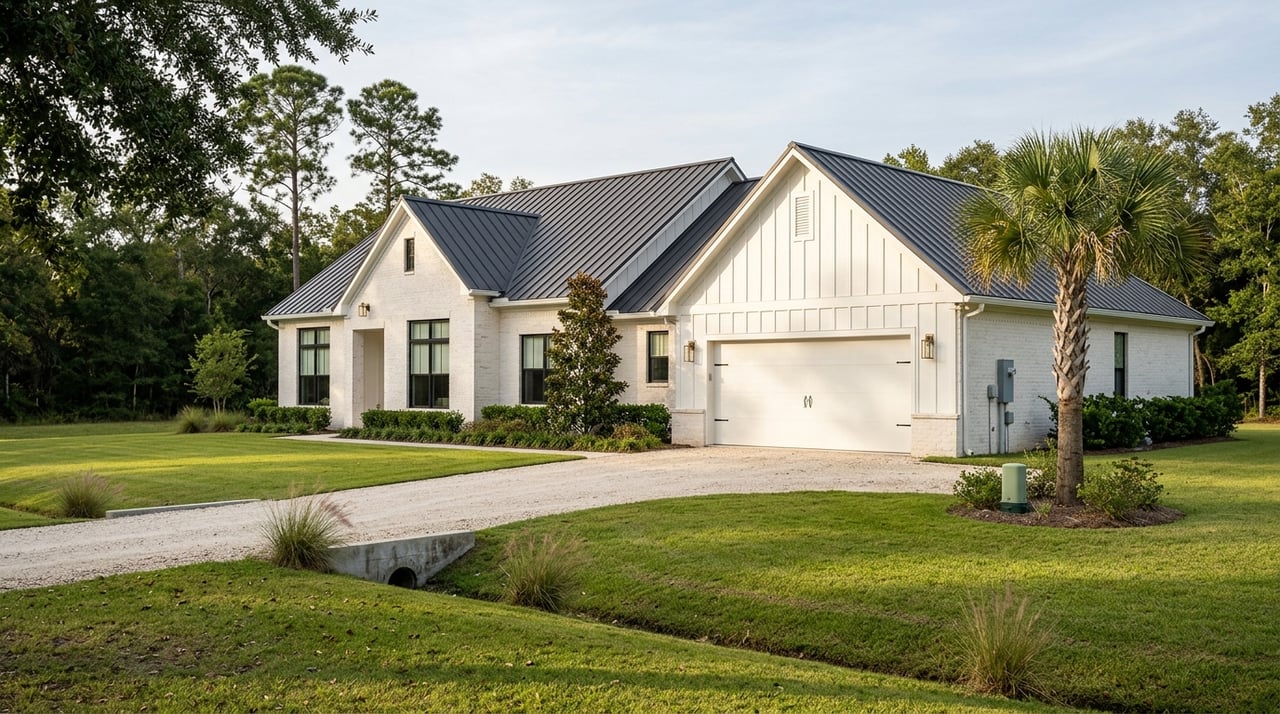
Dreaming about a home with a wide front porch, old-growth trees, and the kind of character you cannot build new? Buying a historic home in Micanopy can be incredibly rewarding, but it also asks you to look a little closer before you fall in love. If you want charm and a smart buying strategy, this guide will help you understand what to look for, what to inspect, and how Micanopy’s local rules can shape your plans. Let’s dive in.
Why Micanopy Historic Homes Stand Out
Micanopy’s historic core is part of a National Register historic district that was listed in 1983. The district runs roughly along Cholokka Boulevard from US 441 to Ocala Street, then along Smith Street west to Okehumkee Street.
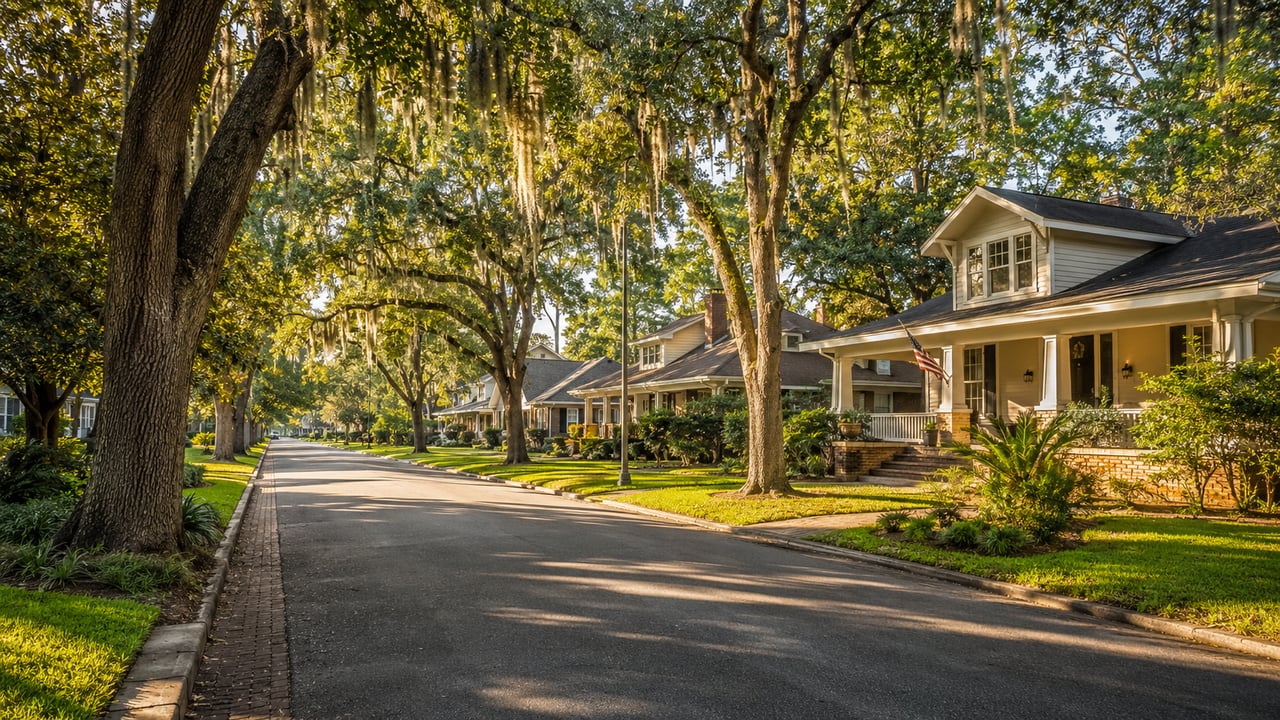
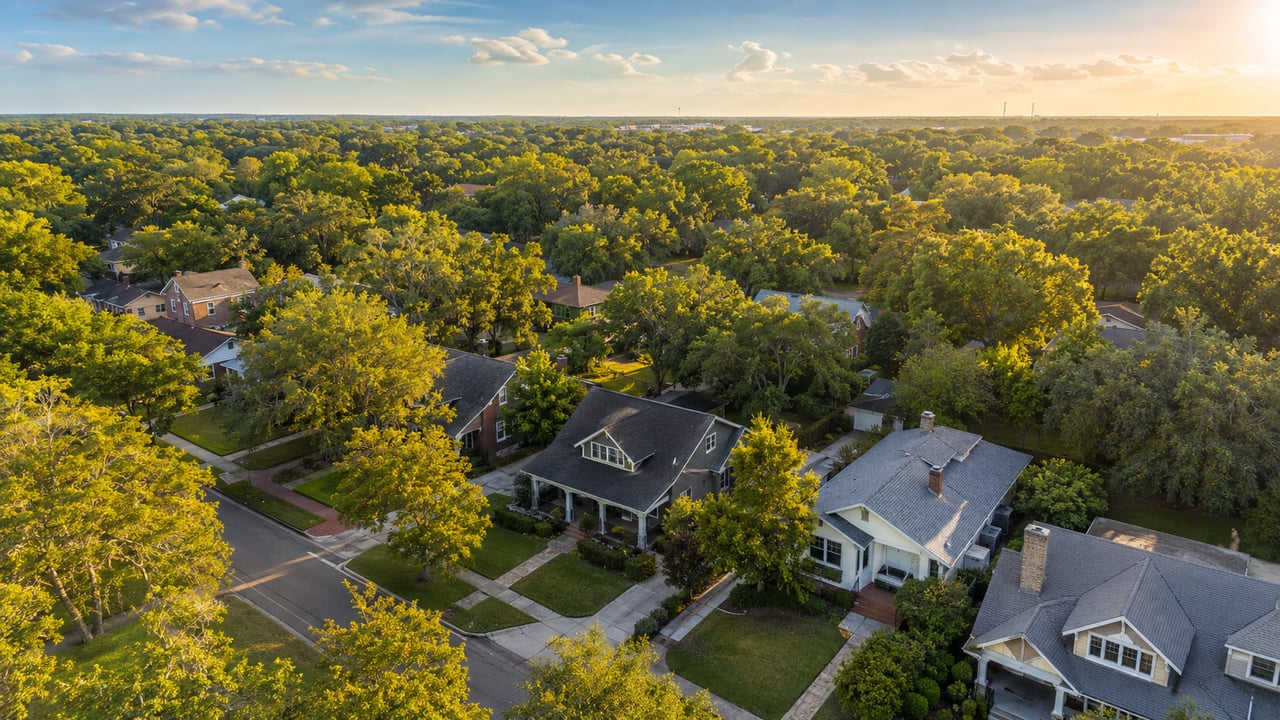
As you walk or drive through the area, you may notice a mix of late Victorian, Queen Anne, Frame Vernacular, Craftsman, and other mixed-period architecture. That variety is part of what gives Micanopy its distinct feel and makes historic homes here appealing to buyers who want personality, craftsmanship, and a stronger sense of place.
What Historic Character Looks Like
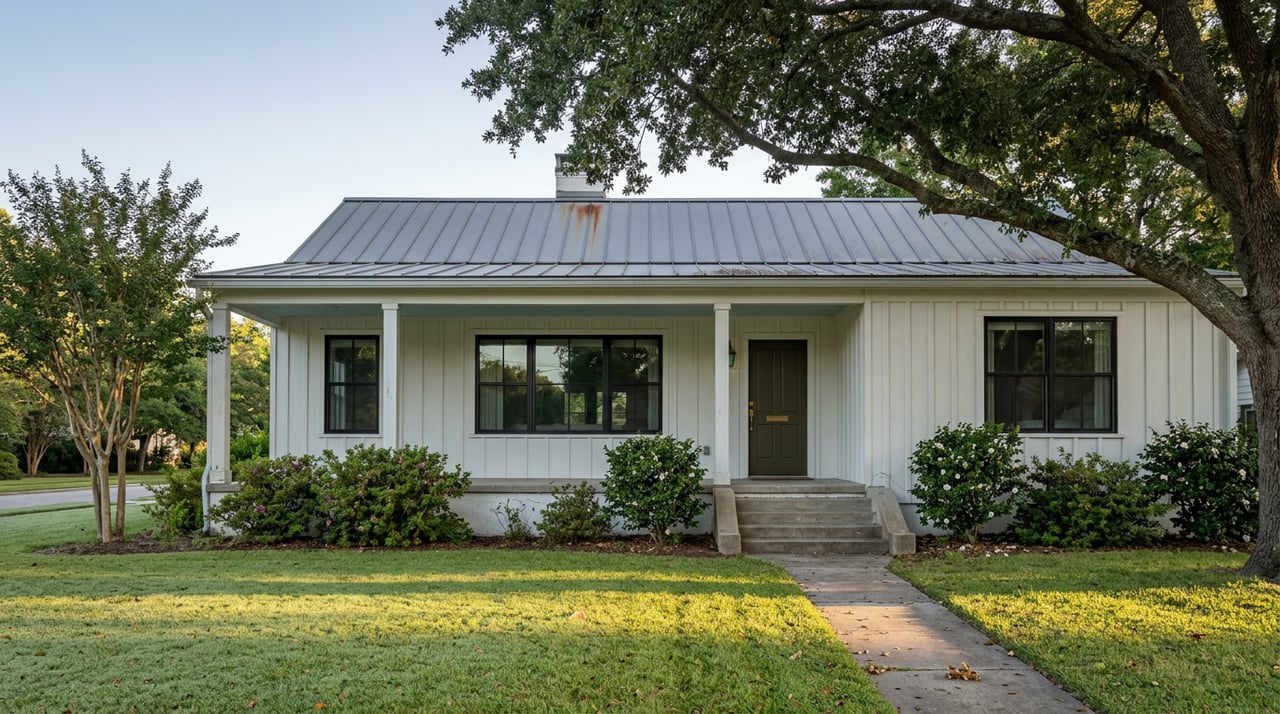
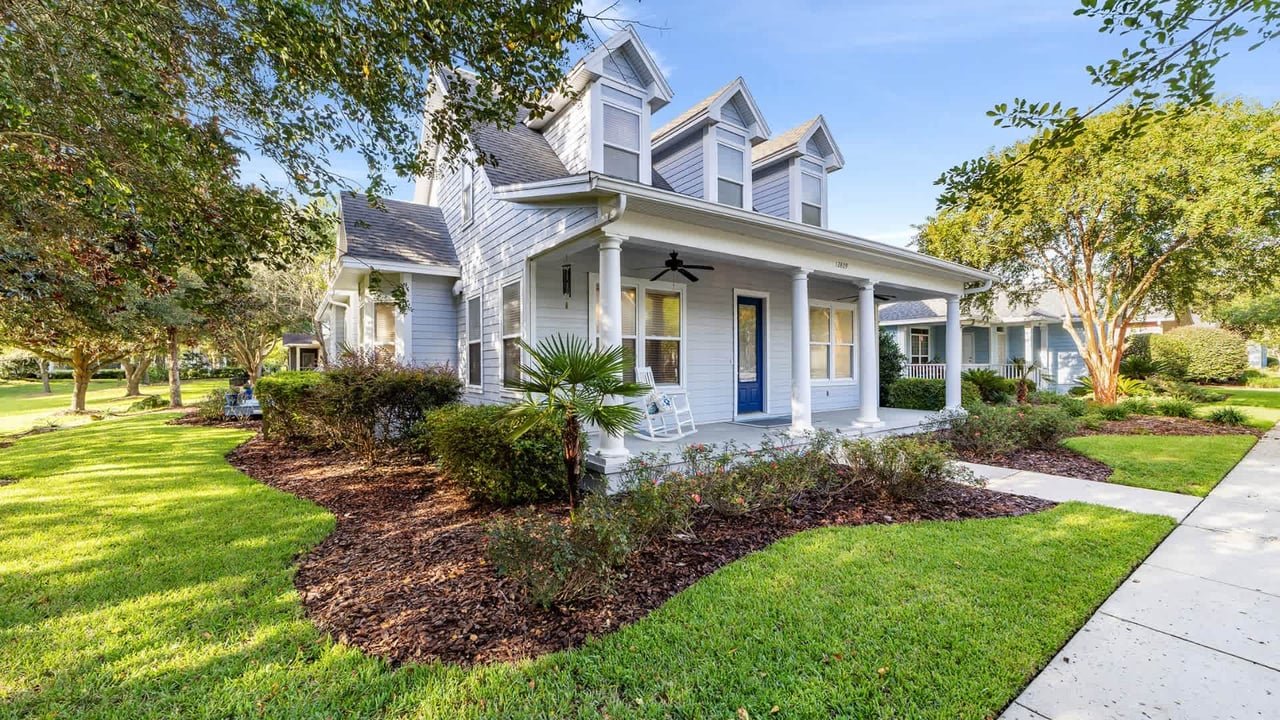
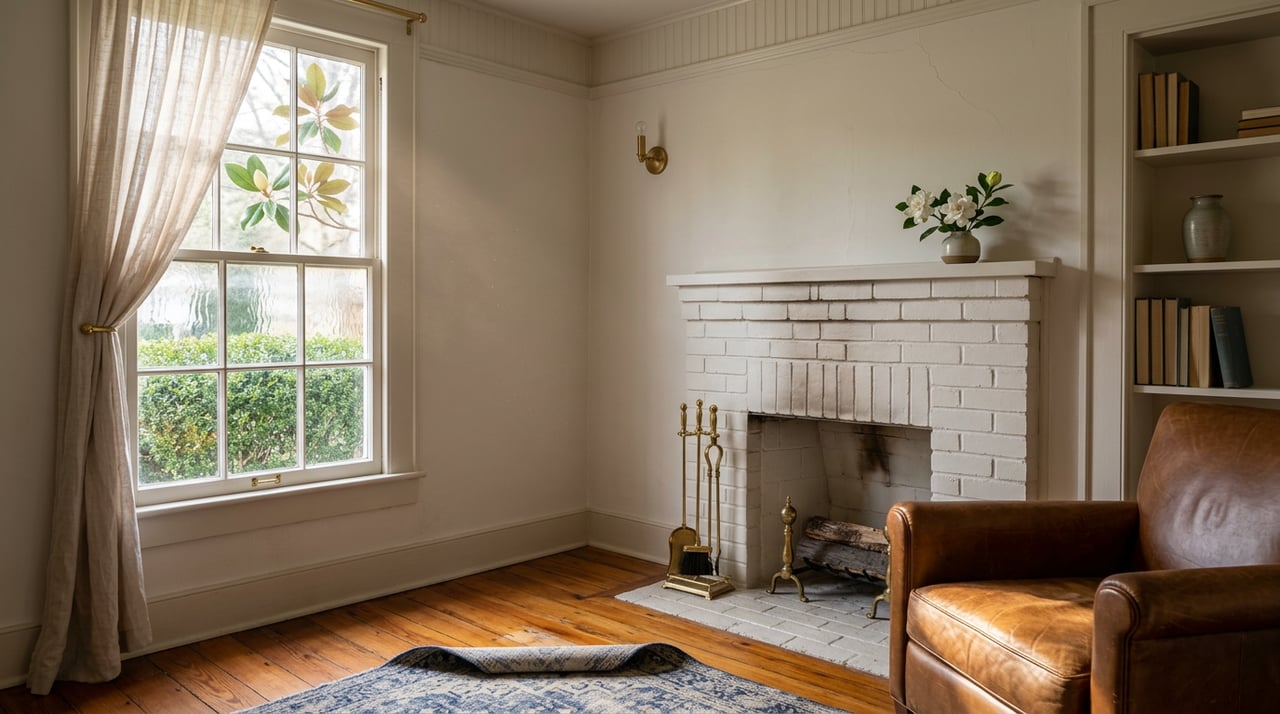
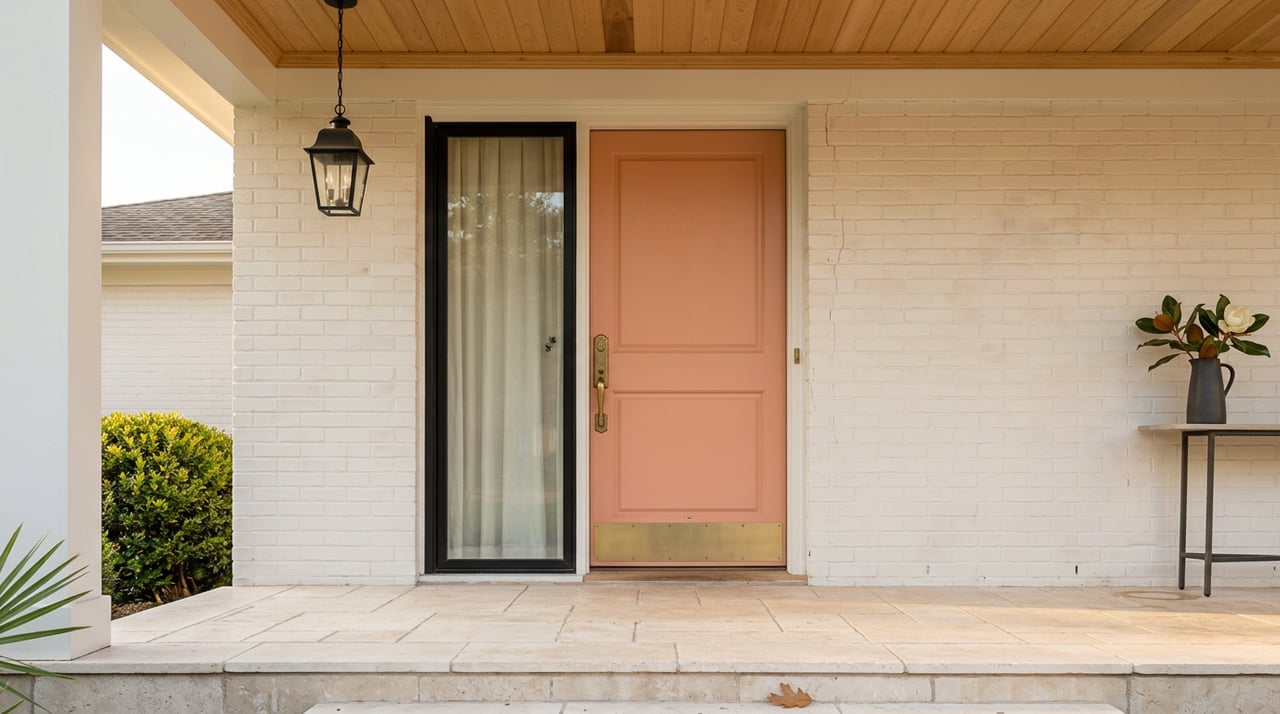
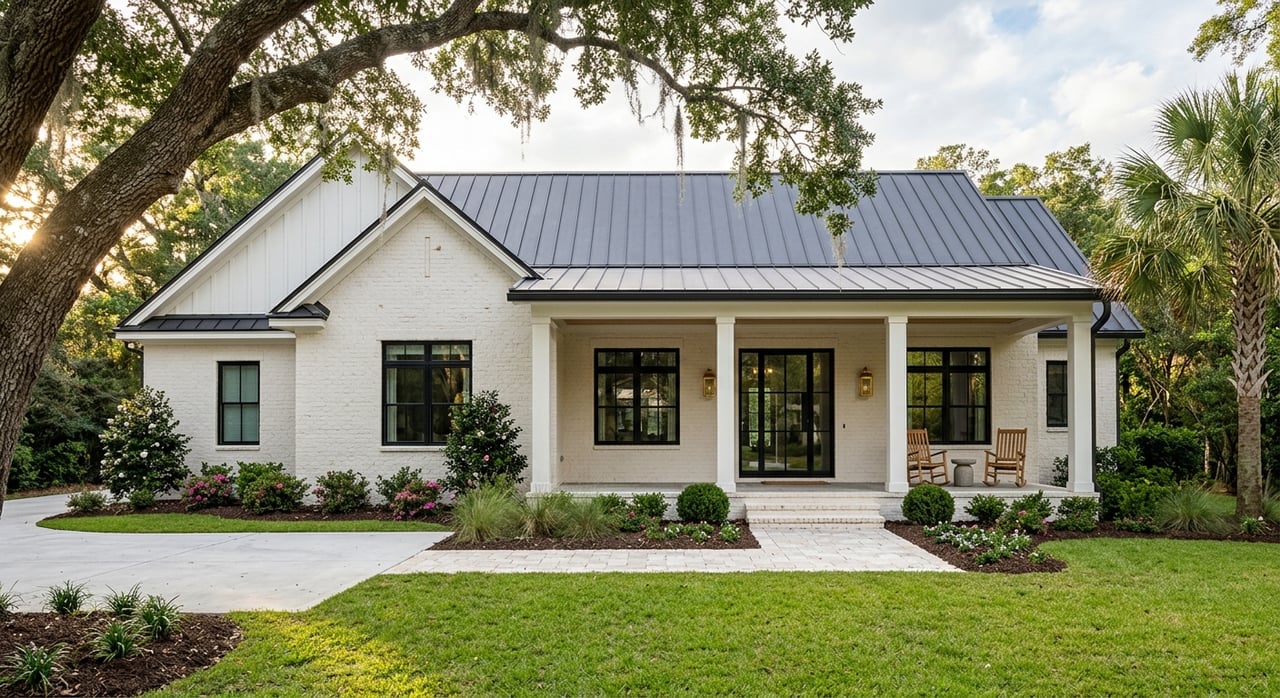
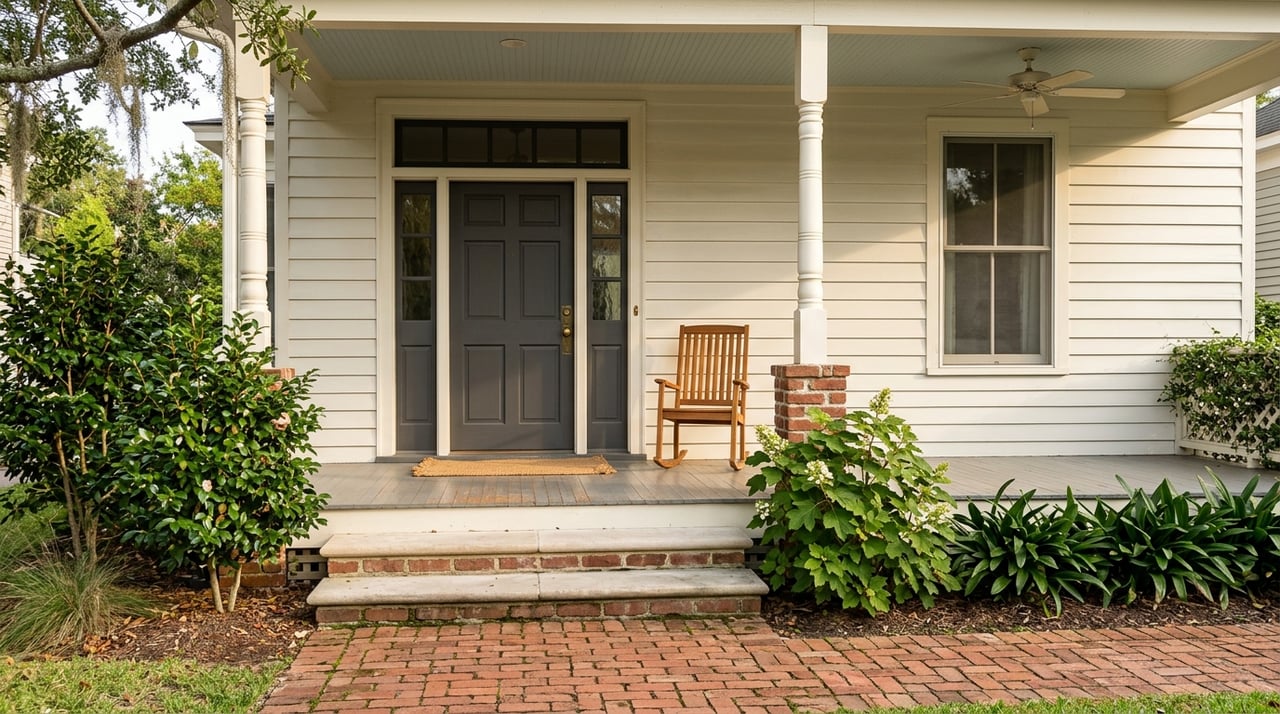
Many buyers are drawn to the details that make older homes feel special. In Micanopy, historic records describe features such as deep porches and verandahs, turrets, transoms, detached kitchens, picket fences, carved doors, brick details, pergolas, and simple clapboard or frame-vernacular forms.
That said, not every old feature is original. Some homes in the district were altered over time with replaced wood window sashes or enclosed porches, so it helps to know the difference between preserved details and later updates when you evaluate a property.
Understand National Register vs Local Rules
One of the biggest points of confusion for buyers is what historic designation actually means. A property’s National Register status by itself does not automatically restrict what a private owner can do under federal rules.
In Micanopy, the more important factor is the town’s local preservation framework. The town requires historic-review approval for many exterior changes in the historic district, and a Certificate of Appropriateness may be needed before the town issues a permit for exterior work.
How Micanopy’s Review Process Can Affect You
If you buy a home in the historic district, exterior projects may involve more review than you expect. The application process can address exterior appearance, color, texture, materials, and features such as the front, sides, rear, roof, outbuildings, and fences.
The town’s planning documents also state that preserving the district’s historic character is a local goal. The Planning and Historic Preservation Board meets on the fourth Tuesday of each month, and submittals for board review should be filed at least 15 days before the meeting to get on the agenda.
For you as a buyer, this matters because your renovation timeline may depend on local review. If you already know you want to repaint, rebuild a porch, replace a fence, or make other exterior changes, it is wise to understand that process before closing.
Inspect Moisture Issues Carefully
Florida’s climate makes moisture one of the most important issues in an older home. Warm, humid conditions can support mildew and mold growth, and UF/IFAS recommends keeping indoor relative humidity below 70%, ideally between 45% and 60%.
That is why a historic-home purchase in Micanopy should include a close look at roof leaks, drainage, ventilation, and any signs of past or ongoing water intrusion. Character is wonderful, but moisture problems can become expensive if they are missed early.
Watch for Common Moisture Clues
As you tour a property, pay attention to signs that may point to moisture trouble, including:
- Stained ceilings or walls
- Musty odors
- Soft wood near windows, doors, or porches
- Poor site drainage around the house
- Enclosed spaces with weak airflow
A general home inspection is important, but visible moisture concerns may justify additional evaluation depending on what the inspector finds.
Take Termite Risk Seriously
Termites are another major consideration in Florida, especially in older wood-frame homes. UF/IFAS notes that drywood termites can infest sound wood, dampwood termites are associated with moisture, and subterranean termites are the most destructive type in Florida.
Subterranean termites often attack wood that touches the ground or is reached by mud tubes. In a historic home, where older framing and porch elements may be part of the property’s appeal, that risk deserves careful attention.
Why a WDO Inspection Matters
A standard home inspection and a wood-destroying organism inspection are not the same thing. UF/IFAS explains that a licensed WDO inspector reports visible and accessible wood-destroying organisms and damage.
For a Micanopy historic home, ordering a separate WDO inspection is a strong fit. It gives you another layer of information before you commit, especially if the home shows signs of age, deferred maintenance, or moisture exposure.
Know the Limits of a Standard Home Inspection
Florida law defines a standard home inspection as a visual examination of readily accessible systems and components. That includes areas such as the structure, electrical, HVAC, roof, plumbing, interior, exterior, and site conditions.
That general inspection is a key step, but it does not replace more targeted checks when an older home has specialized concerns. If a property has older finishes, possible water intrusion, or signs of wood damage, you may need additional inspections to get a clearer picture.
Ask About Lead Paint in Older Homes
If the house was built before 1978, lead-based paint should be on your radar. Federal disclosure rules apply to most housing built before 1978, and sellers must provide known records about lead-based paint hazards.
Buyers also have the right to a 10-day window for a lead inspection or risk assessment. If you plan to renovate after closing, it is smart to use certified lead professionals before any repair, painting, or remodeling that could disturb old coatings.
Check Well and Septic Details Separately
Some homes in and around Micanopy may rely on a private well or septic system. Those items should be treated as separate due-diligence steps rather than assumptions within a general home inspection.
The Florida Department of Health says private well testing is not required when a home is sold, but it strongly recommends testing for coliform bacteria, nitrates, and lead. For septic systems, Alachua County’s health department still handles onsite sewage permitting and inspections in this area.
What to Request From the Seller
If the property has a well or septic system, ask for:
- Recent water test results
- Maintenance records
- Pumping history, if available
- Permit and inspection records
- Any known repair history
These records can help you understand current condition and future maintenance expectations.
Review Flood Risk Early
Flood risk is another smart item to review before you buy. FEMA flood maps are the official starting point for understanding a property’s mapped flood risk, and flood insurance is available even outside high-risk areas.
For buyers, the practical takeaway is simple: check the flood map and speak with your insurer early. That can help you understand both risk and potential insurance costs before you finalize your decision.
Confirm Historic District Status Before Closing
Not every older home in Micanopy carries the same historic context. A useful step is to confirm whether the property is inside the historic district and whether it is identified as contributing, altered, or non-contributing in the district record.
This can shape your expectations about preservation sensitivity and future renovation flexibility. It can also help you better understand which features may be part of the home’s historic identity and which may be later changes.
Consider Homestead Exemption if You Will Live There
If you plan to make the home your primary residence, Alachua County’s homestead exemption may be relevant. According to the Alachua County Property Appraiser, eligibility is generally tied to owner occupancy, legal or equitable title, and permanent residence as of January 1, with application by March 1.
The exemption can reduce assessed value by up to $50,000. While that should not drive your entire decision, it is an important ownership detail to keep in mind as you plan your move and budget.
A Smart Buyer’s Checklist
When you are considering a historic home in Micanopy, keep this checklist handy:
- Confirm whether the home is inside the historic district
- Check whether it is listed as contributing, altered, or non-contributing
- Order a general Florida home inspection
- Order a separate WDO inspection
- Investigate any moisture, mold, or drainage concerns
- Request lead-paint disclosures for homes built before 1978
- Review well and septic records if applicable
- Check FEMA flood maps and talk with your insurer early
- Learn whether your planned exterior changes may require a Certificate of Appropriateness
Buy With Eyes Open
A historic home in Micanopy can offer real beauty, lasting character, and a lifestyle that feels hard to replicate elsewhere. The key is not to avoid older homes, but to buy with a clear understanding of condition, maintenance needs, and local review rules.
When you take the time to inspect carefully and plan ahead, you can enjoy the charm that drew you in without being surprised by issues later. In a market like Micanopy, that kind of informed approach is exactly what helps a special home remain a smart purchase.
If you are exploring historic homes in Micanopy or anywhere in North Central Florida, Anson Properties offers the local guidance, calm communication, and detail-focused support that can make your next move feel much more confident.
FAQs
What makes a home historic in Micanopy?
- In Micanopy, a home may be located within the town’s National Register historic district, and its status may be identified in district records as contributing, altered, or non-contributing.
Does National Register status restrict changes to a Micanopy home?
- National Register listing alone does not impose federal restrictions on a private owner, but Micanopy’s local code may require historic-review approval for many exterior changes in the historic district.
What inspections should you get when buying a historic home in Micanopy?
- A strong due-diligence plan includes a general Florida home inspection, a separate WDO inspection, and additional evaluation for moisture or mold concerns if visible issues are present.
Why is moisture such a big issue in older Florida homes?
- Florida’s warm, humid climate can support mildew and mold growth, so buyers should pay close attention to roof leaks, drainage, ventilation, and humidity control in an older home.
Should you worry about termites in a Micanopy historic home?
- Yes, termites are a common Florida risk, and UF/IFAS notes that subterranean termites are especially destructive, which is why a separate WDO inspection is a smart step.
What should buyers know about lead paint in older Micanopy homes?
- For most homes built before 1978, sellers must provide lead-based paint disclosures and known records, and buyers have a 10-day opportunity for a lead inspection or risk assessment.
How do well and septic systems affect a Micanopy home purchase?
- If a property uses a private well or septic system, you should request testing, maintenance history, and permit or inspection records because those systems need separate due diligence.
Can a buyer get homestead exemption on a Micanopy home?
- If you will occupy the property as your permanent residence and meet Alachua County’s requirements, the homestead exemption may reduce assessed value by up to $50,000.