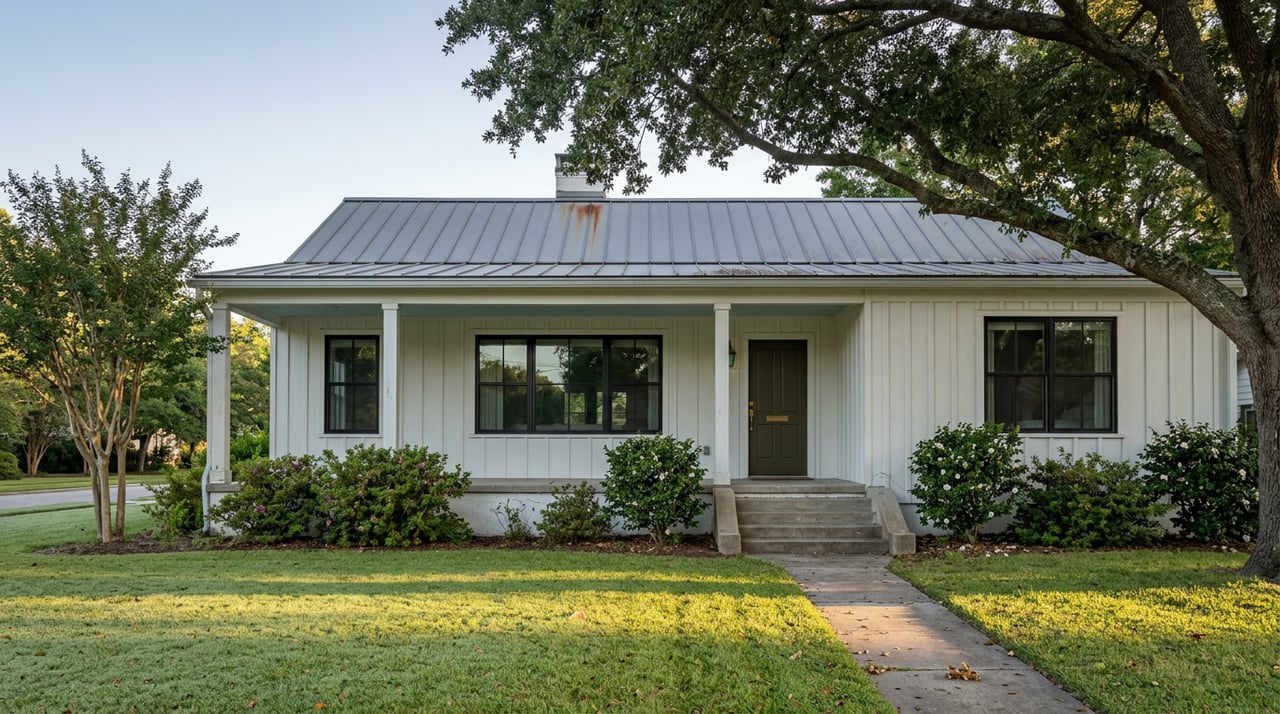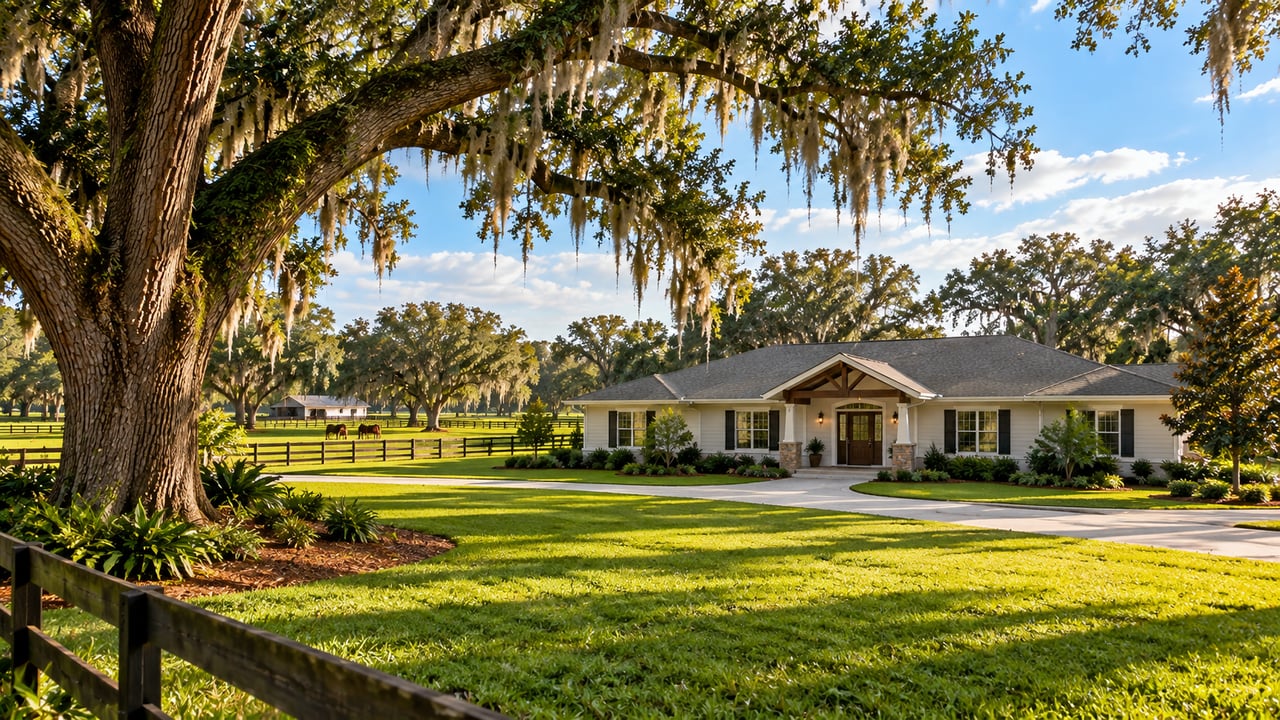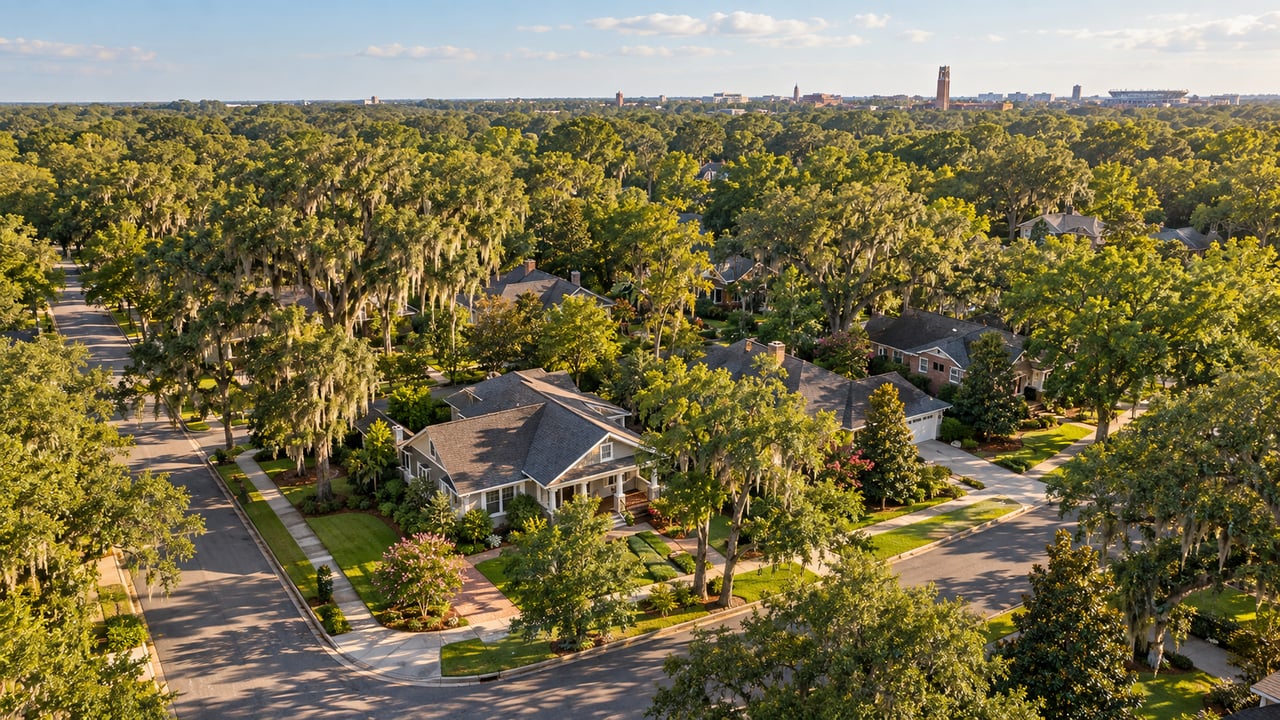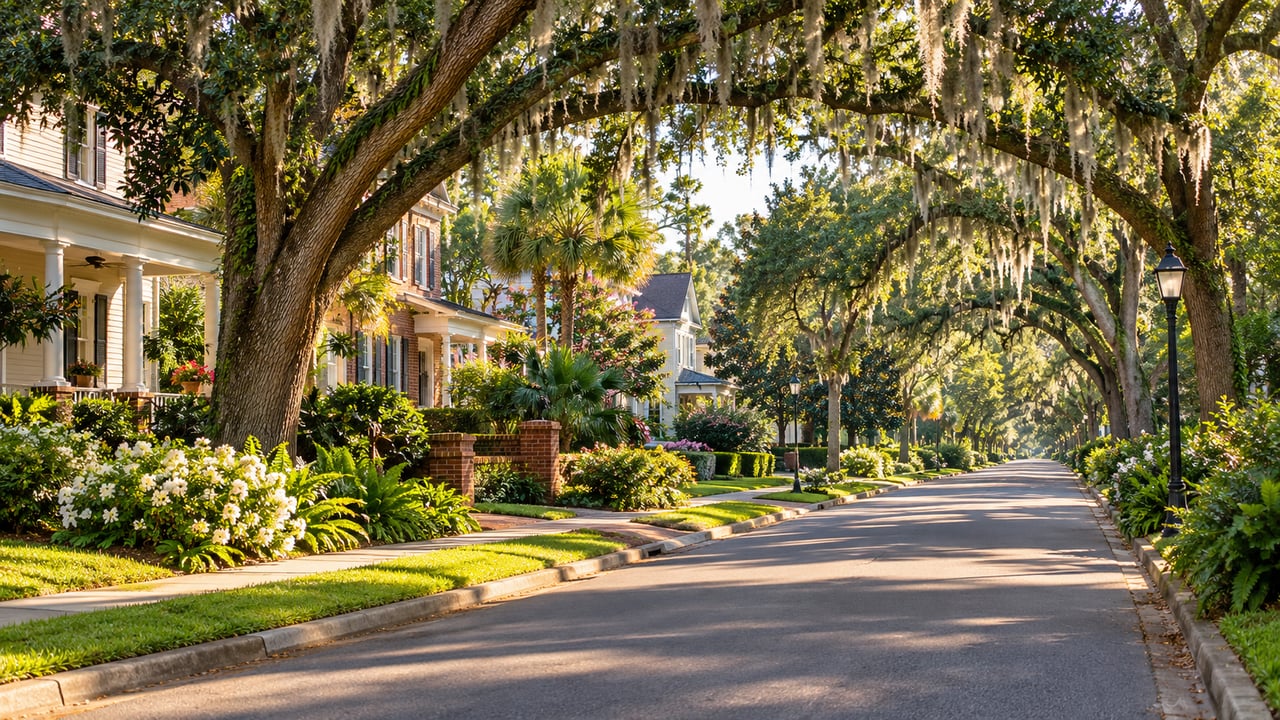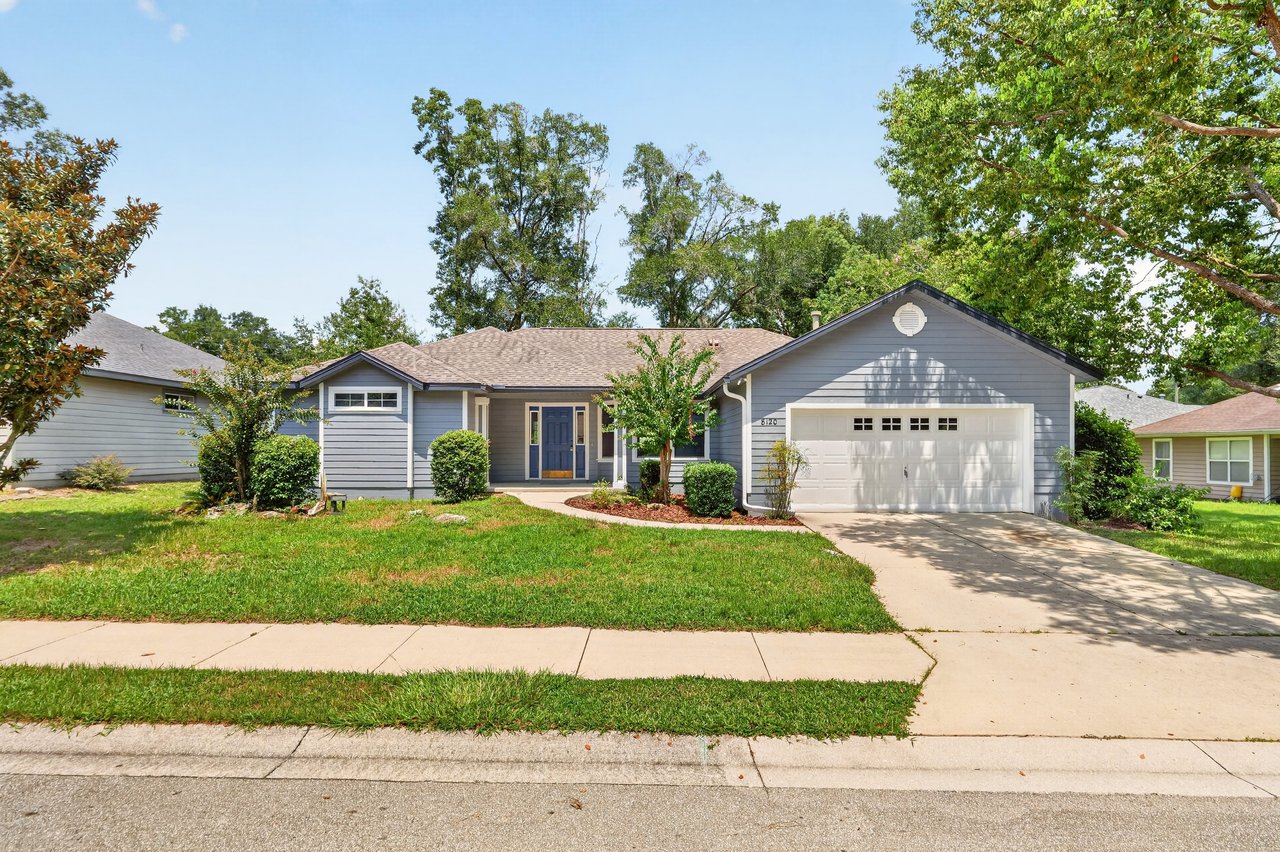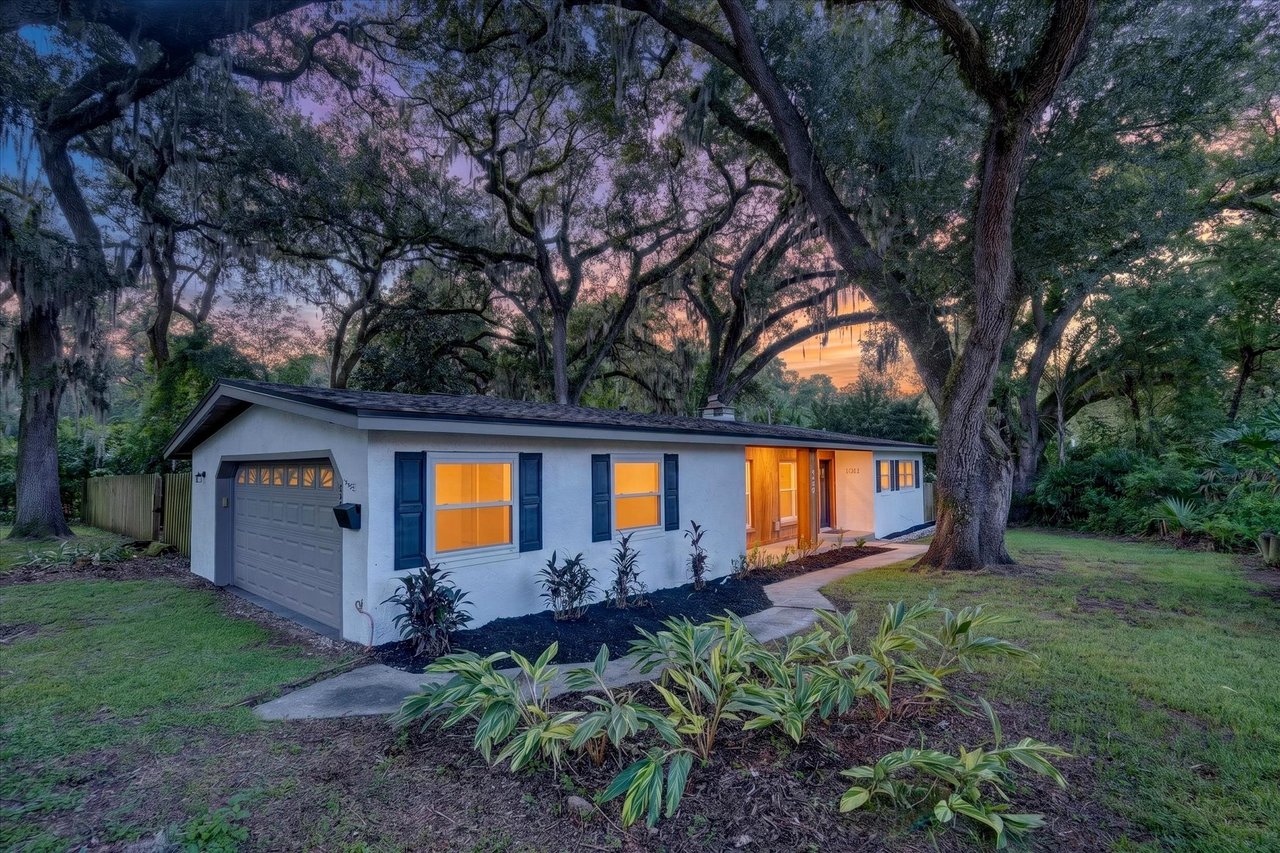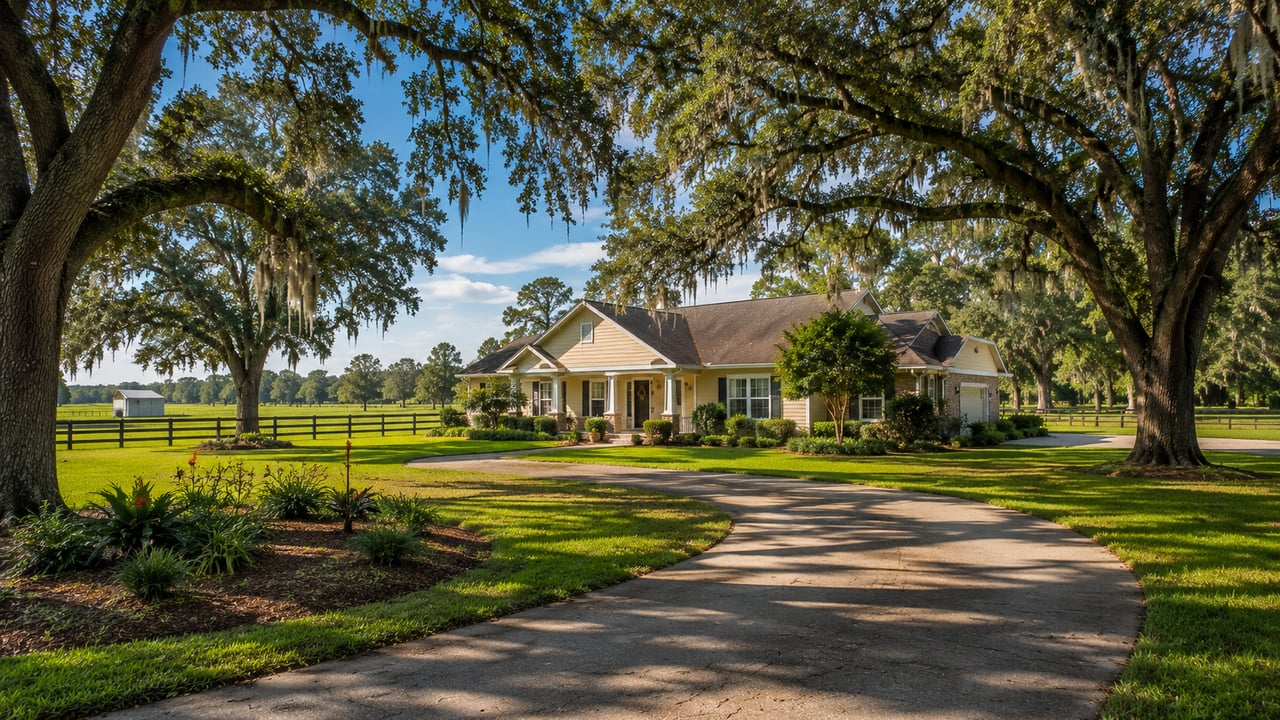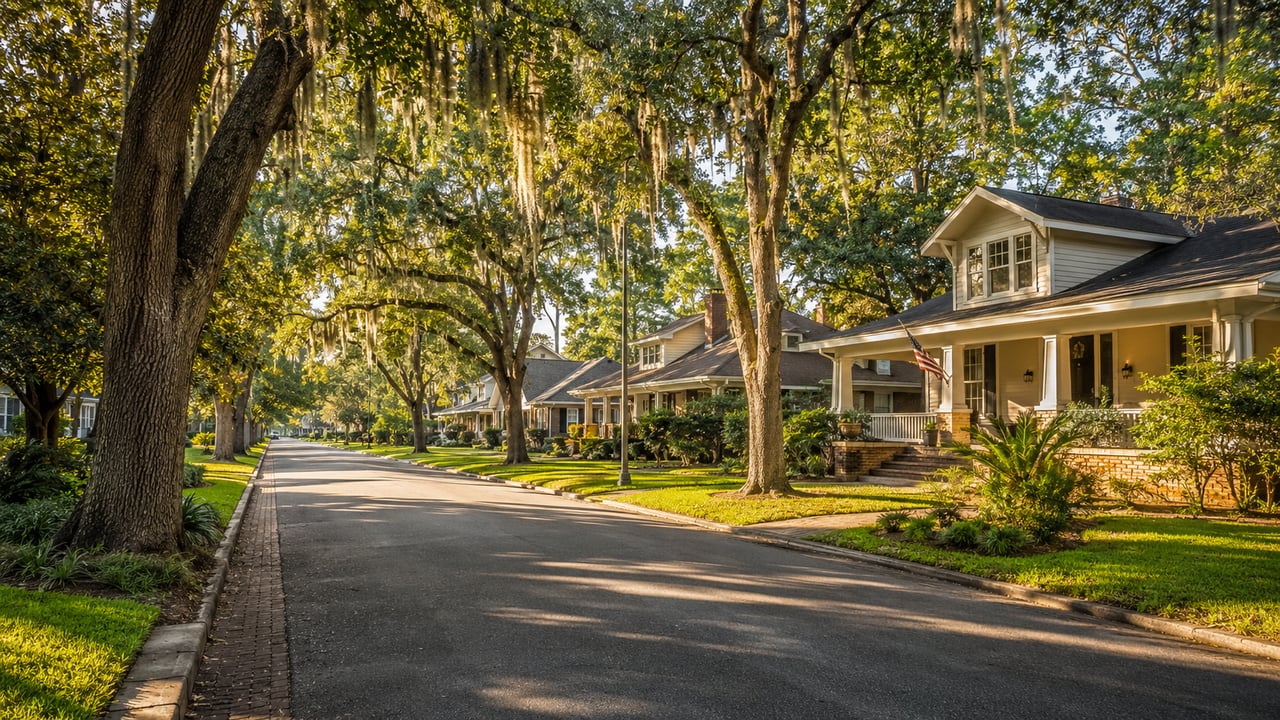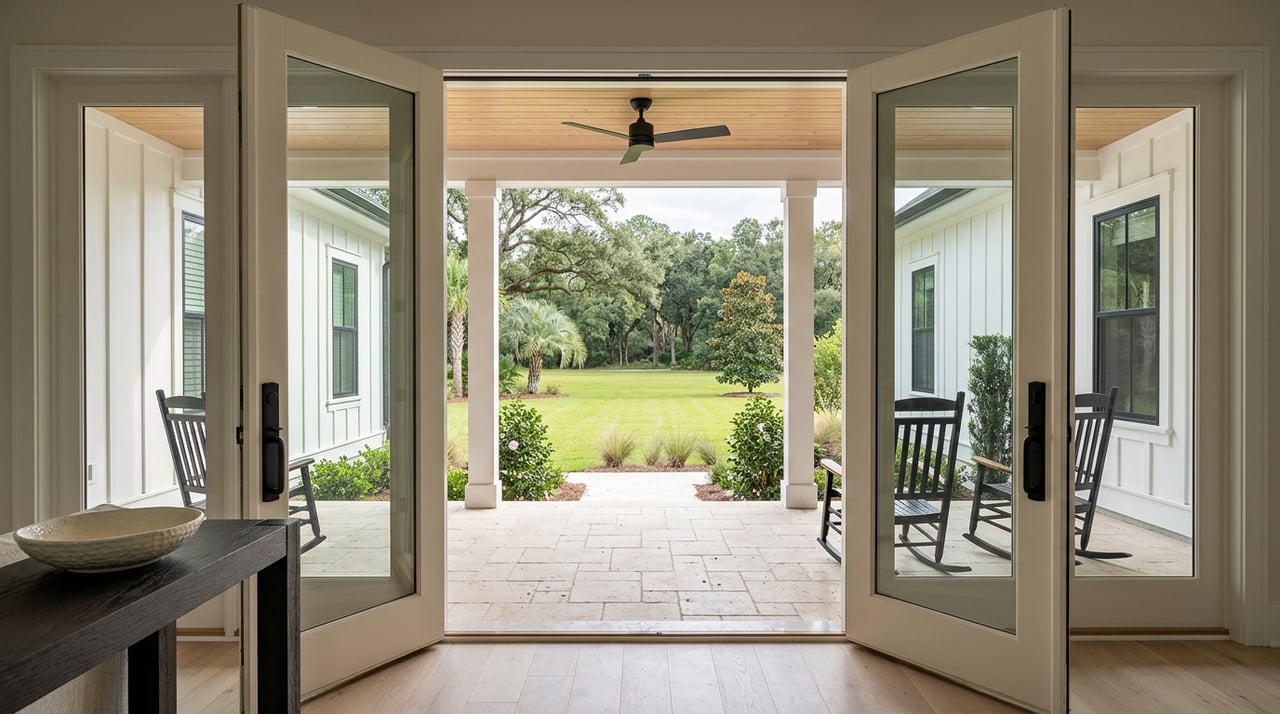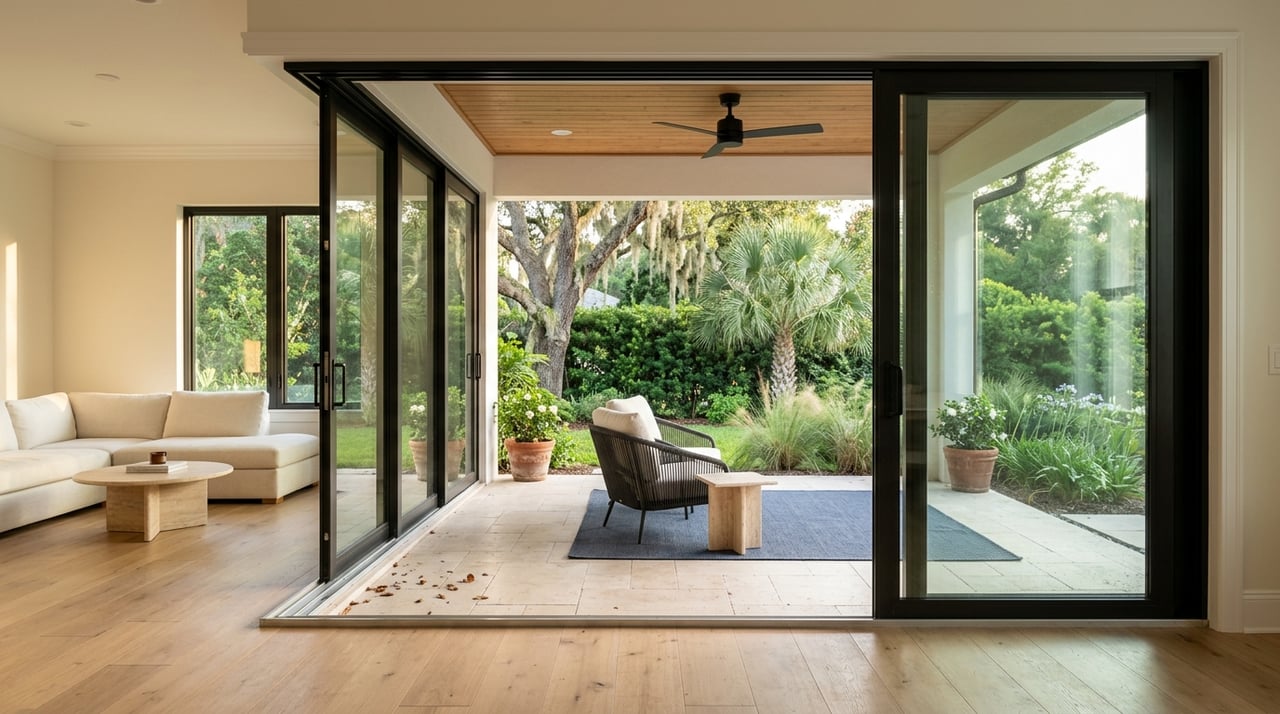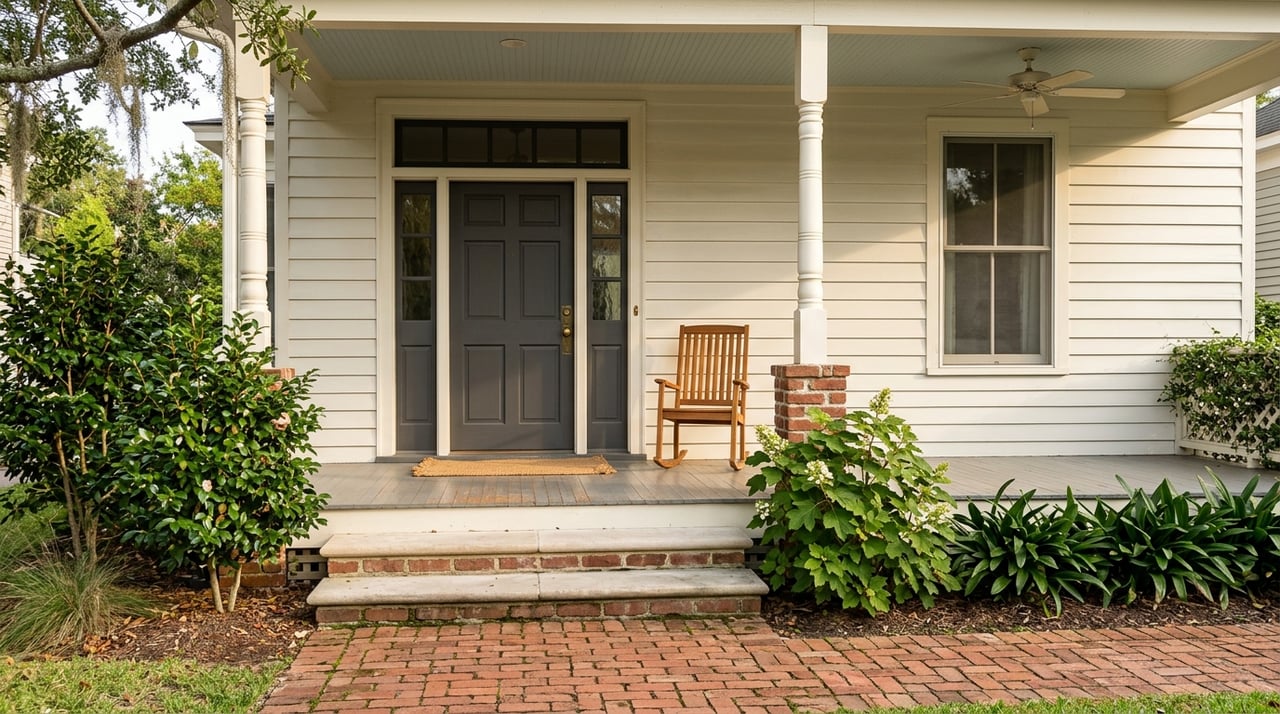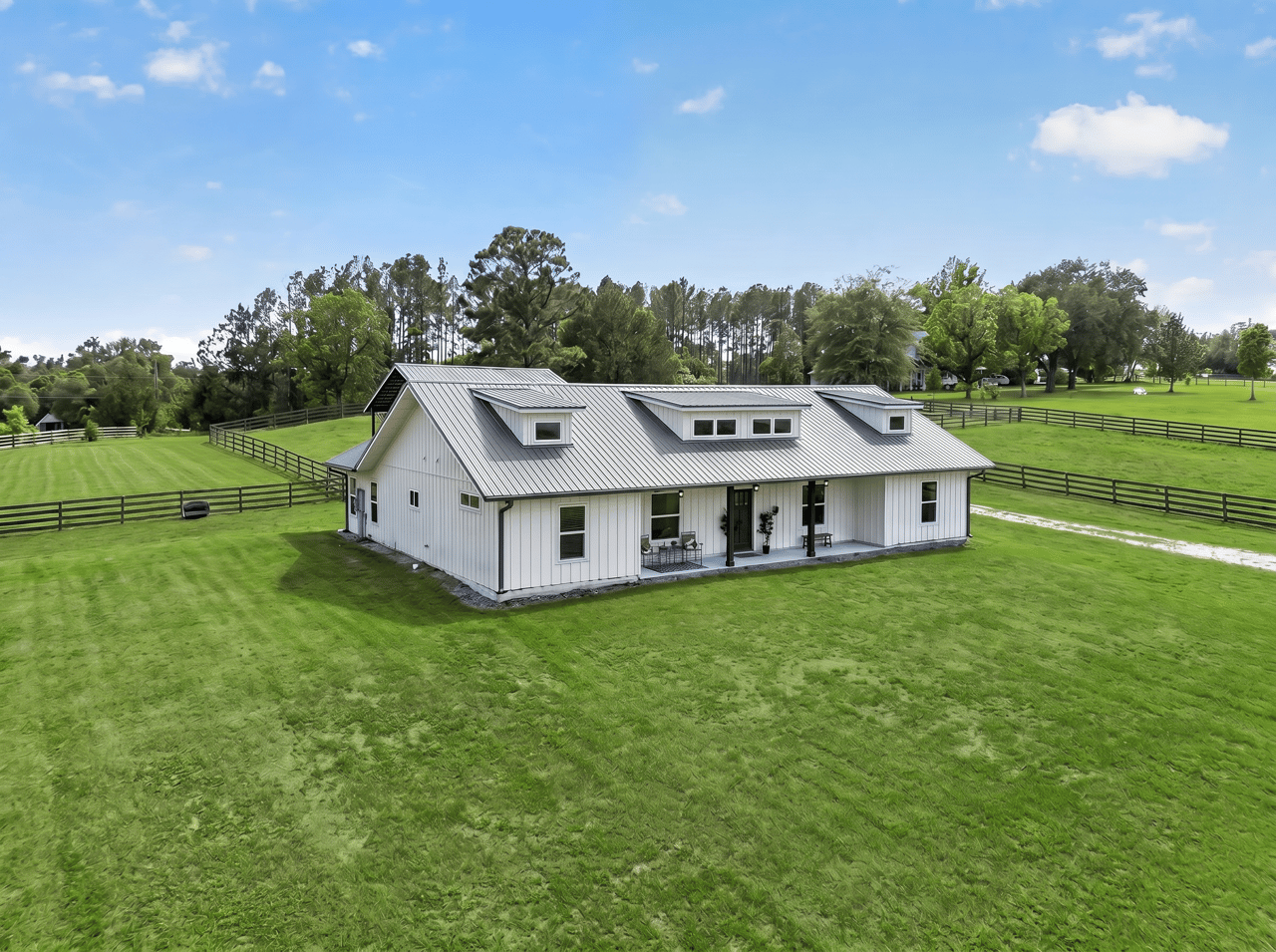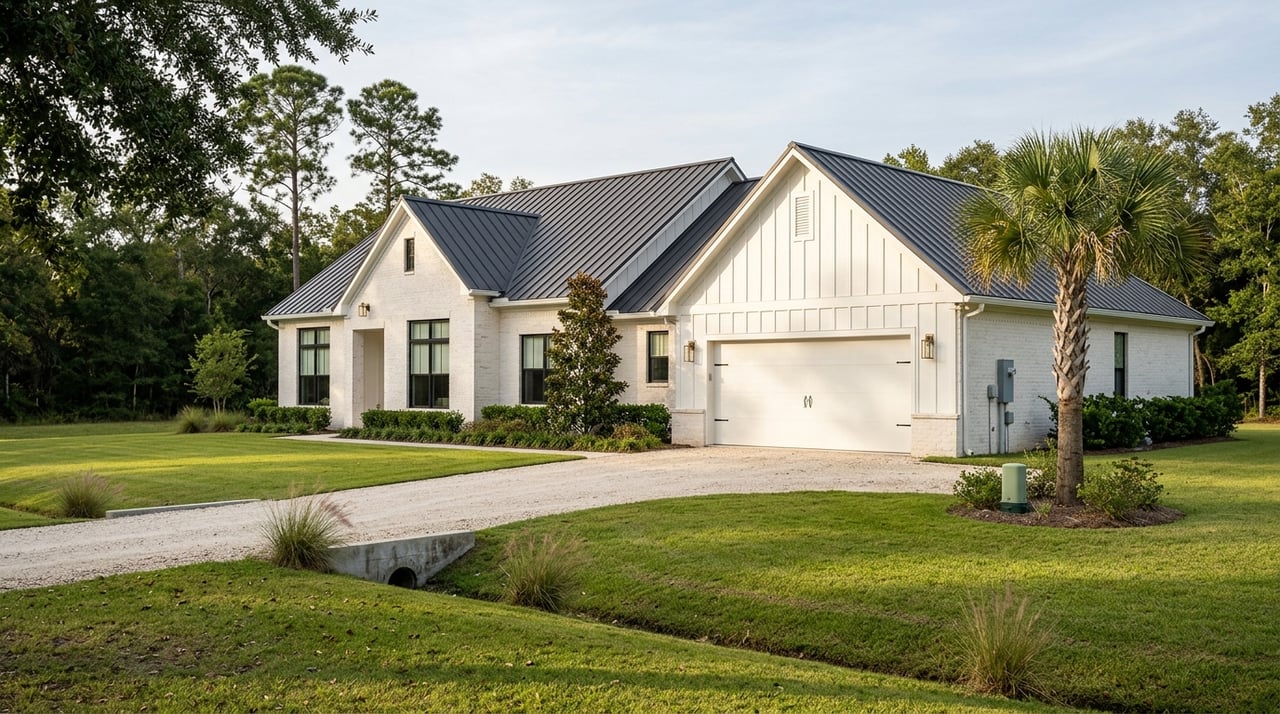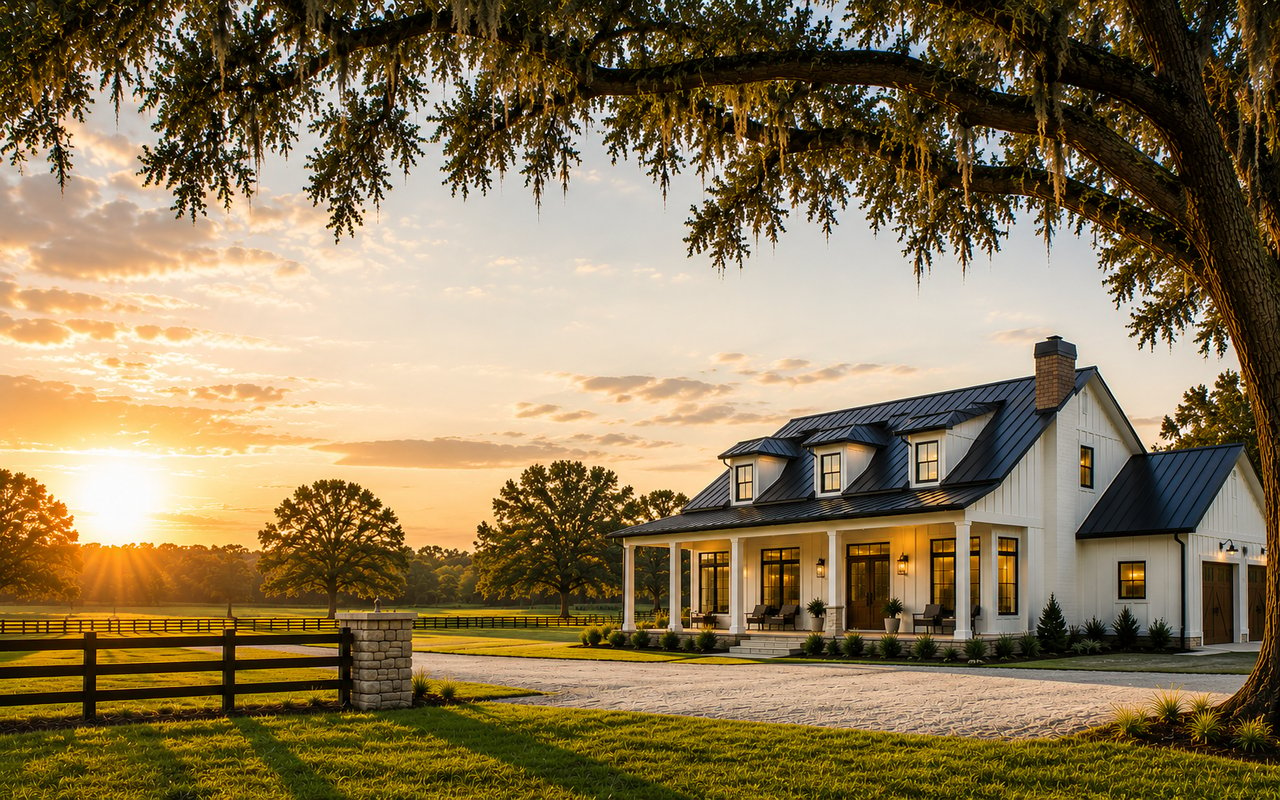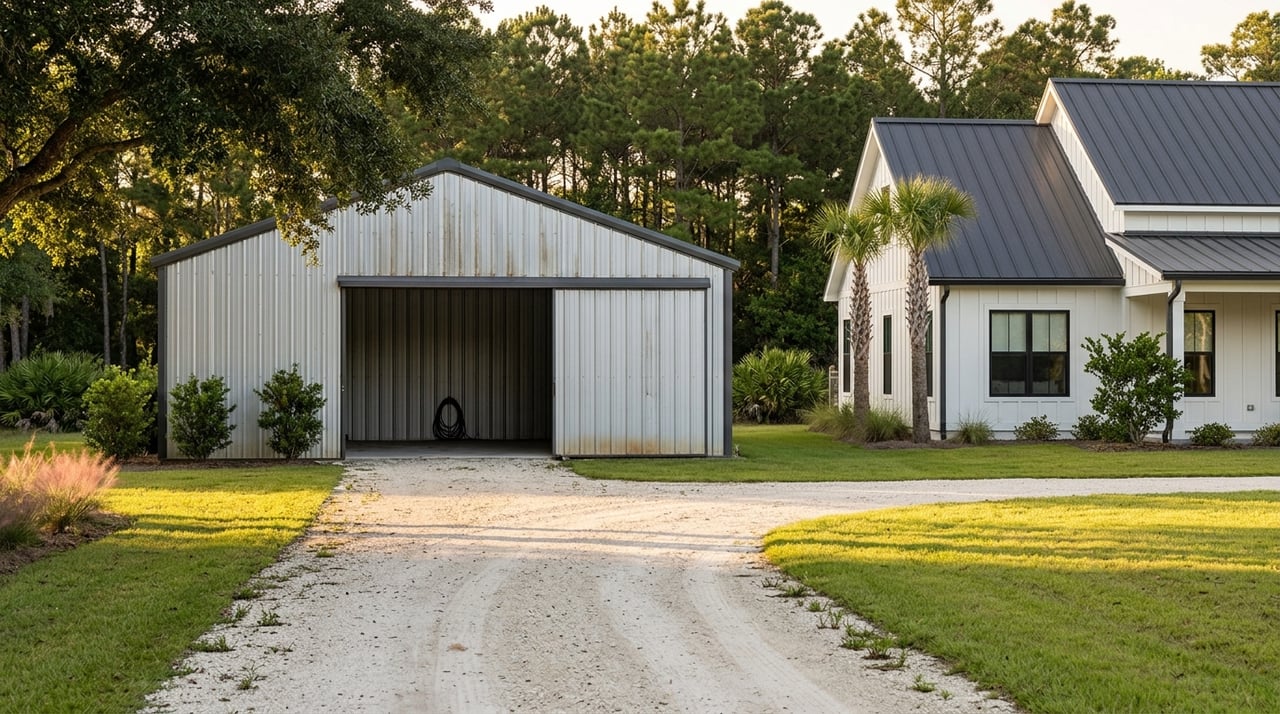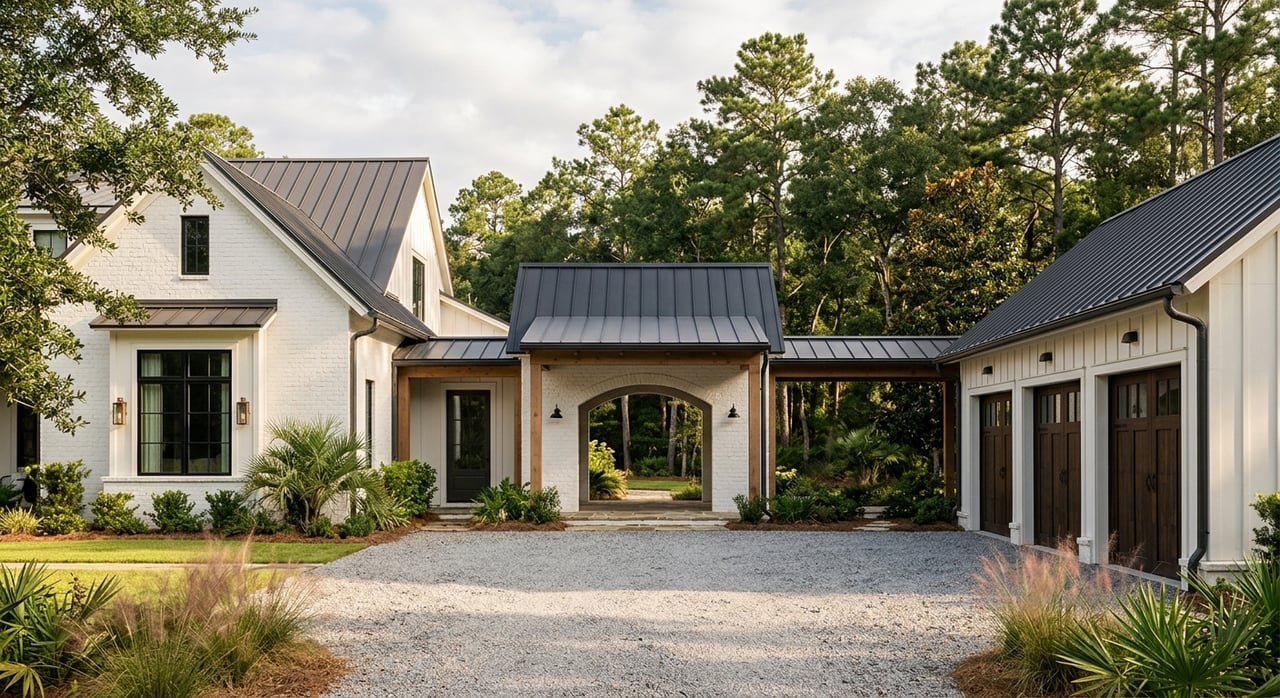
Craving more space is easy. Living well on that space is where the real decision begins. If you are thinking about acreage near Gainesville, you are probably picturing privacy, room to spread out, and a quieter daily rhythm, but you also want to know what everyday life actually feels like. This guide gives you a practical snapshot of acreage living in Alachua County so you can weigh the lifestyle with clear eyes. Let’s dive in.
Acreage Near Gainesville Feels Different
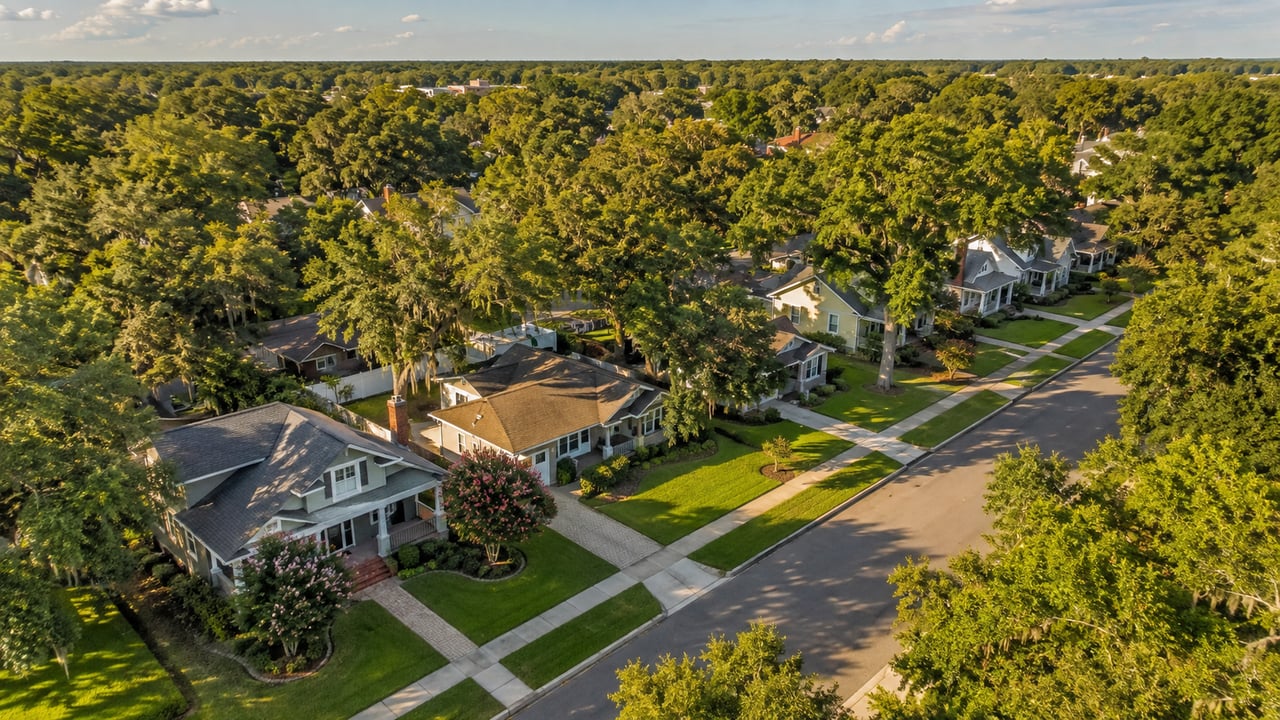
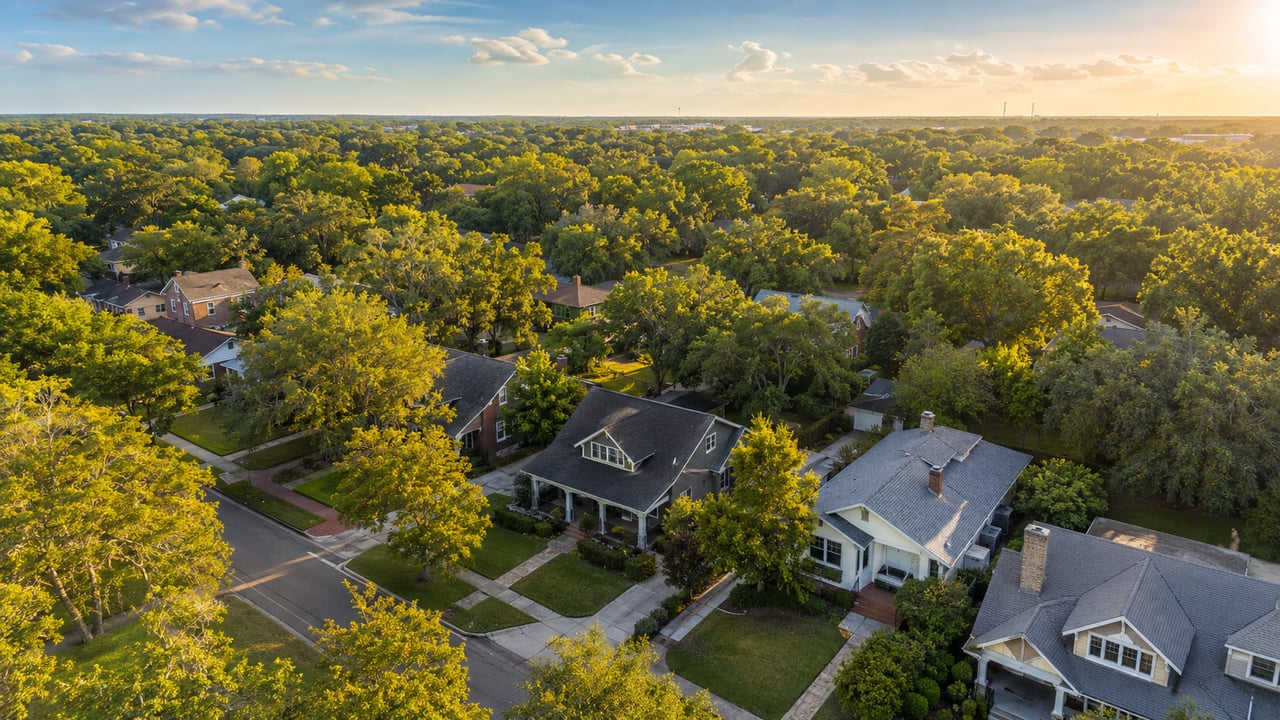
Acreage living near Gainesville starts with one simple fact: you are moving into a much more spread-out setting than the city itself. In 2024, Alachua County had 291,782 residents across 875.64 square miles, while Gainesville had 148,720 residents across 63.15 square miles. That difference in density shapes almost everything about daily life.
In practical terms, more land usually means more separation between homes, roads, and daily stops. You may gain privacy and elbow room, but you will also likely rely more on your car and spend more time planning errands. For many buyers, that tradeoff is exactly the appeal.
Rural Infrastructure Works Differently
One of the biggest surprises for buyers is that acreage often comes with a different infrastructure setup, not just a larger lot. Alachua County’s comprehensive plan distinguishes between urban-cluster development and Rural/Agriculture areas. In certain Rural/Agriculture settings, lots of record within a designated Rural Cluster of 1/2 acre or greater may use well and septic if they meet state standards.
That matters because a rural property may not function like an in-town home connected to centralized water and sewer. Instead, you may be responsible for understanding and maintaining your own well and septic system. If you are new to acreage, that is one of the first lifestyle shifts to understand.
Well and Septic Are Part of Daily Ownership
Outside a limited number of Florida counties, local county health departments handle septic permitting and inspections. In Alachua County, the Department of Health is part of that process. The county health department also notes that private wells should be tested for bacteria annually.
For you as a buyer, this means utilities are not something to treat as background details. They affect how the home operates, what upkeep you will need to plan for, and how you use the land around the house.
Outdoor Space Is a Real Lifestyle Upgrade
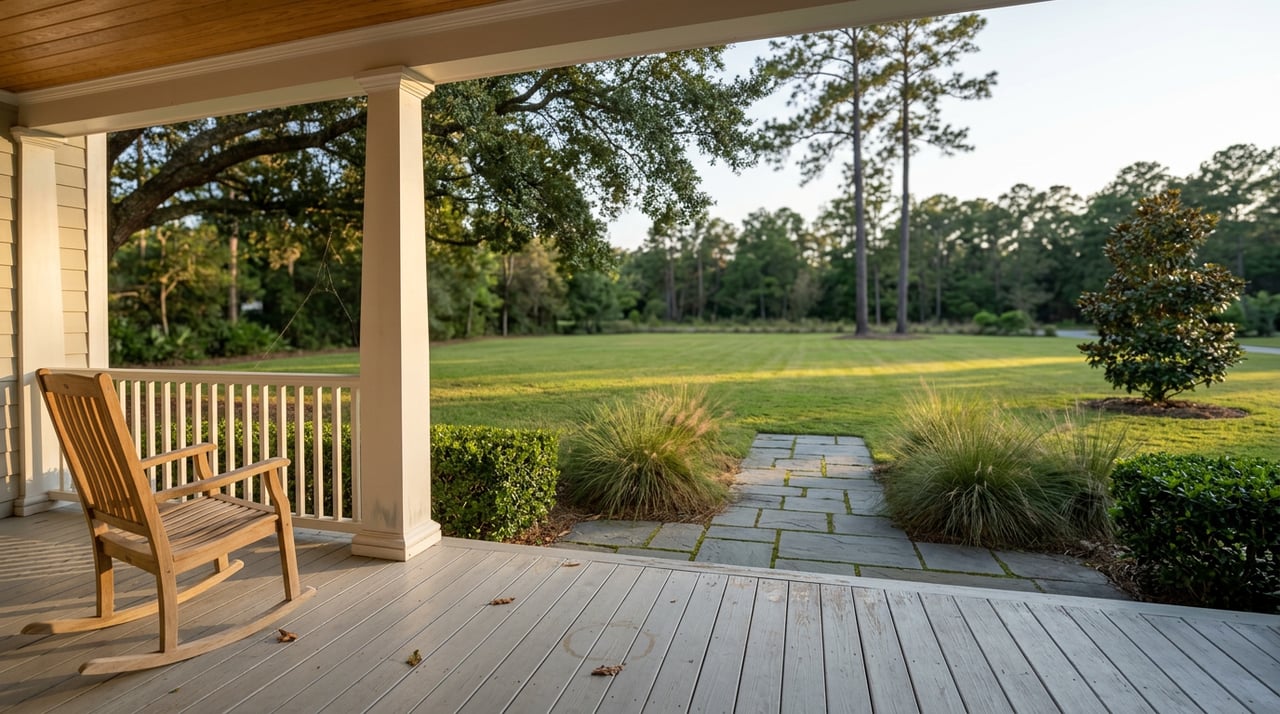
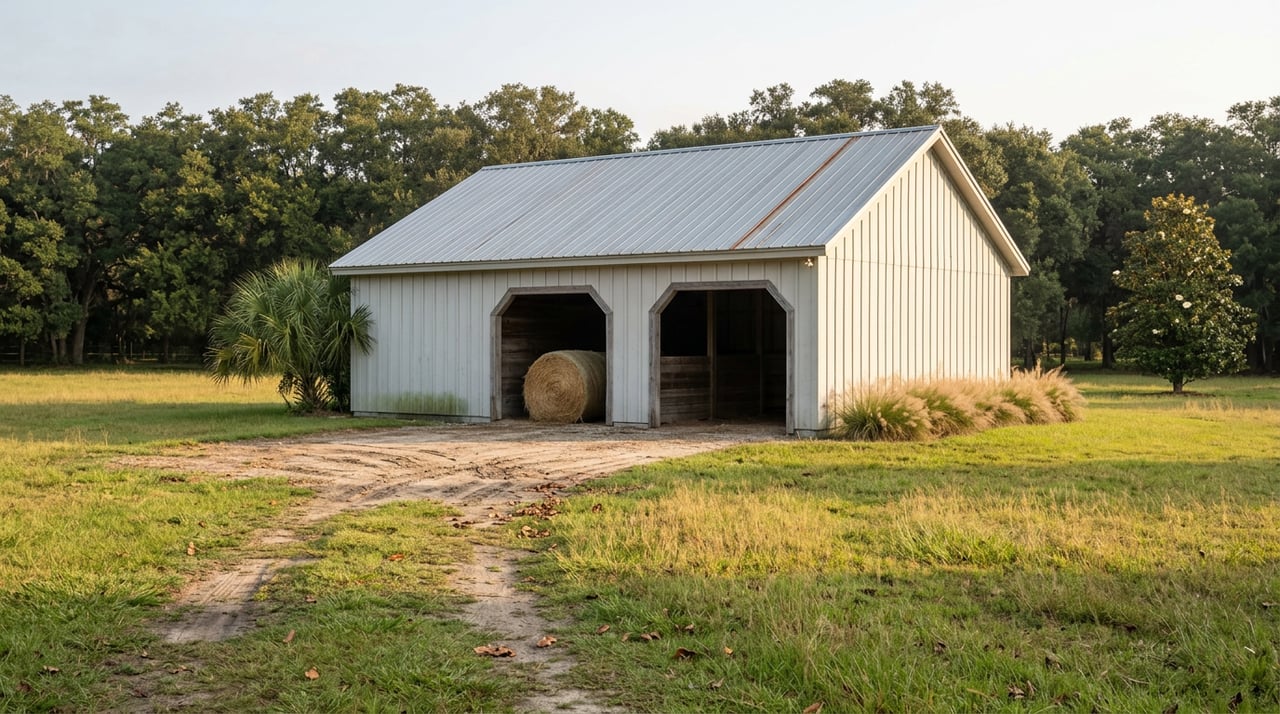
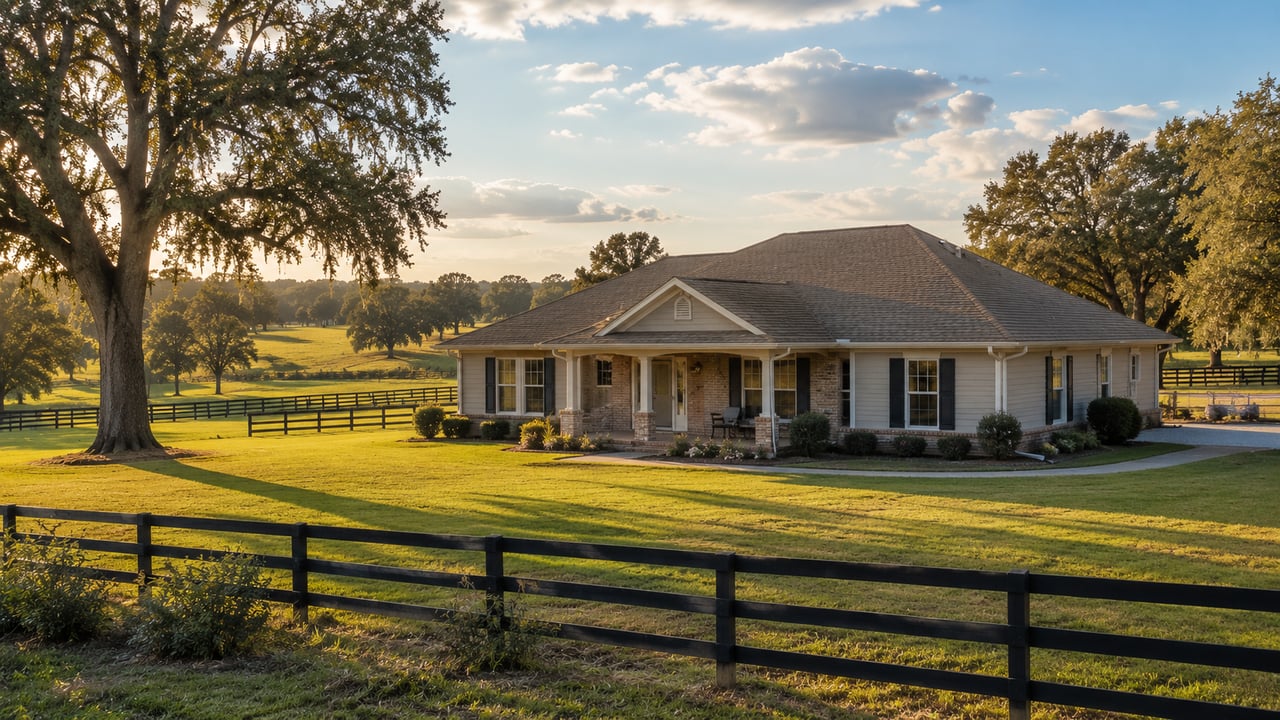
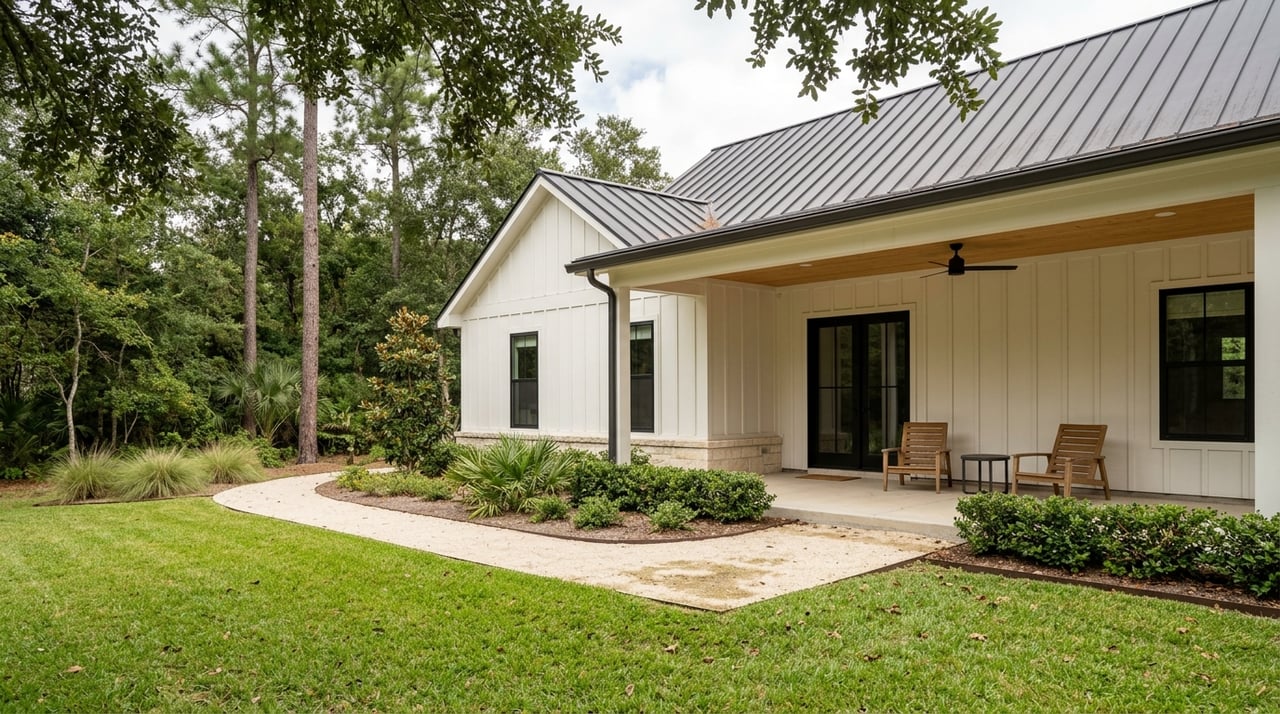
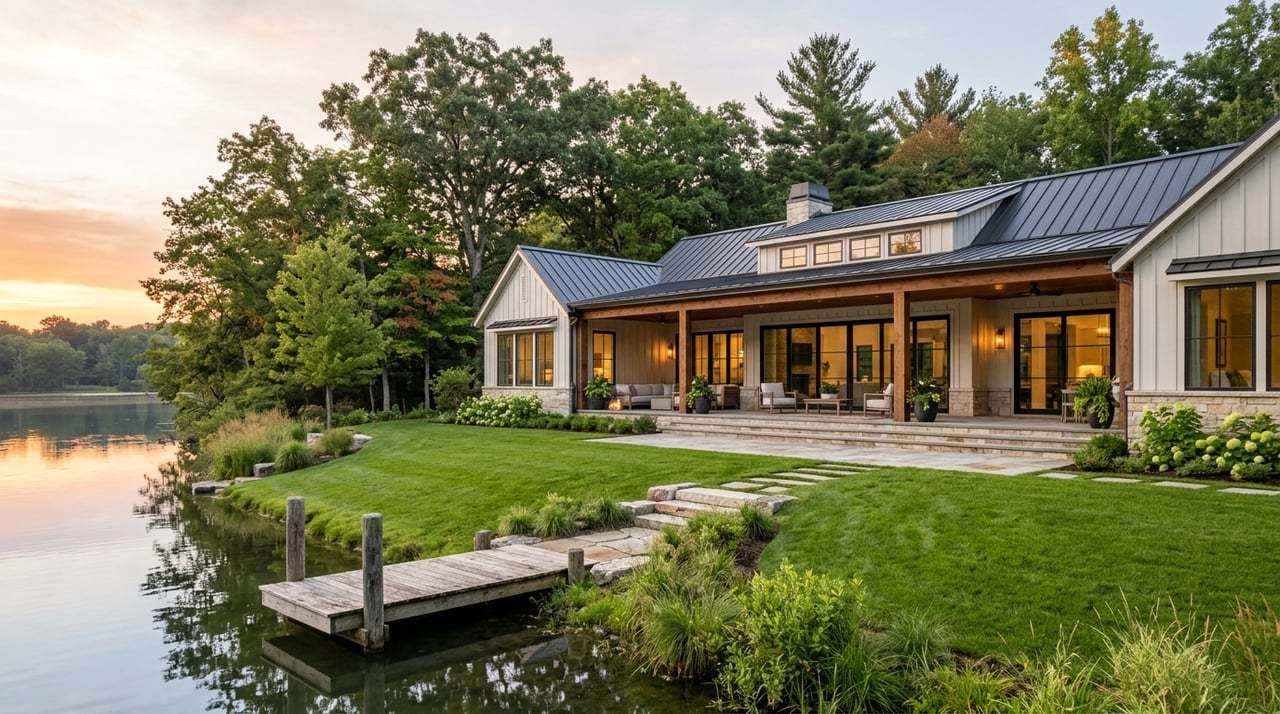
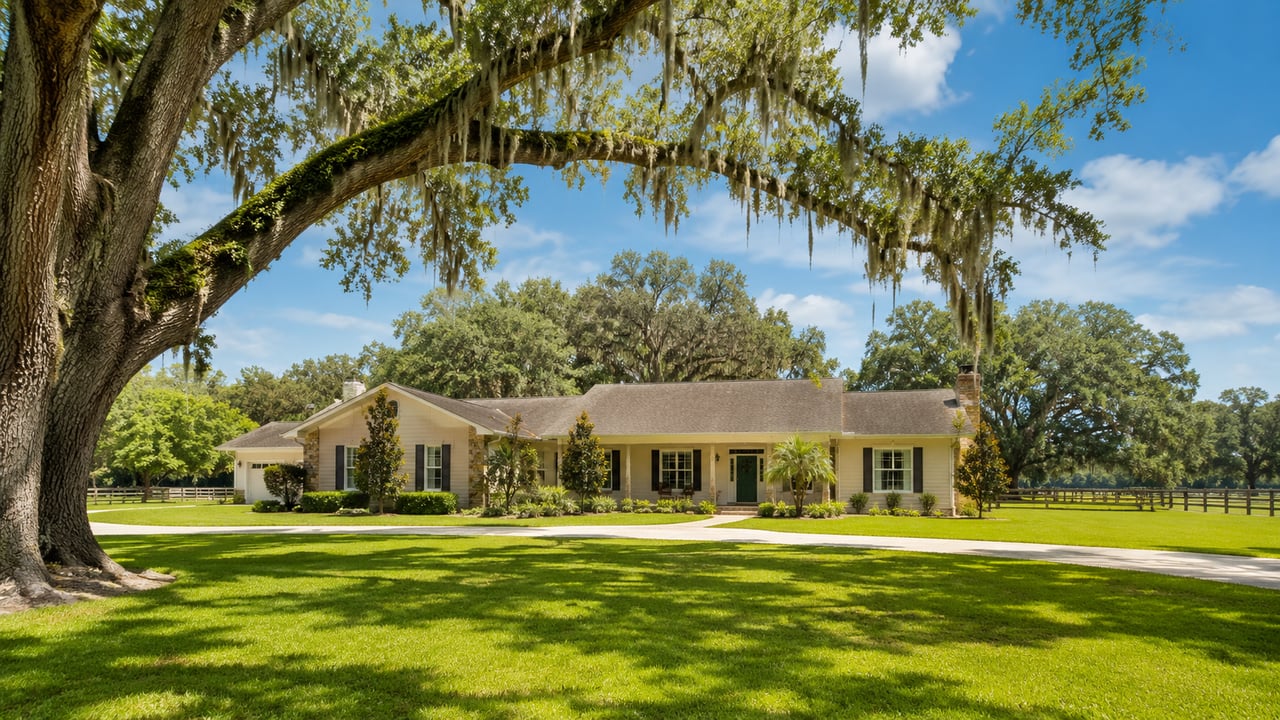
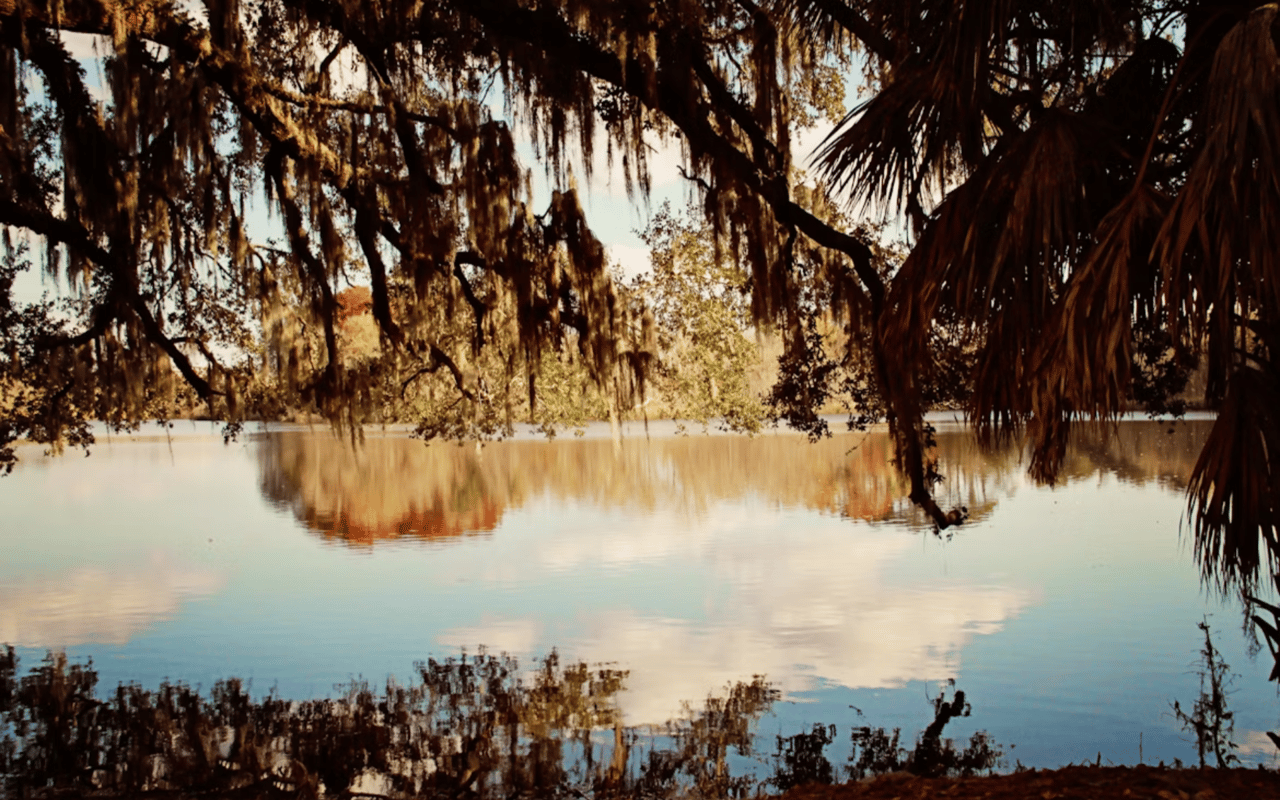
If you love porches, open skies, detached workshops, garden plans, or simply having distance from neighbors, acreage near Gainesville can feel like a major upgrade. North Central Florida’s climate supports outdoor living for much of the year. Gainesville’s 1991 to 2020 climate normals show a mean annual temperature of 69.3 degrees, with average highs of 91.1 in July and 90.5 in August.
That warm pattern helps explain why outdoor space is such a big part of the appeal. It is easy to imagine morning coffee outside, projects in the barn or garage, and more freedom to shape how you use your property. But the climate also brings some practical responsibilities.
Summer Rain Changes How Land Functions
Gainesville averages 48.31 inches of precipitation annually, with the heaviest rainfall from June through September. Monthly totals during that stretch run 7.56 inches in June, 6.68 in July, 6.40 in August, and 5.05 in September. On acreage, those rainfall patterns can affect drainage, mowing schedules, and how parts of your lot hold water.
That does not mean acreage is hard to enjoy. It does mean you should think beyond the listing photos and ask how the land performs during wetter months. A beautiful open yard in spring may function differently in peak summer rain.
Not Every Part of the Lot Is Buildable Flex Space
Acreage gives you more room, but not every square foot is equally usable for every idea. UF/IFAS notes that septic drainfields should not be driven over, and roof runoff and irrigation should be kept away from them. It also advises against planting trees, shrubs, or vegetable gardens on or near the drainfield.
That is important if you are already picturing a pool, garden beds, guest structure, or extra outbuilding. The location of the well, septic tank, and drainfield can limit where those features realistically go. Before you assume the full parcel is open canvas, it helps to understand the site layout clearly.
Site Plans Matter More Than Buyers Expect
On acreage, a survey or site plan can be especially helpful. It gives you a better sense of where the systems sit and how much of the property is flexible for future use. This is one of the most practical questions to ask early, especially if your long-term plans include expansion or hobby uses.
That step can save you from buying land that looks spacious on paper but functions more narrowly in real life. It is a small detail that often makes a big difference in confidence.
Driving Becomes Part of the Rhythm
Acreage near Gainesville is best understood as car-first living. Alachua County’s mean travel time to work was 21.5 minutes in the 2019 to 2023 American Community Survey, while Gainesville city’s was 18.8 minutes in the 2020 to 2024 QuickFacts release. Those are not extreme commute times, but they do help set expectations.
If you live farther from the city core, routine travel usually becomes a bigger part of the day. Grocery runs, appointments, school drop-offs, and dinner plans may all take a bit more planning. For some buyers, that feels like a fair exchange for privacy and space. For others, it can feel less convenient than expected.
Daily Errands Need More Planning
This is not a walk-first lifestyle. The county’s lower density and larger footprint mean driving is usually part of ordinary life, not an occasional exception. If you like to batch errands, maintain a flexible schedule, or simply do not mind being on the road more often, acreage can fit well.
If you want quick access to daily stops with minimal planning, you may feel that tradeoff more quickly. The right fit often comes down to how you prefer to move through your week.
Maintenance Is a Bigger Part of Ownership
The extra land is real, but so is the extra care. Florida Department of Health says onsite sewage treatment and disposal systems serve about 30% of the state’s population. For many acreage owners, septic maintenance becomes one of the main recurring responsibilities of the property.
EPA guidance says the average household septic system should be inspected at least every three years and pumped every three to five years. The owner is responsible for upkeep. In other words, septic is not a hidden technical detail. It is part of how you own the property well.
Wells Need Attention Too
Private wells bring their own routine. Florida Department of Health recommends testing private well water for bacteria and nitrate at least once a year. UF/IFAS also advises testing private well water after flooding or if the wellhead was exposed to floodwater.
This is not meant to make acreage sound complicated. It is simply a reminder that rural-style systems reward attentive ownership. Buyers who know that upfront often feel much more comfortable once they move in.
Wet Weather Can Affect Septic Performance
Heavy rain can waterlog septic drainfields, according to UF/IFAS. If that happens, homeowners should reduce water use, avoid driving over the drainfield, and have the system inspected if damage is suspected. In a place with Gainesville’s summer rainfall pattern, that is useful information to keep in mind.
Good day-to-day habits also help. EPA maintenance guidance recommends conserving water, limiting garbage disposal use, and avoiding flushing materials that do not break down easily. Those small habits support the long-term function of the system.
Who Acreage Near Gainesville Fits Best
Acreage near Gainesville tends to work well for buyers who value privacy, outdoor room, hobby space, and a quieter setting. It can also be a strong fit if you are comfortable with routine property care and understand that more land often means more hands-on ownership. For many people, that feels less like a burden and more like the point.
It may be a weaker fit if your top priorities are low-maintenance landscaping, very quick access to errands, or a more urban daily pattern. Neither preference is right or wrong. The key is being honest about what you want your average Tuesday to look like, not just what sounds appealing on paper.
How to Evaluate Acreage Smartly
If you are seriously considering acreage near Gainesville, focus on the daily-function questions as much as the home itself. A smart evaluation often includes:
- How far you will drive for regular errands and appointments
- Whether the property uses well and septic
- Where the well, septic tank, and drainfield are located
- How the lot handles summer rain and drainage
- Which parts of the land are realistically usable for your goals
- How much routine maintenance you want to take on
When you look at acreage through that lens, the decision usually becomes clearer. The best properties are not just beautiful. They also support the way you actually want to live.
If you want expert guidance on land, acreage homes, or rural lifestyle property near Gainesville, Anson Properties brings the local perspective and steady advice that can make your search feel much more informed.
FAQs
What does acreage living near Gainesville usually include?
- Acreage living near Gainesville often means more land, more privacy, and a more car-dependent routine, and some properties in Rural/Agriculture areas may use private well and septic systems instead of centralized utilities.
What should buyers know about wells and septic near Gainesville?
- Buyers should know that well and septic systems require ongoing attention, including annual private well testing recommended by the Florida Department of Health and regular septic maintenance and inspection.
How does Gainesville weather affect acreage properties?
- Gainesville’s warm climate supports outdoor living for much of the year, but heavy summer rainfall can affect drainage, yard conditions, and septic drainfield performance.
Why does a site plan matter for acreage homes in Alachua County?
- A site plan or survey helps you understand where the well, septic tank, and drainfield sit so you can better judge which parts of the property are usable for gardens, additions, workshops, or other projects.
Is acreage near Gainesville a good fit for low-maintenance buyers?
- Acreage may be less ideal if you want a low-maintenance lifestyle, since larger lots and private utility systems often require more routine care and planning.