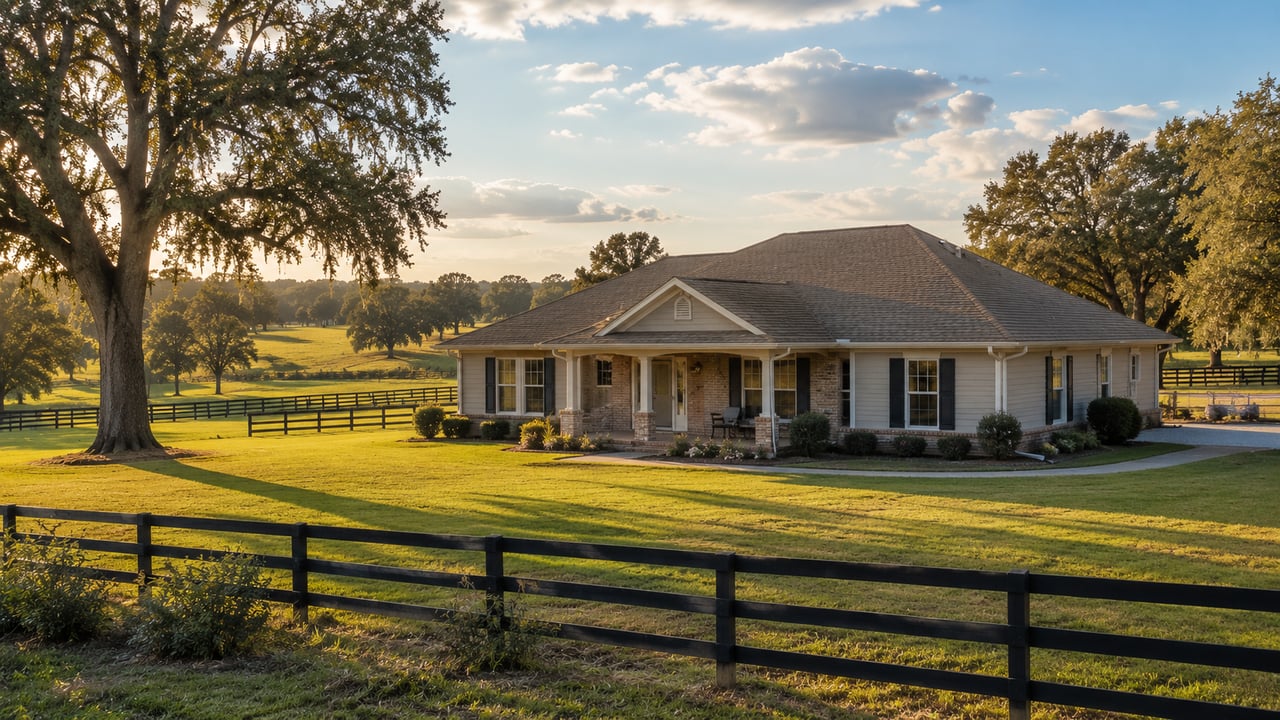
Thinking about selling a rural home in Hawthorne? It can be rewarding, but it also takes a different playbook than selling a home in a typical subdivision. When your property includes acreage, outbuildings, a private well or septic system, or unique access features, buyers need more context and your pricing needs more precision. This guide will walk you through the key steps, local factors, and smart strategy points that can help you prepare with confidence. Let’s dive in.
Why Hawthorne rural homes need a different strategy
Hawthorne is a small North Central Florida city with about 1,494 residents in the state’s 2025 population estimates. The city also promotes its outdoor lifestyle, including access to hundreds of nearby lakes and activities like fishing, biking, and hunting. That means many buyers are not just shopping for a house. They are looking for land, privacy, utility, and a specific way of life.
Because Hawthorne is a small market, broad housing data can vary quite a bit depending on the source. In May 2026, one public source showed a median listing price of $333,750 and 77 median days on market, while another showed a median sale price of $212,123 and 61 median days on market for the most recent three months. For you as a seller, that spread is a reminder that rural pricing should be based on the details of your property, not a headline number.
Start with property-specific pricing
In rural Hawthorne, pricing is rarely as simple as comparing your home to the one down the street. Acreage, road frontage, easements, fencing, water access, and permitted improvements can all influence value. Interior updates still matter, but land function can carry just as much weight.
Alachua County’s property appraiser uses market value as of January 1 each year and relies on sales comparison, cost, and income approaches. The office also notes that agricultural classification is based on use, and qualifying land may receive a lower land value for tax purposes. That does not mean your list price should mirror a tax record value. It means your pricing strategy should lean on the most comparable recent rural sales and how your land actually functions in the market.
A disciplined comparative market analysis is especially important in Hawthorne because public data can look inconsistent in a small-sample market. If your property includes usable pasture, wooded privacy, waterfront features, a workshop, or a well-kept barn, those details should be evaluated carefully instead of being lumped into a broad average.
Prepare the land, not just the house
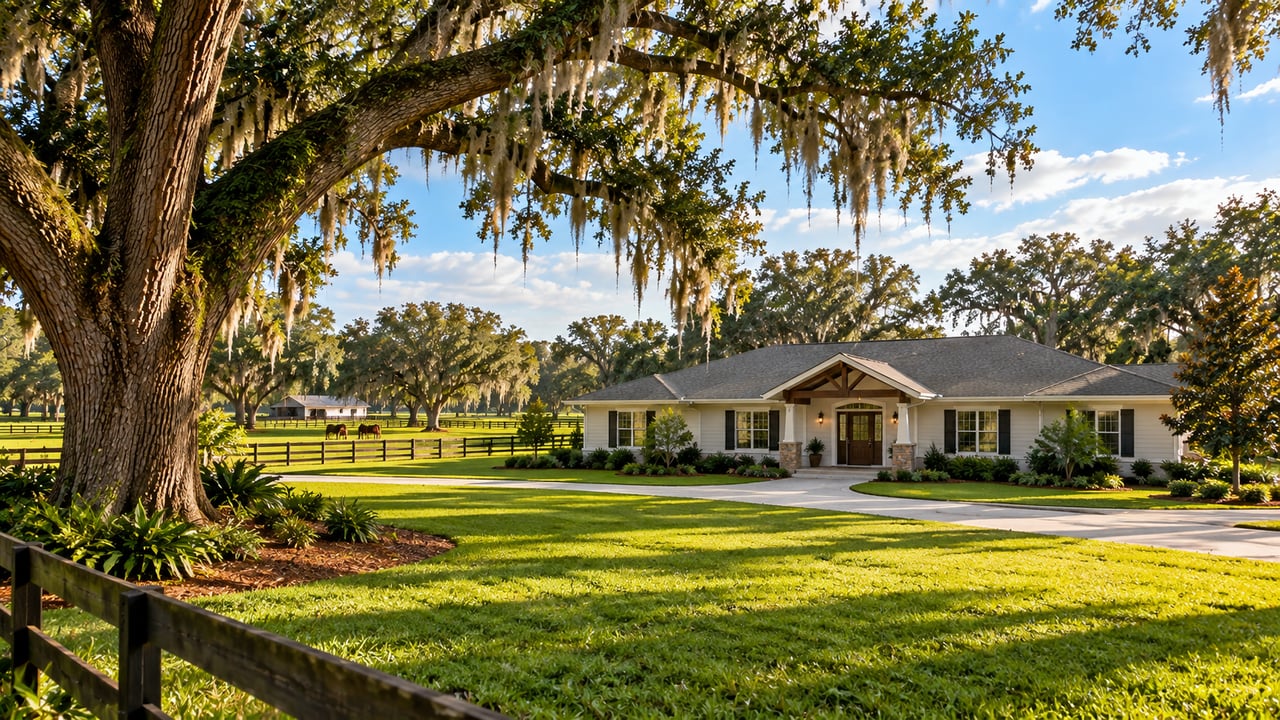
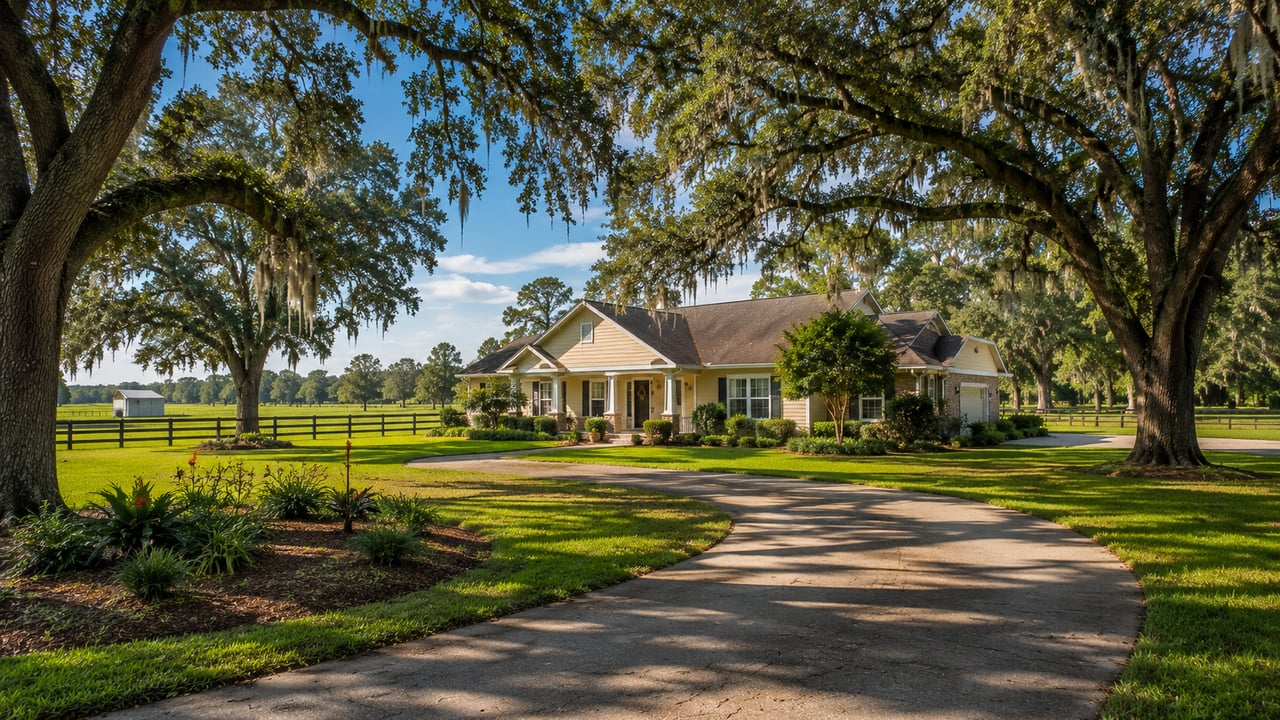
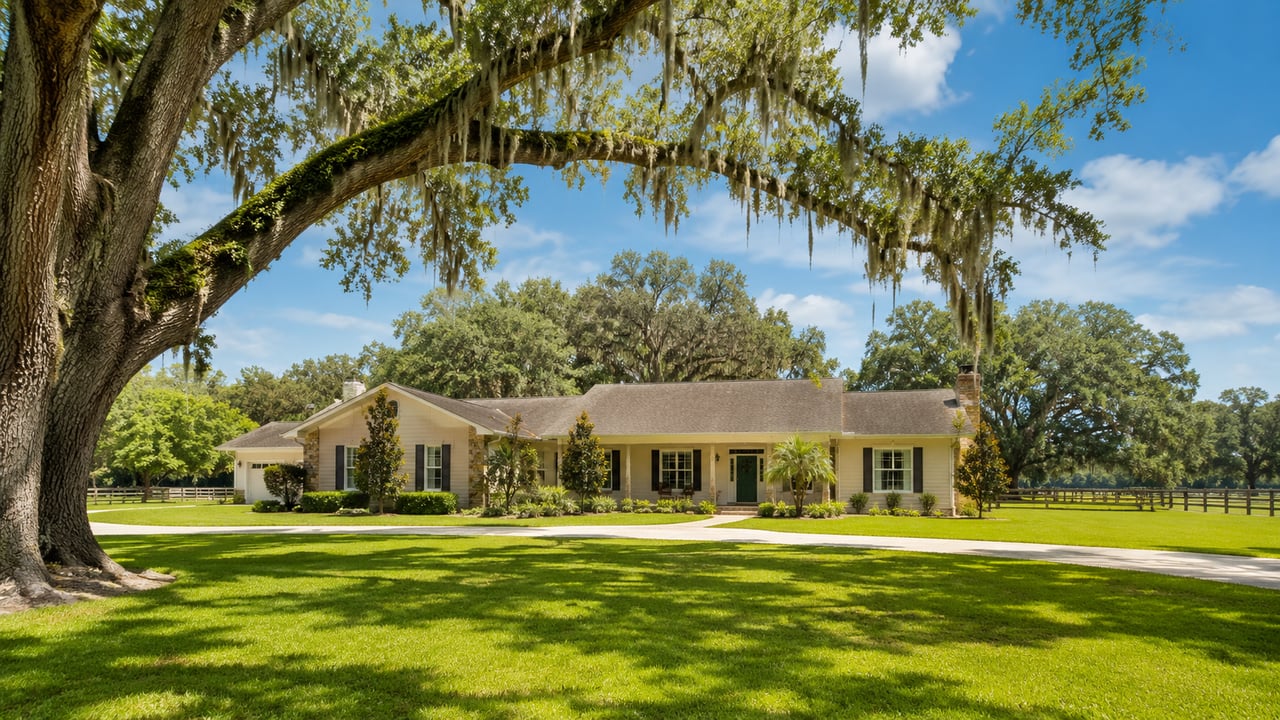
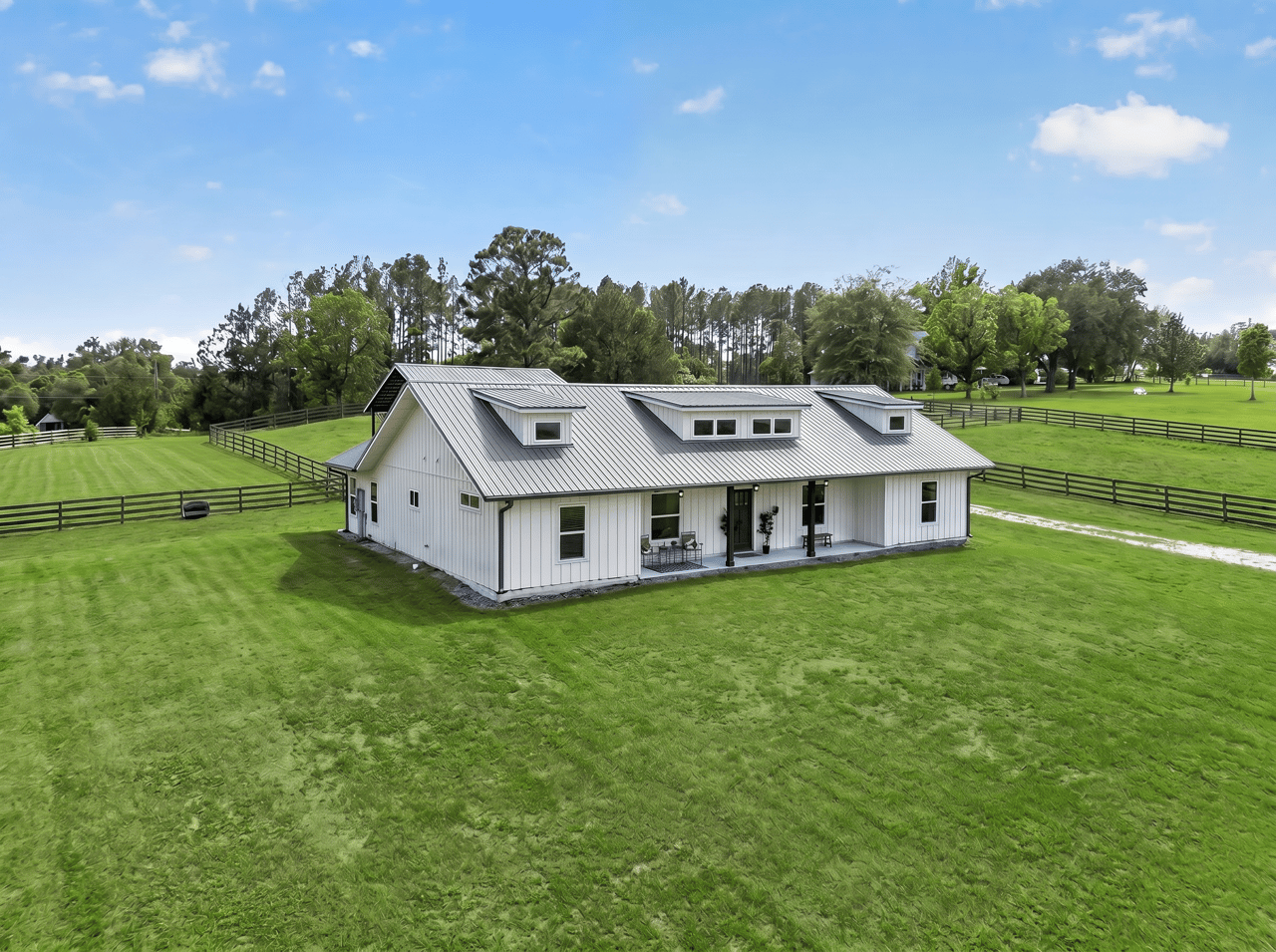
When buyers tour a rural property, they are evaluating more than the living room and kitchen. They are paying attention to how the property works day to day. That includes the driveway, gate, fence lines, visibility from the road, drainage, open land, wooded areas, and how easy it is to move around the property.
This matters in Hawthorne, where the rural and recreation-oriented setting is often part of the appeal. A clean, clear first impression helps buyers understand both the home and the land. If your property has a long drive, multiple entrances, or hard-to-see boundaries, it is worth making those features easier to understand before listing.
Here are a few rural prep items that often matter most:
- Mow or trim key pathways and viewing areas
- Make gates easy to access and clearly explain entry instructions
- Mark major property features that may not be obvious from the home site
- Tidy fence lines, driveway edges, and visible outbuildings
- Note any recurring drainage or standing water areas so you can address disclosure questions clearly
Gather records for barns, sheds, and additions
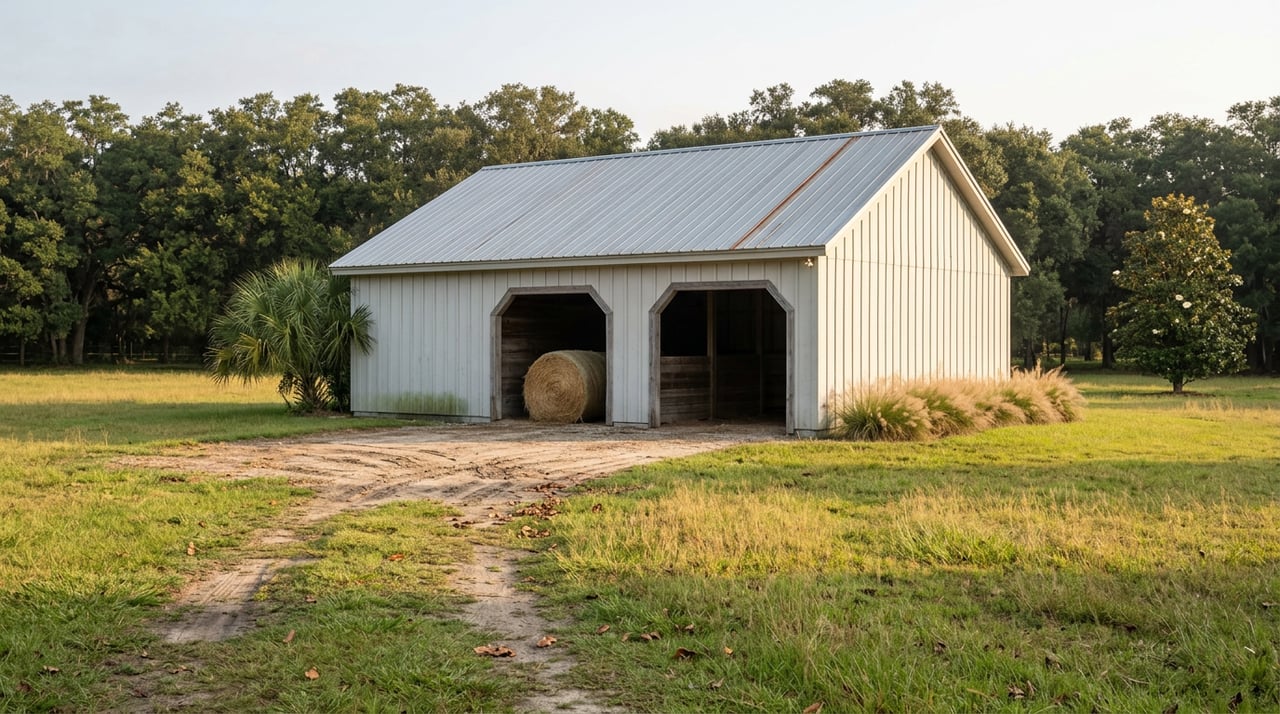
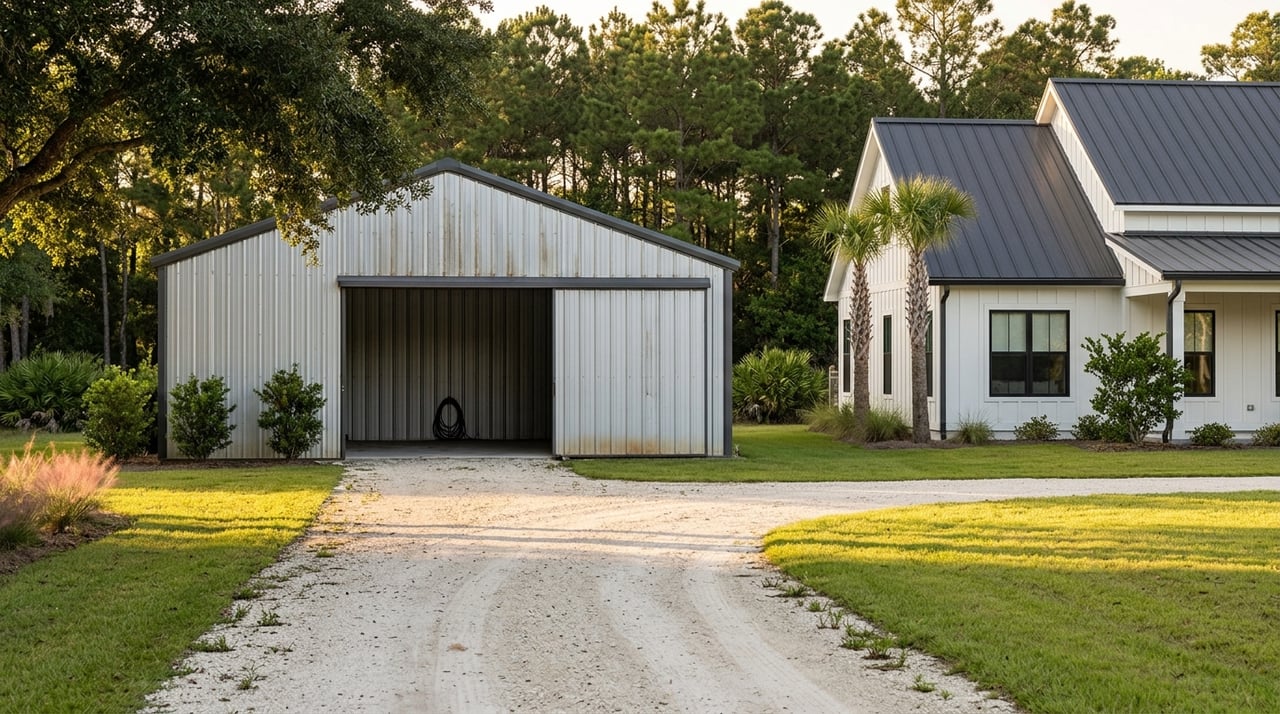
Outbuildings can add strong appeal to a rural listing, but they can also raise questions if the paperwork is incomplete. In Alachua County, accessory structures generally require a building permit. The county also distinguishes between agricultural zoning and agricultural classification, which matters for certain permit exemptions related to barns or storage buildings.
For sellers, this means it is smart to gather records before your home hits the market. If you have a barn, shed, workshop, addition, converted space, or other detached improvement, buyers may want to know when it was built and whether the proper approvals were obtained.
A pre-listing document check can help you avoid delays later. It can also help your agent market the property more confidently by presenting features that have been properly documented.
Verify access and showing logistics early
Rural showings often require more planning than in-town listings. Locked gates, long driveways, animals on site, and hard-to-find entrances can all affect a buyer’s experience. If a showing feels confusing or inconvenient, it can change how a buyer sees the property before they even reach the front door.
Alachua County’s property appraiser notes that owners with locked gates or special access instructions should provide them so staff can reach the property. That same principle applies to home showings. Before listing, it helps to create a simple plan for gate codes, driving directions, parking guidance, and any instructions related to dogs, livestock, or who opens the property.
Clear logistics make your home easier to show, and easier showings usually mean better buyer turnout. In a market where the right buyer may come from outside Hawthorne, convenience matters.
Be ready for well, septic, and flood questions
If your property uses a private well or septic system, buyers are likely to ask about condition, maintenance, and testing. Florida does not require routine private well sampling at the point of sale, but the Florida Department of Health recommends testing private wells for coliform bacteria, nitrates, and lead. The state also notes that private well owners are responsible for making sure their water is safe to drink.
For septic systems, the Florida Department of Environmental Protection advises buyers to request a voluntary inspection and assessment. The state’s guidance also says repairs or modifications require a construction permit. While you may not be required to complete these items before listing, being informed and organized can help reduce uncertainty during negotiations.
Flood disclosure is another key issue. Florida now requires a flood disclosure for residential property sales at or before contract execution. The statutory disclosure asks about known flooding, flood claims, and flood assistance, and the definition of flooding is broad enough to include standing water from rainfall.
That means you should be ready to answer questions honestly about the property’s history. If parts of the land hold water after heavy rain, that can be relevant. Clear, accurate information builds trust and helps avoid surprises later in the transaction.
Market the lifestyle with facts
A rural property listing should tell a clear story, but it should also stay grounded in verified facts. Hawthorne’s appeal often includes privacy, outdoor recreation, flexible land use, and room for equipment, hobbies, or storage. Those are meaningful benefits for many buyers, especially in a market that draws interest from both local and out-of-area households.
Public migration data suggests Hawthorne gets search interest from larger Florida metros such as Miami, Orlando, and Jacksonville. That means some buyers may be comparing your property to more suburban or urban options. For them, the value is not only square footage. It is space, setting, and the practical benefits of owning land.
What you want to avoid is making vague claims about what the property can be used for. In Alachua County, permitted uses depend on the zoning district, and there are separate rules for things like accessory dwelling units and home-based business uses. If a use has not been verified, it should not be marketed as a certainty.
Expect buyer questions about timeline
One of the most common questions sellers ask is how long it may take to sell. Current public market data suggests many Hawthorne listings may fall in roughly the two- to three-month range, based on recent days-on-market figures. Still, rural properties can move faster or slower depending on acreage, access, condition, pricing, and buyer fit.
A well-prepared property with realistic pricing usually gives you the best chance at a smoother sale. If your home offers features that are harder to replace, such as waterfront access, quality fencing, useful outbuildings, or strong privacy, the marketing and pricing strategy should highlight those strengths clearly.
The key is patience paired with preparation. Rural homes often need a more targeted approach, but the right strategy can help your property stand out to serious buyers.
A smart rural selling plan
If you are selling a rural home in Hawthorne, a strong plan usually includes a few core steps:
- Review the property in full, including land features and access points
- Gather permit and improvement records for structures and additions
- Prepare for well, septic, and flood-history questions
- Price from comparable rural sales, not broad averages
- Build showing instructions that make the property easy to tour
- Market the lifestyle and function of the land with clear, factual language
This kind of preparation helps you reduce friction, answer buyer questions with confidence, and position the property more effectively from day one.
Selling a rural home is not just about putting a sign in the yard. It is about understanding how buyers evaluate land, improvements, and long-term usability in a market like Hawthorne. If you want a polished, data-aware strategy for your acreage or country property, Anson Properties can help you navigate the details with clear guidance and local insight.
FAQs
What makes selling a rural home in Hawthorne different from selling an in-town home?
- Rural homes often require more attention to acreage, access, outbuildings, wells, septic systems, drainage, and property-specific pricing than homes in a typical neighborhood.
How should you price a rural home in Hawthorne?
- You should rely on recent comparable rural sales with similar land features, improvements, and access, because broad public market data in Hawthorne can vary widely in a small market.
Do barns and sheds in Alachua County need permits?
- Alachua County says accessory structures generally require permits, and certain barn or storage exemptions depend on agricultural classification rather than zoning alone.
Should you test a private well before selling a home in Hawthorne?
- Florida does not require routine well sampling at the point of sale, but the Florida Department of Health recommends testing private wells for coliform bacteria, nitrates, and lead.
Should you inspect a septic system before selling a rural home in Florida?
- The Florida Department of Environmental Protection advises buyers to request a voluntary septic inspection and assessment, so sellers may benefit from being prepared for those questions during the transaction.
What flood disclosure is required when selling a Hawthorne home?
- Florida requires a flood disclosure for residential sales at or before contract execution, including questions about known flooding, flood claims, and flood assistance.
How long does it usually take to sell a home in Hawthorne?
- Recent public data suggests many listings may take around two to three months, though rural properties can fall outside that range based on pricing, acreage, condition, and buyer demand.