Pull up Micanopy on two different listing trackers in the same week and you'll get two different towns. One snapshot from early September 2026 counted 53 active listings with a median price of $766,000, down 6% from the month before but up 21% from a year earlier. A separate MLS-fed count taken September 5, 2026 showed 56 active listings with a median price of $447,700, roughly $318,000 lower, and an average of $1,285.41 per square foot against the first tracker's July reading of $260 per square foot.
That's not a typo, and it's not two towns confused for one. It's what happens when a housing market this small gets described with a single number.
A Town Where One Closing Moves the Average
Micanopy is not a large enough market to behave like a normal median. Across the various trackers pulling from the local MLS this year, active inventory has hovered somewhere between the mid-40s and mid-60s, at any given moment. A market that size doesn't average out the way a subdivision with hundreds of comparable homes does. One high-dollar acreage sale entering or leaving the count can drag the median tens of thousands of dollars in either direction inside a single month, and one ultra-luxury listing with a small structure footprint can send an average price-per-square-foot figure into territory that has nothing to do with what a typical buyer will pay.
A separate count from a for-sale-by-owner listing service put the average completed sale for the 24 single-family homes it tracked over the past year at just over $2.5 million, working out to $741.92 per square foot. Nobody buying a cottage on Cholokka Boulevard is paying that. The number is real, but it's an average built from a tiny sample where a handful of high-value estate sales carry disproportionate weight.
There's a distinction worth keeping straight here too. Estimated home value, the kind meant to describe an entire local housing stock rather than what happens to be listed this week, is a different measurement from asking price, and asking price is a different measurement from price per square foot. In a market this thin, none of the three are obligated to agree with each other, and treating any single one as the whole picture will steer a budget wrong.
Two Very Different Purchases Share One Zip Code
The deeper reason none of these numbers reconcile is that Micanopy isn't one housing market wearing a median. It's two.
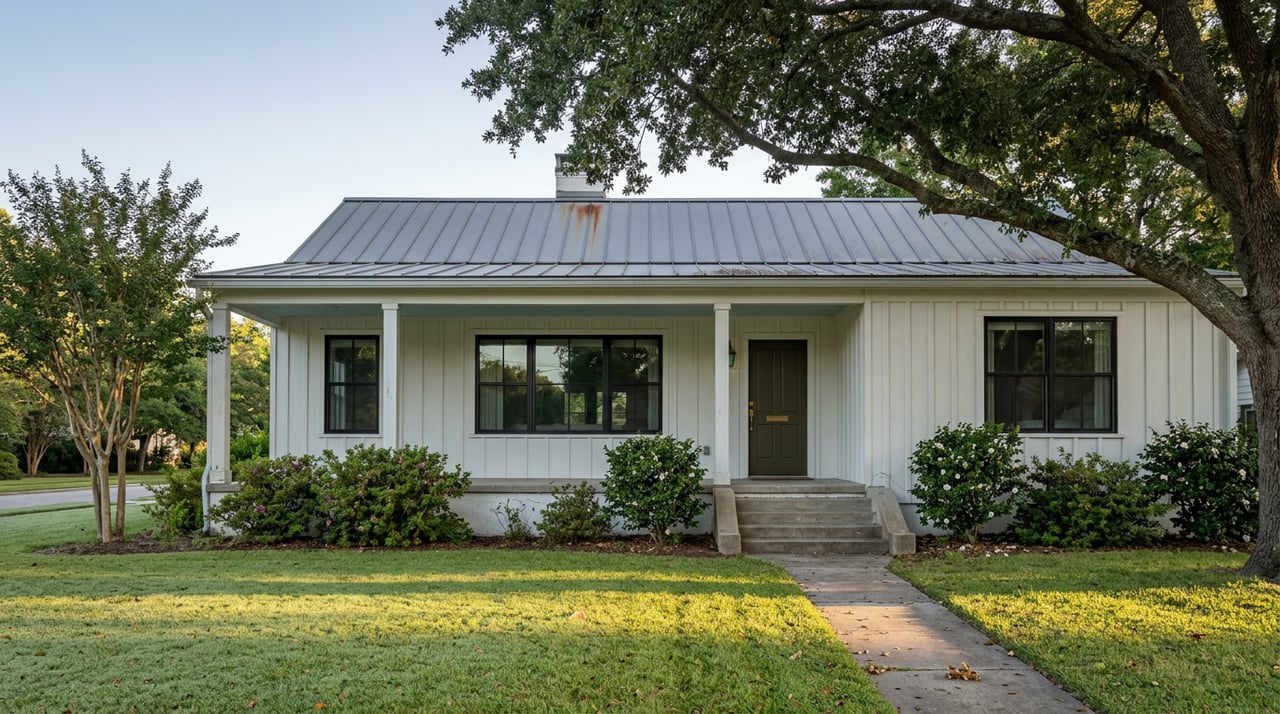
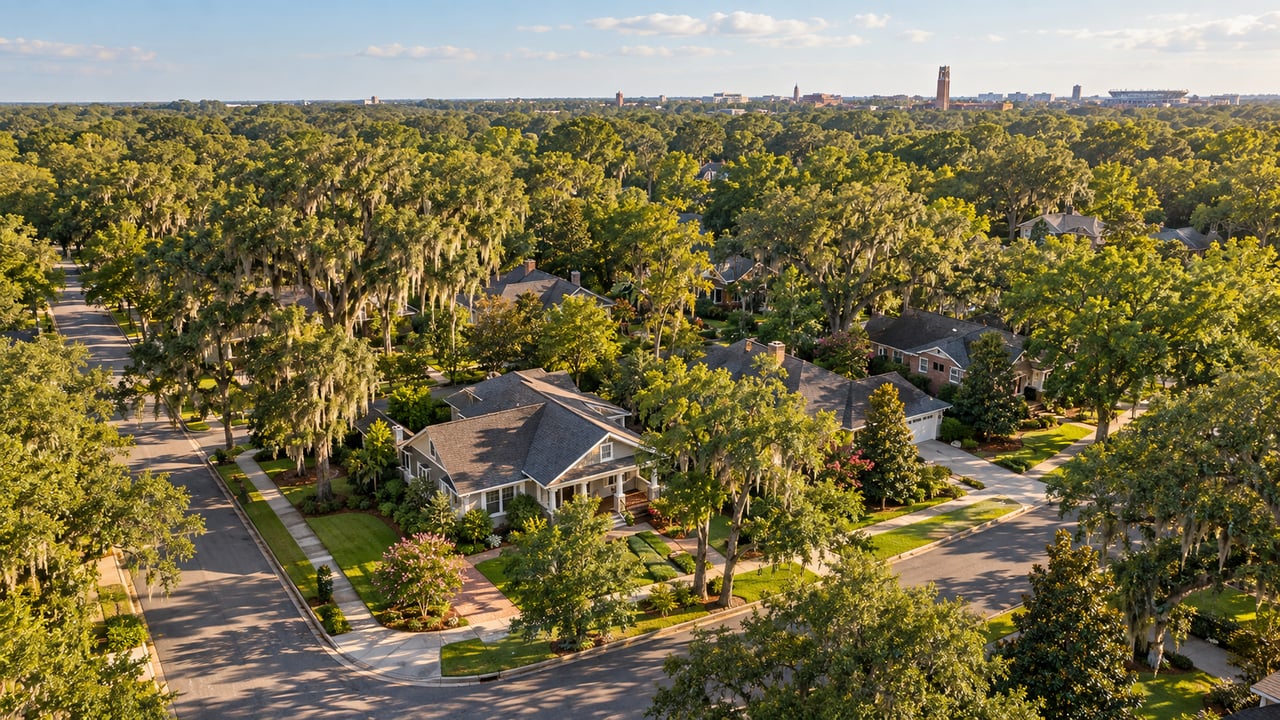
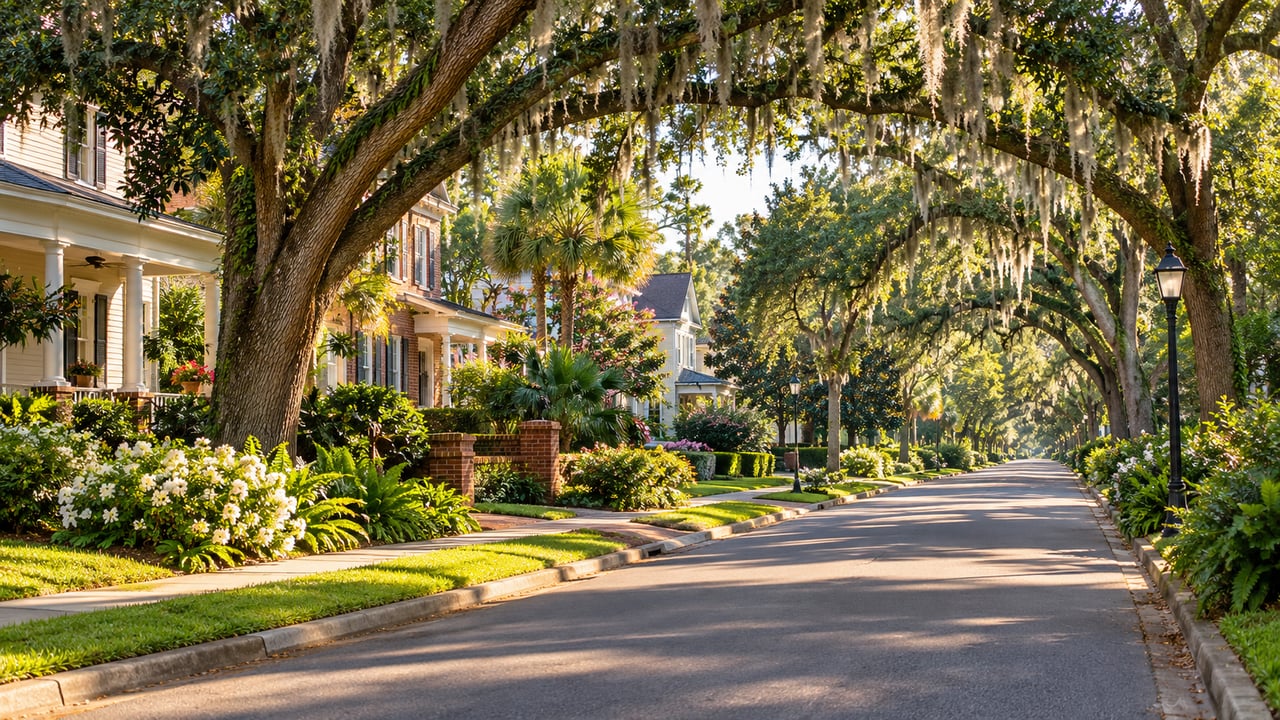
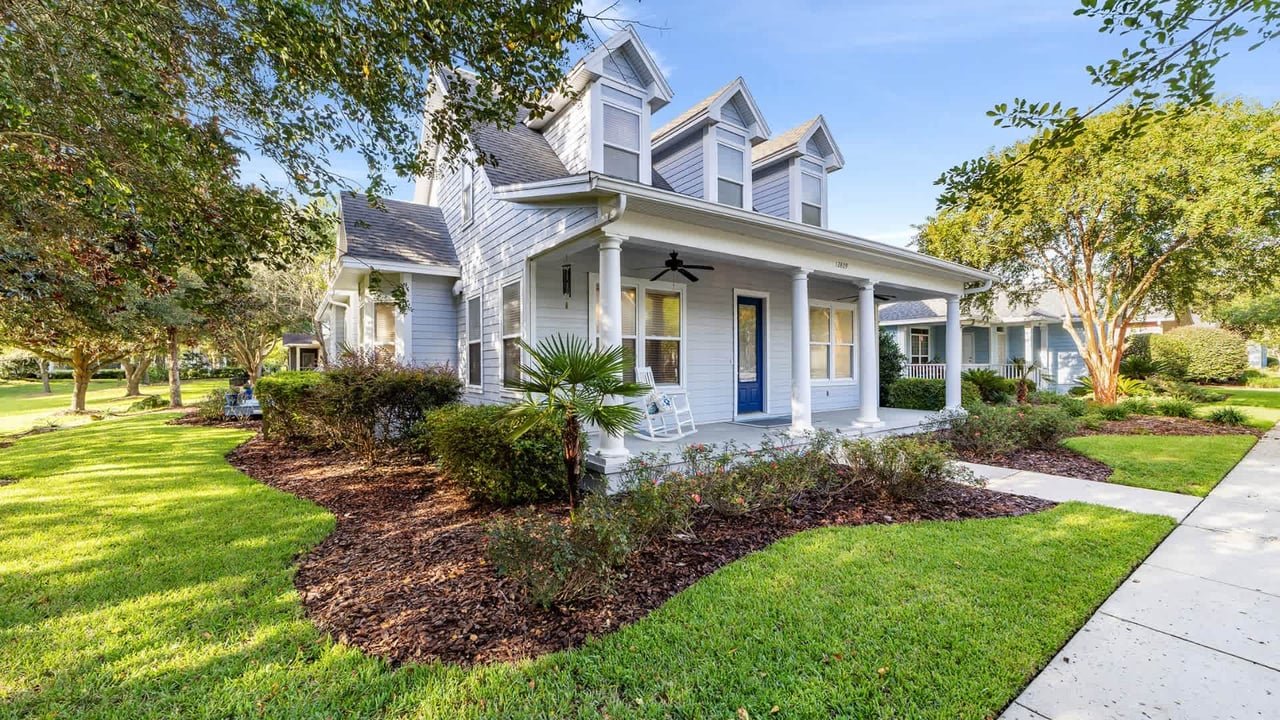
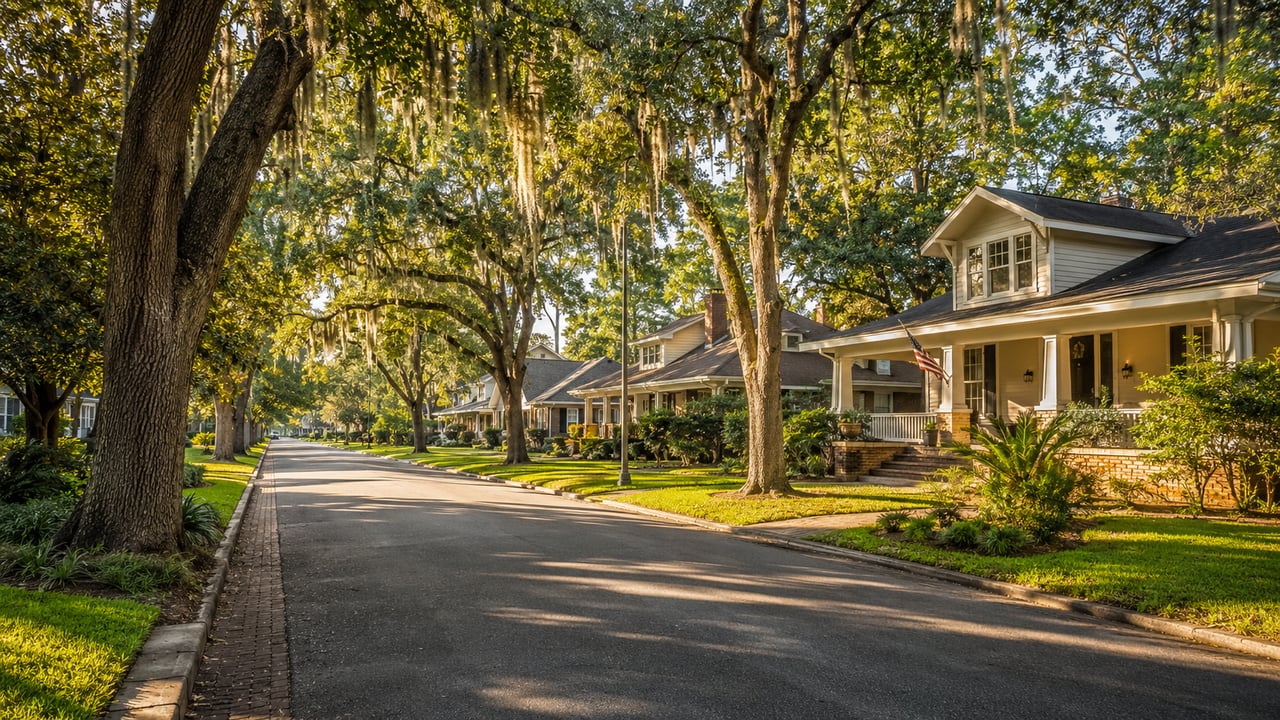
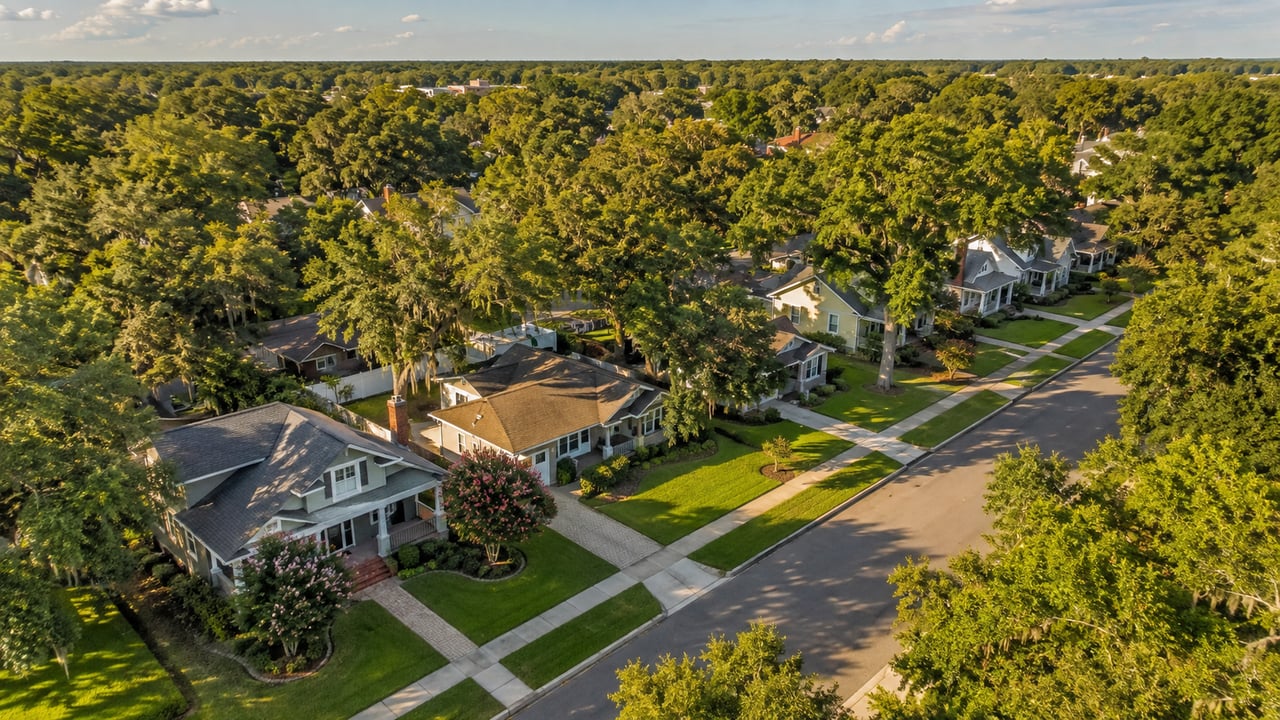
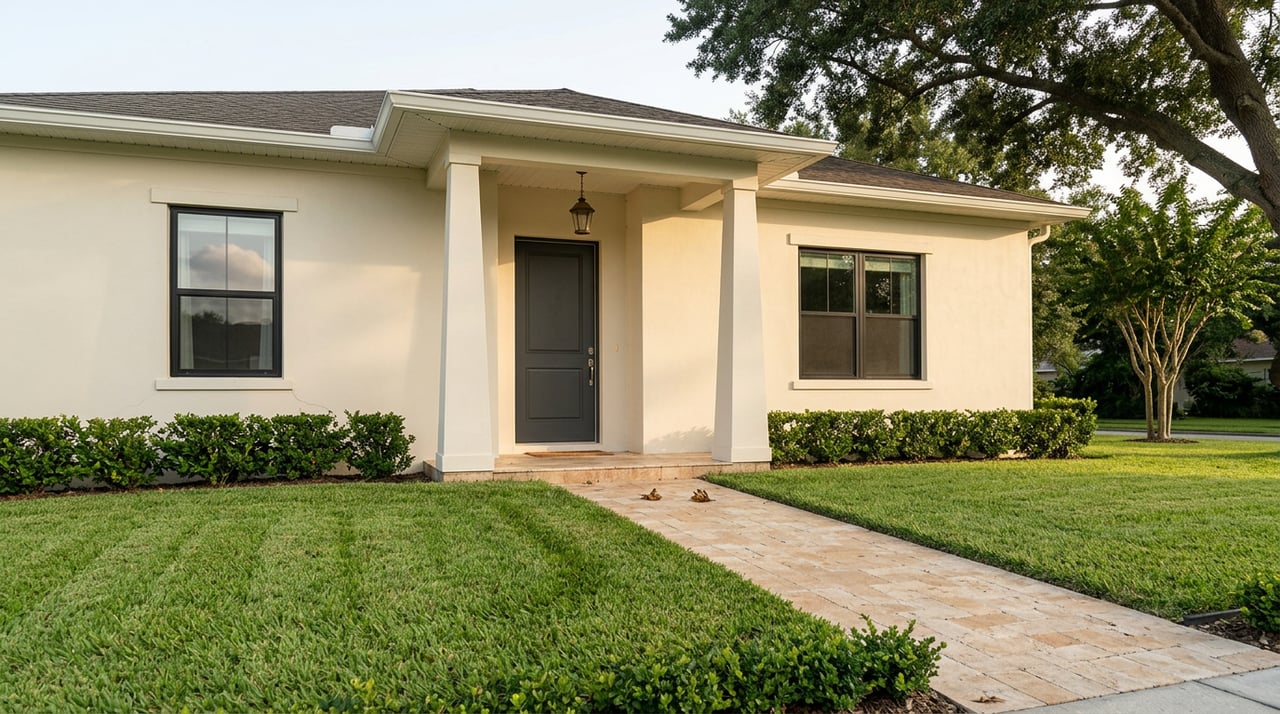
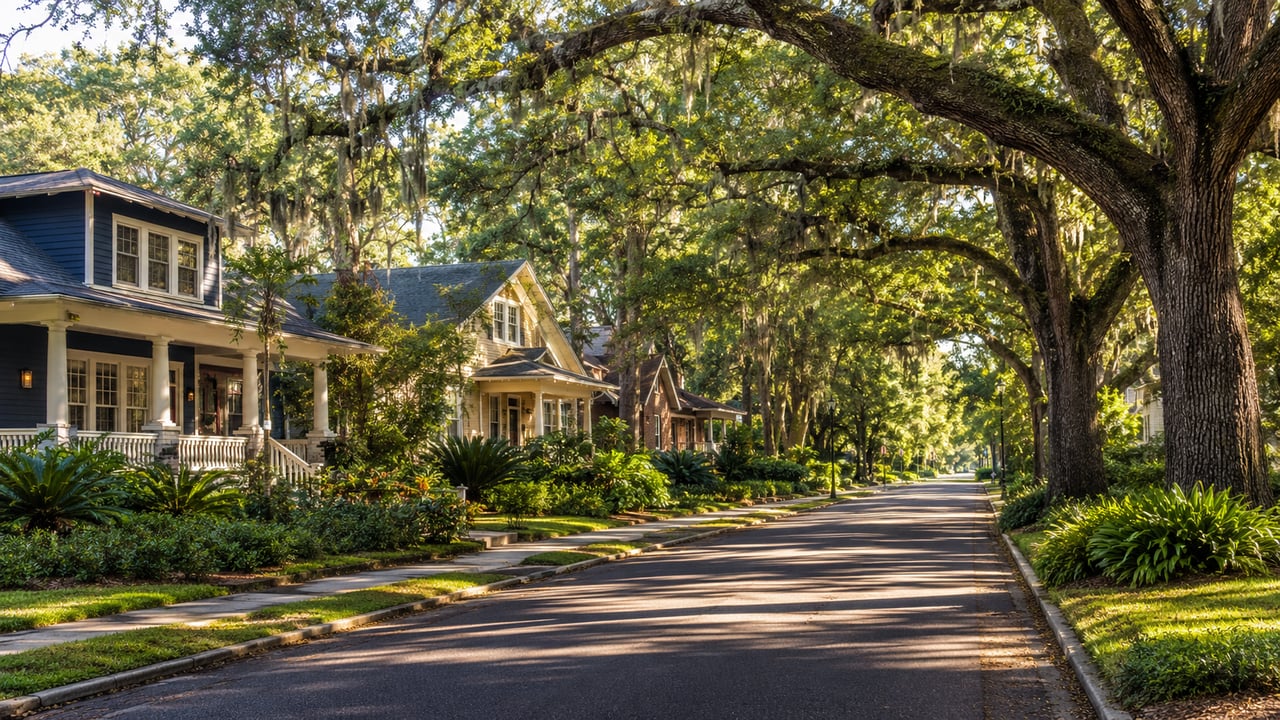
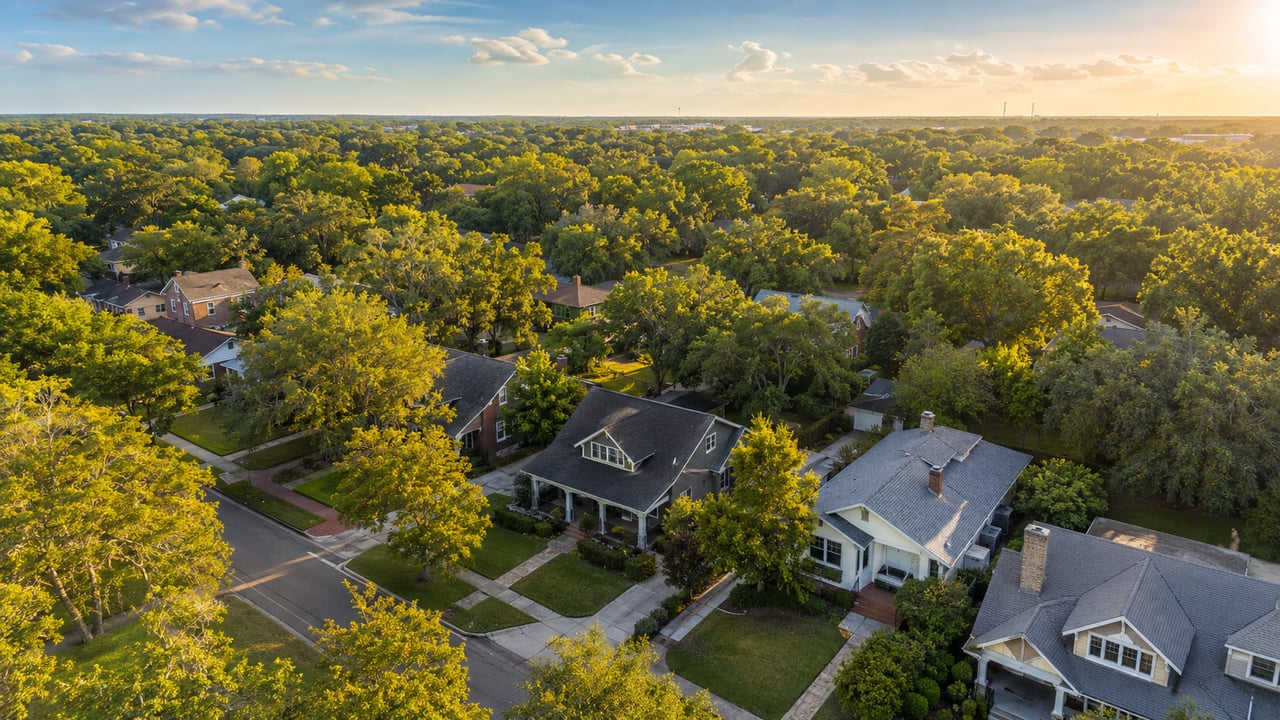
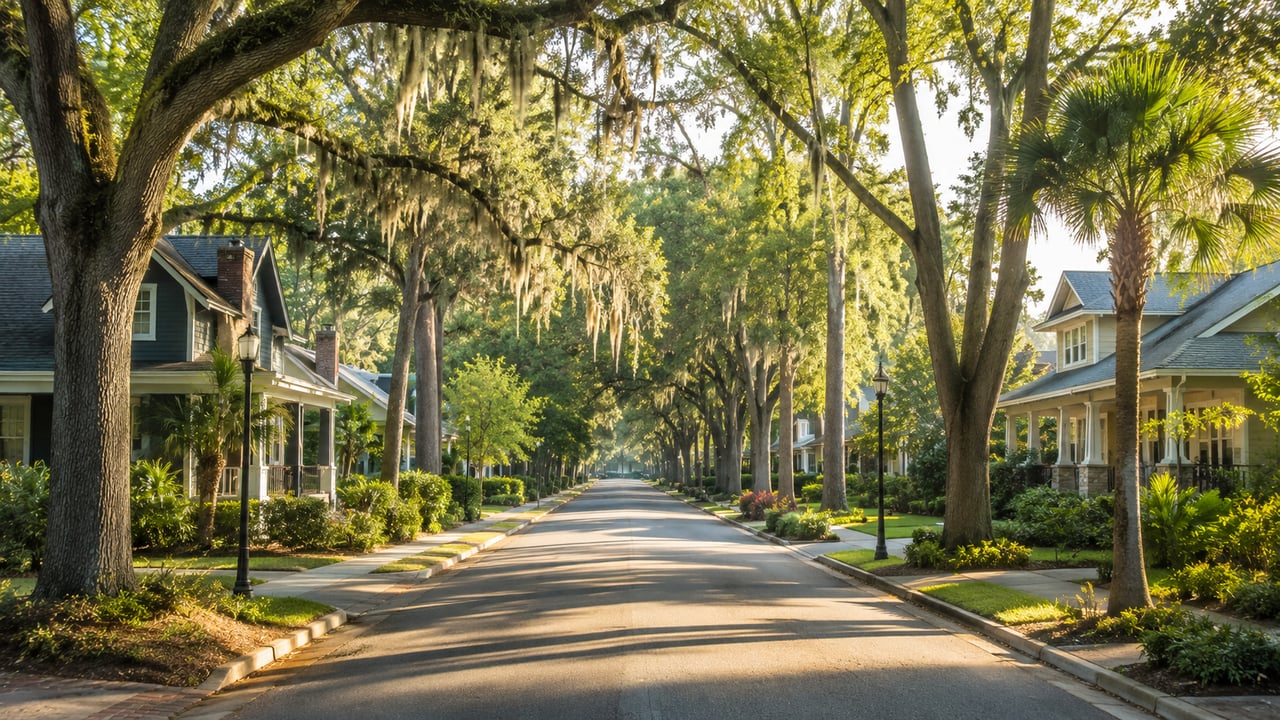
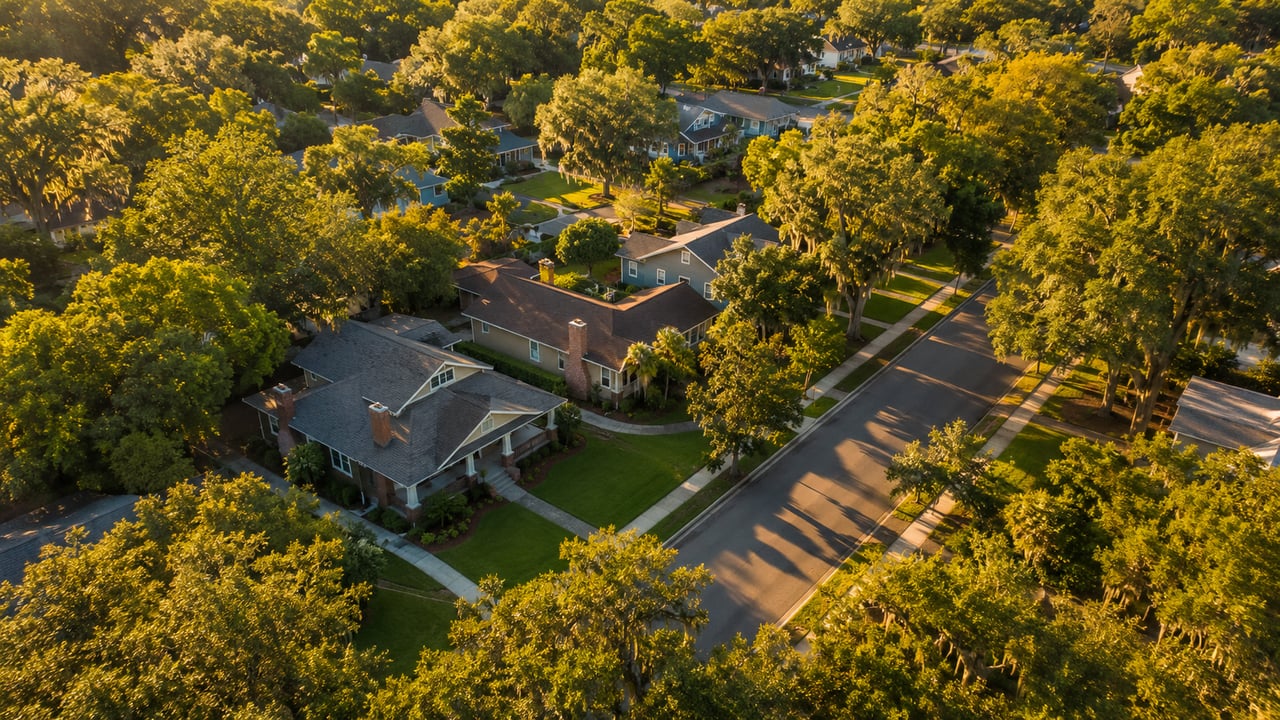
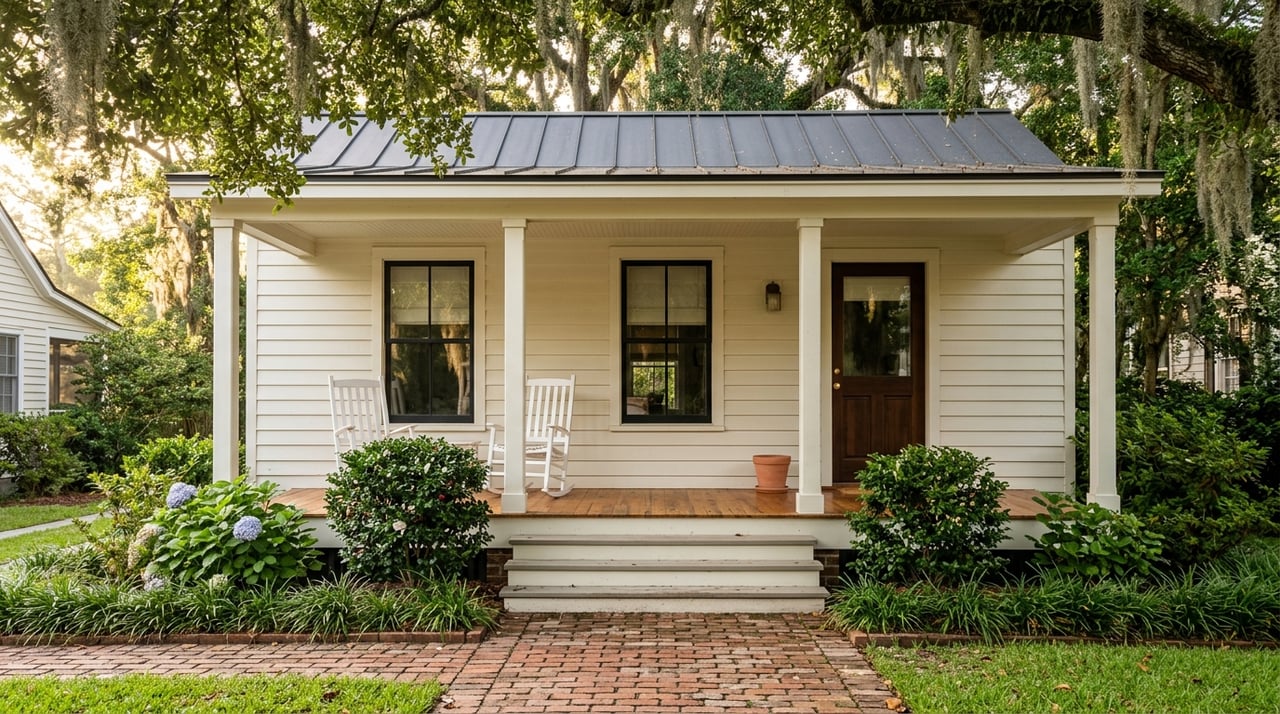
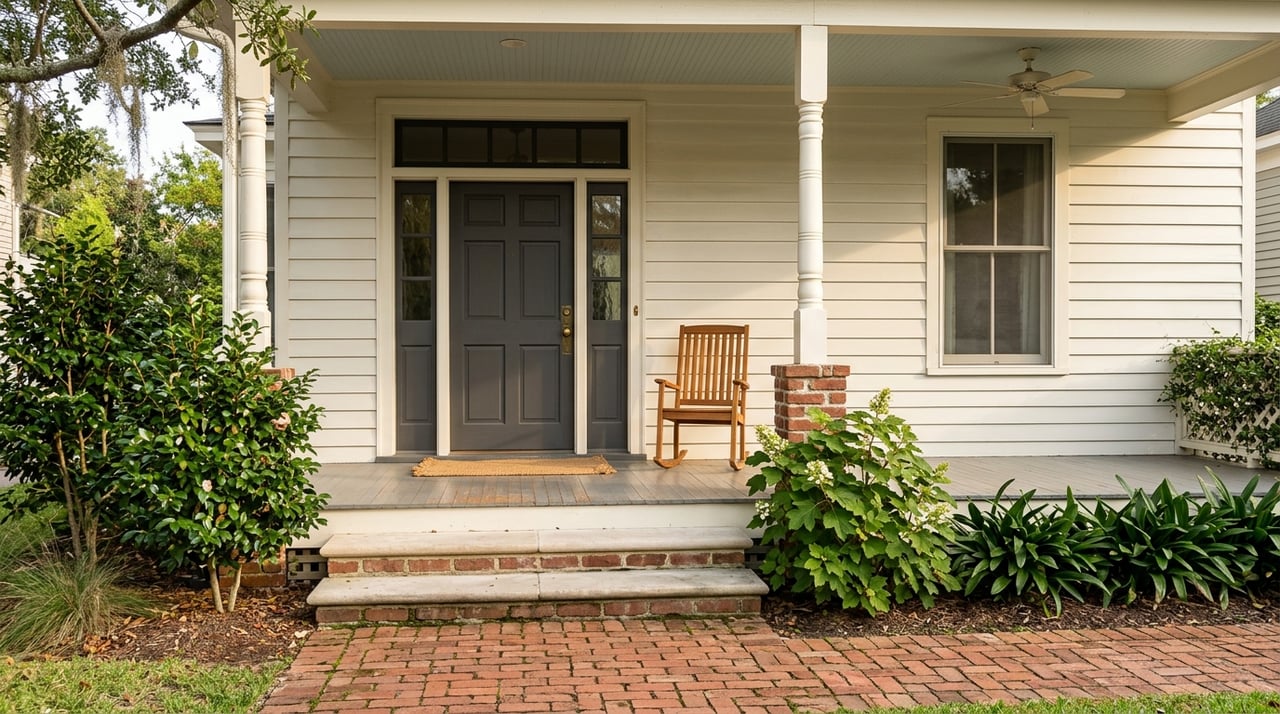
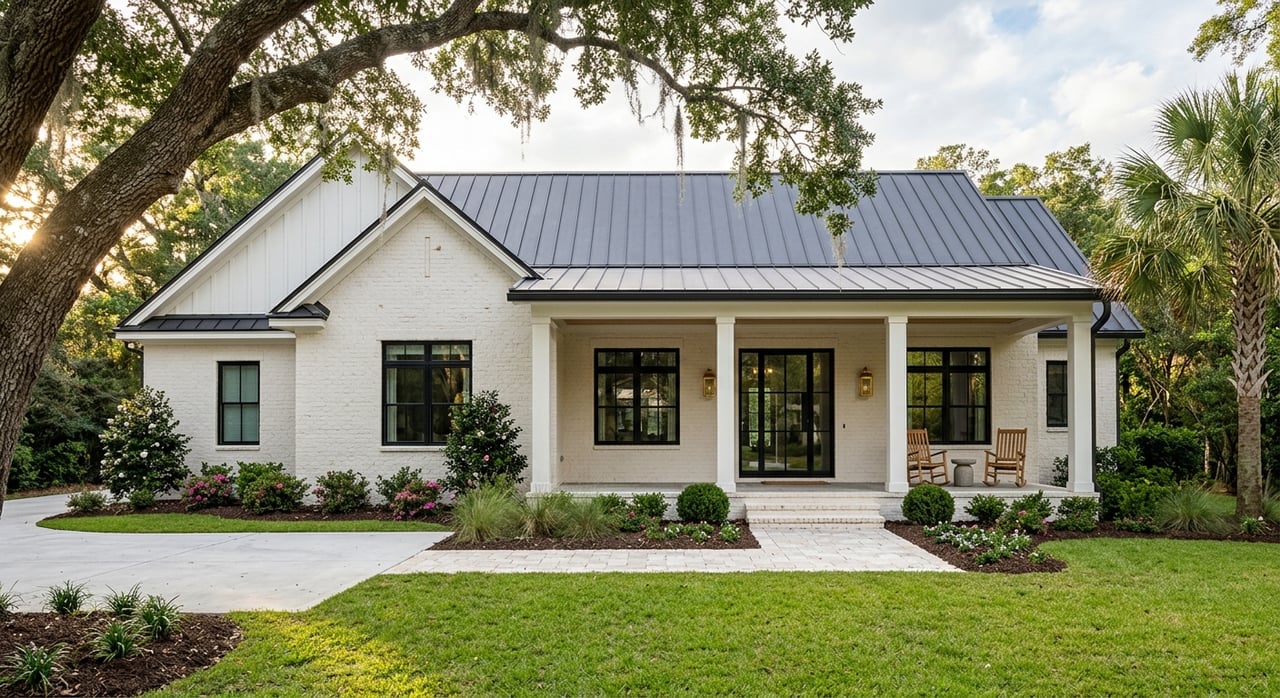
The first is the walkable historic core, the streets running along and near Cholokka Boulevard where late-Victorian, Queen Anne, Frame Vernacular, and Craftsman cottages sit close together under live oak canopy. This is small-lot, small-footprint housing, and current listings in this segment include a vacant residential corner lot just over half an acre in the historic district, marketed purely as a build-ready parcel.
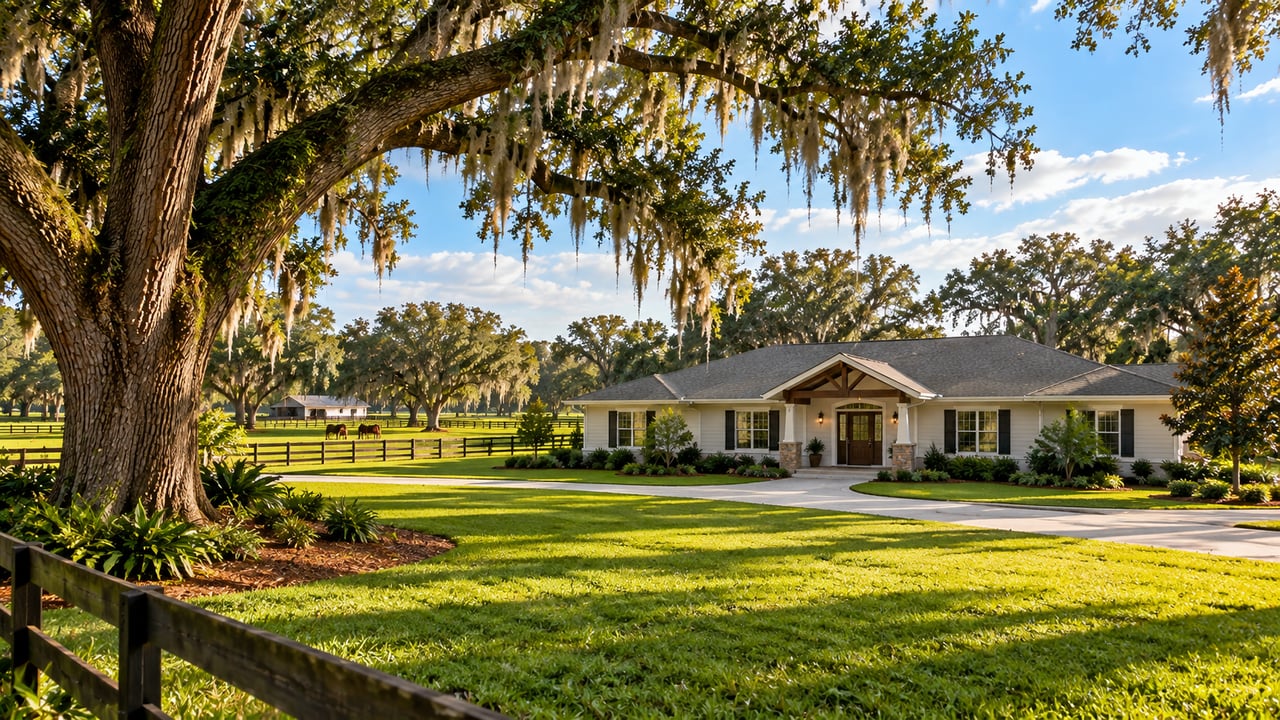
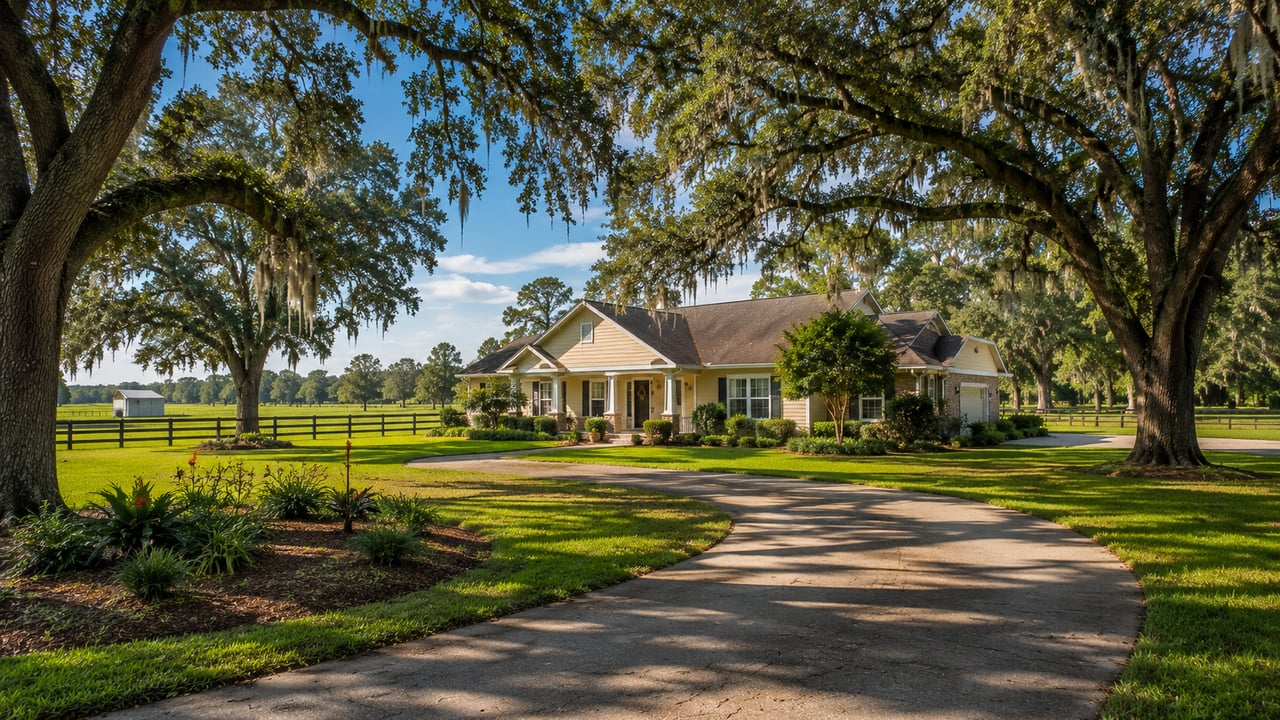
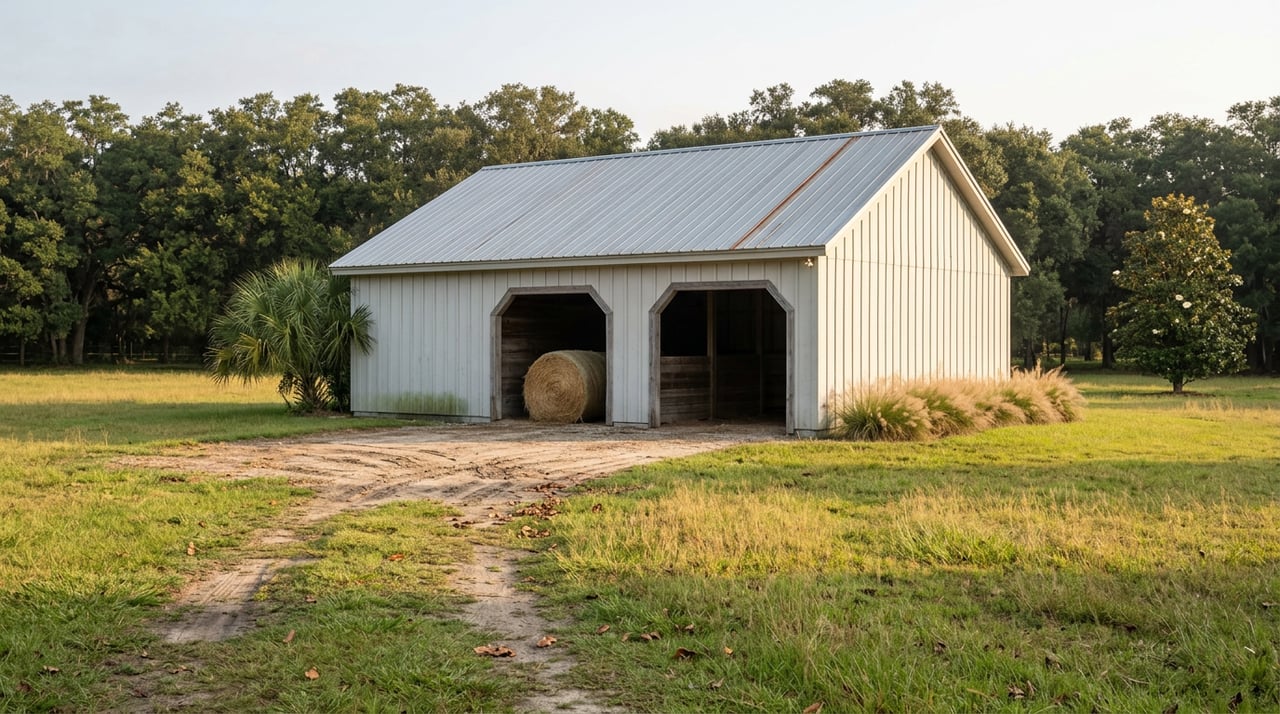
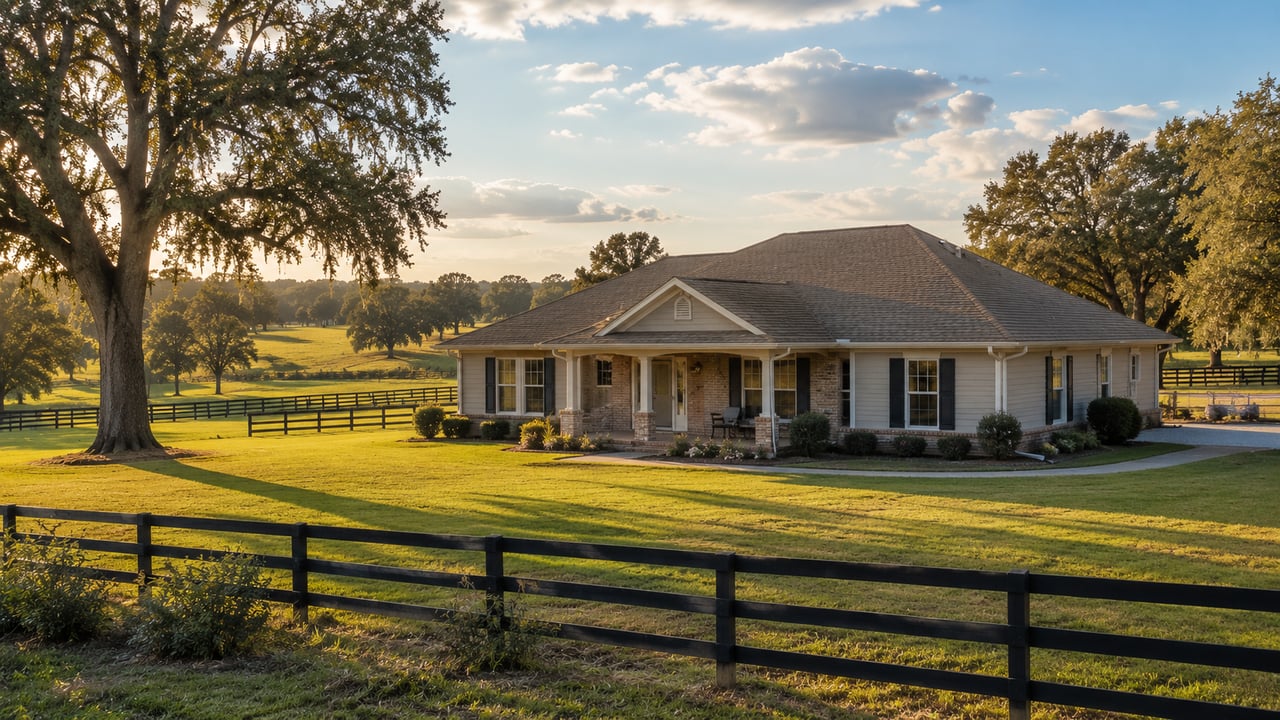
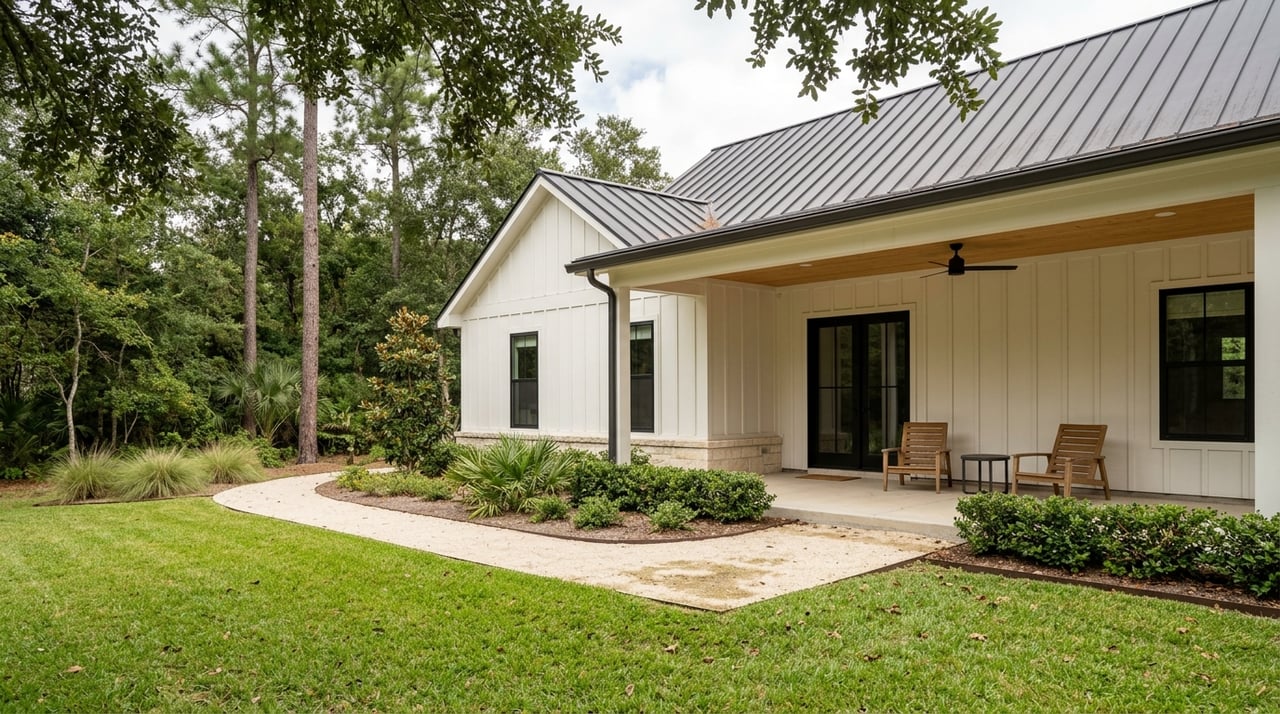
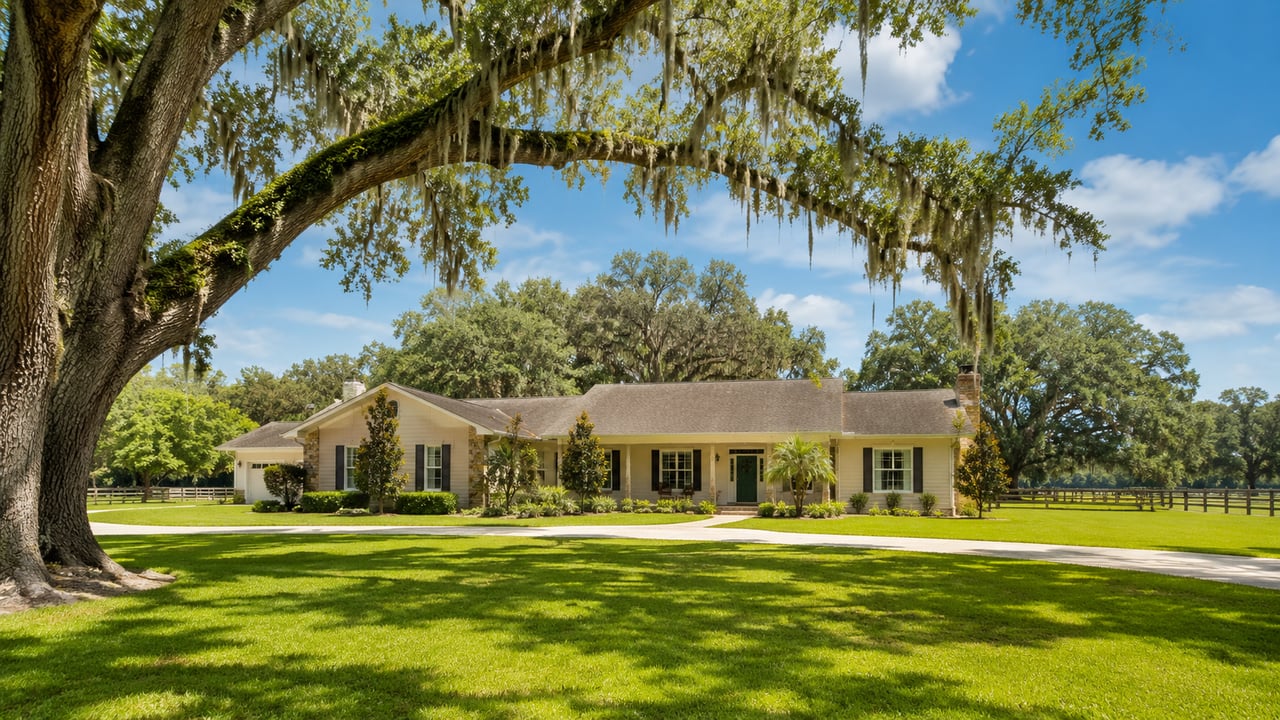
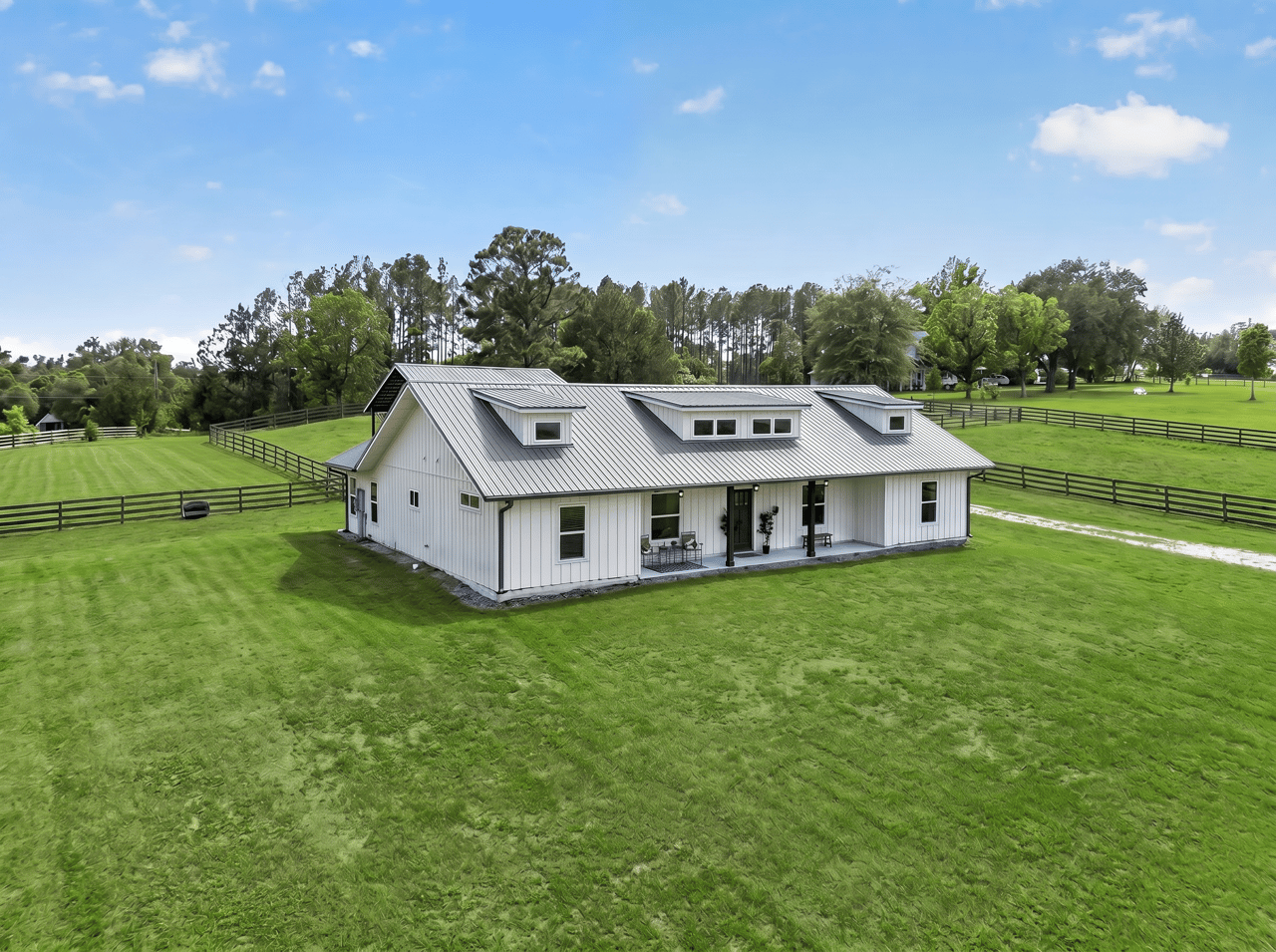
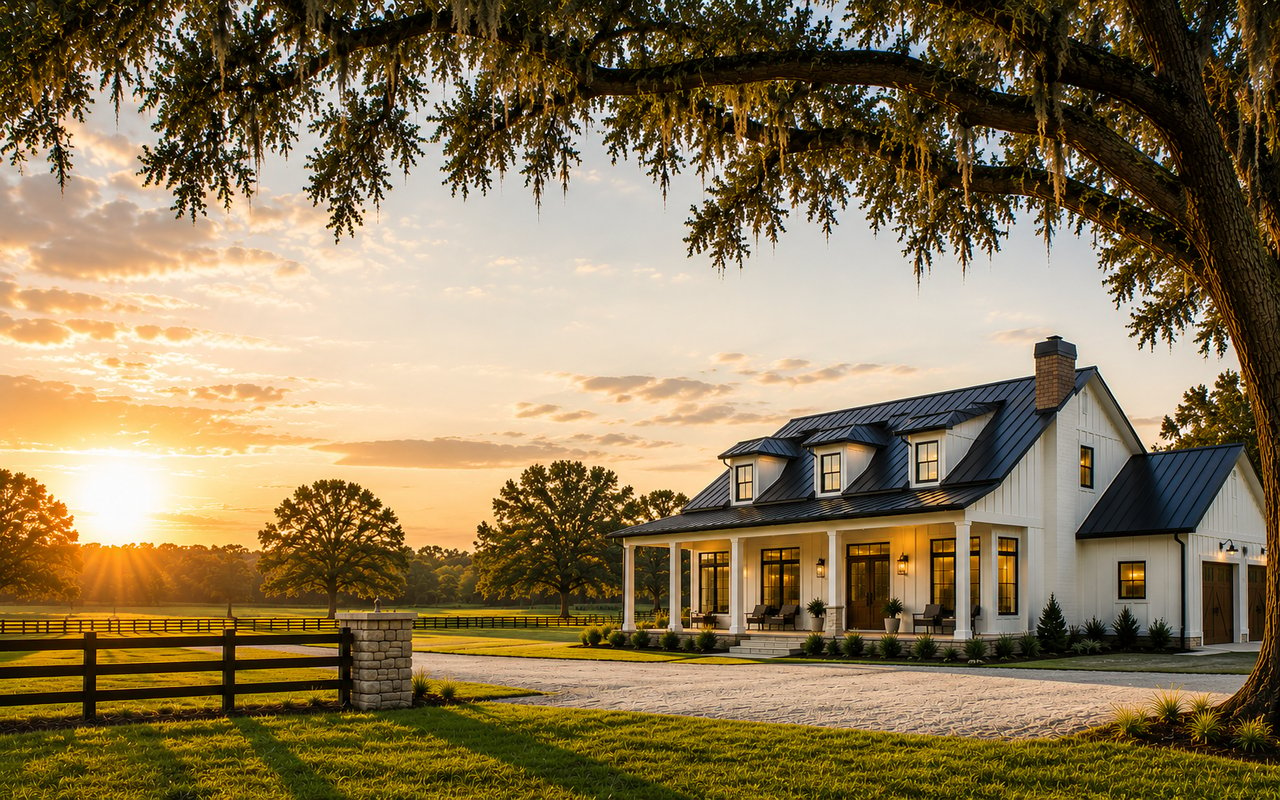
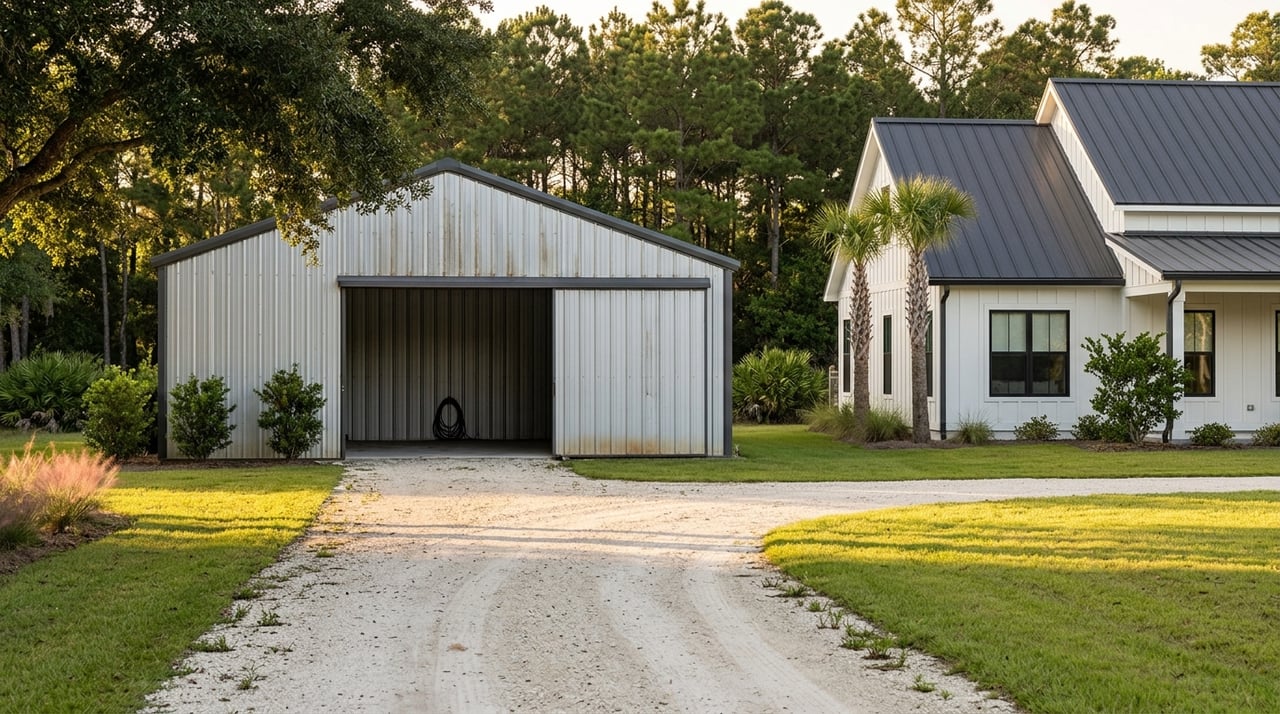
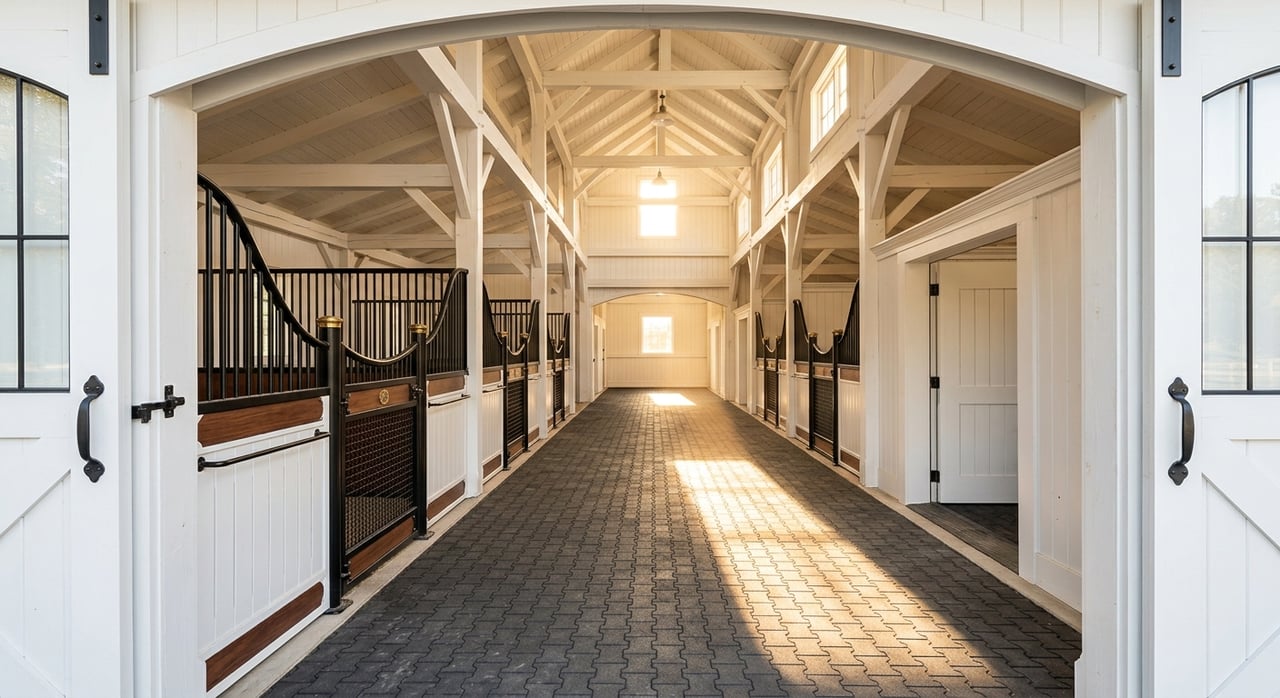
The second is everything outside that core: fenced acreage, working pasture, and equestrian estates spread across the rural land that surrounds the town on both the Alachua and Marion County sides. Recent listings here include a 3-bedroom home on 10 fully fenced acres with wooded trails and an RV hookup, a property with two restored bungalows on a peaceful acre offering independent utilities and an in-place rental tenant, a 63-acre estate of rolling pasture and mature oaks, and at the far end of the range, a 210-plus-acre equestrian facility in northwest Marion County built specifically for equine use.
These are not two price points on the same scale. They're two different purchase decisions that happen to share a zip code.
A shopper comparing a small in-town cottage against a rural equestrian spread isn't shopping the same market twice with a different budget. They're evaluating two products with almost nothing in common: lot size, land use, maintenance scope, and buyer pool all diverge. Averaging their prices together produces a number that describes neither.
What the Slow Days-on-Market Numbers Are Actually Measuring
The two trackers above also disagreed on how long homes sit before going under contract, one reporting a median of 212 days in July 2026, matching the same month a year earlier, the other reporting an average of 310 days as of early September 2026.
Either figure looks slow next to a typical suburban market. The instinct is to read that as a soft market or a buyer's advantage. That's not quite what's happening here.
A town split between a walkable historic-cottage market and a rural acreage-and-equestrian market effectively runs two separate, much smaller buyer pools instead of one combined pool. A buyer looking for a compact historic cottage isn't cross-shopping against someone underwriting a 60-acre horse farm, and vice versa. Each segment has fewer genuinely interested, qualified buyers circulating at any given time than the total listing count would suggest, and each segment waits longer for the right match to show up. Long days-on-market in Micanopy is less a signal of weak demand and more a byproduct of a niche market cut in half by property type.
What This Means If You're Actually Comparing Options
If you're shopping Micanopy with a specific budget in mind, the median price on any given site is close to useless as a planning tool on its own. The more useful exercise is deciding which of the two markets you're actually in before you start comparing numbers.
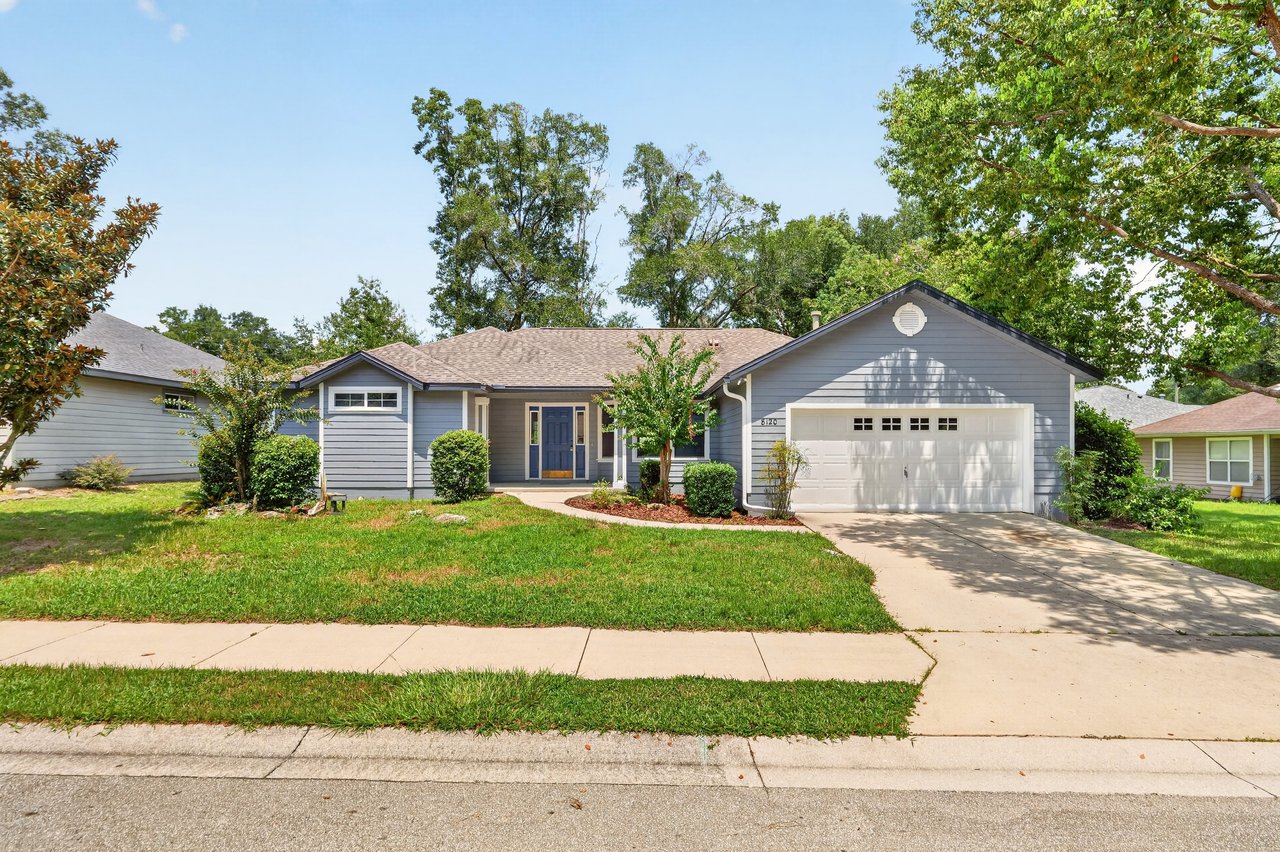
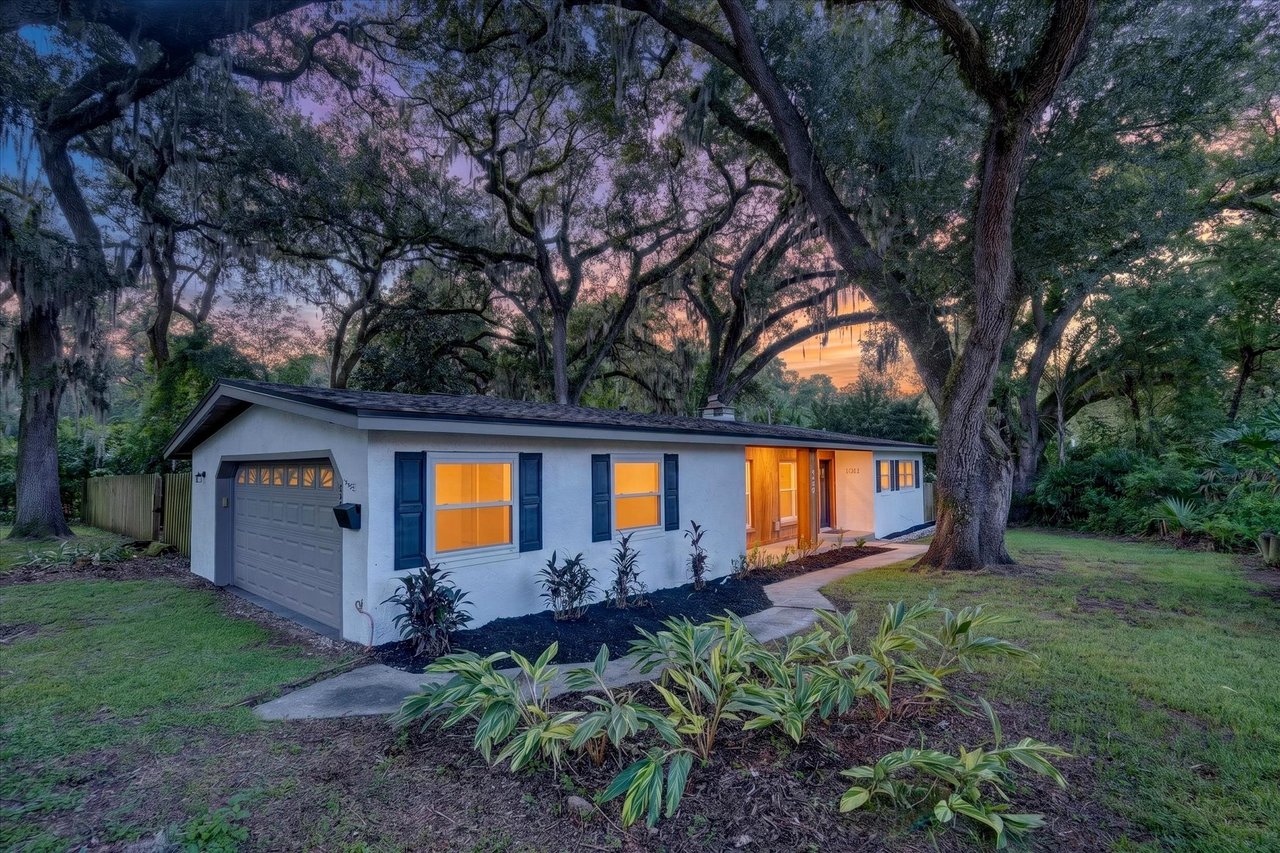
If the walkable historic core is the goal, plan around the lower end of the range these trackers show, generally in the low $200,000s to mid $400,000s depending on lot and condition, and expect a smaller, more competitive pool of comparable listings since so few change hands in a given year.
If acreage or an equestrian setup is the goal, expect the range to widen dramatically, from the mid $300,000s for smaller fenced parcels up into the high six and seven figures for larger working estates, and expect the shopping and closing timeline to run longer simply because so few truly comparable properties exist to compare against.
Either way, the town-wide median is not your comp. Your comp is the small handful of properties that actually match what you're buying, and in Micanopy that handful is genuinely small.
A Few Common Questions
Is Micanopy's market getting more expensive or cheaper right now? Both, depending on which week and which platform you check. Month-over-month figures in 2026 have swung in both directions inside single-digit percentages, largely because so few homes trade hands that one or two closings shift the average.
What's a realistic price per square foot to plan around? It depends entirely on which segment you're in. Compact in-town cottages have priced closer to the $260 per square foot range reported earlier in 2026, while averages pulled from a market that includes large acreage estates have shown figures several times higher, driven by a small number of high-value outliers rather than typical pricing.
Why do homes sit on the market so long in Micanopy? Not because demand is weak, but because the buyer pool for each property type is small. A historic cottage buyer and an acreage buyer are shopping for fundamentally different things, and each group waits longer for the right match in a market this size.
Should I even trust an online median for this town? Treat it as a rough starting point, not a budget. Ask what specific properties are behind that number before assuming it describes what you'd actually pay.
Numbers this volatile are exactly why a local read matters more than a national aggregator here. If you're weighing a historic cottage against a rural or equestrian property in Micanopy, or trying to figure out which segment actually fits your budget and goals, Anson Properties can walk you through current comparable sales for the specific type of property you're considering, not just the town-wide average.
This article is general information, not legal, tax or financial advice. Consult a qualified professional about your situation.