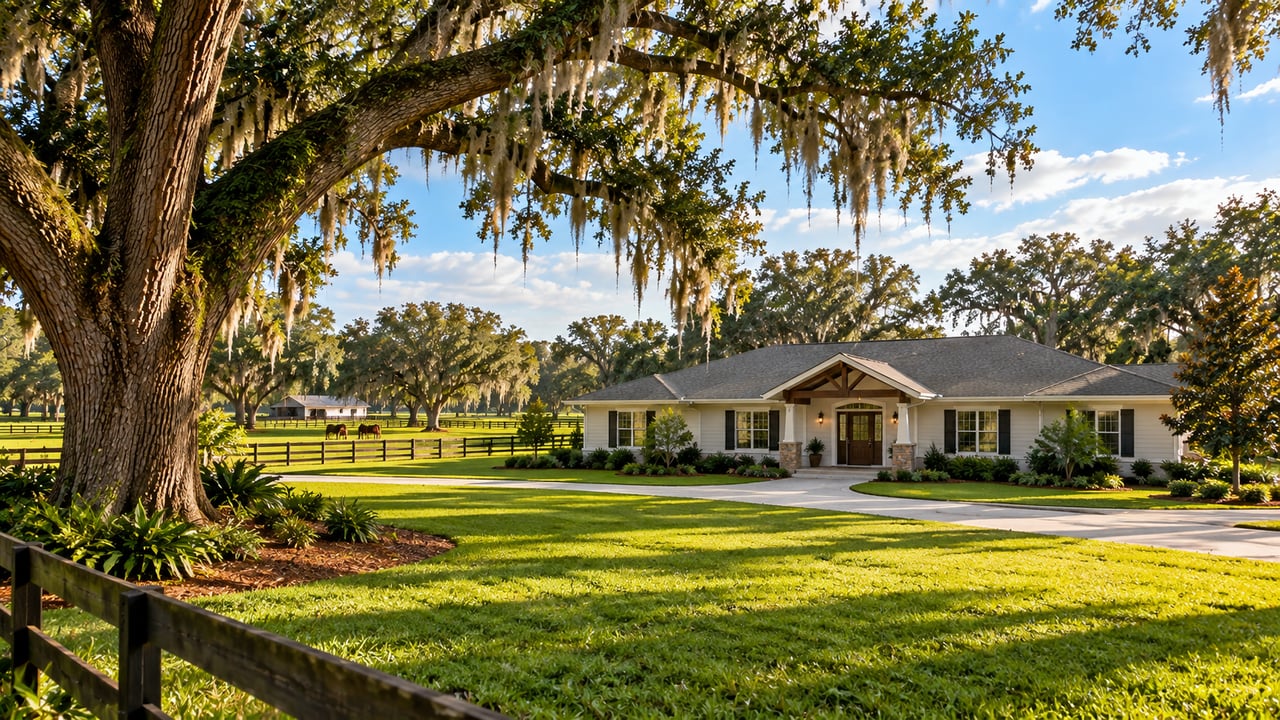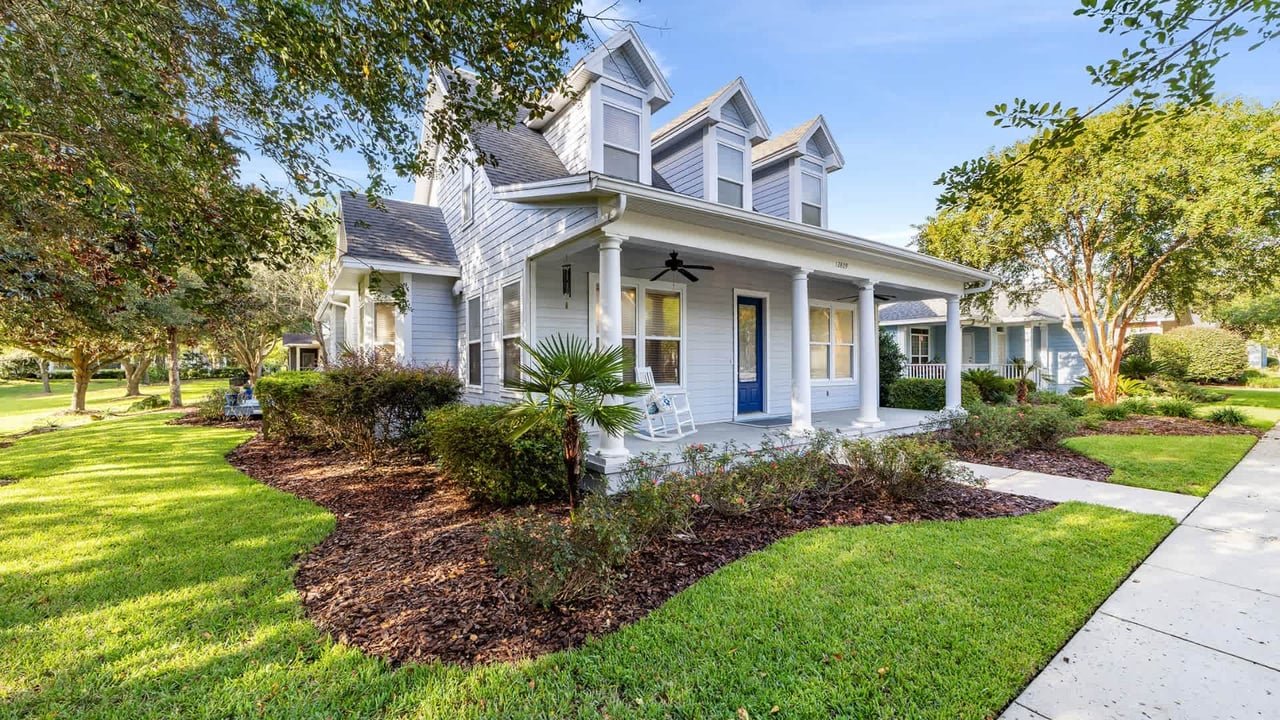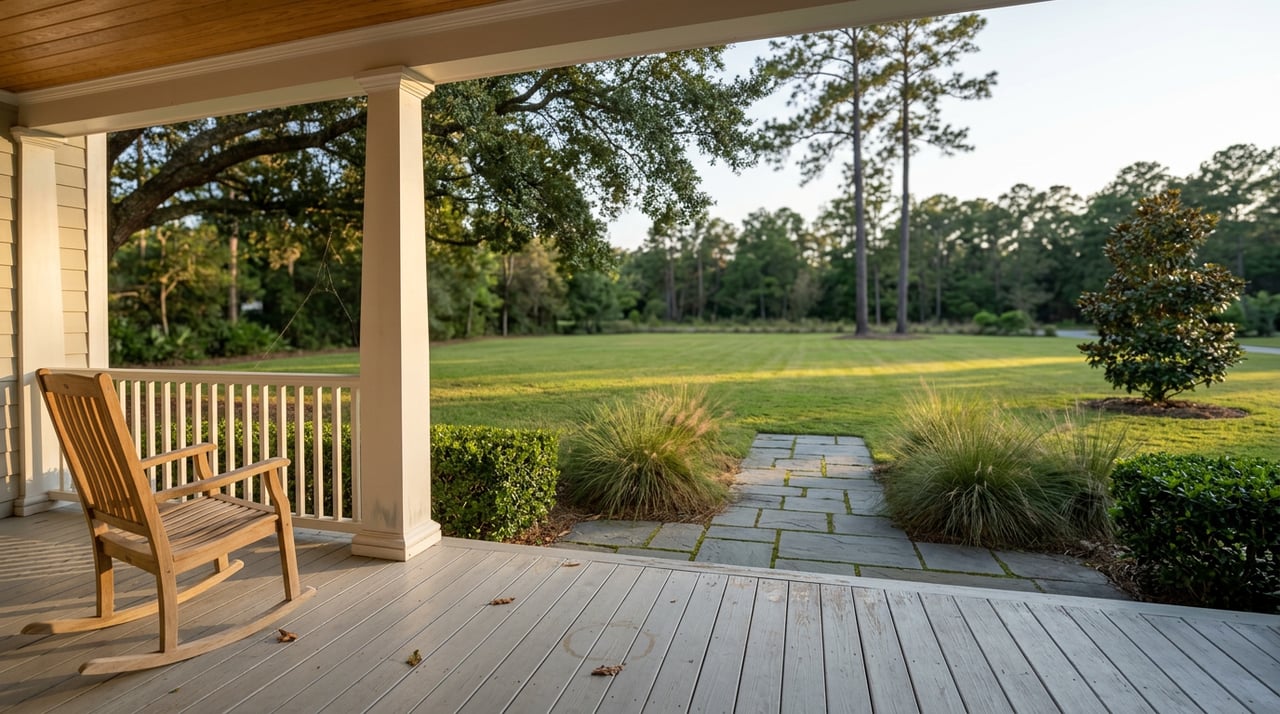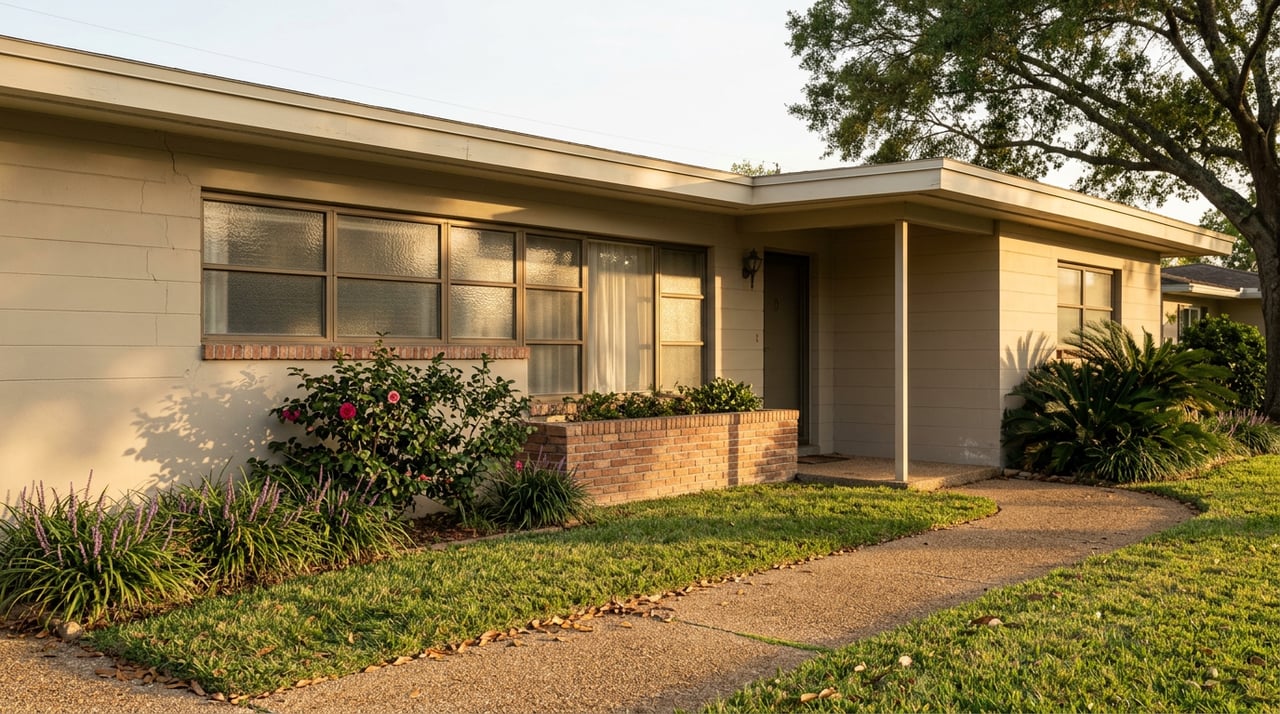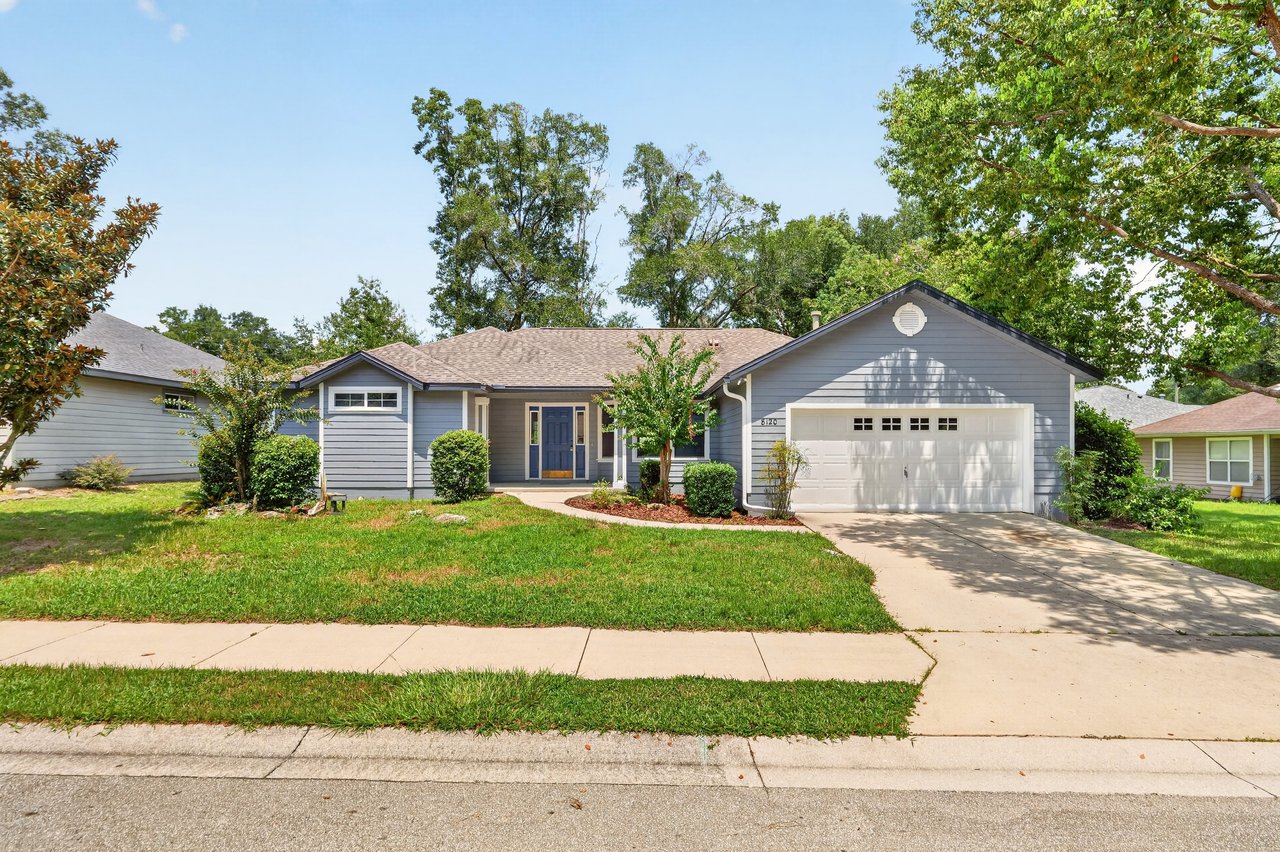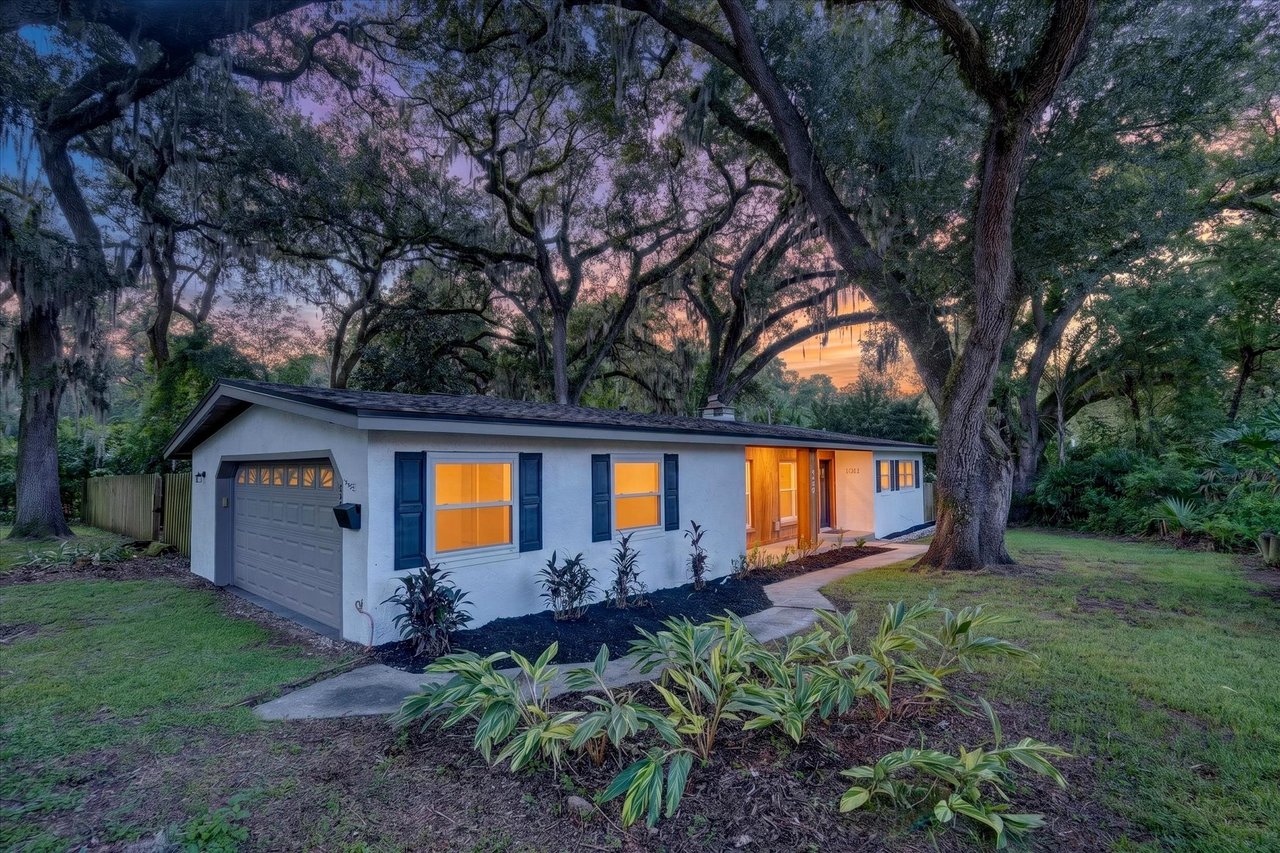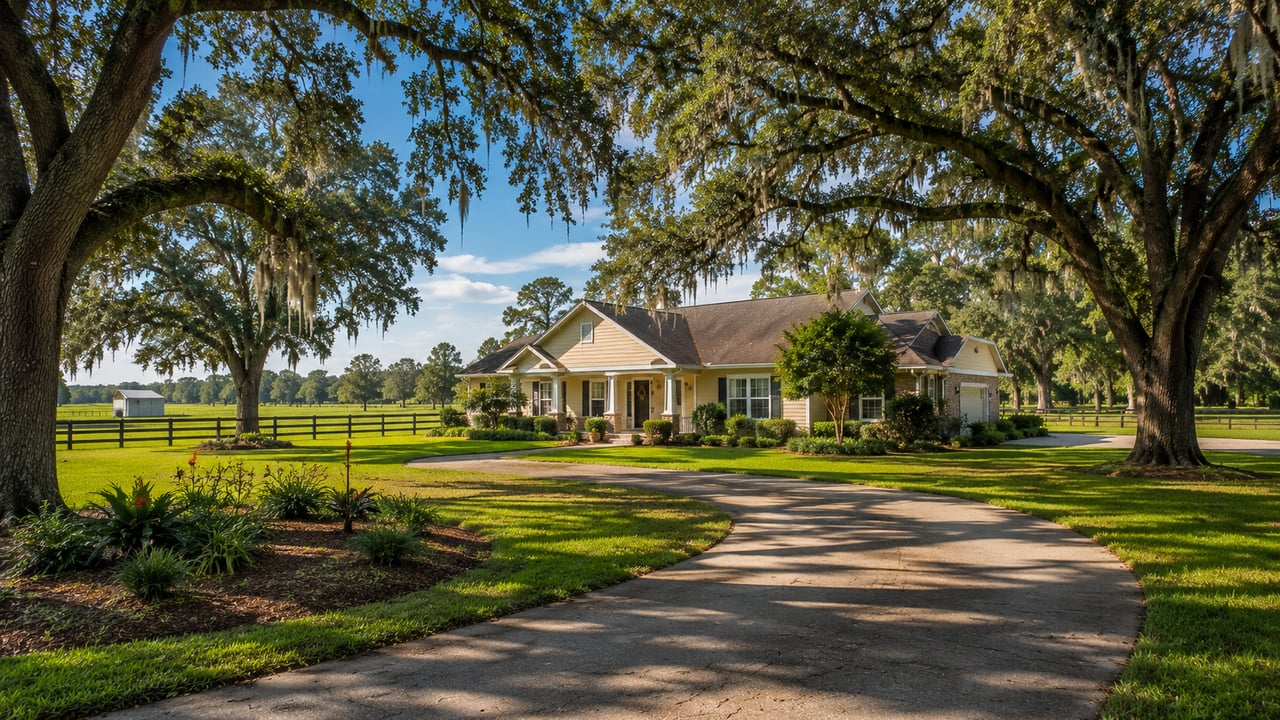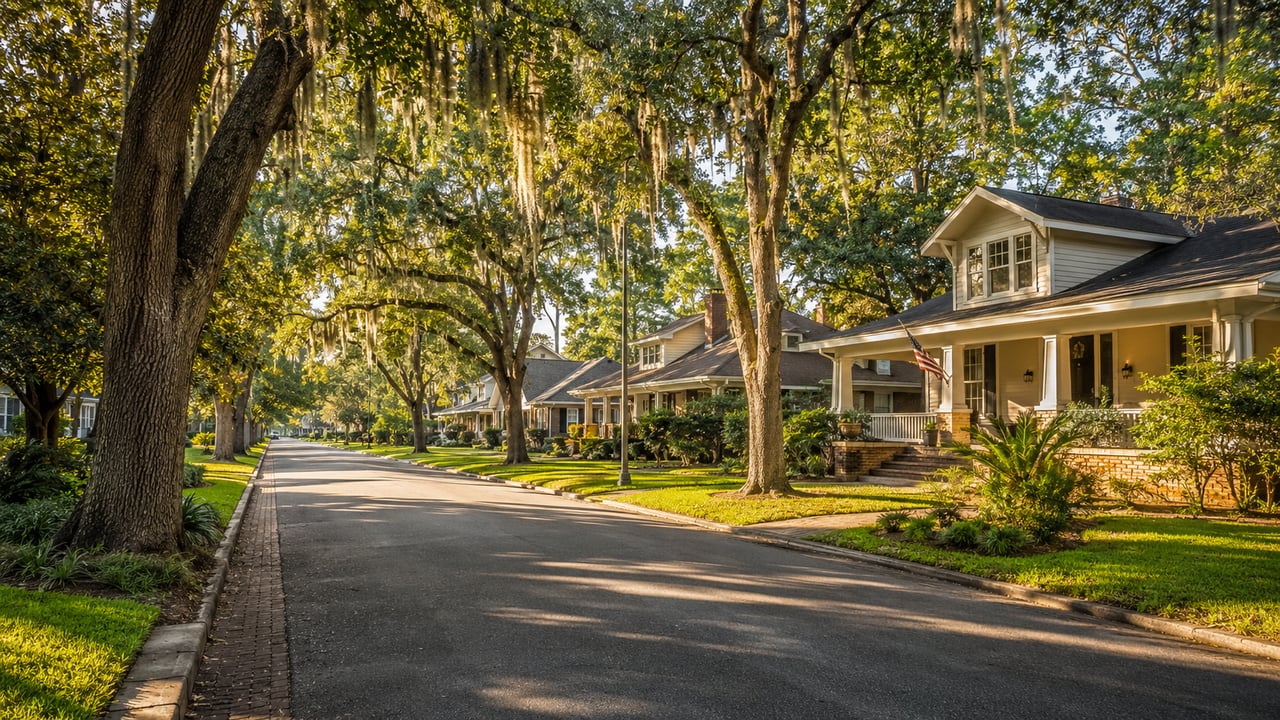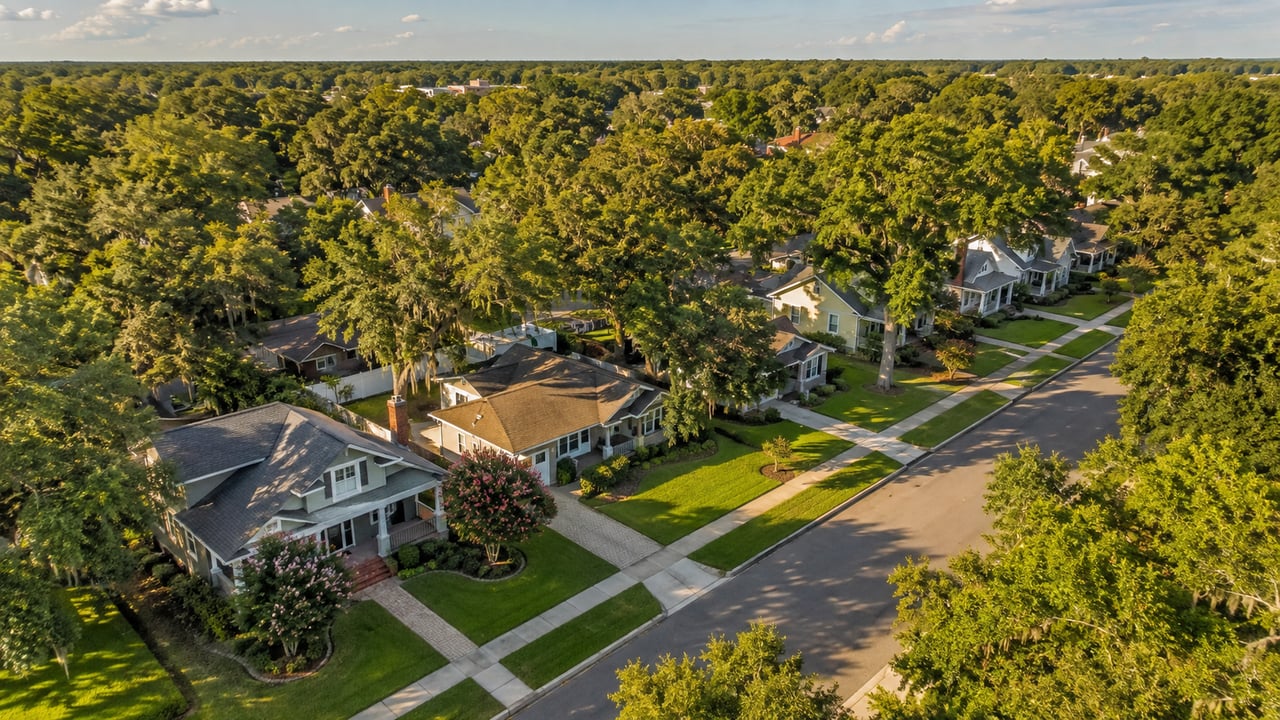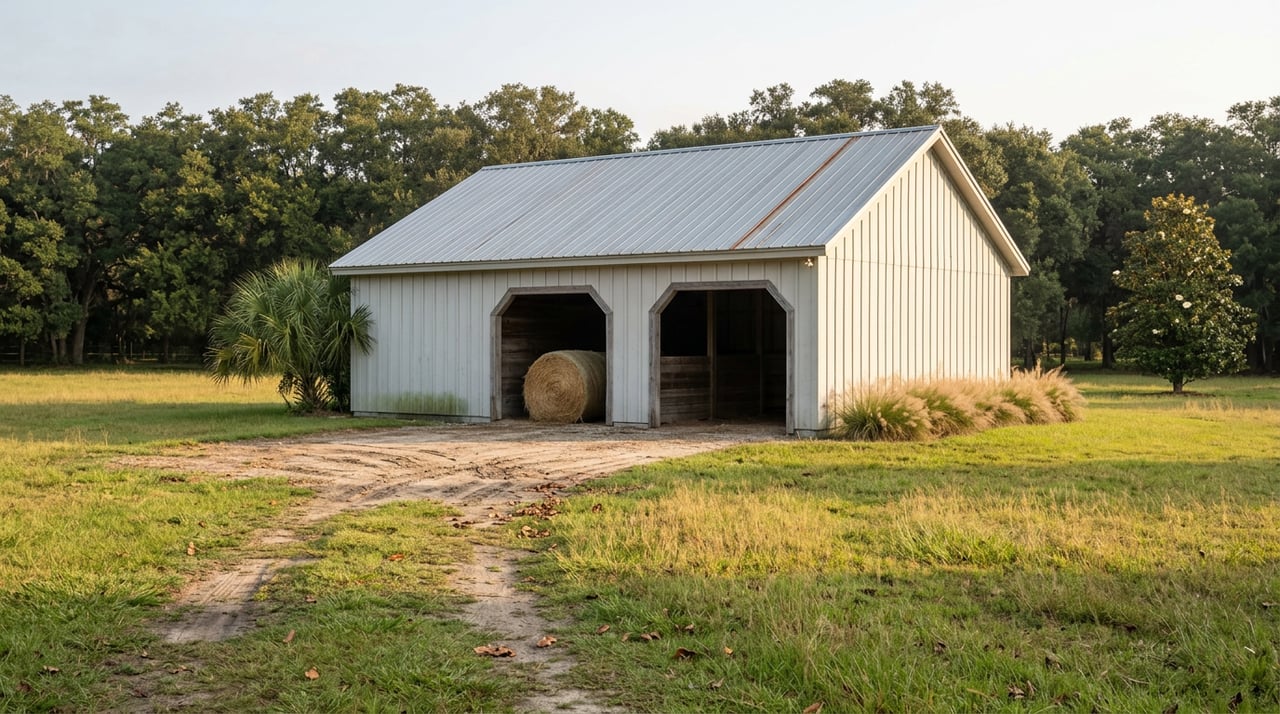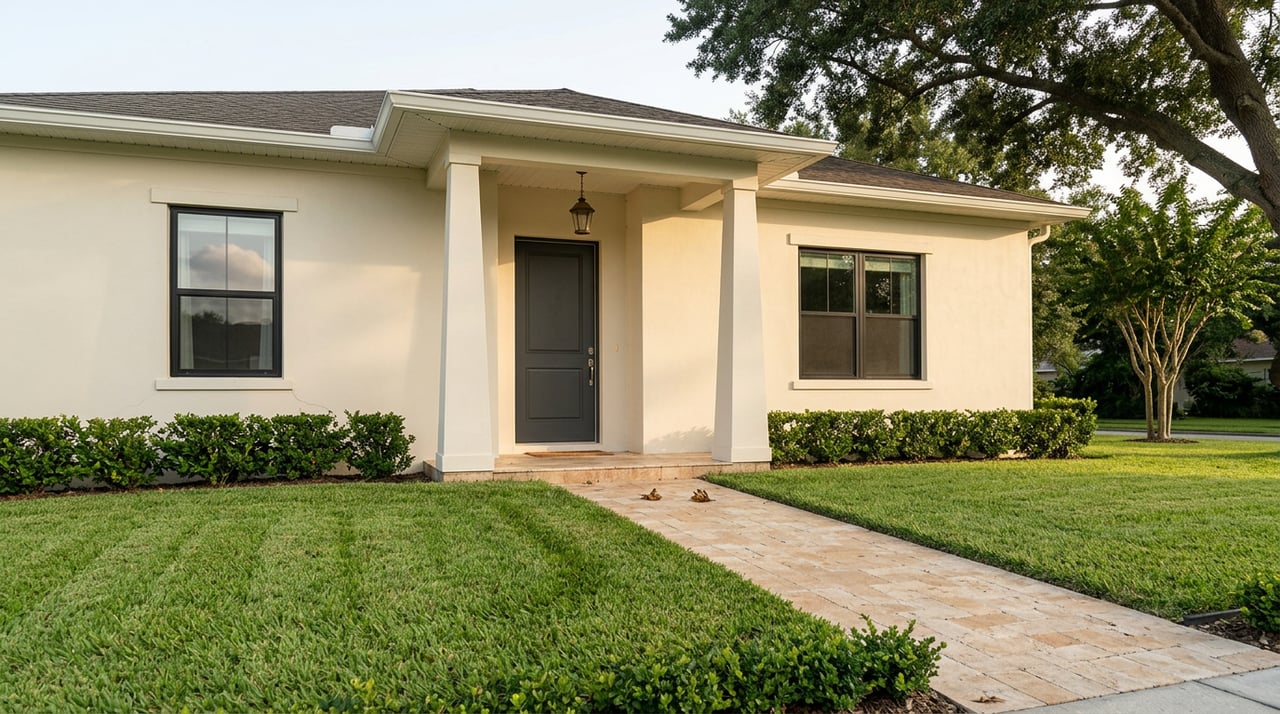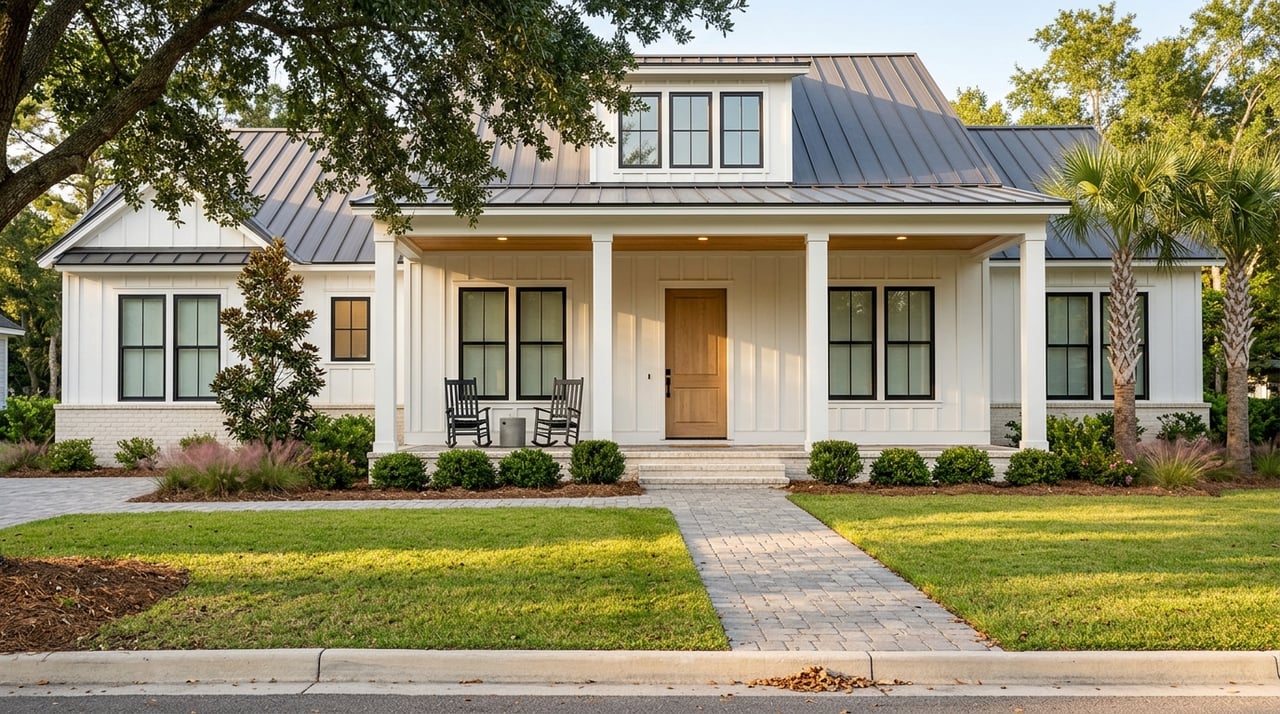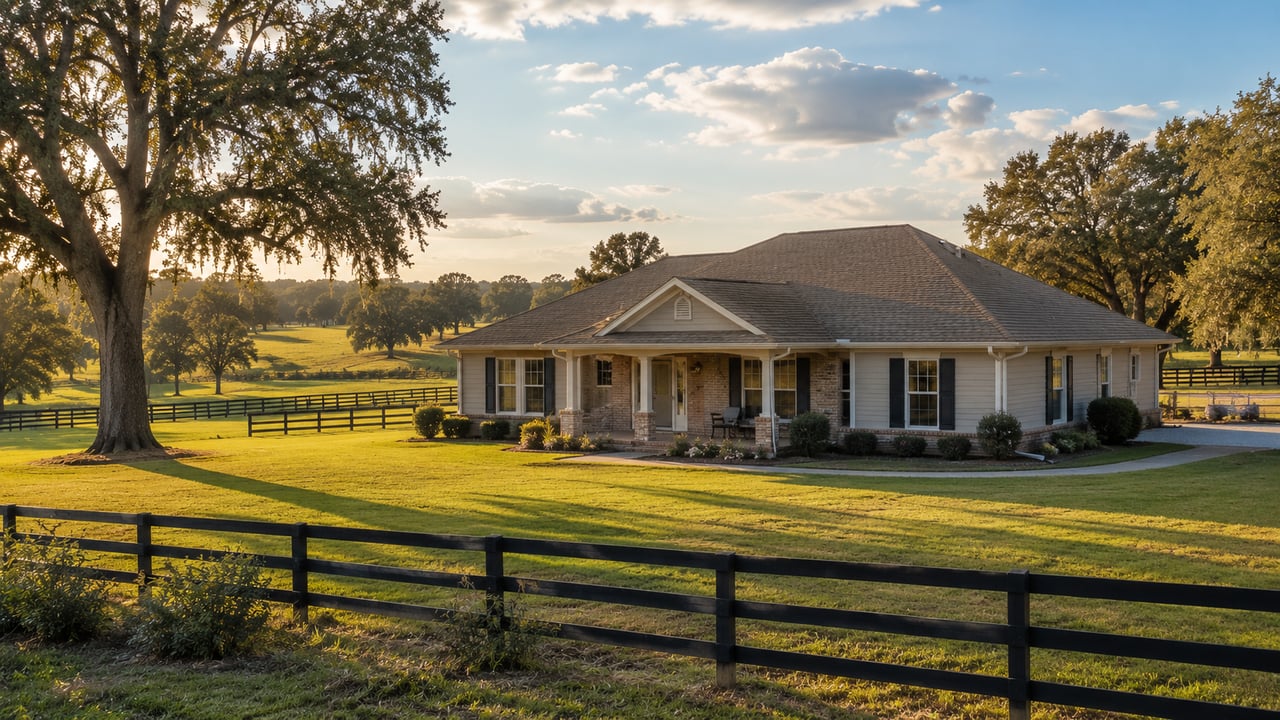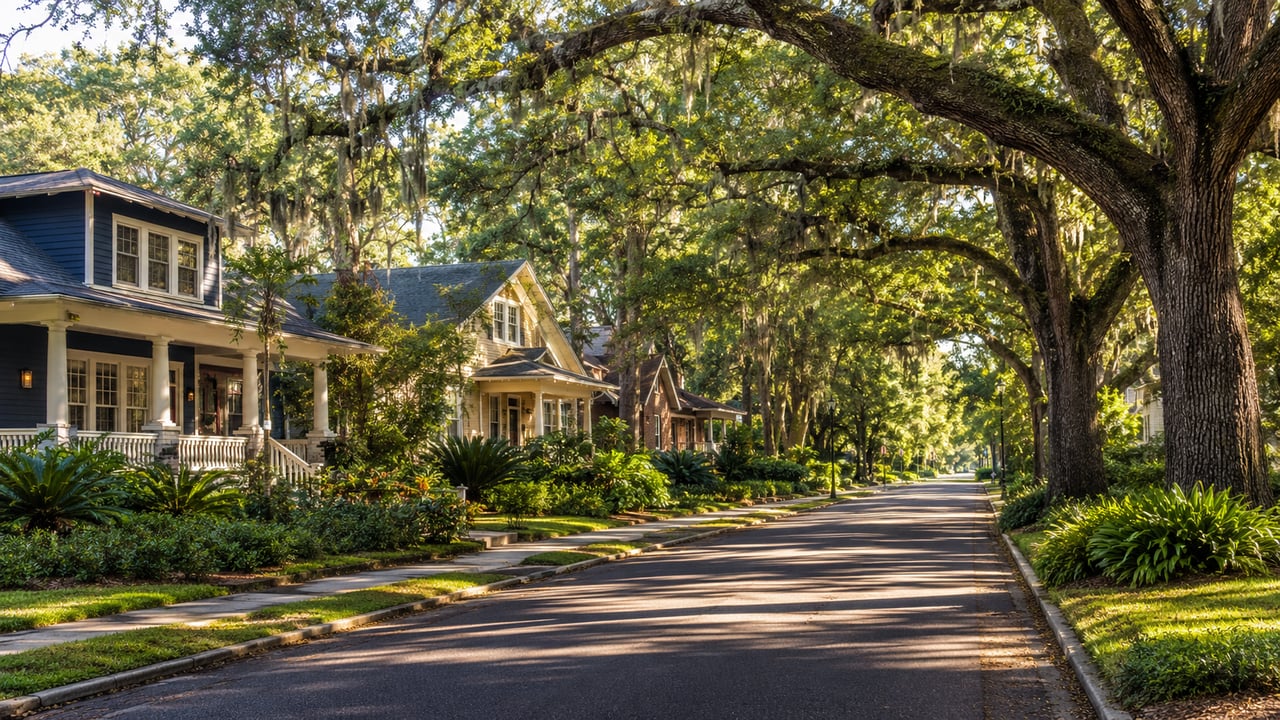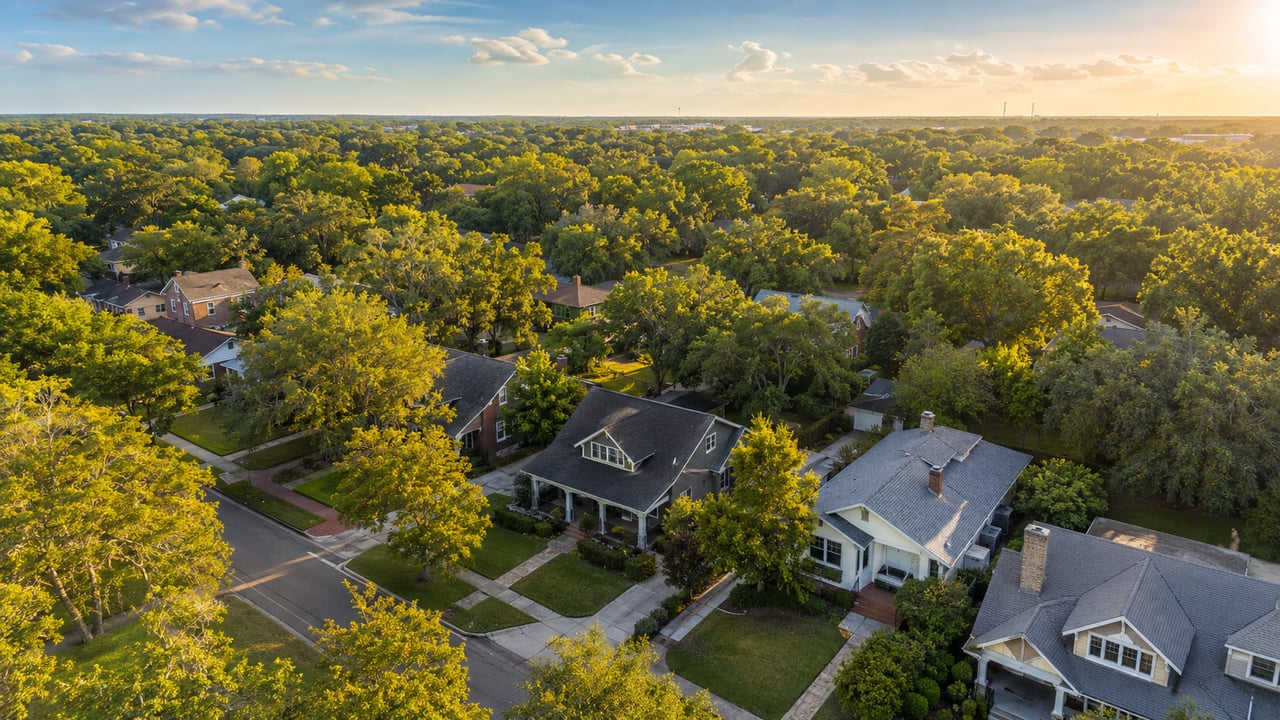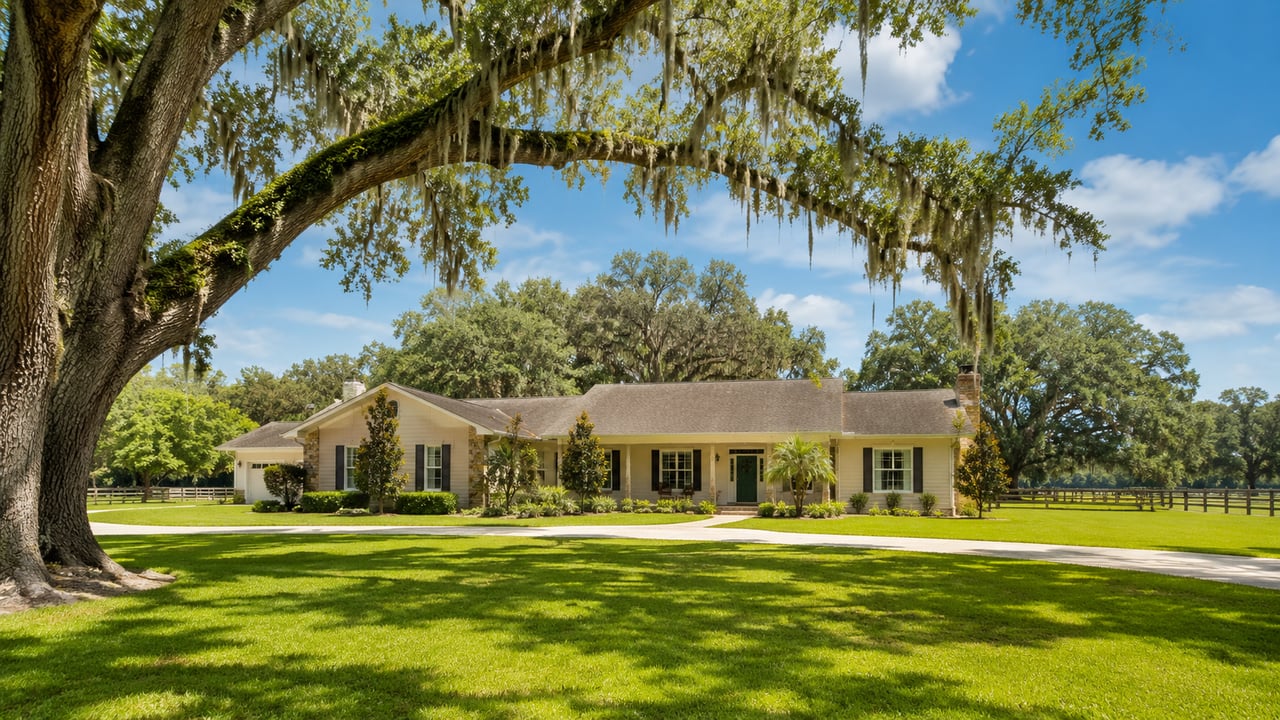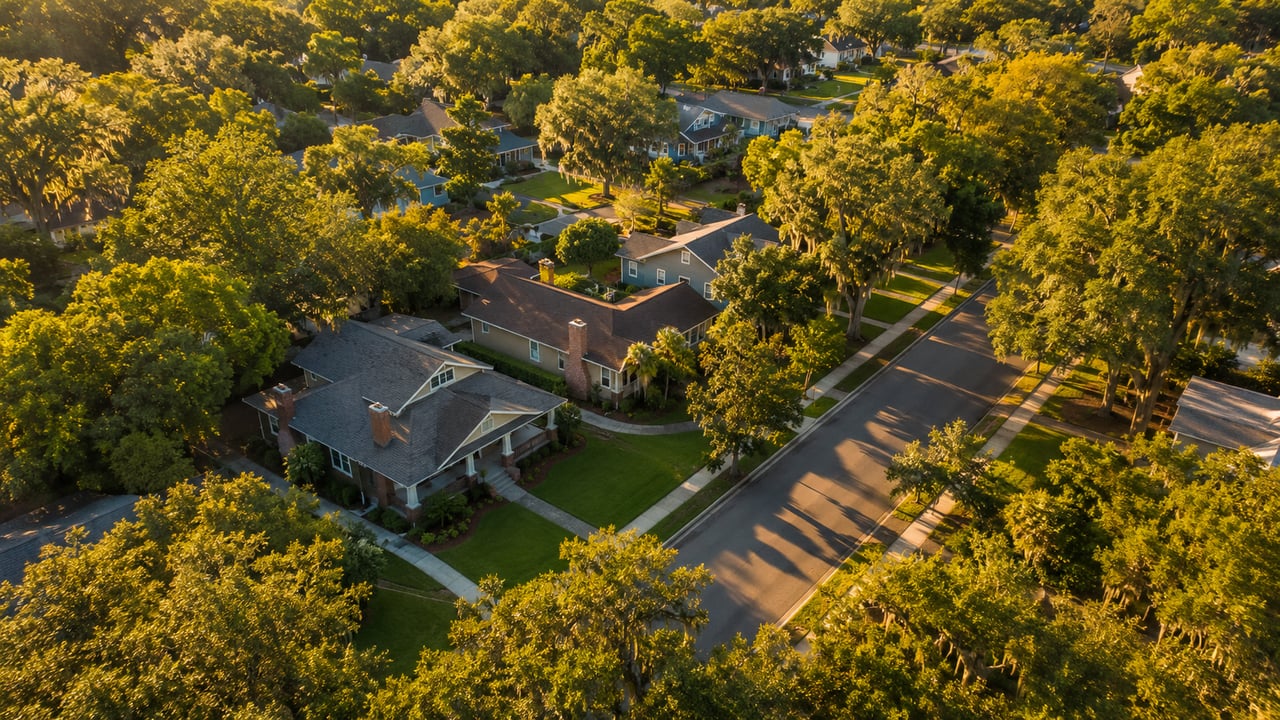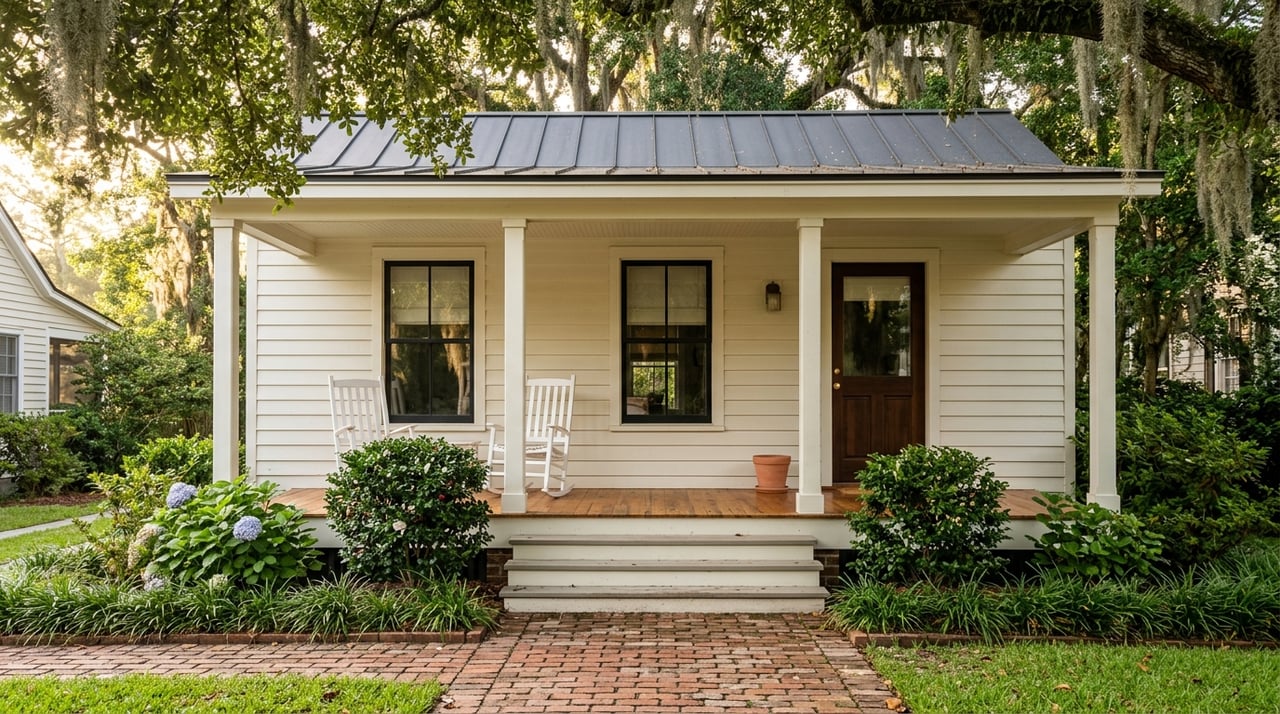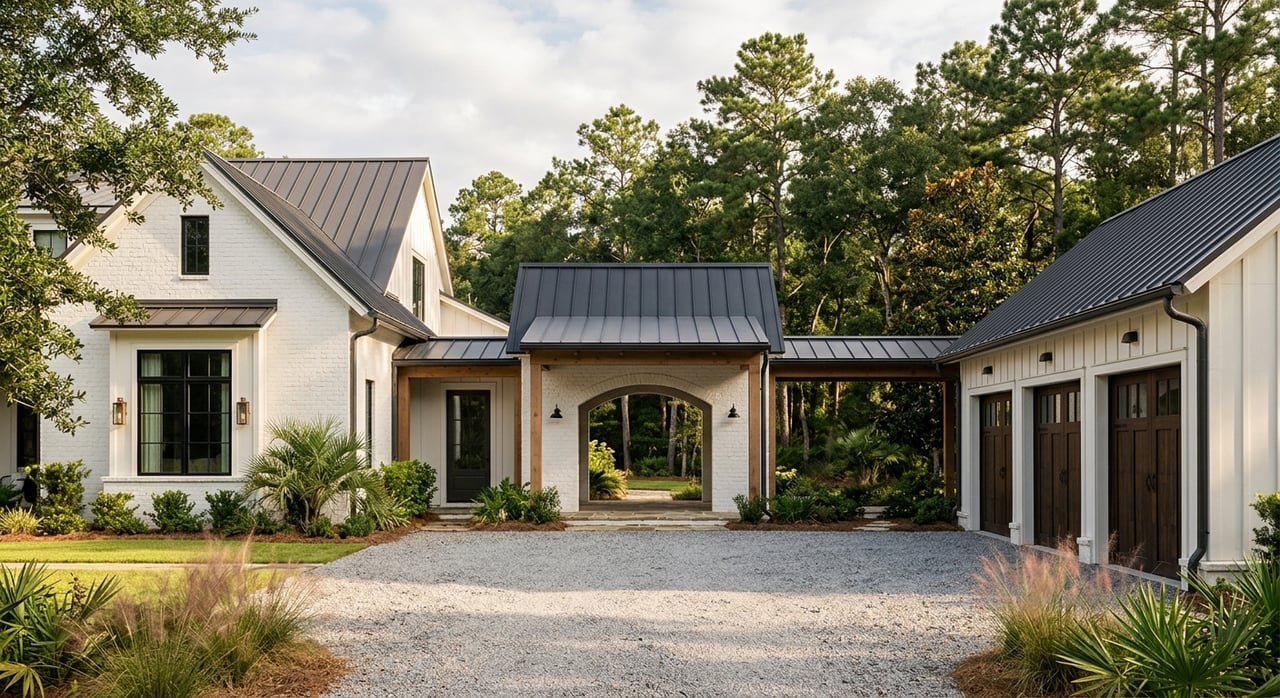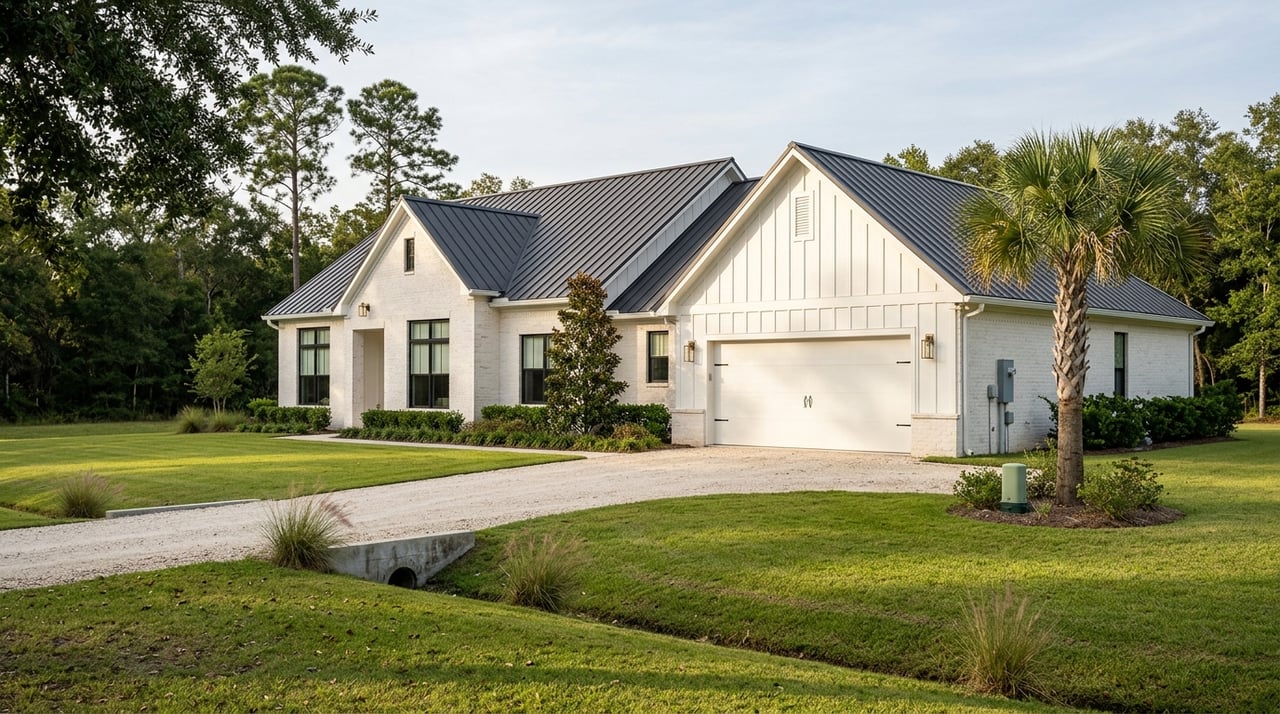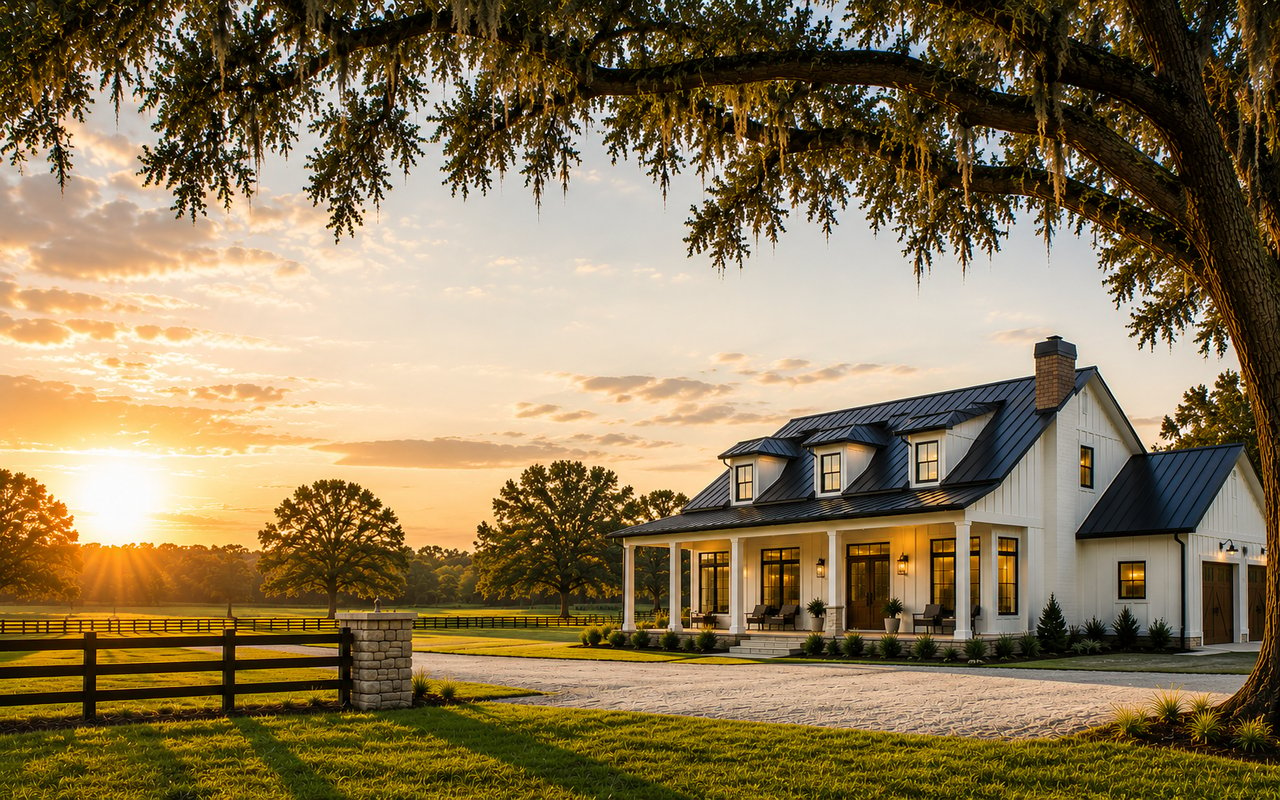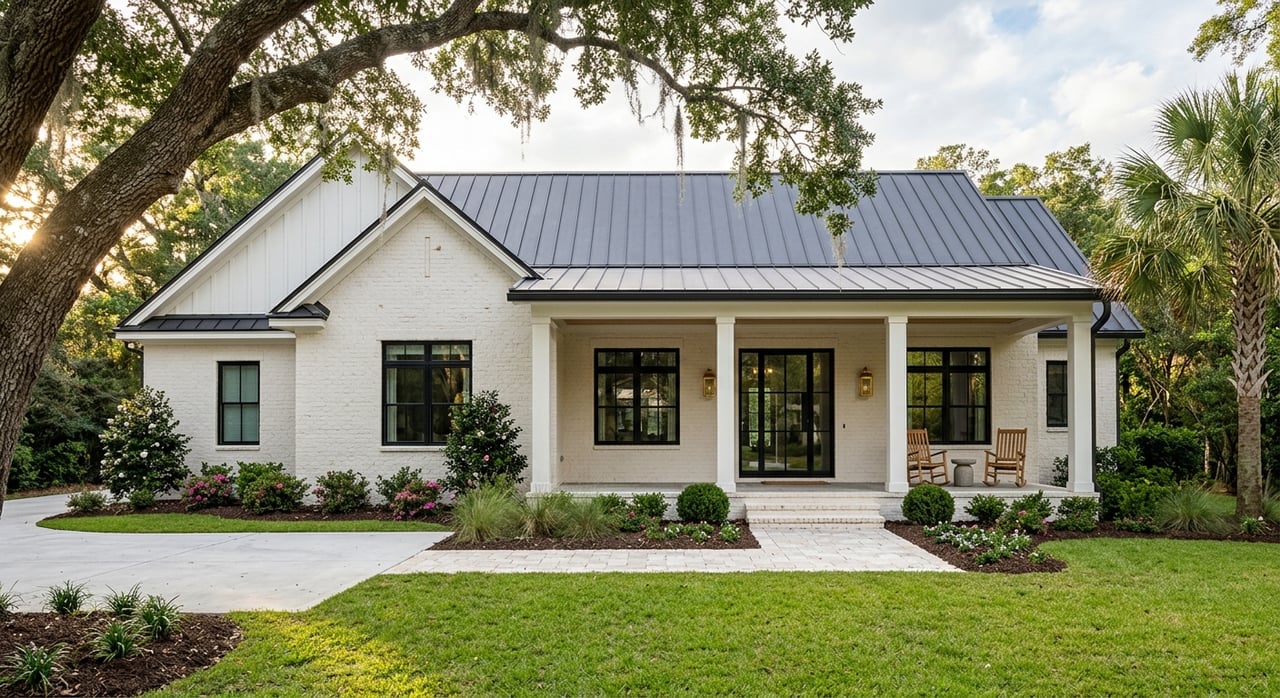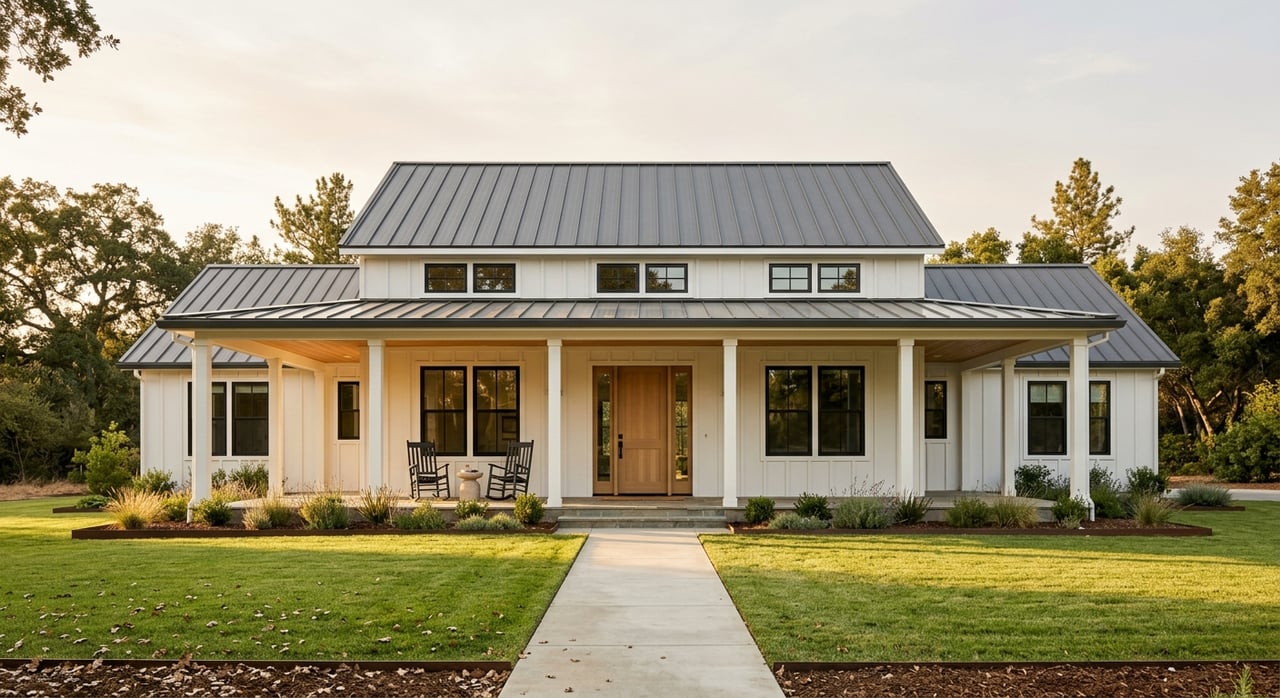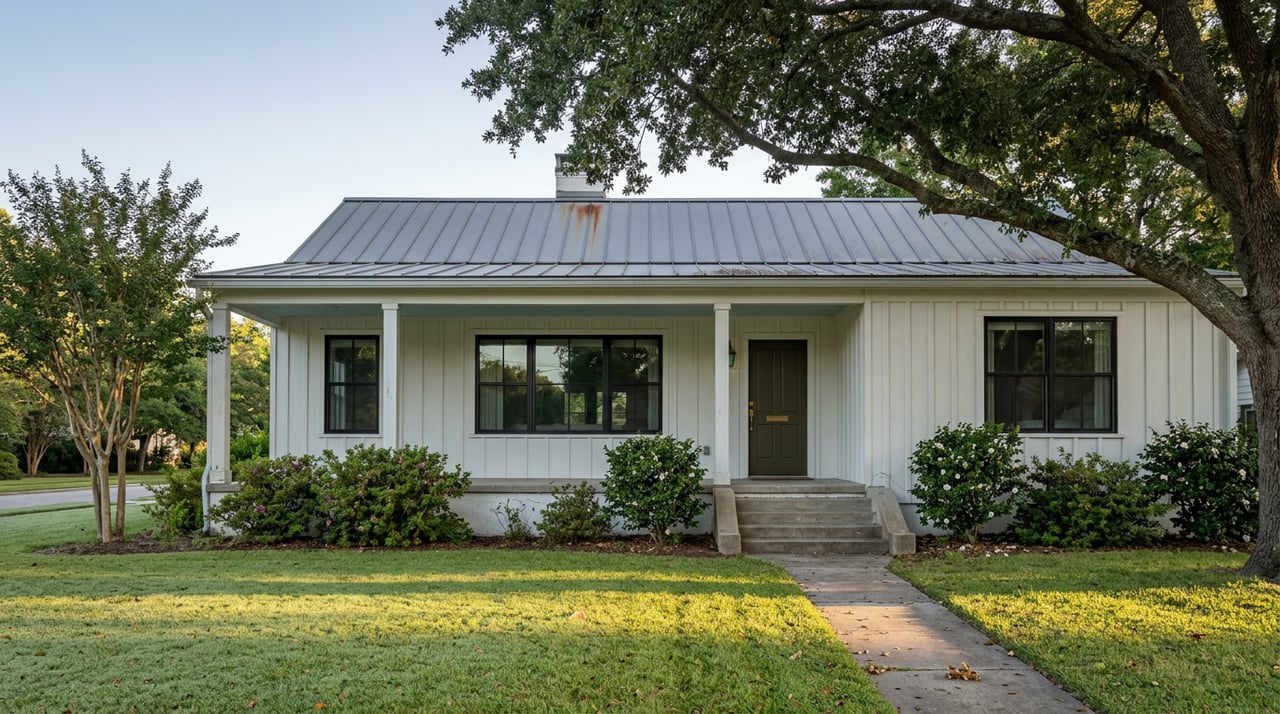
Why would a three-bedroom cottage in Gainesville's Duckpond list for under $250,000 while a house of similar size four blocks away asks north of $2 million? Same zip code. Same tree canopy. Same walk to downtown. As of this summer, that was the actual spread on active listings in the neighborhood, and it is not a fluke of one unusual month. It is how this particular market has worked for years, and it catches buyers off guard because nothing about it shows up in a headline median.
Most people comparing Gainesville neighborhoods treat the Duckpond's reported median price the way they would treat a subdivision median in Haile Plantation or Tioga: as a rough stand-in for what a typical home costs. In a neighborhood built on repeatable floor plans, that shortcut mostly holds. In the Duckpond, it does not, and the reason has less to do with location within the district and more to do with a regulatory layer most buyers never think to ask about until they are already under contract.
A Small Market That Breaks the Median
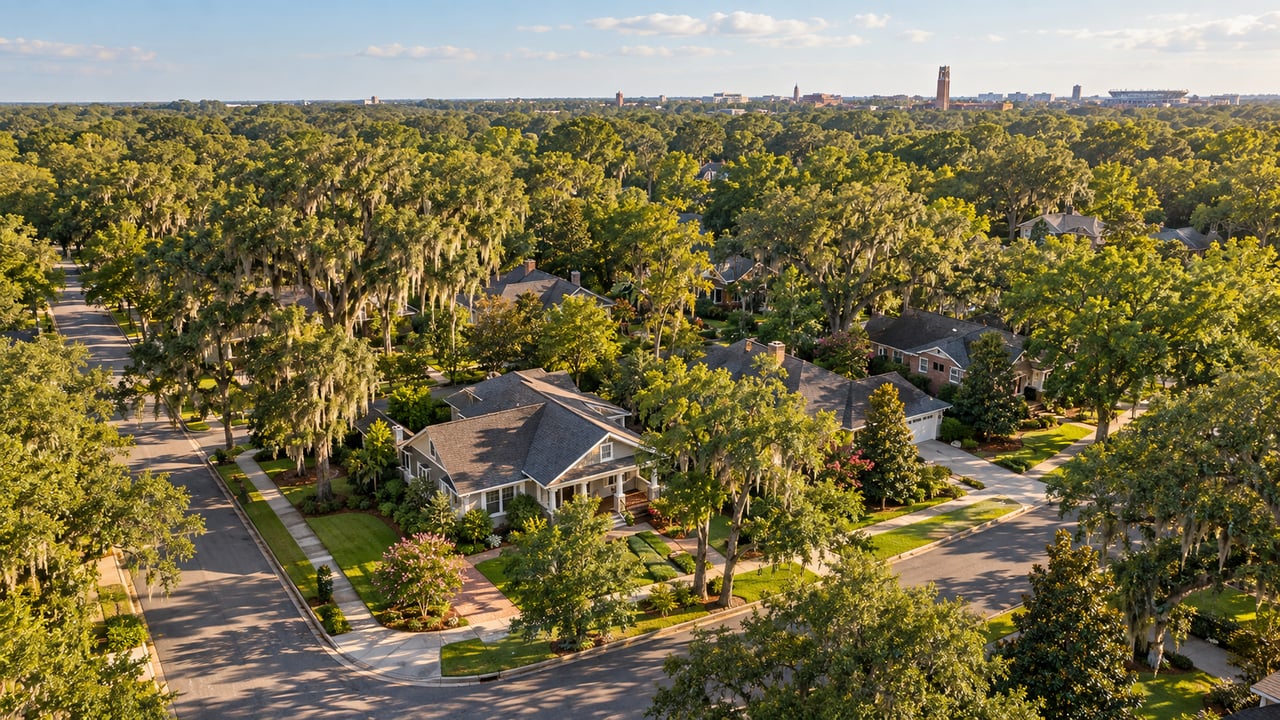
The Duckpond is formally the Northeast Gainesville Residential District, added to the National Register of Historic Places on February 12, 1980. At the time of that designation, federal records counted 229 contributing historic buildings across roughly 1,660 acres bounded by 1st and 9th Streets and 10th and East University Avenues. Local listings today describe the neighborhood more loosely as around 900 homes, a small enough pool that a handful of unusual sales can swing the reported median from one reporting period to the next.
That instability shows up in the data itself. As of July 2026, one national real estate data platform put the Duckpond's median list price at $480,000, while a second, pulling from the same general market that same month, reported $449,000. Neither number is wrong. They are both drawing from a pool small enough that which dozen or so homes happen to be listed in a given window moves the average meaningfully. Over the trailing twelve months, the reported median sold price sat closer to $392,500, up roughly 8 percent year over year, with homes typically spending 73 to 110 days on market against a national norm in the mid-50s. Meanwhile the median list price of $480,000 and the average sale price of roughly $413,000 sat far enough apart to suggest something other than simple negotiation is at work.
A median built on a dozen transactions a month cannot tell you what a specific house is worth. In the Duckpond, it cannot even reliably tell you what the neighborhood is worth, because the underlying inventory splits into two genuinely different products.
What You're Actually Buying Isn't Just a House
The split comes down to restoration status, and restoration status in the Duckpond is inseparable from a layer of approval most buyers in newer Gainesville neighborhoods never encounter. The district sits inside a locally designated historic-preservation overlay, one of five such districts the city maintains, protecting more than 1,500 historic structures citywide. Renovation work in the Duckpond specifically requires licensed professionals and sign-off from Historic Gainesville, Inc., the neighborhood's preservation organization, before changes move forward. That approval step applies to the things a buyer would normally handle on their own timeline: a new roofline, replacement windows, an addition, a fence, a porch enclosure.
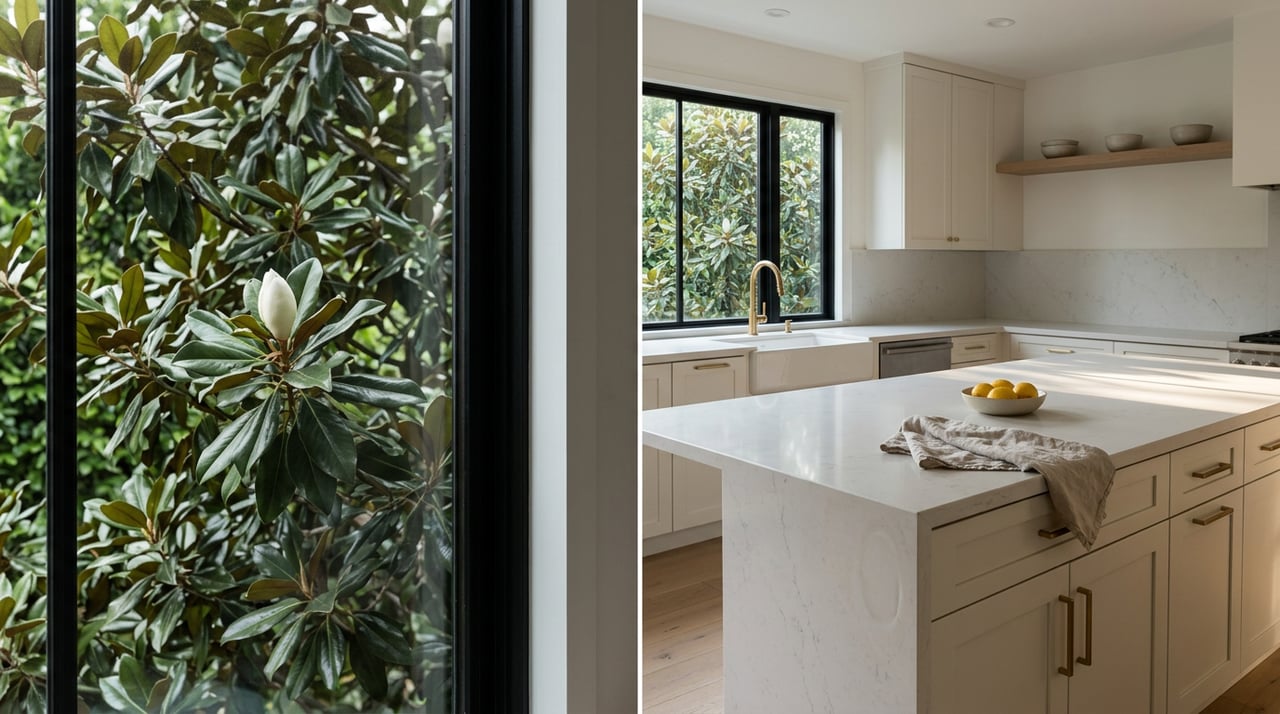
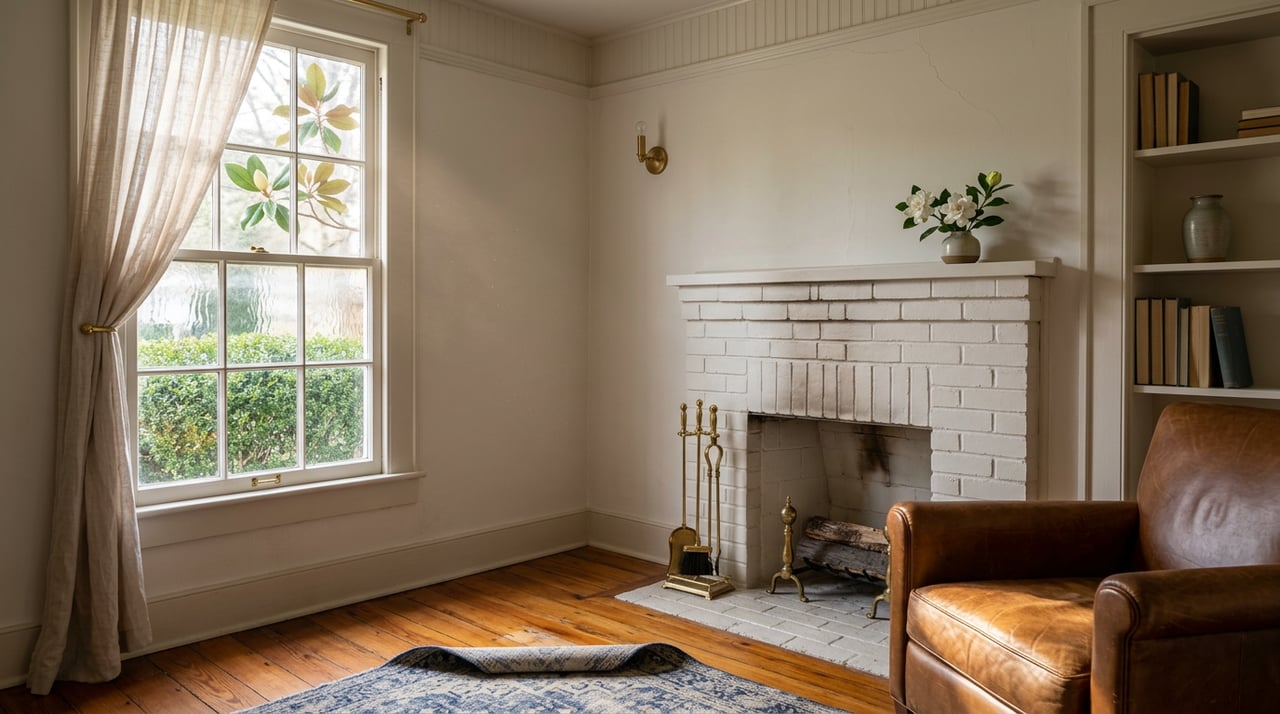
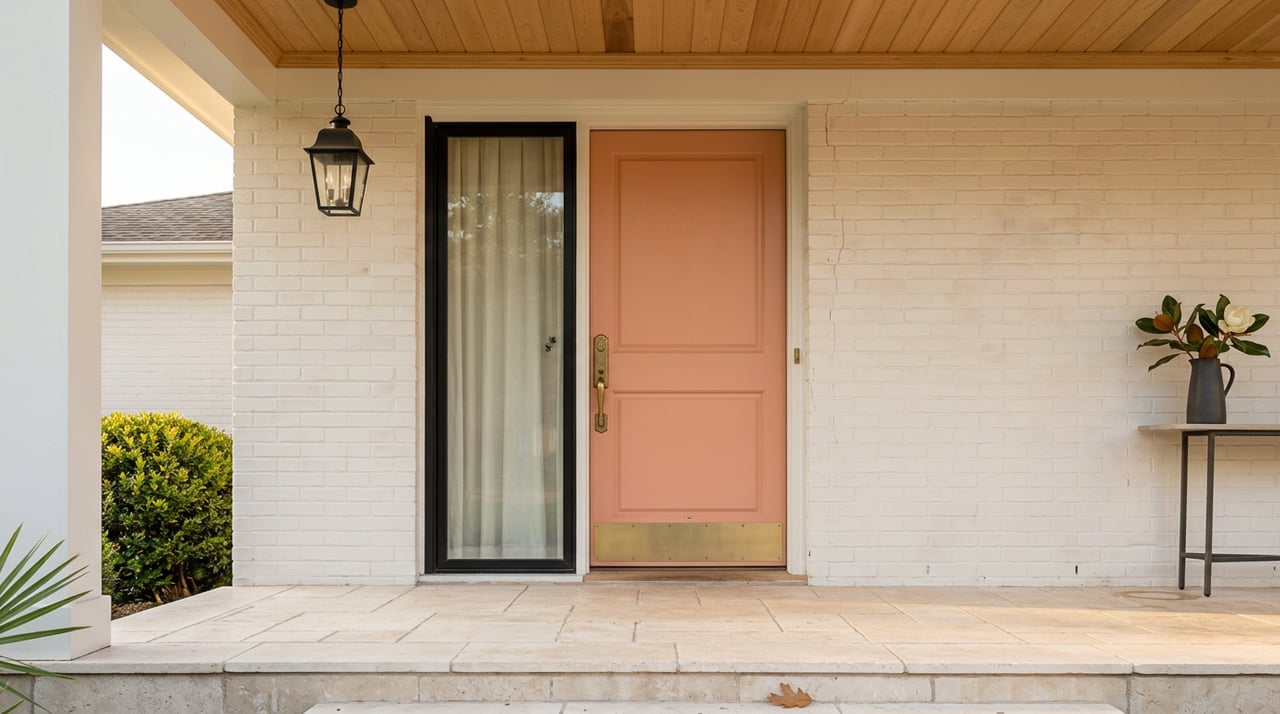
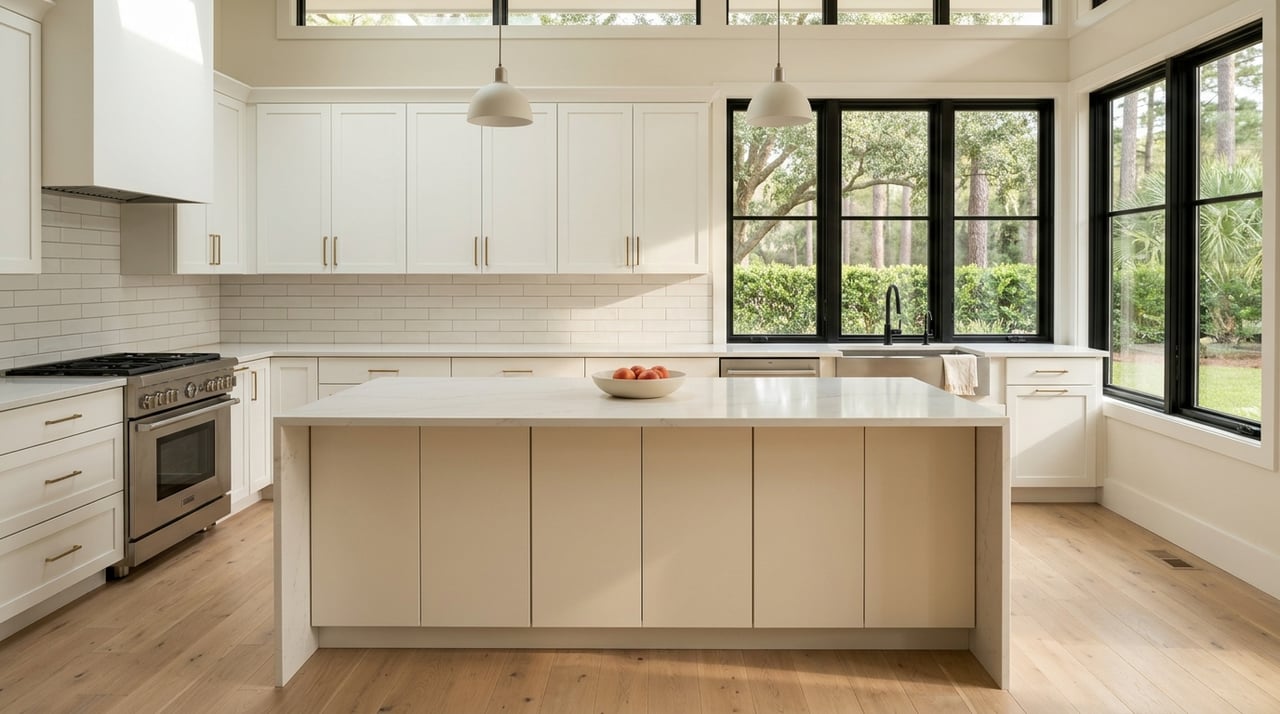
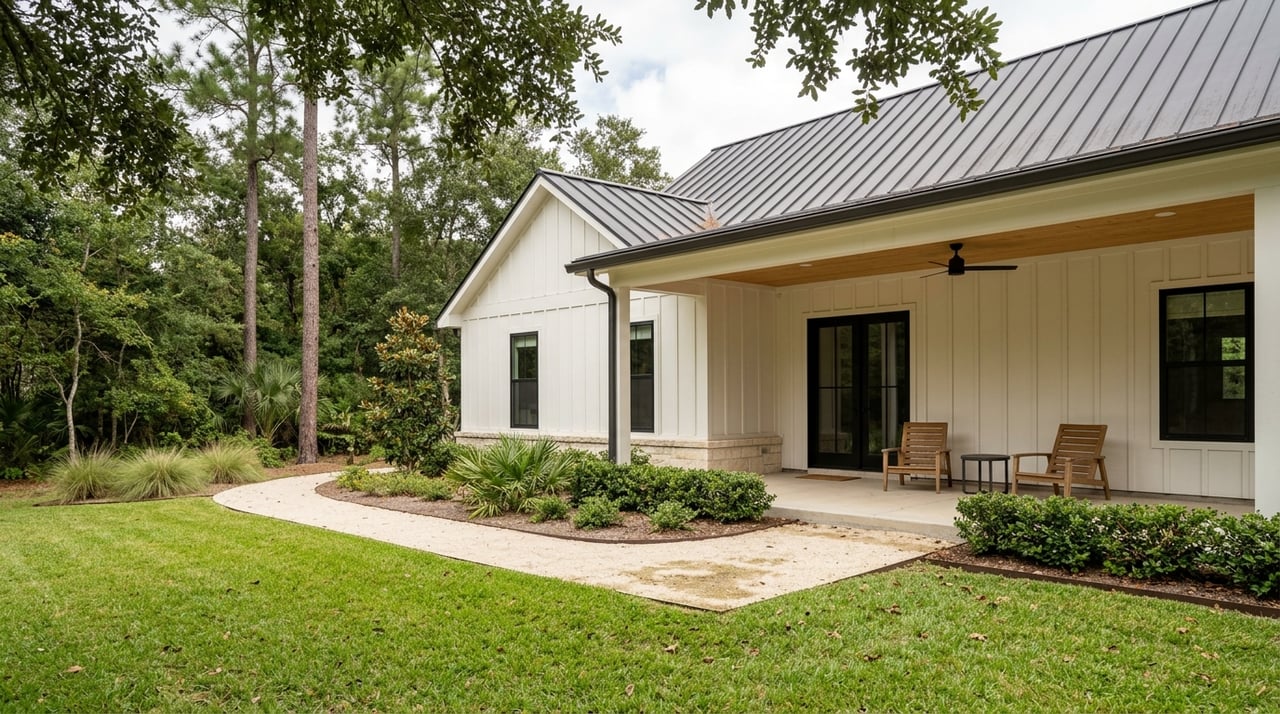
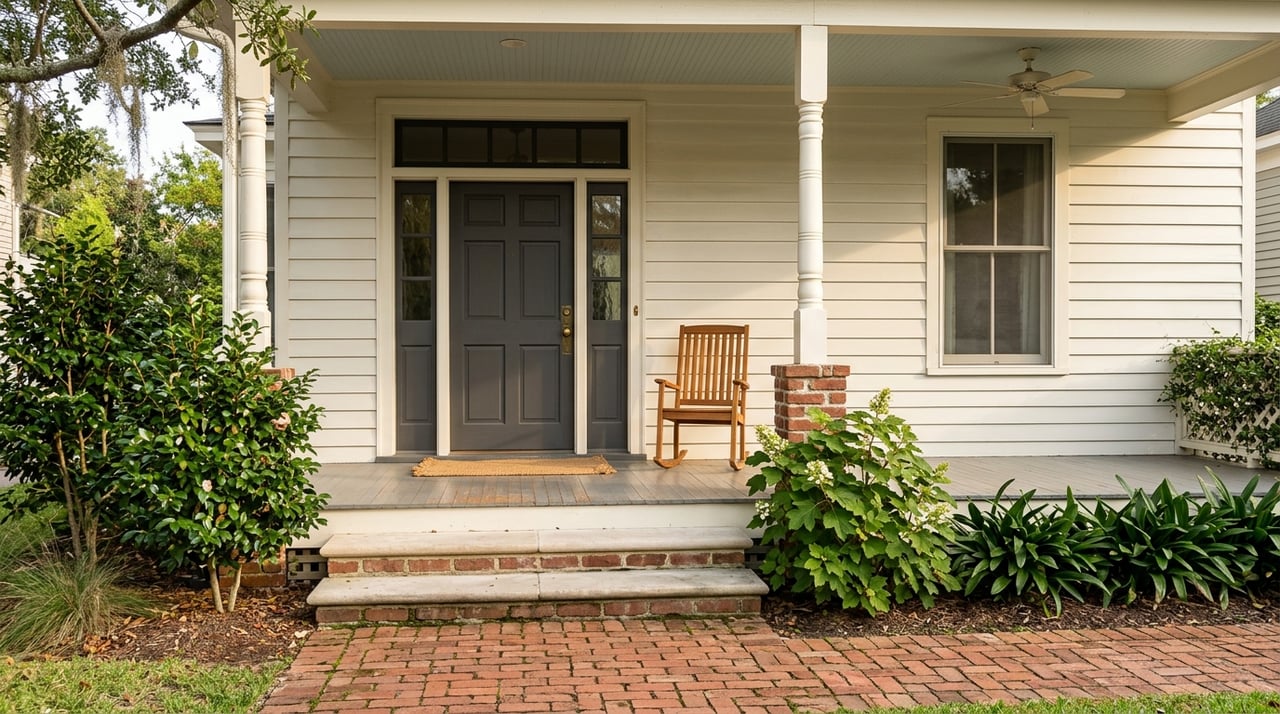
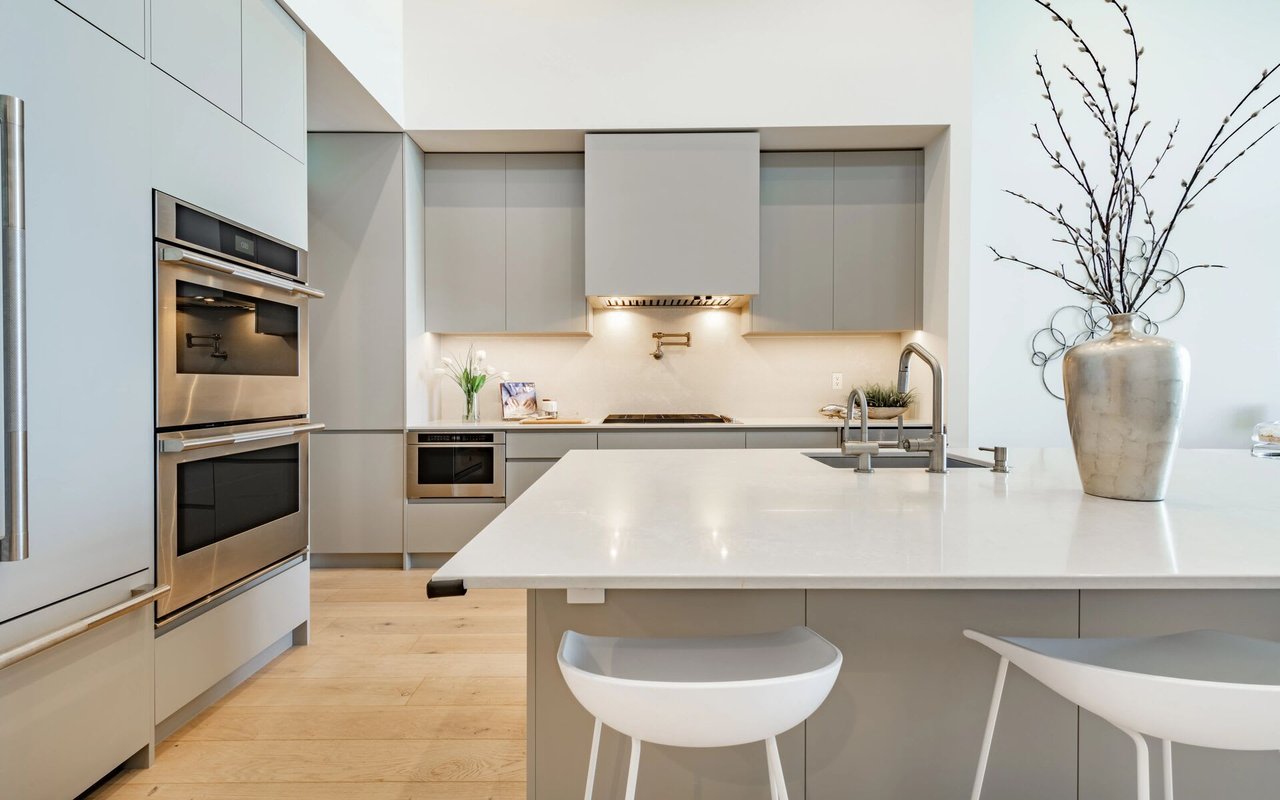
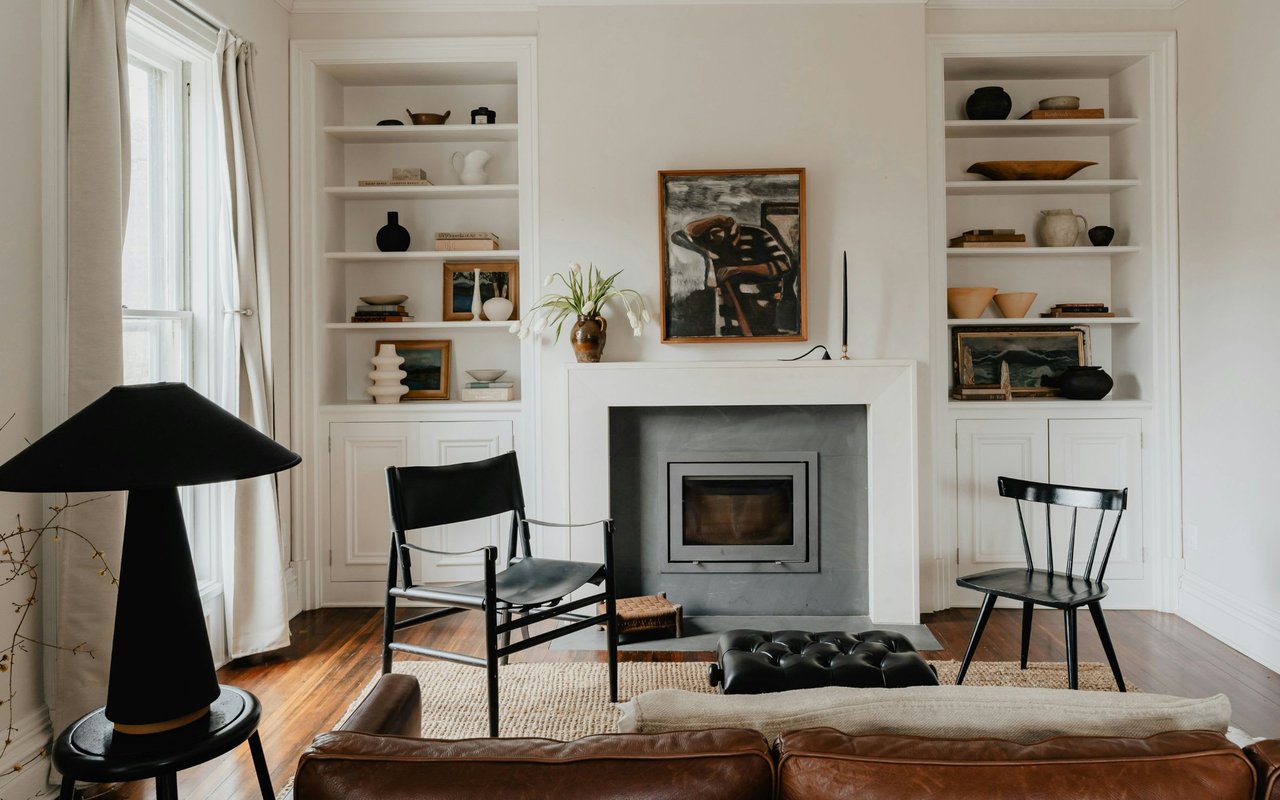
This is why a fully restored bungalow and an unrenovated original two doors down are not really competing for the same buyer. The restored home has already absorbed the cost and delay of getting exterior work approved. The unrenovated home is priced as a discount, but the discount comes bundled with a longer runway before a contractor can legally start. A buyer comparing the two on square footage and lot size alone is comparing a finished product to a permitting process, and the price gap between them reflects that difference far more than it reflects which side of the pond the house sits on.
That is also why days on market run longer here than the city average. Buyers serious about a project home need time to understand what they are actually taking on before they close, not after.
The Character That Makes the Rules Worth It
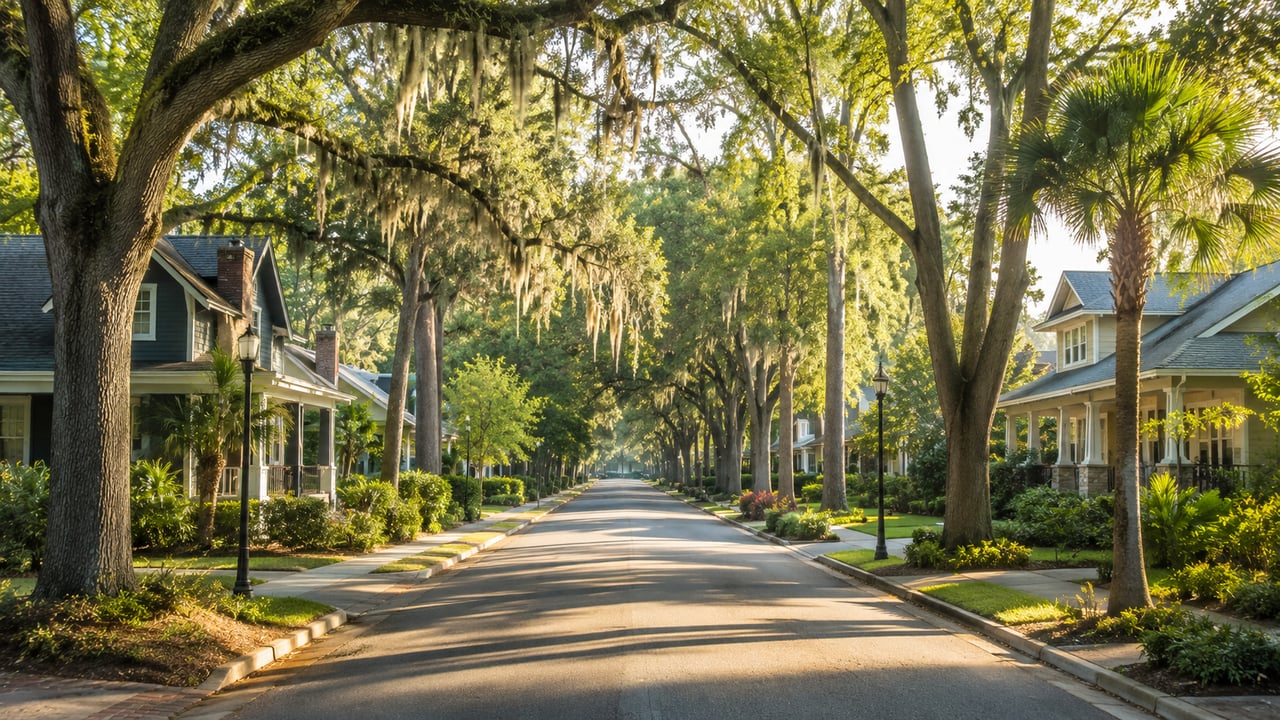
None of this friction exists in a vacuum. The Duckpond carries a density of character that explains why buyers put up with the approval process at all. The neighborhood takes its name from the pond formed where Sweetwater Branch, a spring-fed creek, was dammed and widened, and the pond still anchors the district both physically and in local memory. A few blocks from it sits the Thomas Center, a former hotel built in 1910 that now operates as a city-run cultural complex with public gardens, art exhibits, and event space.
The neighborhood's history is also getting a fresh layer of public documentation. In the 2025-2026 academic year, a team of University of Florida undergraduates in the Alexander Grass Scholars program, working with Digital Scholarship Specialist Clarissa Carr, built a new digital walking tour of the Duckpond using archives from the Matheson Museum. The tour covers 14 stops, and the students placed QR codes linking to it around town, including at City Hall and the Thomas Center, so residents and visitors can access the neighborhood's history from a phone rather than a printed pamphlet. It is a small addition to the district's public life, but it reflects the kind of ongoing local interest that keeps demand for Duckpond homes steady even as the approval process filters who is willing to take on a project.
Musician Tom Petty grew up in the neighborhood, one more thread in a district where the built environment and the local history are treated as inseparable, which is precisely the point of the preservation overlay in the first place.
What This Means If You're Comparing the Duckpond to Somewhere Else
If you are weighing the Duckpond against a newer Gainesville subdivision, the reported median price is the least useful number you will encounter. Ask instead what condition the specific home is in and whether any past exterior work went through the required approval. A seller who can produce documentation that a renovation was approved and completed correctly has already de-risked the biggest unknown a buyer would otherwise inherit.
If you are looking at a lower-priced Duckpond listing specifically because the price looks like a deal, budget for a longer timeline before any visible change to the property, not just a larger repair line item. The upfront approval step is a scheduling problem as much as a cost problem, and it is easy to underestimate if you have only bought in neighborhoods without an overlay.
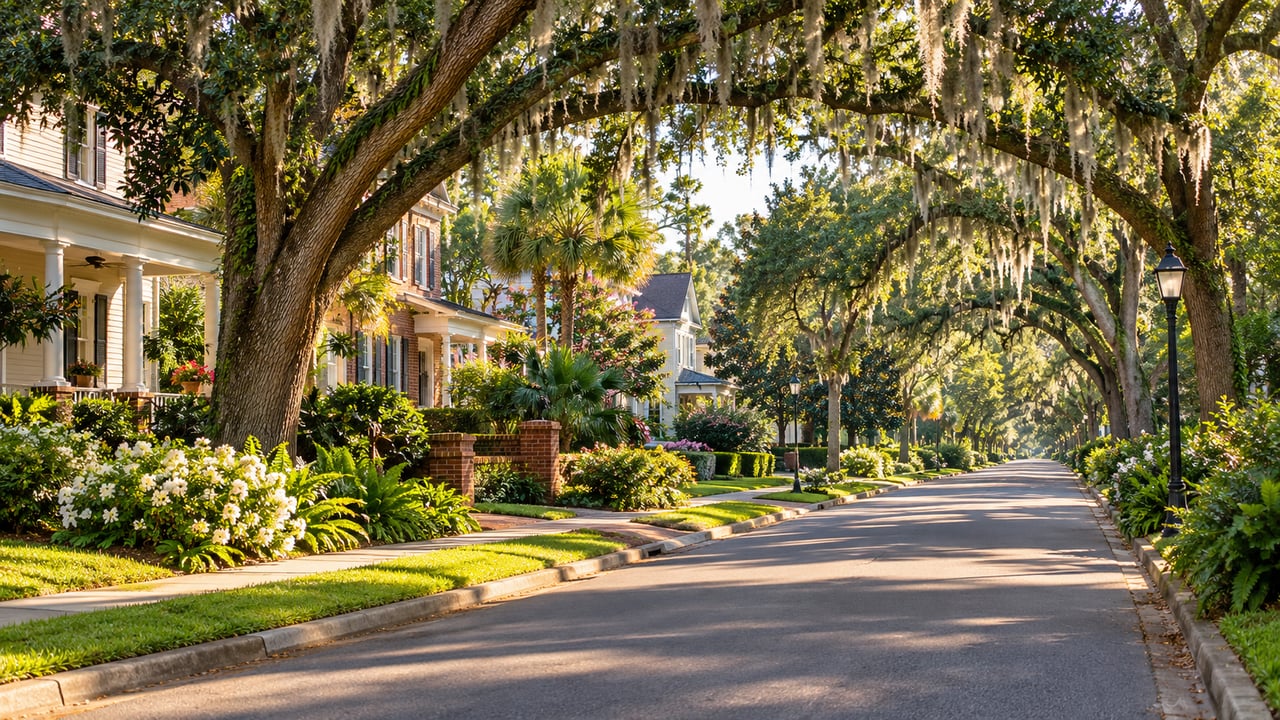
And if walkability to downtown, mature tree canopy, and a National Register address matter enough to you to accept that timeline, the Duckpond remains one of the few places in Gainesville where that combination exists at all. The price you pay for it depends far less on which block you choose than on how much work the house in front of you has already been through.
If you are trying to figure out what a specific Duckpond property is actually worth, or how it compares to what else is available across Gainesville right now, Anson Properties can walk you through the comparison with current, house-specific data. Get a Free Home Valuation and start with real numbers instead of a neighborhood average.