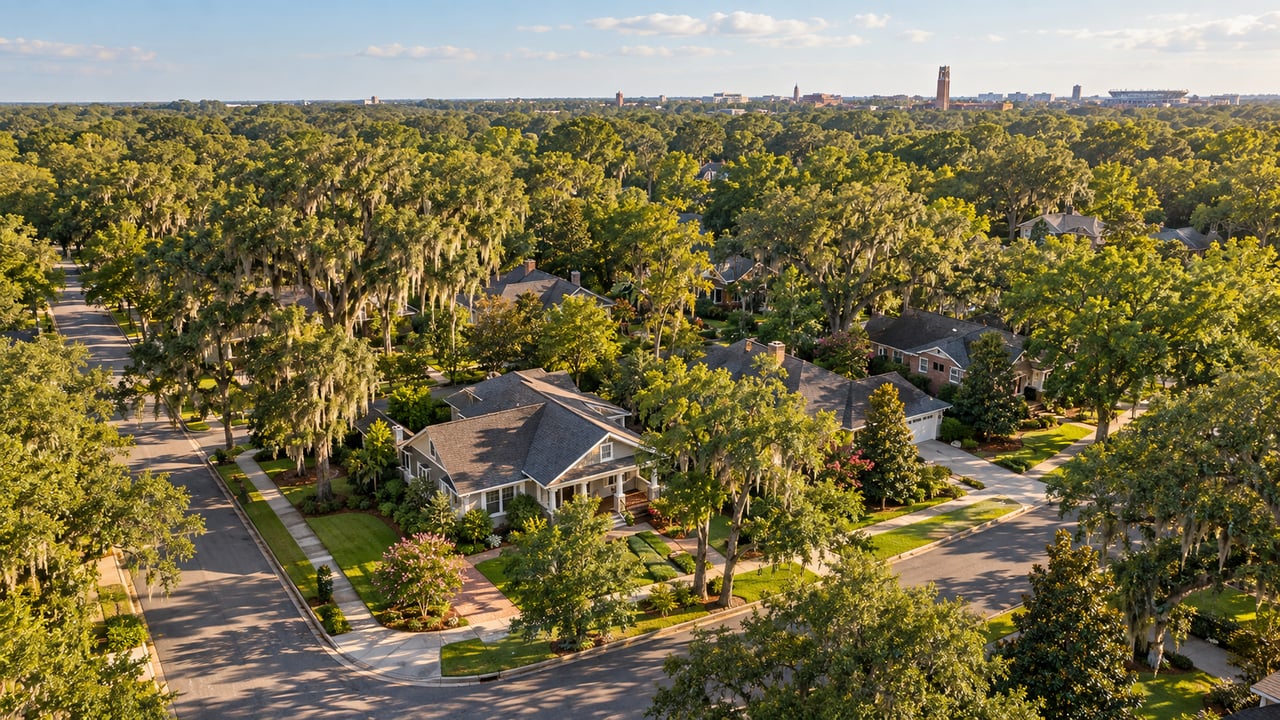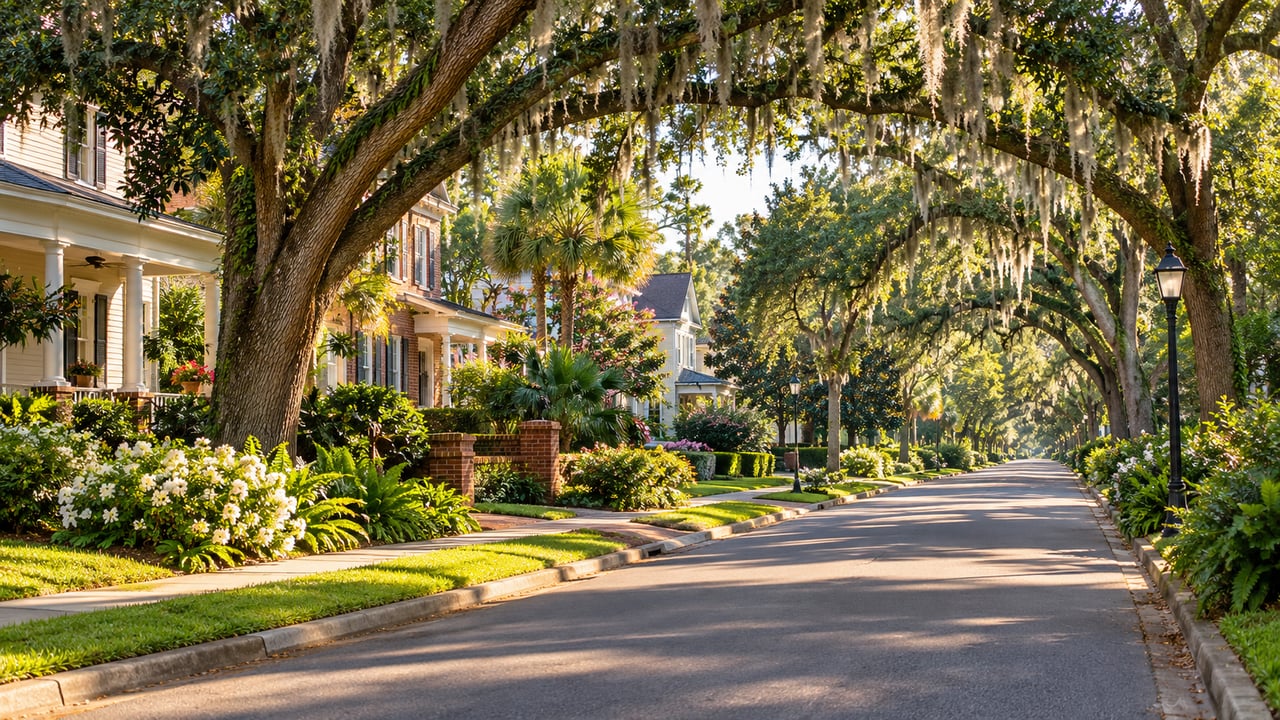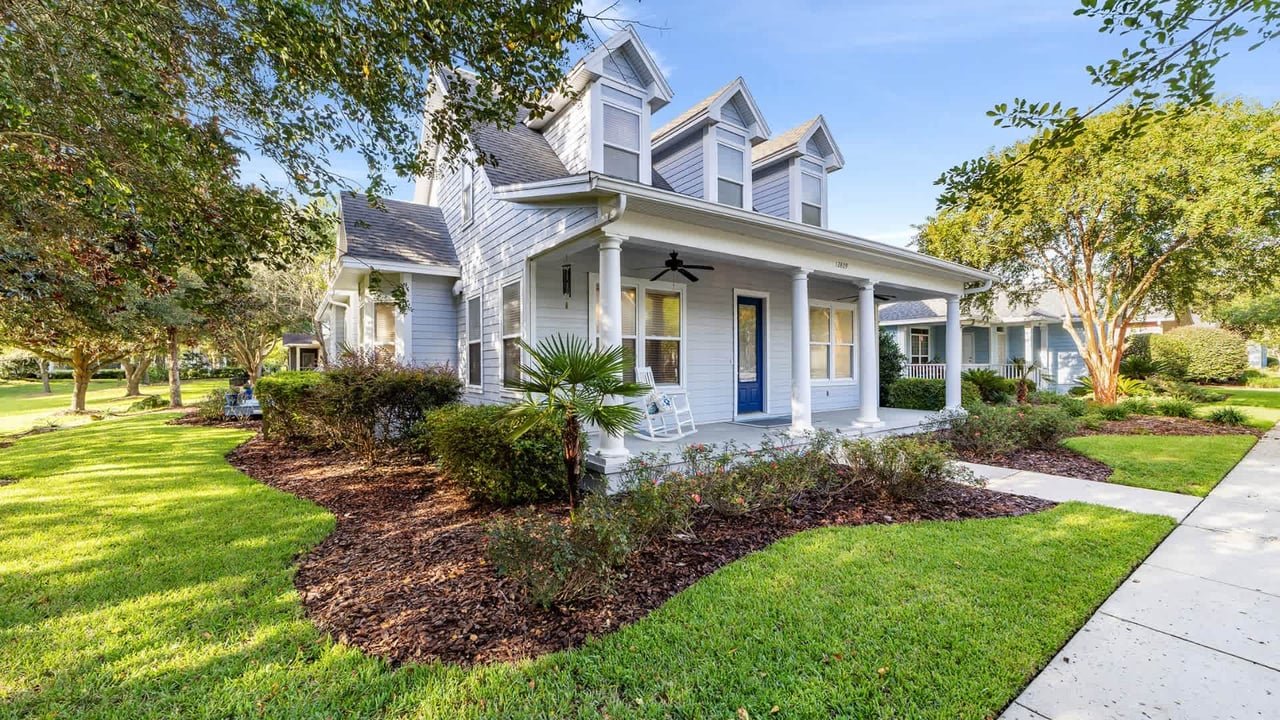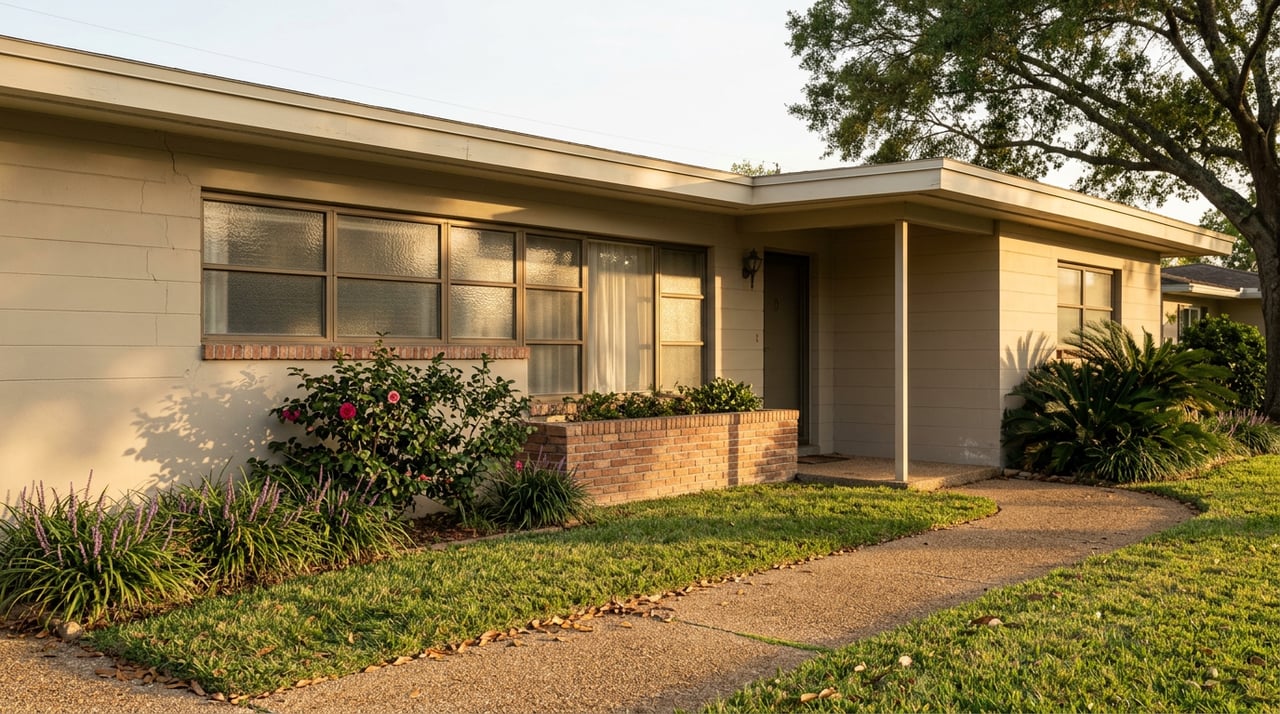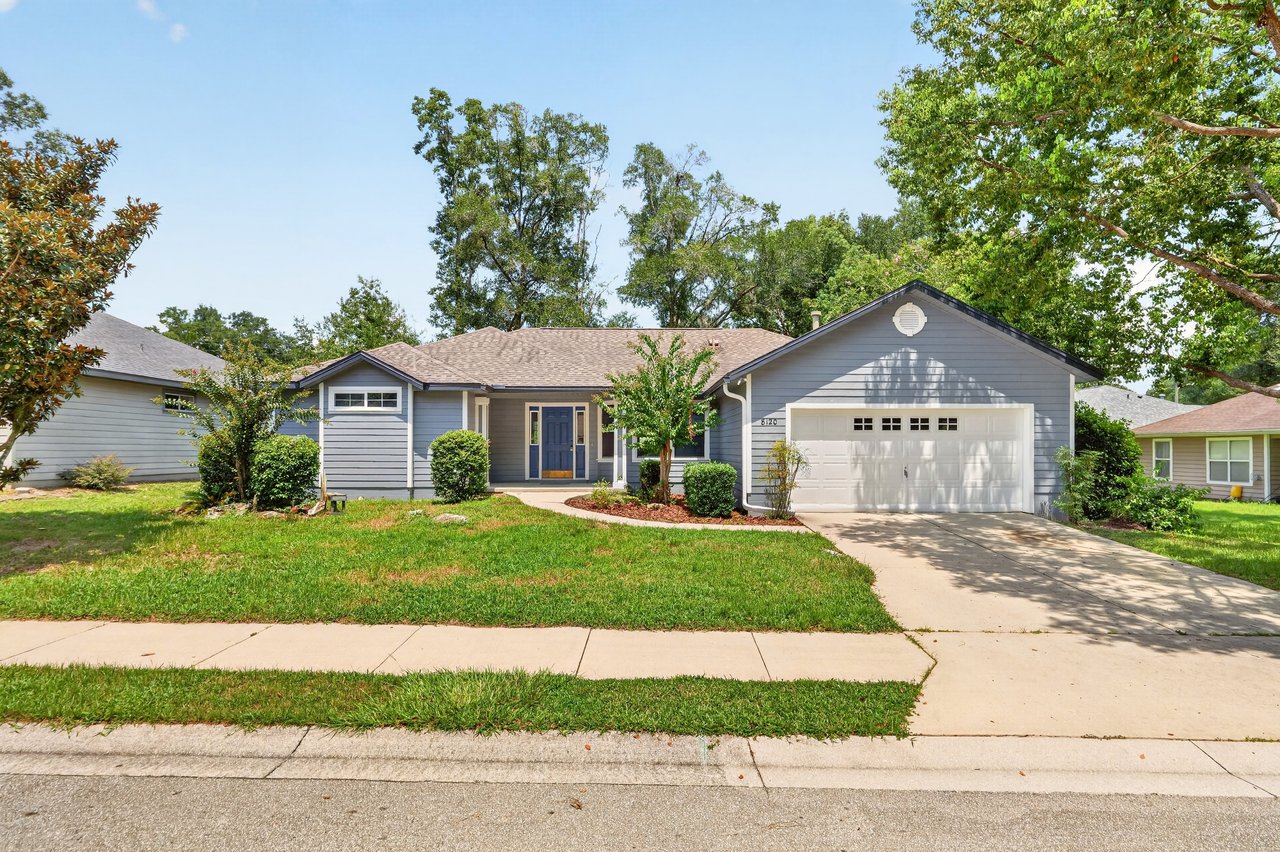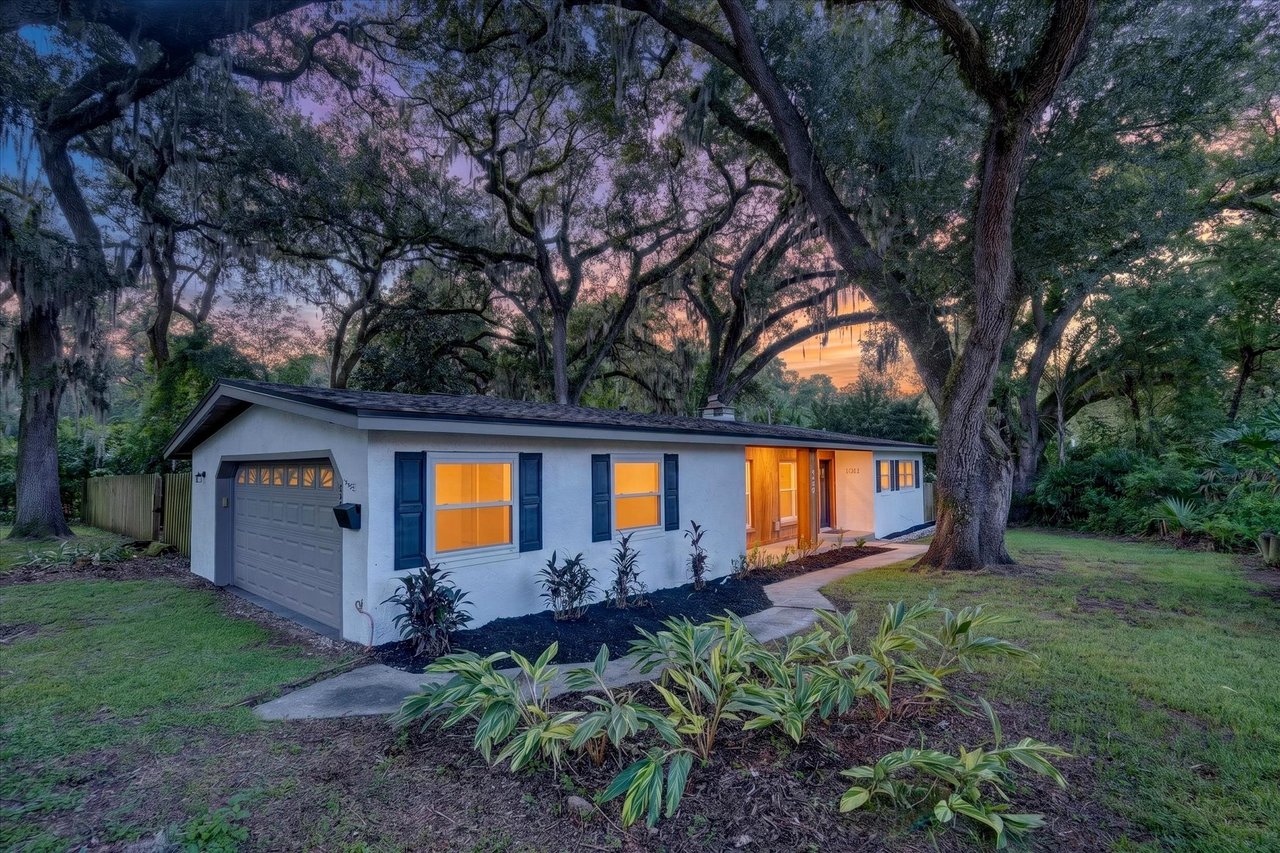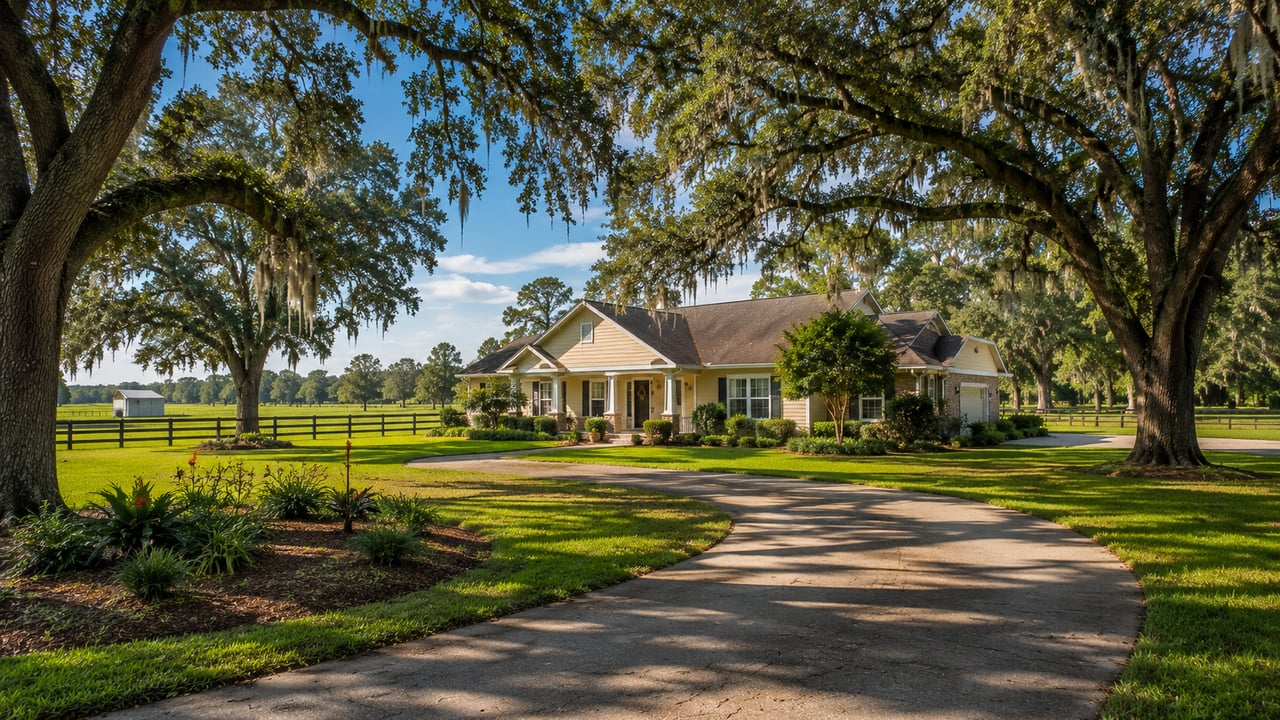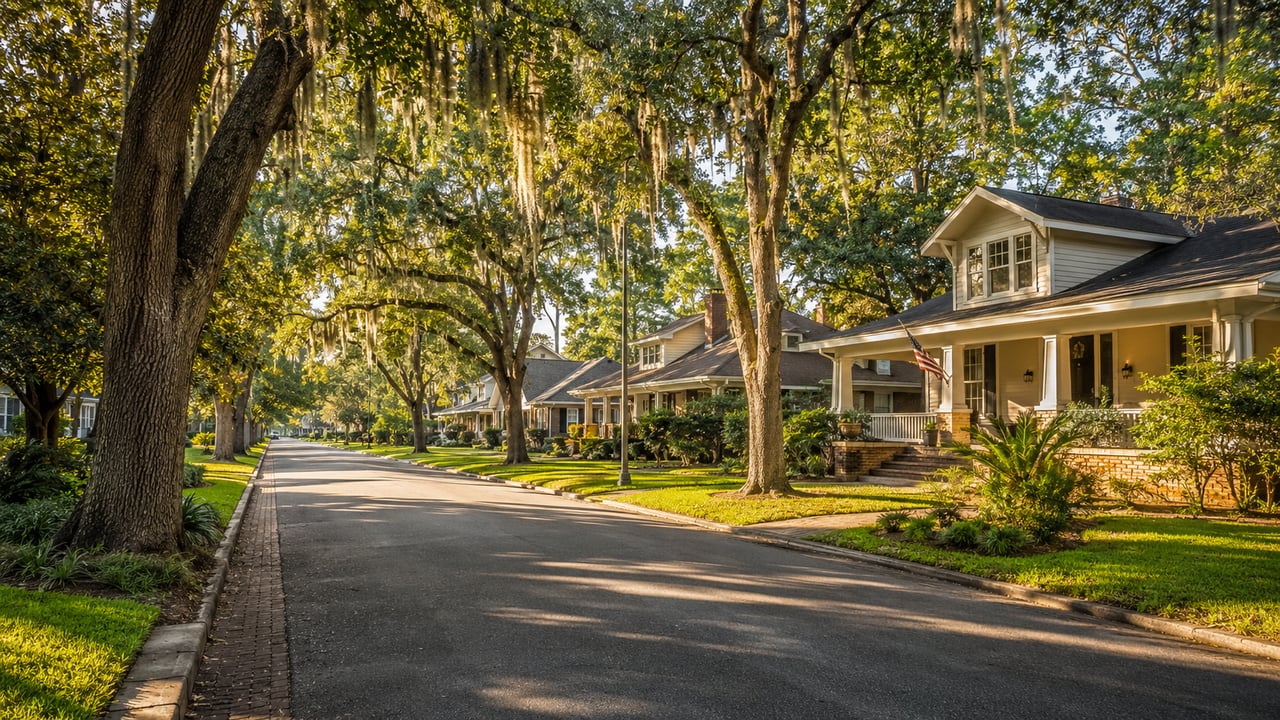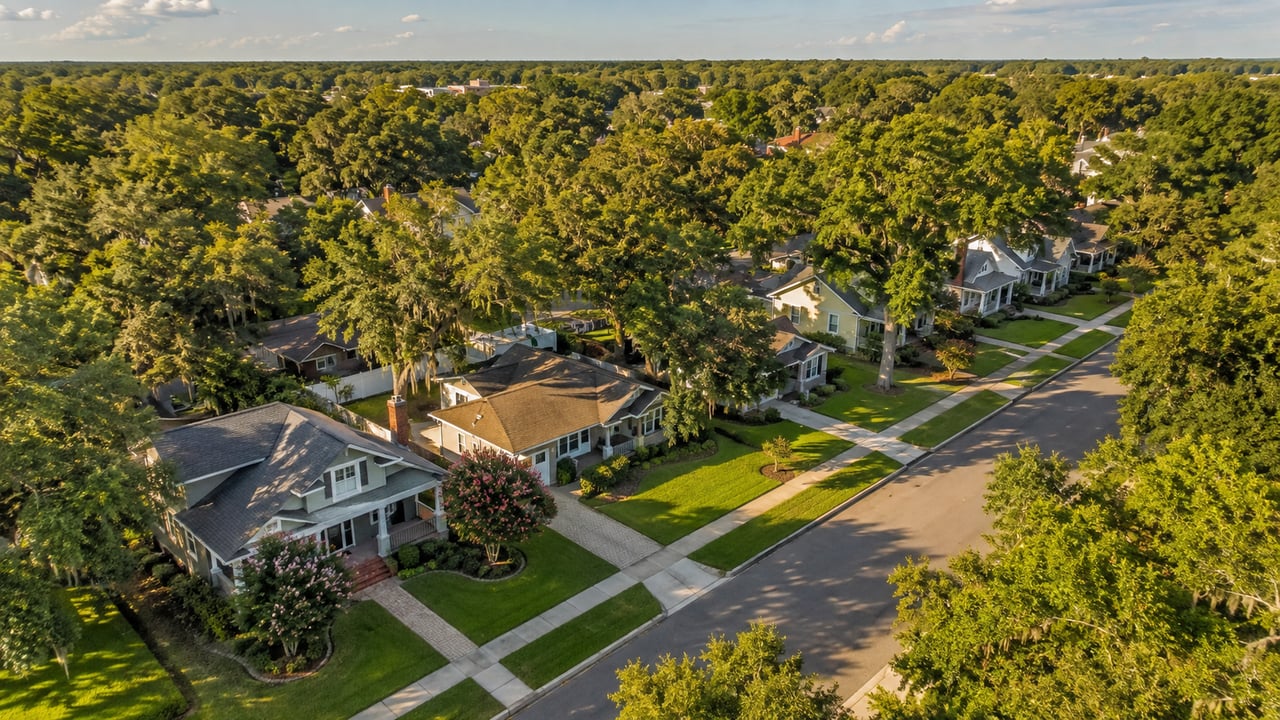
Francisca Moresco used to run to Publix without thinking about it. She lives at the Row on 5th along SW 12th Street, a few blocks from campus, and the trip to the grocery store was the kind of errand you do on autopilot. Then January came, the city finished converting SW 10th and SW 12th Streets into a one-way pair, and autopilot stopped working. "Everything I normally do involves those streets," she told WUFT. "Going to Publix, grabbing something at Bagels & Co., even just getting back home, takes longer now."
That was before football season started. Now Gainesville is layering six Saturdays of stadium closures on top of a grid that residents near campus are still learning to read. If you live anywhere close to Midtown or the University Avenue corridor, this fall is the first time you're navigating both changes at once, and the two don't cancel each other out. They compound.
A New Grid, Four Years in the Making
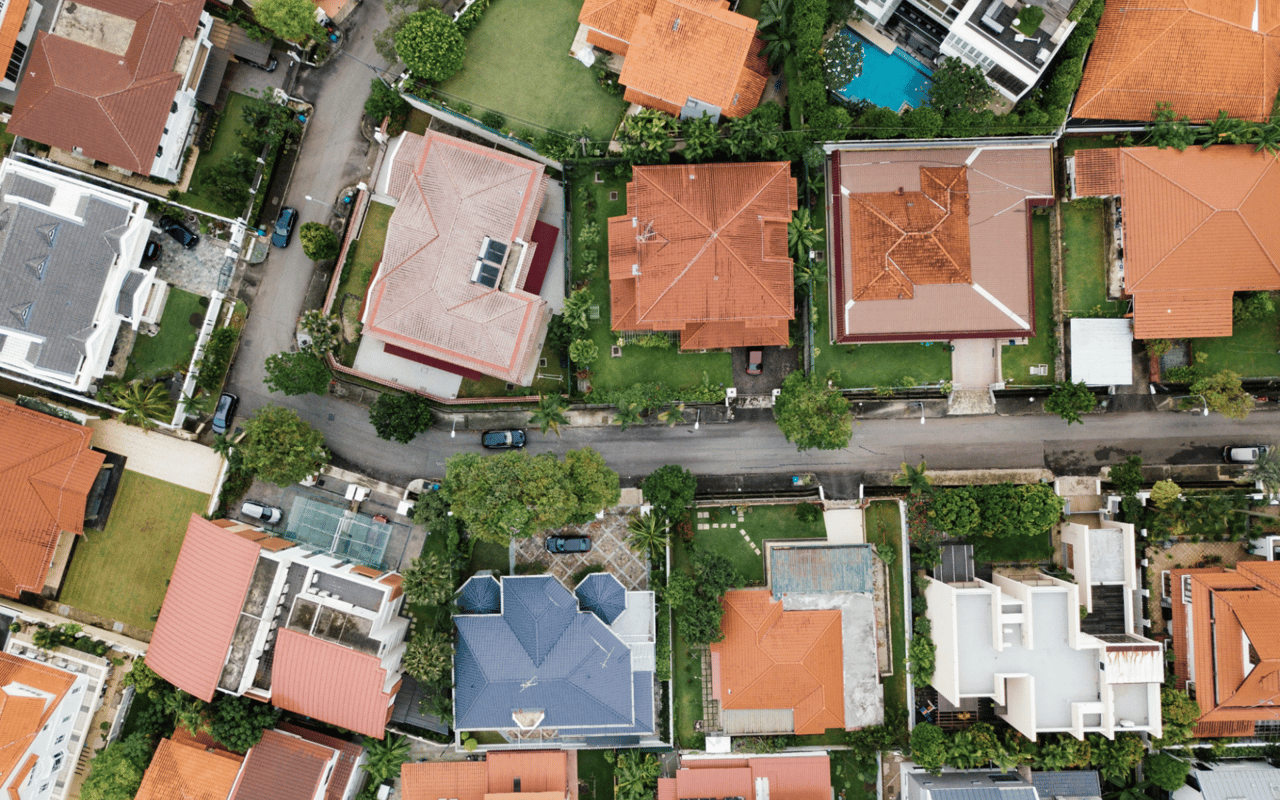
The one-way conversion wasn't a snap decision, even though it felt like one to a lot of people who live along the corridor. City spokesperson Rossana Passaniti has said the project took roughly four years from planning to construction, funded in part through pandemic-era federal relief dollars and justified by crash data. Between 2018 and 2022, the city recorded 95 traffic deaths and 647 severe injuries within Gainesville limits, an average of 18 fatal crashes a year, and city officials pointed to that record when they made West 10th and West 12th one-way between Southwest Eighth Avenue and Northwest Eighth Avenue.
The mechanics are straightforward once you know them: 10th runs one direction, 12th runs the other, and the surrounding grid is supposed to let drivers reroute without much friction. In practice, residents along the corridor say the friction shows up in small, repeated moments rather than one dramatic detour. A left turn that used to take five seconds now takes a lap around the block. A drive to Chevron or Gator Beverage means approaching from a different direction than you're used to. For students parking at the Norman Hall garage, the fix has meant learning an entirely new approach street.
The change also touched two Gainesville institutions directly. Sorority Row sits along the corridor, and so does The Swamp Restaurant, meaning the restaurant's access points shifted at the same time its Saturday crowds were about to swell for the season.
Six Saturdays, Same City, Different Rules This Year
Florida's 2026 home schedule at Ben Hill Griffin Stadium runs through late November: Florida Atlantic on September 5, Campbell on September 12, Ole Miss on September 26, South Carolina on October 10, Oklahoma on November 7, and Vanderbilt on November 21. The Oklahoma game carries extra weight locally, marking the first time the Sooners have played an SEC game in Gainesville, and it doubles as the program's annual Saluting Those Who Serve game honoring veterans and first responders. Vanderbilt closes the home slate as Senior Day.
Every one of those Saturdays triggers the same closure pattern. West University Avenue shuts down to vehicle traffic starting three hours before kickoff and stays closed until two hours after the game ends. Fletcher Drive, which used to run both directions, is now one-way only. Turning south off University Avenue isn't permitted during the closure window at all. None of that is new information if you've lived here through a few football seasons. What's new is that these closures now interact with the one-way pair a few blocks away, so a driver rerouting around the stadium closure might find themselves rerouting again around 10th and 12th, with less predictable slack in the grid than there used to be.
City officials maintain that the design still functions as intended. "It takes a little getting used to," Passaniti said of the one-way conversion generally. "But it's not that difficult to navigate." She's also said the configuration isn't necessarily permanent if real problems emerge, though the city has no immediate plans to revert it.
Where the Crowds Actually Land
Not every Gainesville business feels football season the same way, and knowing which ones do is useful if your goal is avoiding a wait rather than seeking one out.
The Swamp Restaurant, now on Southwest Second Avenue after relocating from its original University Avenue spot in 2022, has been a game-day fixture since 1994. Owner Ryan Prodesky has said every restaurant and entertainment venue in the city sees a sales bump on football weekends because of visiting fans, and The Swamp's outdoor space and big screens make it one of the first places that fills up. MacDinton's Irish Pub and Spurrier's Gridiron Grille draw similar crowds, and food trucks line Gator Walk outside the stadium for hours before kickoff.
A few blocks off the main current, Uppercrust Bakery on Northwest 16th Boulevard handles game weekends differently. Owner Ben Guzick, whose shop has been open for 40 years, brings in extra staff and raises production quotas for Gator-themed cookies and cupcakes, and he encourages customers to place larger orders three days ahead of a home game rather than showing up hoping for stock. It's a smaller, steadier kind of football-season business than the bars see, and it's a useful reminder that game day ripples through parts of the city that have nothing to do with tailgating.
The scale of that ripple isn't small. The last time the city studied it in depth, for the 2021 season, the six football weekends brought in about $14 million in citywide revenue compared to $5.7 million across the six non-football weekends of the same fall. That comparison is a few years old now, but it illustrates something that hasn't changed: football Saturdays aren't a minor bump to Gainesville's economy, they're a structural part of how a chunk of local business plans its year.
What This Actually Means If You Live Here
If you're not a football fan, none of this is really optional information. Six Saturdays a year, University Avenue disappears as a route, Fletcher Drive only goes one direction, and if your daily path already runs through the West 10th or West 12th corridor, you're stacking two adjustments instead of one. The residents who've adapted fastest seem to be the ones who stopped treating the one-way pair as a temporary annoyance and started treating it as the new baseline, the same way longtime Gainesville residents already treat football Saturdays as a baseline rather than a surprise.
Elizabeth Scott, a Gainesville resident who's lived through nineteen years of home openers, has said publicly that she just stays home on game days now, calling the infrastructure strain part of the "laughable nonsense" of living close to a stadium that seats close to 90,000 people. That's one approach. Another is simply building a mental map of the new routes before the first Saturday catches you off guard, since by the time you're already stuck at a closed intersection, it's too late to plan around it.
Either way, this fall is genuinely different from past ones. The road closures are familiar. The one-way grid underneath them is not, and the two are sharing a map for the first time.
If you're weighing how a corridor like this affects day-to-day life near Midtown, or you're just curious how infrastructure changes like this tend to shape property values over time, Anson Properties knows these streets because we drive them too. Reach out anytime you want a local read on a specific block, before or after kickoff.