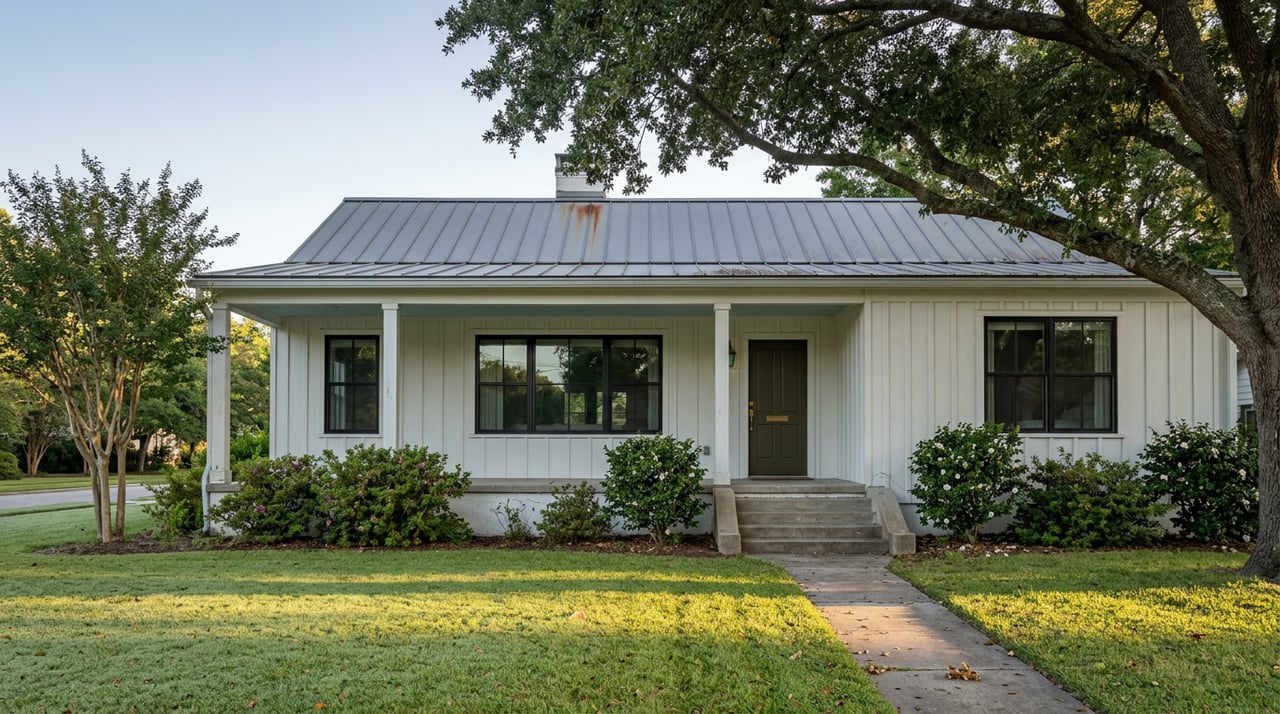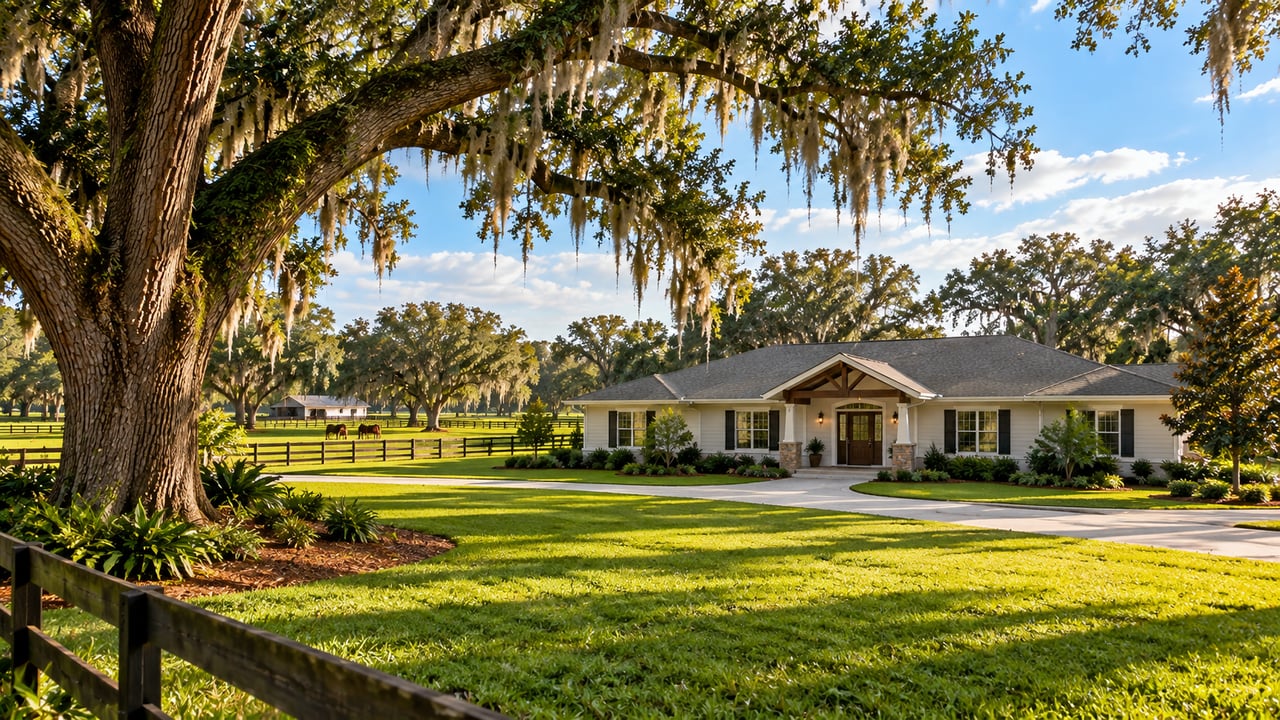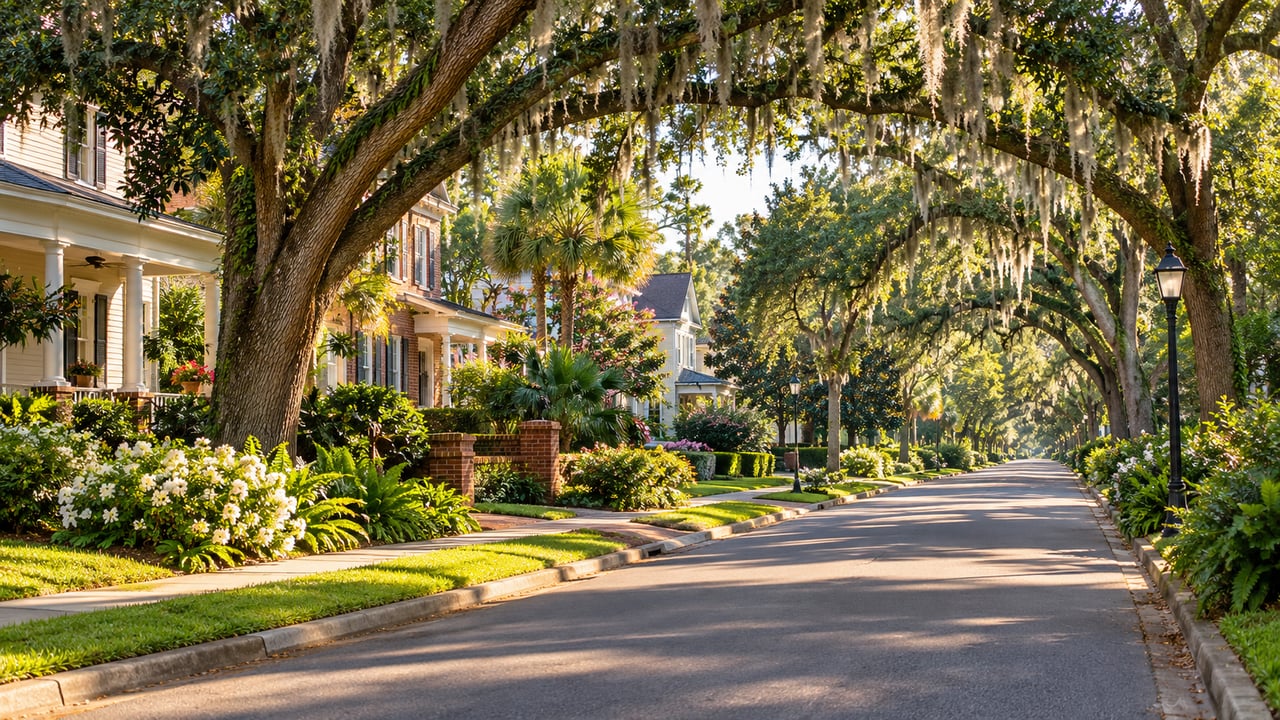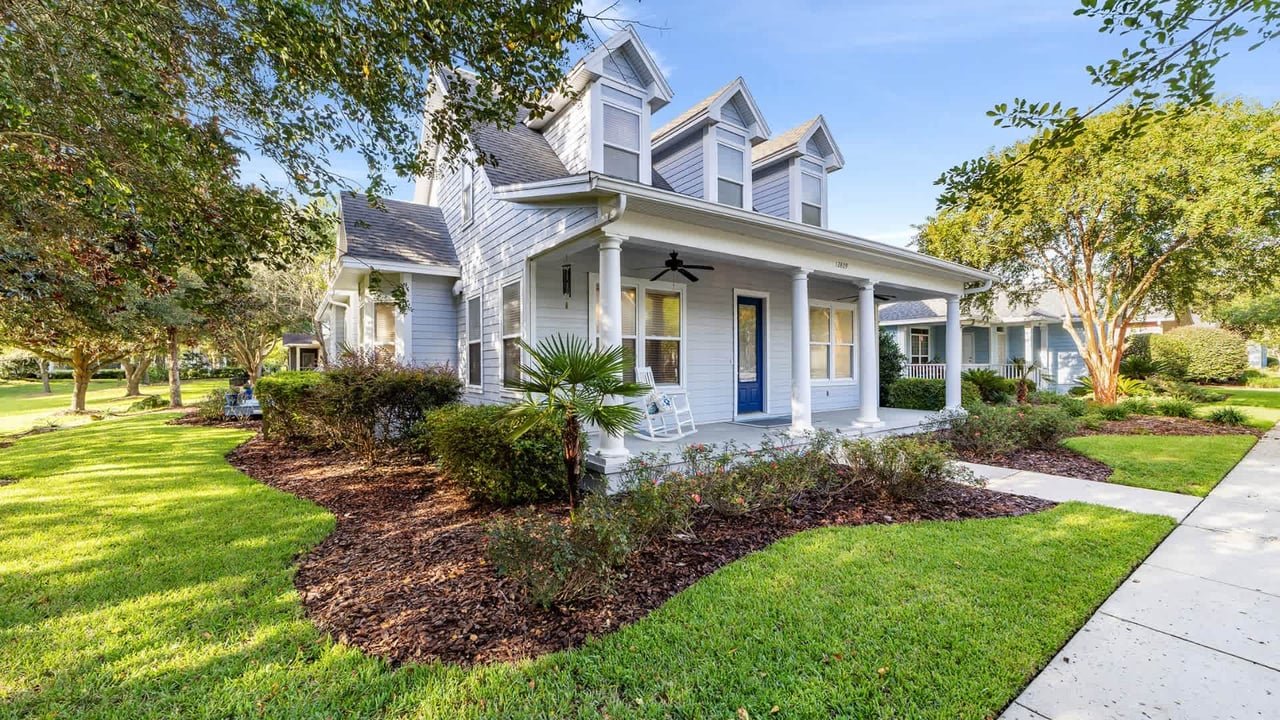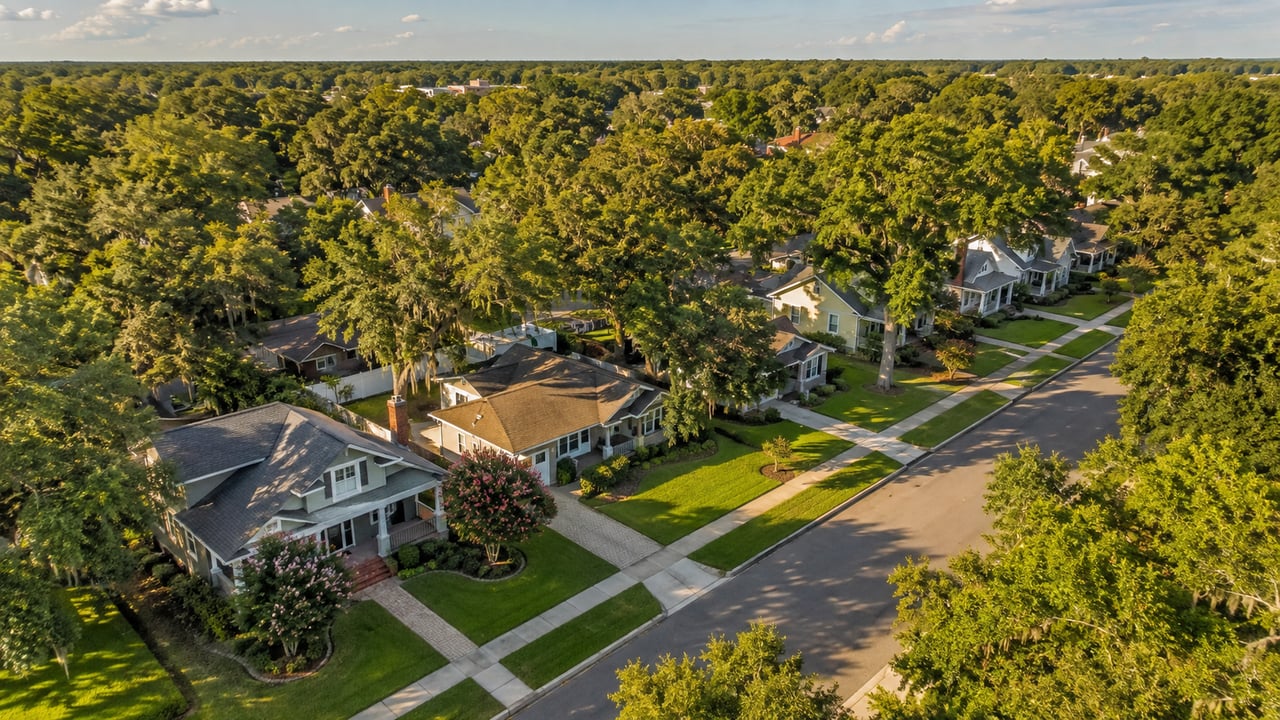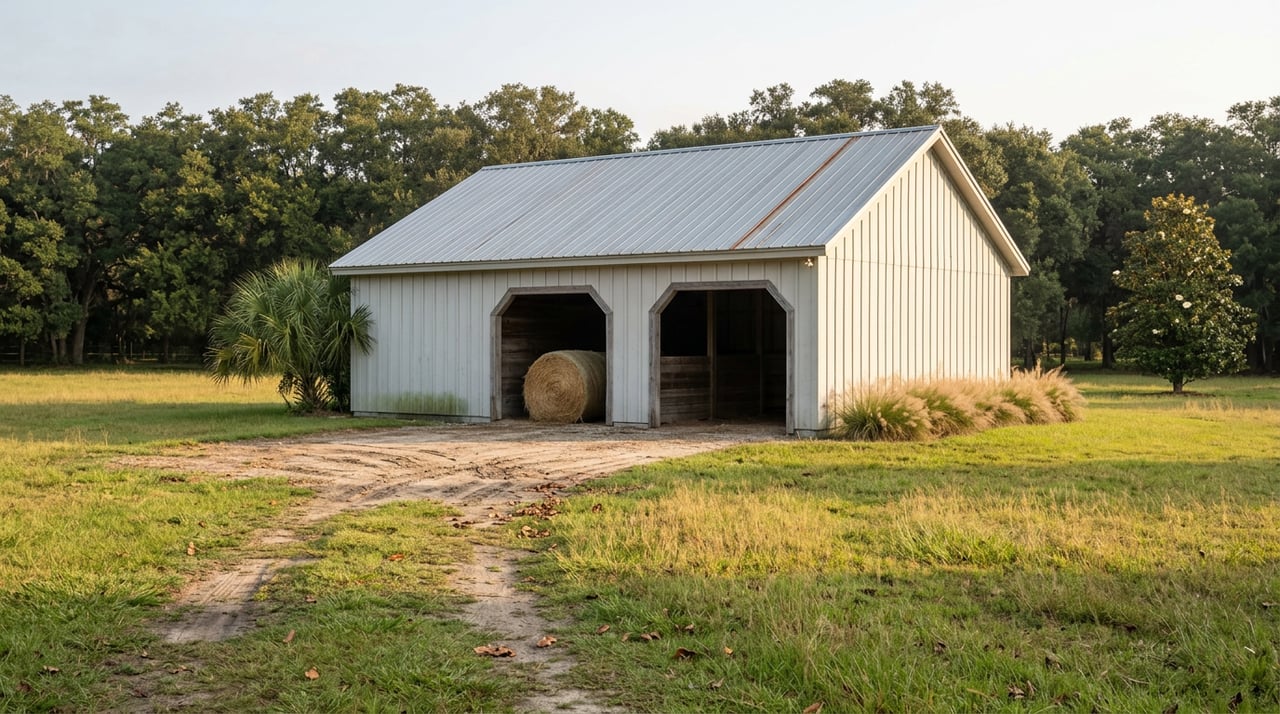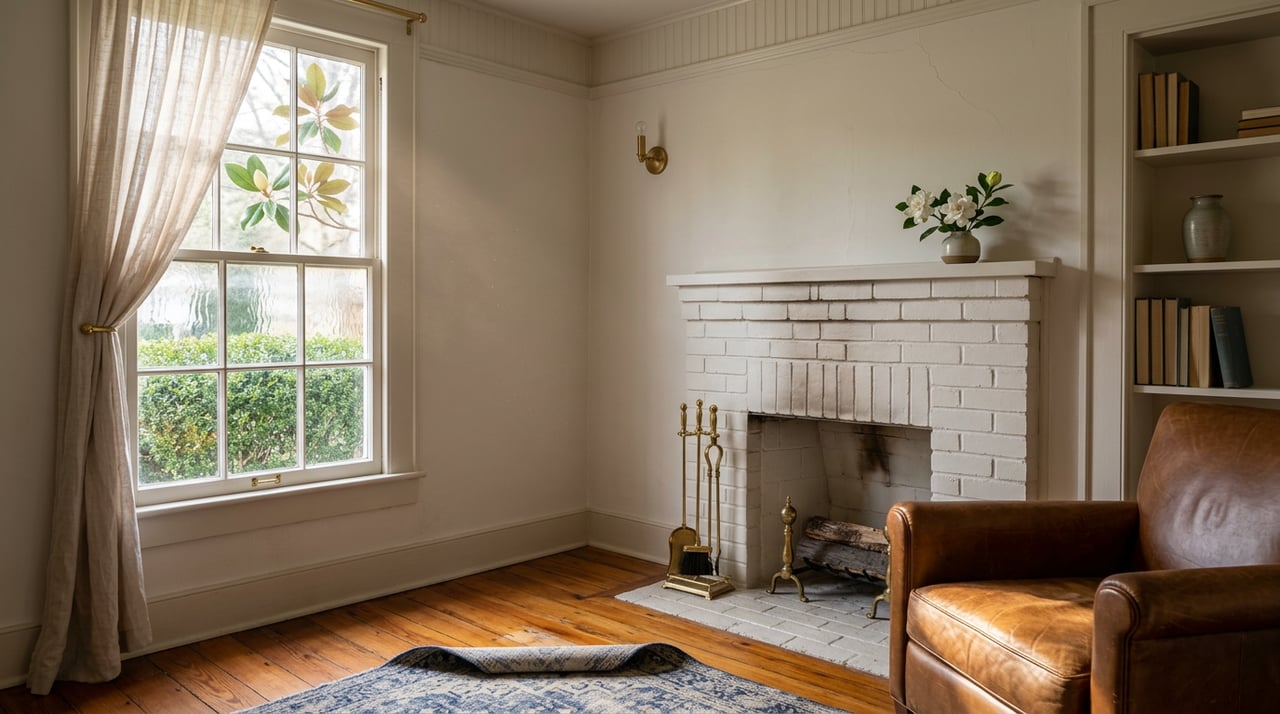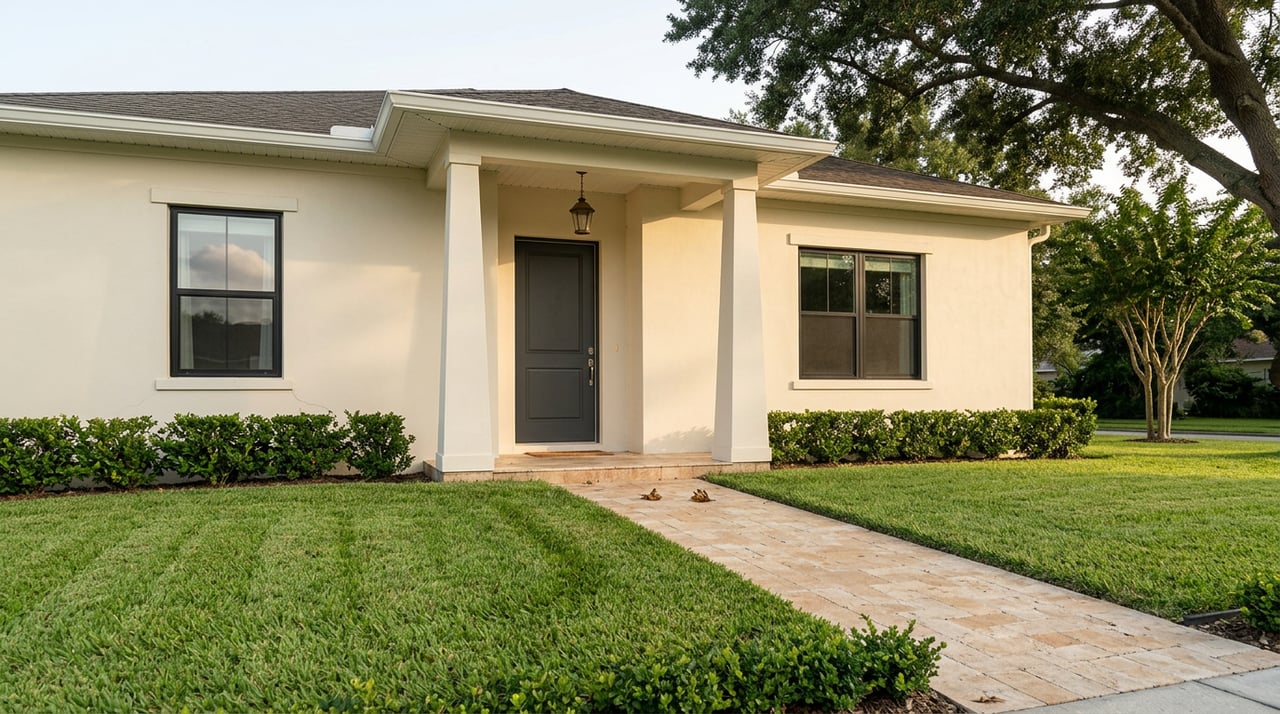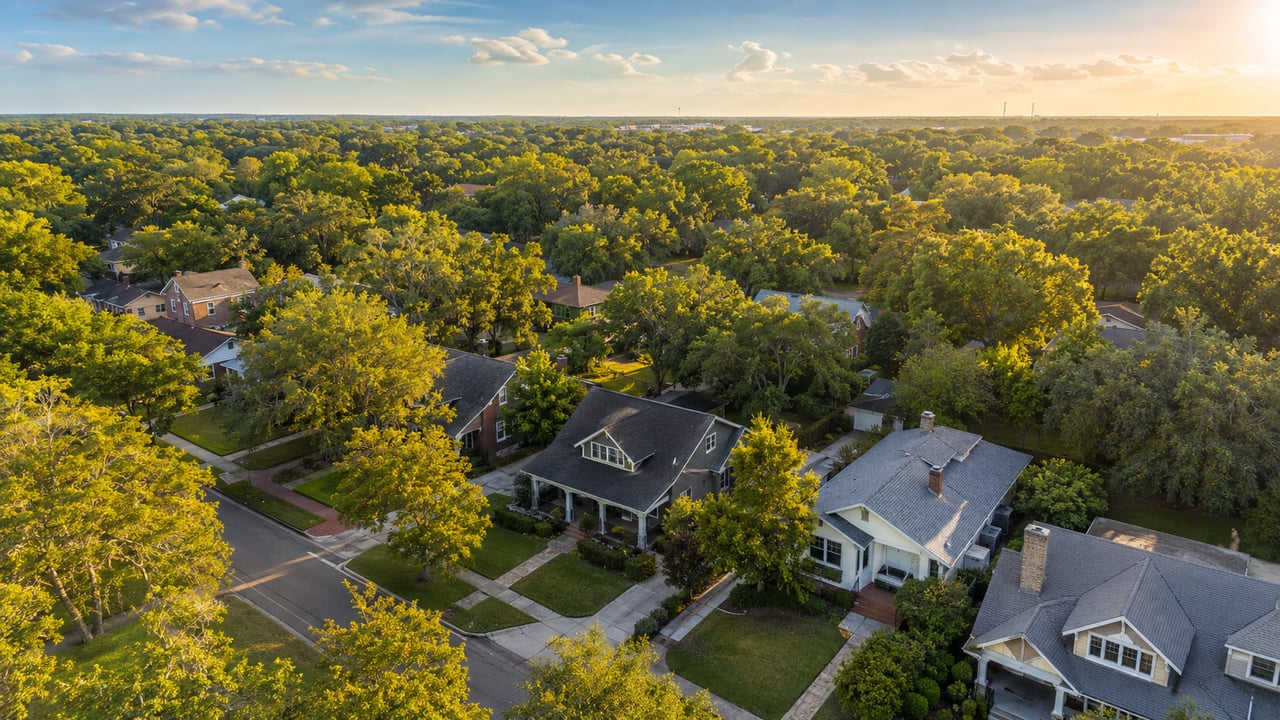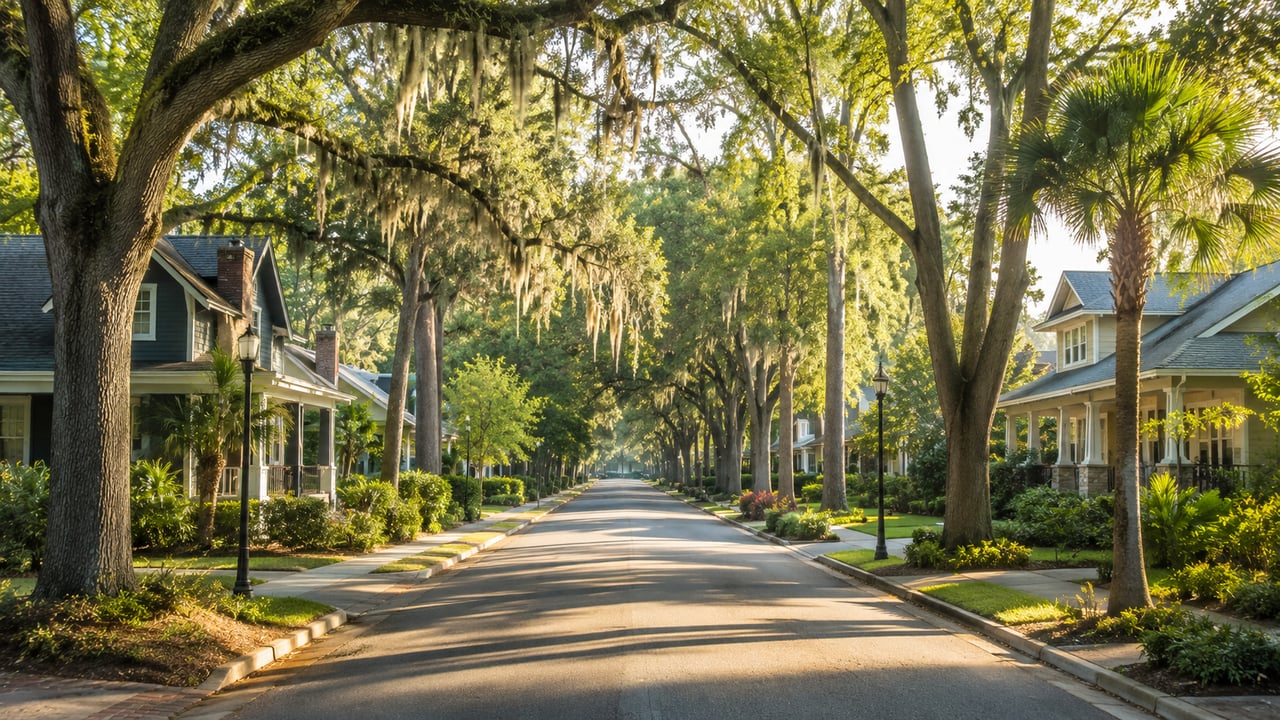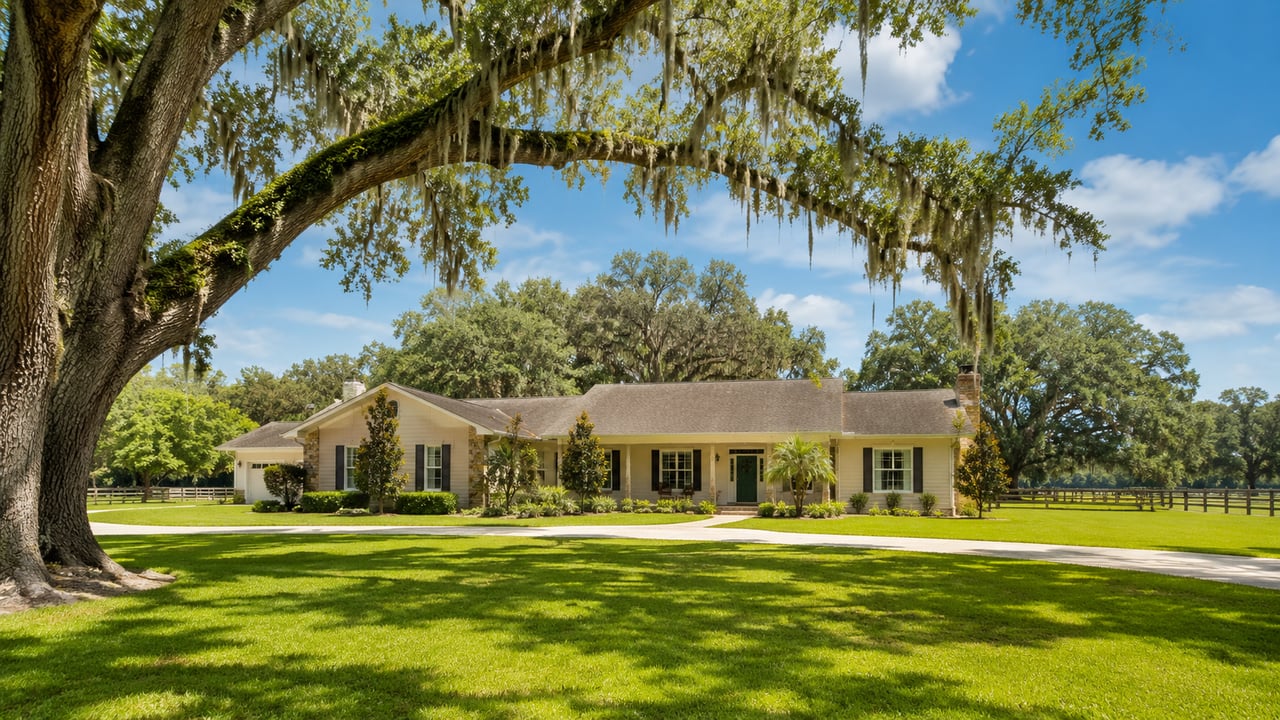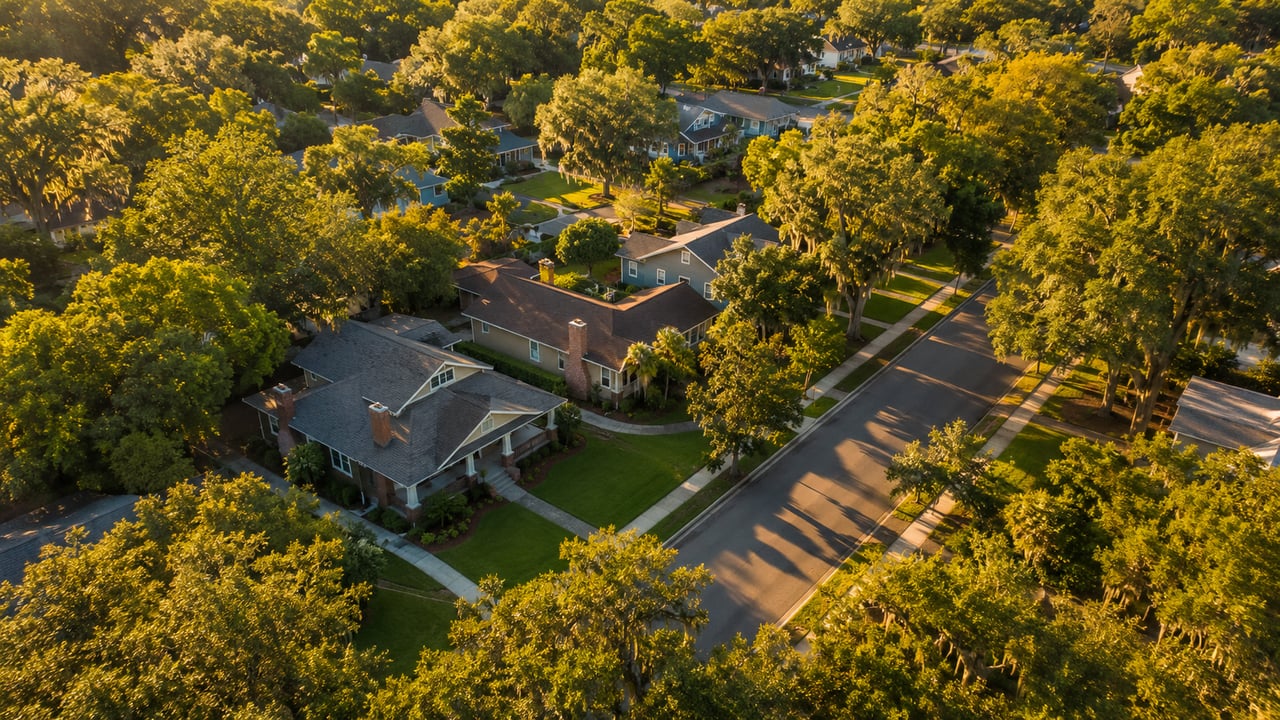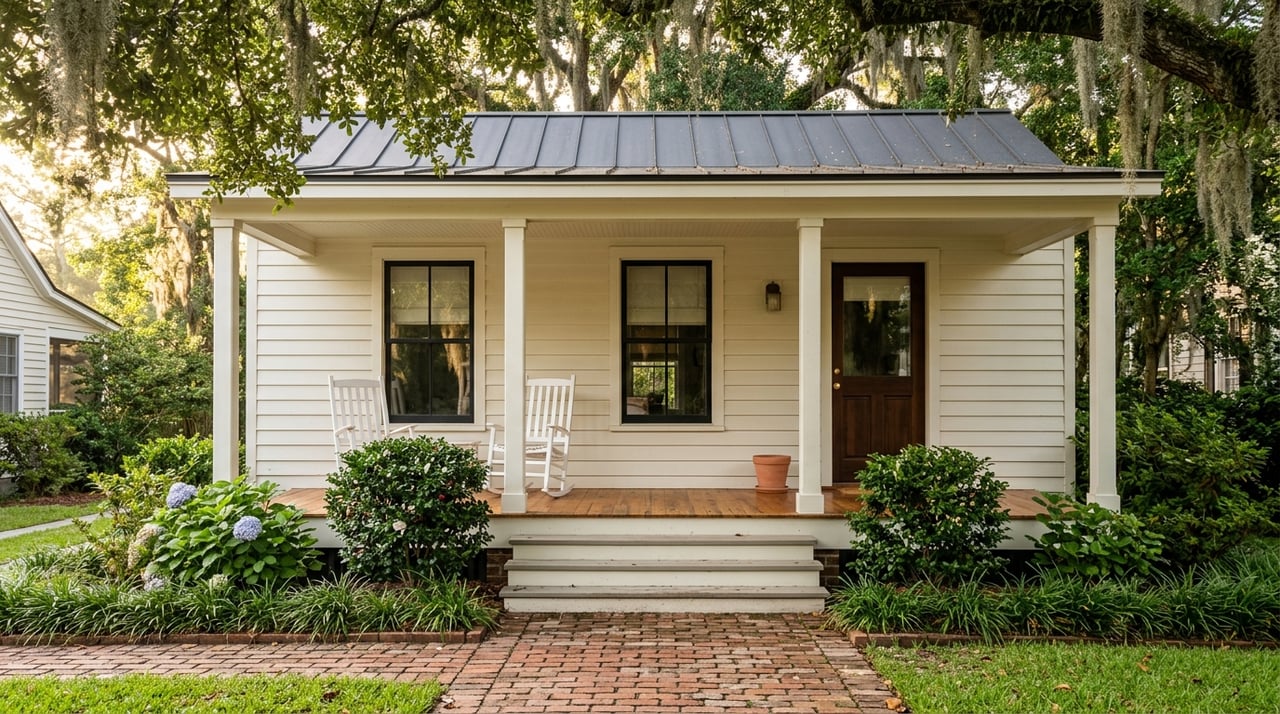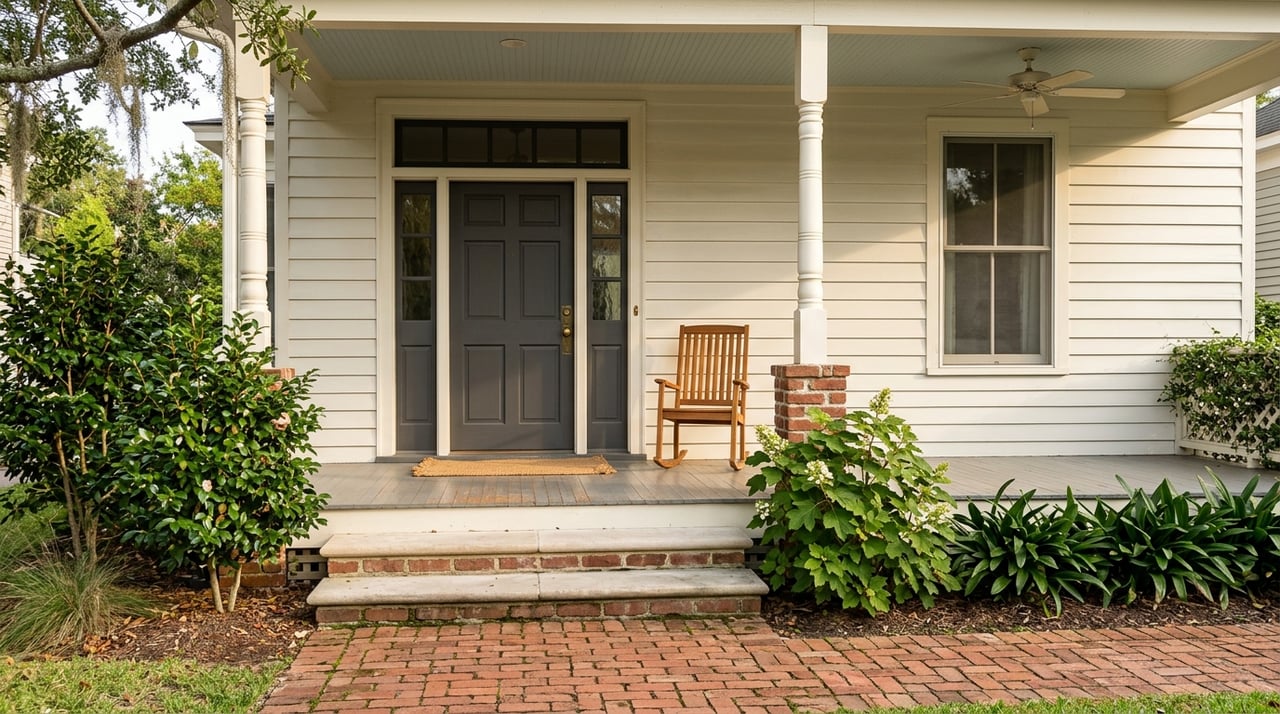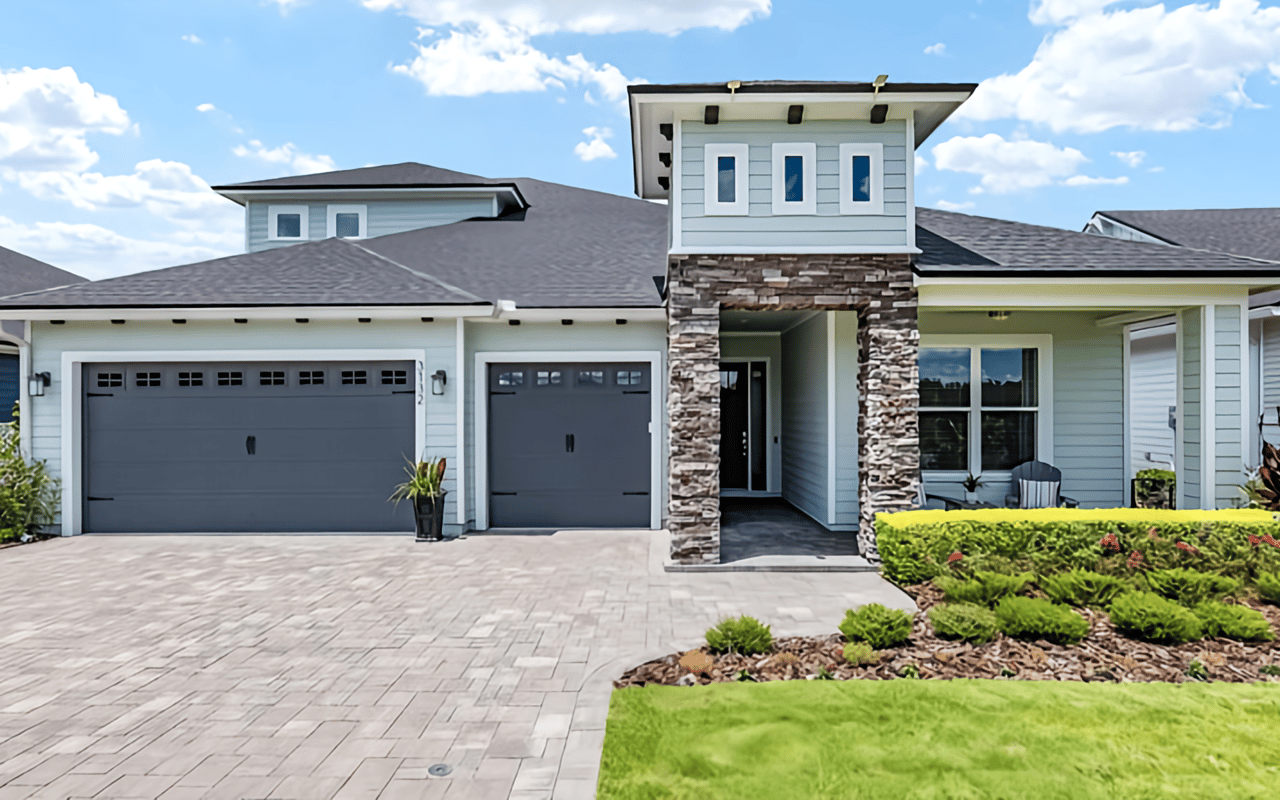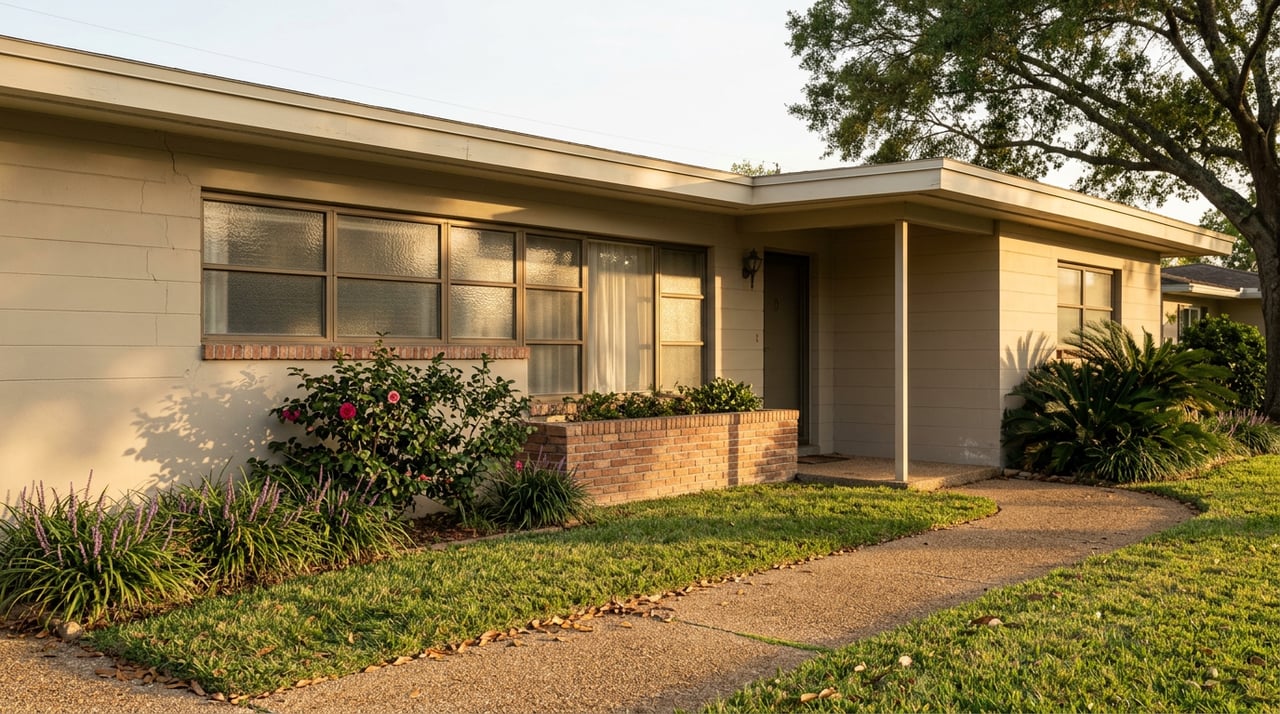
A buyer comparing a 1948 concrete block bungalow near the Duckpond to a 1998 frame house in Haile Plantation will almost always assume the newer one wins on insurance. Newer roof, newer wiring, newer everything. That assumption is wrong often enough in Gainesville that it deserves a second look before anyone writes an offer.
Florida insurers do not price homes on a straight line where age equals risk. They price by construction era, grouping homes into cohorts based on build type and that generation's claims history. The result is a market where a 1950s concrete block ranch near the historic core can genuinely outperform a fast-built 1980s or 1990s frame home on an insurance quote, even though it is decades older. If you are cross-shopping Gainesville's housing stock right now, that mechanism matters more than the year on the tax record.
Insurers Don't Grade Homes on a Timeline
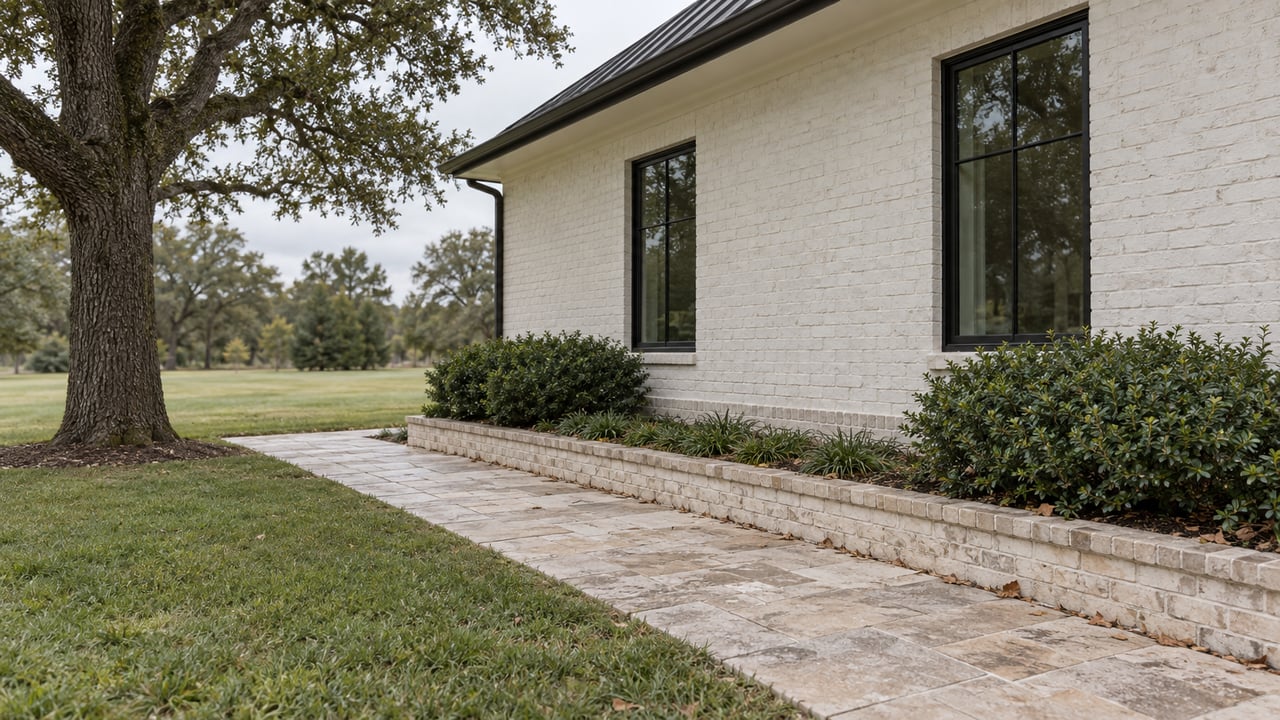
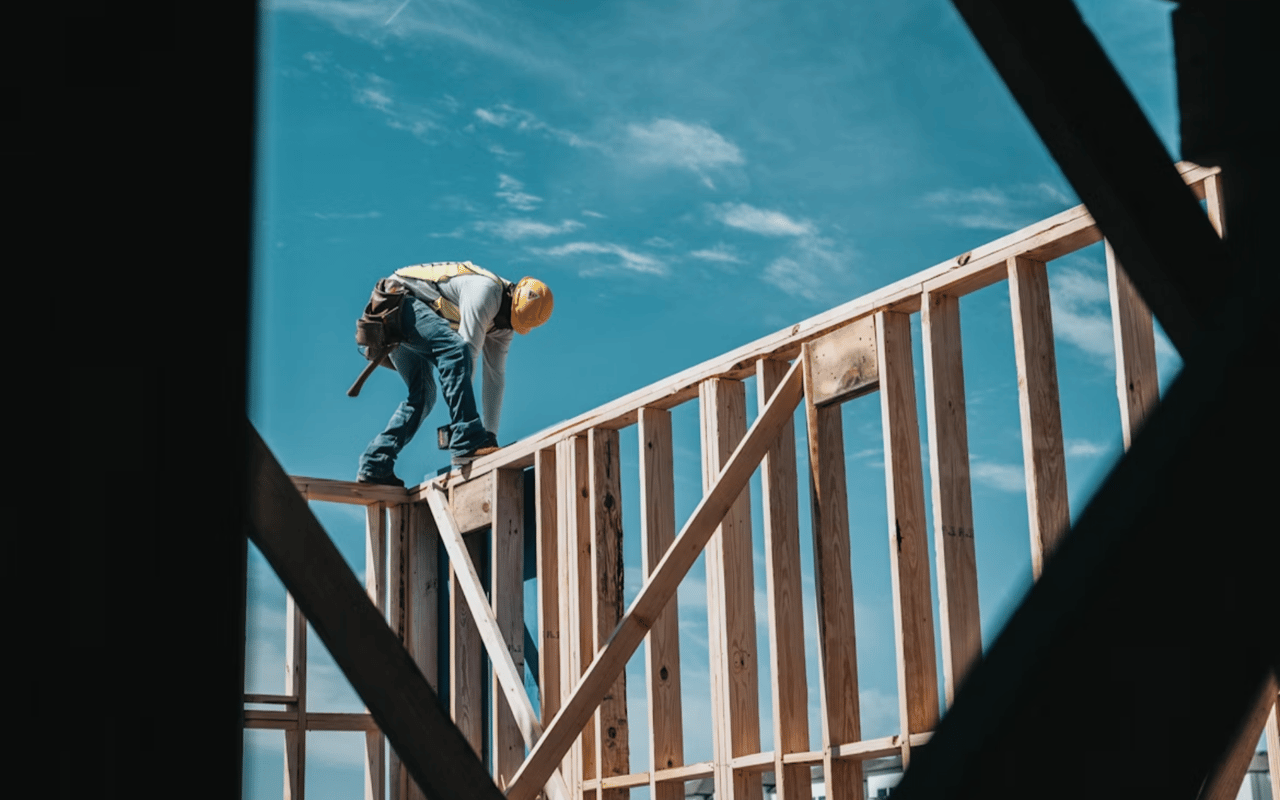
The reason comes down to what the home is made of, not just when it was made. A 1950s Gainesville home built with concrete block construction sits in a different underwriting bucket than a wood-frame house from the 1980s or 1990s, regardless of which one has the newer permit history. Concrete block performs differently in wind events than frame construction, and carriers have decades of claims data on both types. That claims record, not the calendar, is what moves the number on your quote.
This is the detail that gets lost when buyers assume "older house" is shorthand for "insurance headache." Sometimes it is. But the material the walls are made of can outweigh the decade they were built in, which flips the intuitive ranking the moment you're comparing specific Gainesville submarkets against each other.
Gainesville's Four Insurance Eras
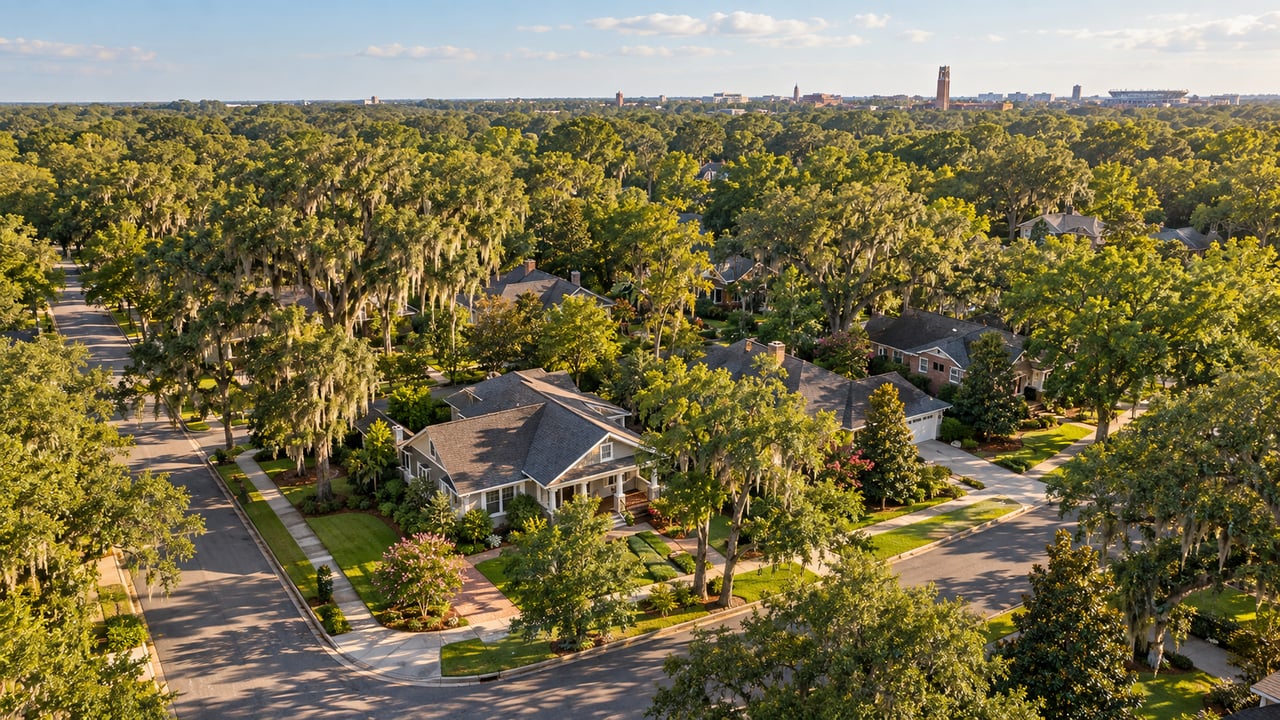
Gainesville's housing stock breaks cleanly into four cohorts, and each one carries a different insurance conversation.
| Era and Location | Typical Construction | What Drives the Quote |
|---|---|---|
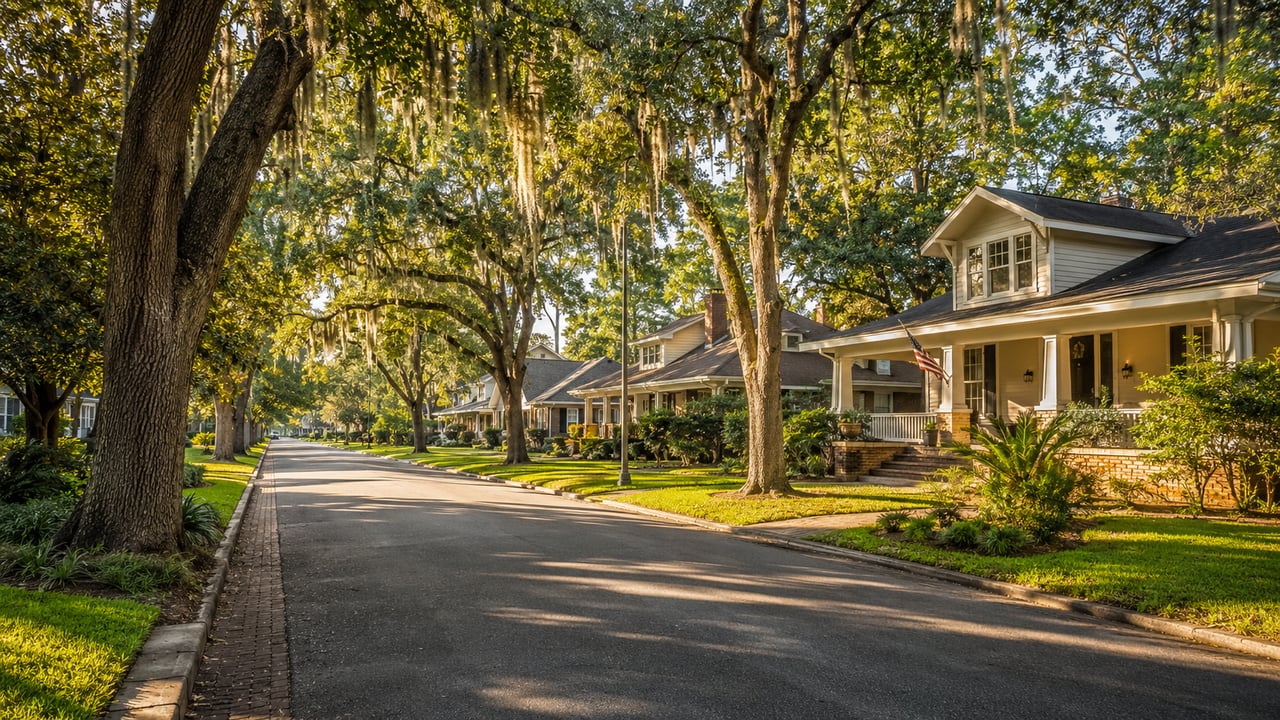
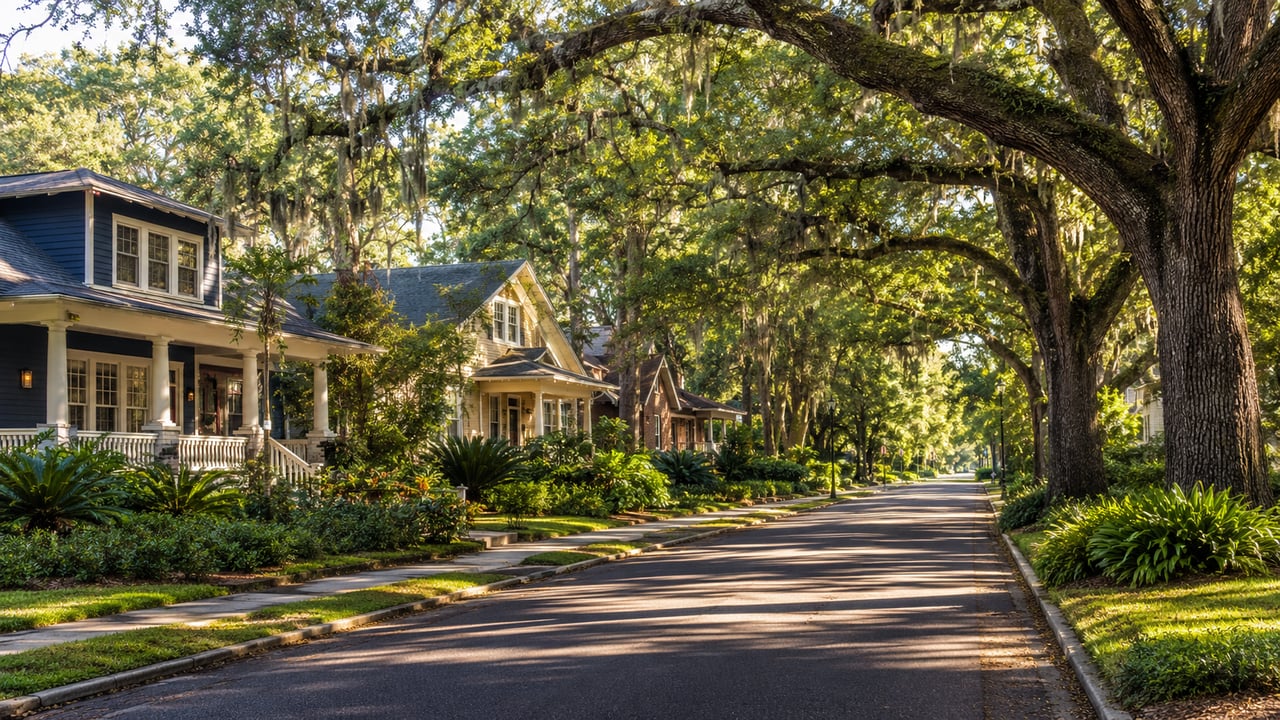
| 1880s–1950s: Duckpond, Pleasant Street, Southeast historic districts | Wood frame and early concrete block, often with original systems | Age triggers inspection requirements, but concrete block homes from this era can price well if systems are documented |
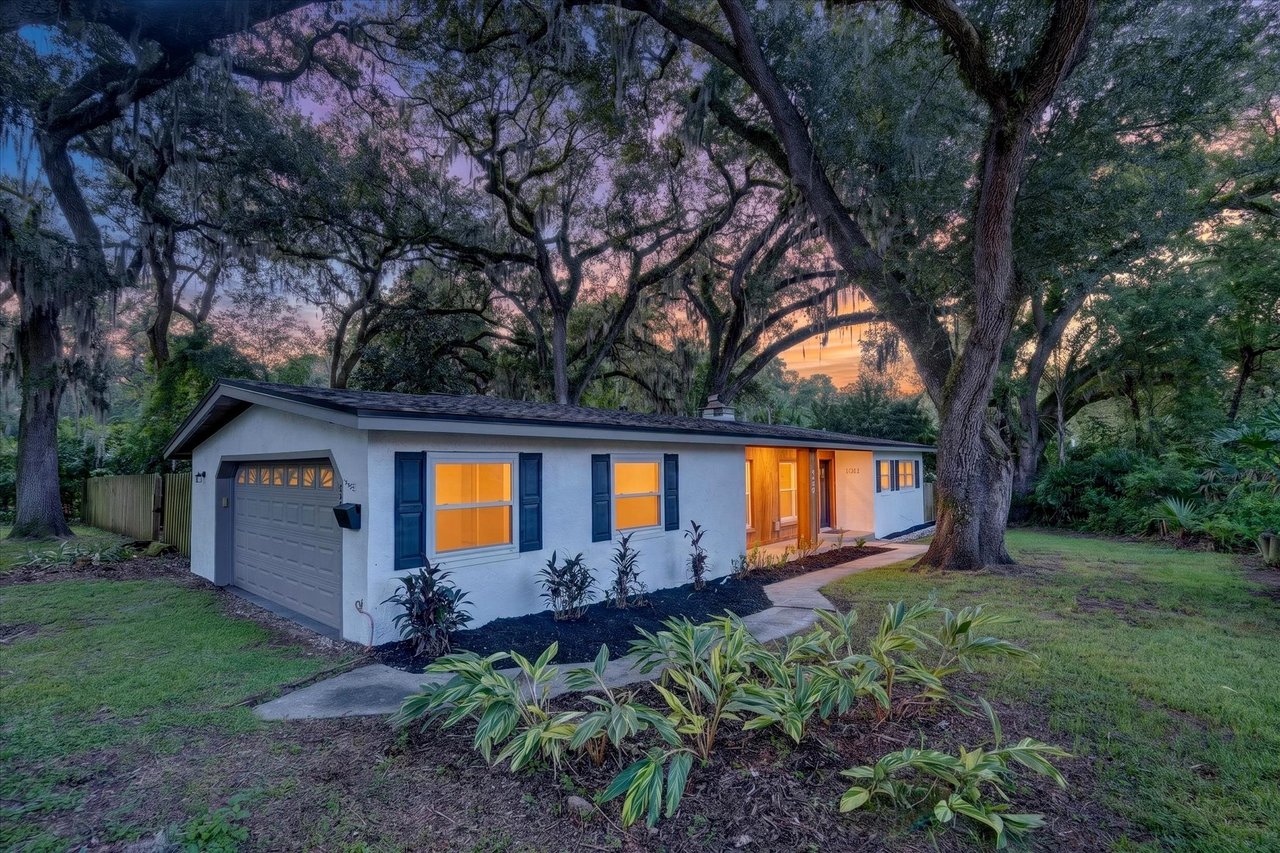
| Mid-century: neighborhoods ringing the University of Florida | Concrete block, post-war construction | Generally favorable era cohort, subject to roof age and updates |
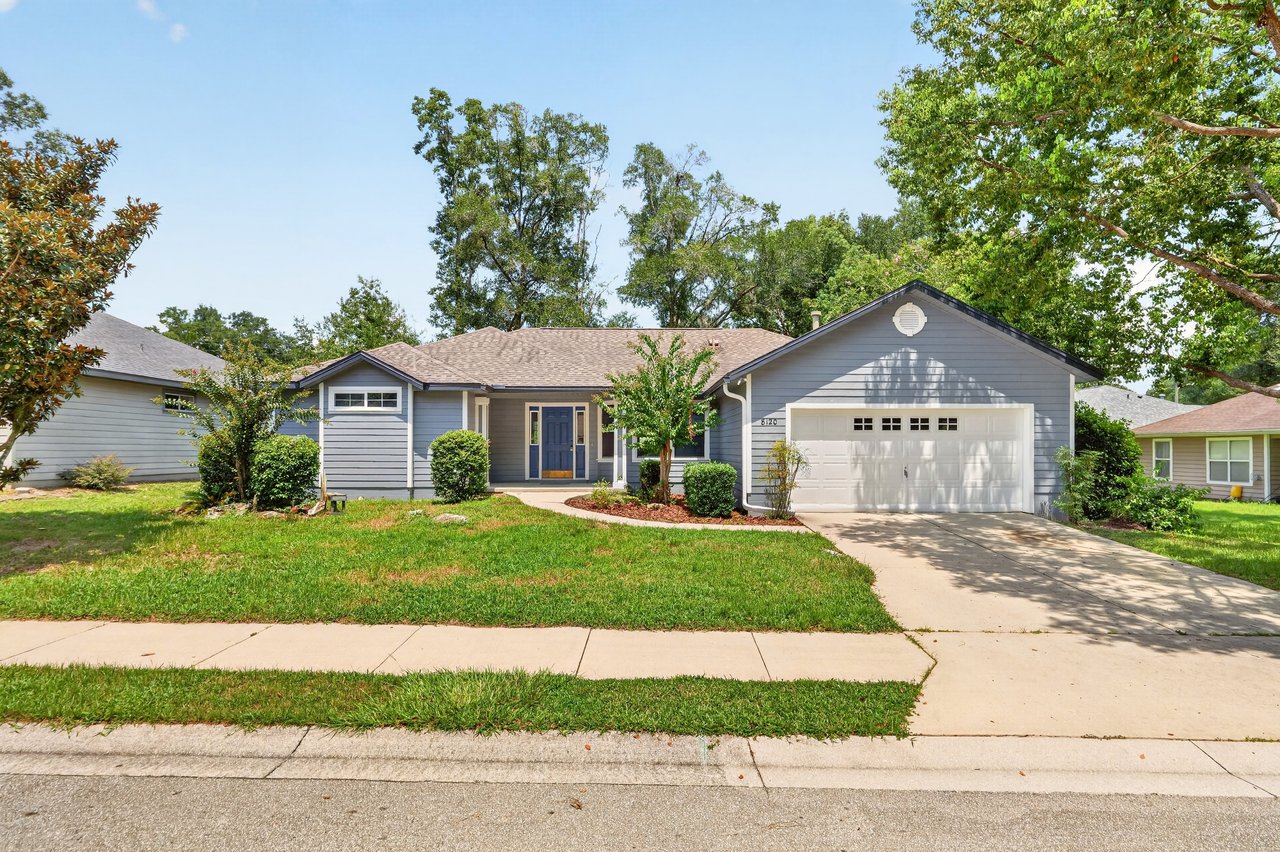
| 1980s–2000s: Haile Plantation, the Jonesville-Tioga corridor | Wood frame, tract-built | Frame construction from this window can face more scrutiny than older block homes despite being newer |
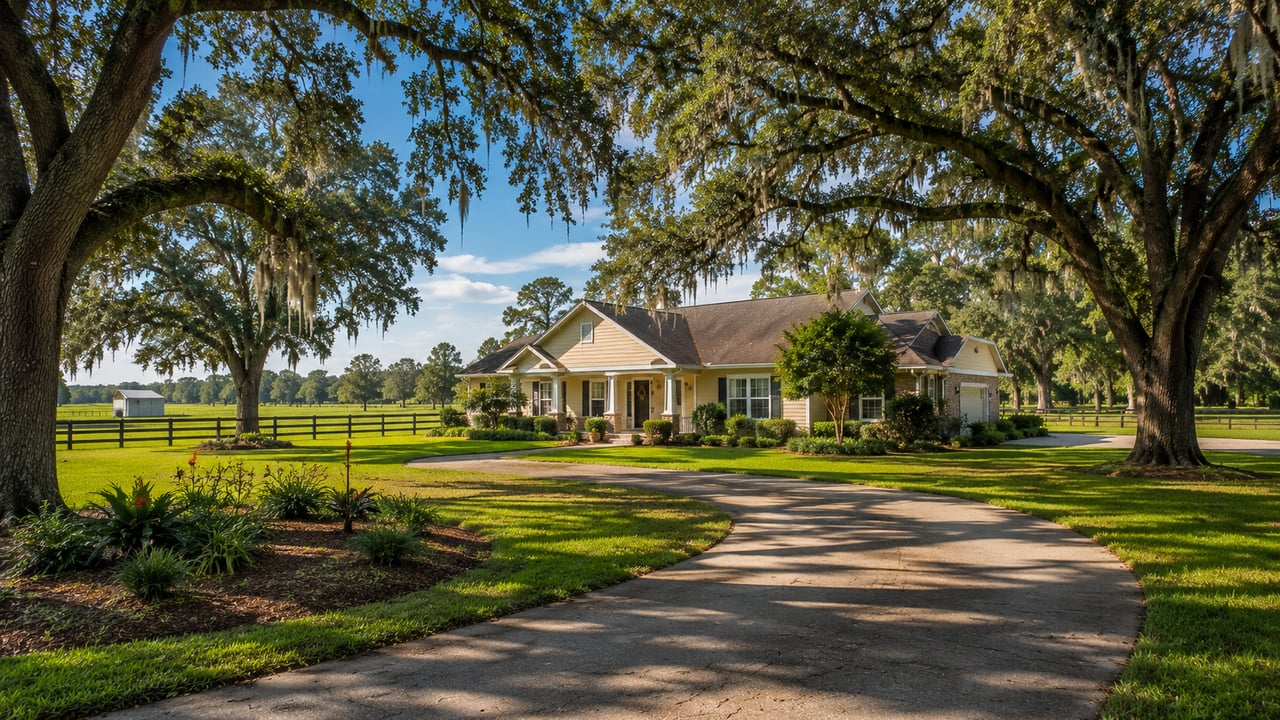
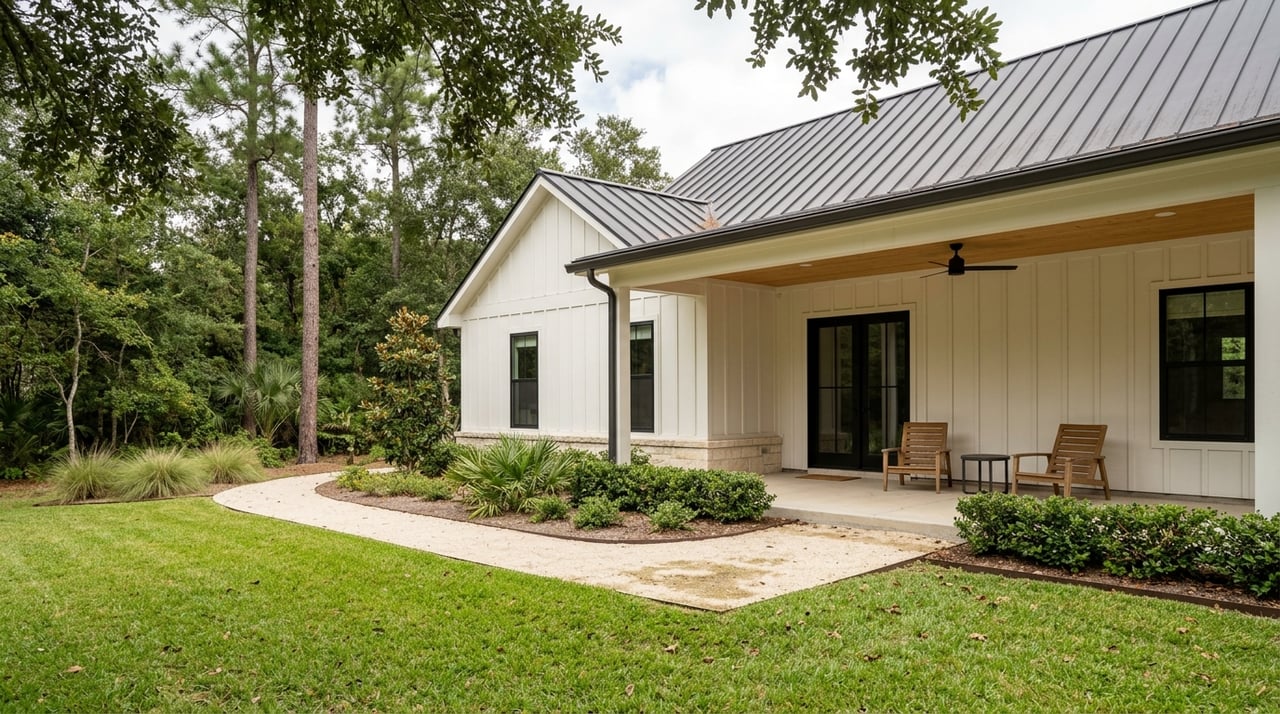
| 2010s–present: Oakmont | Modern frame and block hybrid construction | Newest cohort, current codes, but still subject to standard underwriting on roof, plumbing, and electrical |
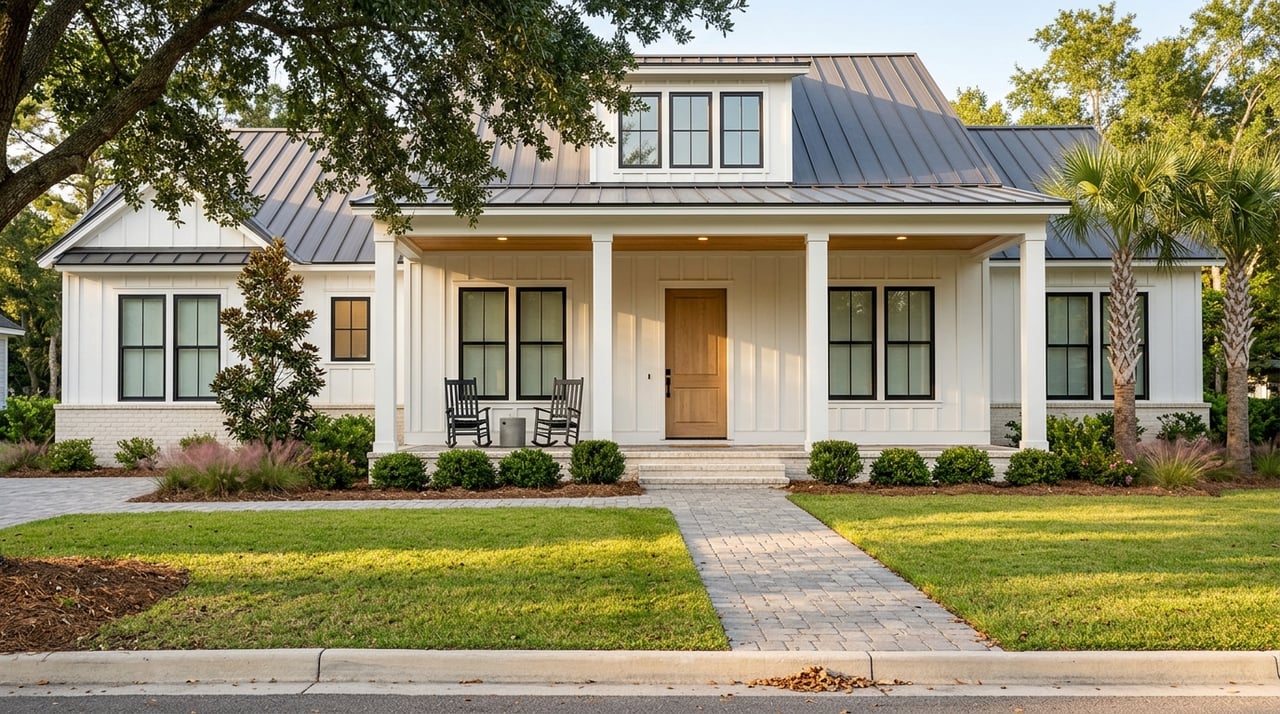
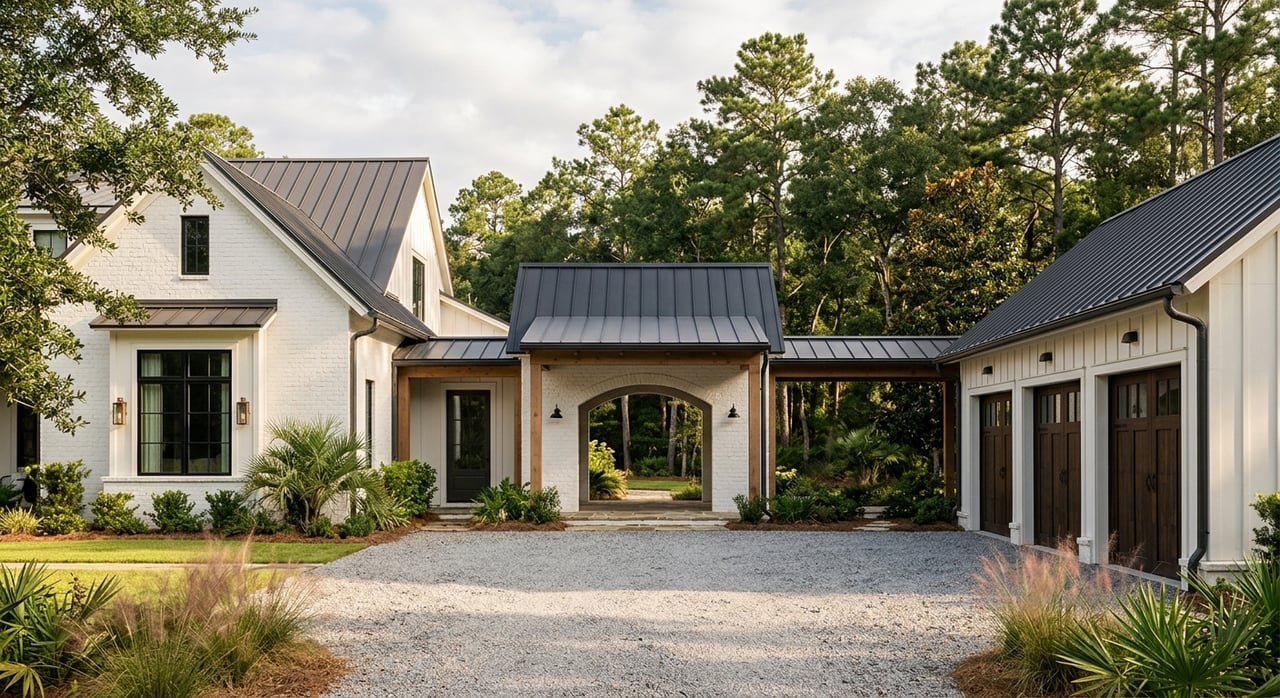
Oakmont is worth naming specifically because it illustrates the newest end of that spread. The 550-acre community sits at the intersection of Parker Road and SW 24th Avenue in southwest Gainesville, built out by AR Homes and ICI Homes with pricing that has run from the high $400s into seven figures depending on lot and builder. It represents the newest construction cohort in the county, and it still goes through the same underwriting questions on roof material, wind mitigation features, and documented systems that every other era does. New construction does not exempt a buyer from the conversation. It just changes which questions get asked first.
What the Citizens Numbers Actually Show
If you want a single data point that tells you where the Gainesville insurance market actually sits right now, look at Citizens Property Insurance Corporation's book of business in Alachua County. Citizens is Florida's state-backed insurer of last resort, the carrier homeowners land on when private companies won't write a policy. A shrinking Citizens book means private insurers are competing for that business again. A growing one means they've pulled back.
In Alachua County, Citizens held 3,556 policies covering roughly $1.09 billion in exposure as of May 2024. By May 2026, that had fallen to just 713 policies covering about $114.7 million, an exit of roughly 80 percent of that book into private carriers over two years. Separate figures from April 2026 put the county's Citizens count at 714 policies with an average premium of about $1,020 a year, a number low enough to function as something close to a market floor rather than a worst case.
That matters for the era-cohort conversation because it means private carriers have re-entered the Gainesville market broadly enough to be competing for homes across multiple construction eras, not just the newest ones. A homeowner sitting on Citizens today in Alachua County is increasingly the exception rather than the rule, which is a different story than the one playing out across Florida overall, where home insurance nonrenewals have climbed roughly 280 percent since 2018.
The Roof-Age Rule Most Buyers Get Half Right
Every era-cohort conversation eventually runs into the roof, because roof age is the single factor that shows up in nearly every underwriting file regardless of which cohort a home falls into.
Florida law protects homeowners from having a policy denied or non-renewed solely because a roof is under 15 years old. Cross that threshold and the rules shift: insurers can require a certified inspection, and coverage can continue if that inspection documents at least five years of remaining useful life. This is a real, currently active statute, not a proposal.
Here's the part that trips people up. Legislation that would have expanded those protections further this year, Senate Bill 808 and House Bill 815, actually died in committee on March 13, 2026. Some coverage published earlier in the year described provisions from that bill as taking effect July 1, 2026. That date has now passed, and the bill never became law, so the older 15-year statute is still the operative rule. If you're relying on anything published before March 2026, verify it against your carrier or agent rather than assuming a newer rule applies.
For a buyer looking at a home in the Duckpond or Pleasant Street district with a roof approaching or past 15 years, that means budgeting time for an inspection before the underwriting file can close, not assuming automatic denial. For a buyer in Haile Plantation or the Jonesville-Tioga corridor looking at a 1990s roof that's never been replaced, the same rule applies regardless of how new the rest of the house feels.
What This Means When You're Actually Comparing Homes
The practical move is to stop asking "how old is this house" and start asking "what era cohort is this house in, and what can the seller document." A wind mitigation inspection, using the state's uniform OIR-B1-1802 form, documents roof shape, deck attachment, and opening protection, and those credits apply fully in an inland county like Alachua. That form stays valid for five years, so ask whether one already exists before assuming you need to order a new one.
Ask for the permit and invoice on any re-roof, regardless of the home's era. Carriers price what you can prove, and a 1948 concrete block home with a documented metal roof from a recent permit can out-quote a house half its age with an undocumented shingle roof from the 1990s.
One more honest note for anyone looking at the historic core specifically. Gainesville sits on true karst terrain, and Devil's Millhopper, the roughly 120-foot sinkhole in the city's northwest, is a well-known state geological park rather than a hidden risk. Every admitted Florida homeowners policy automatically includes catastrophic ground cover collapse coverage under state law, and historical claims data from the 2006 to 2010 sinkhole years showed the concentration of claims sat in Hernando, Pasco, and Hillsborough counties, not Alachua. It's a fact worth knowing rather than a reason to avoid the neighborhood.
Frequently Asked Questions
Does a roof over 15 years old automatically mean my Gainesville home can't be insured? No. Florida law allows carriers to require an inspection once a roof passes 15 years, but coverage can continue if an authorized inspector certifies at least five years of remaining useful life. Denial isn't automatic.
Is a house in Oakmont always going to insure cheaper than one in the Duckpond? Not necessarily. New construction generally starts from a favorable position, but every home still goes through underwriting on its specific roof, plumbing, and electrical documentation. A well-documented older concrete block home can compete with a newer frame house on the same quote.
What should I ask a seller for before I get an insurance quote? Request the wind mitigation form if one exists, along with permits and invoices for the roof, water heater, panel, and any plumbing repiping. Documentation moves the underwriting conversation more than the age on the deed.
If you're weighing homes across Gainesville's different construction eras and want the insurance conversation mapped out before you write an offer, Anson Properties works this market neighborhood by neighborhood, from the Duckpond to Oakmont, and can walk you through what a specific home's era means for your bottom line. Reach out for a free home valuation and a straight answer on what you're actually buying.