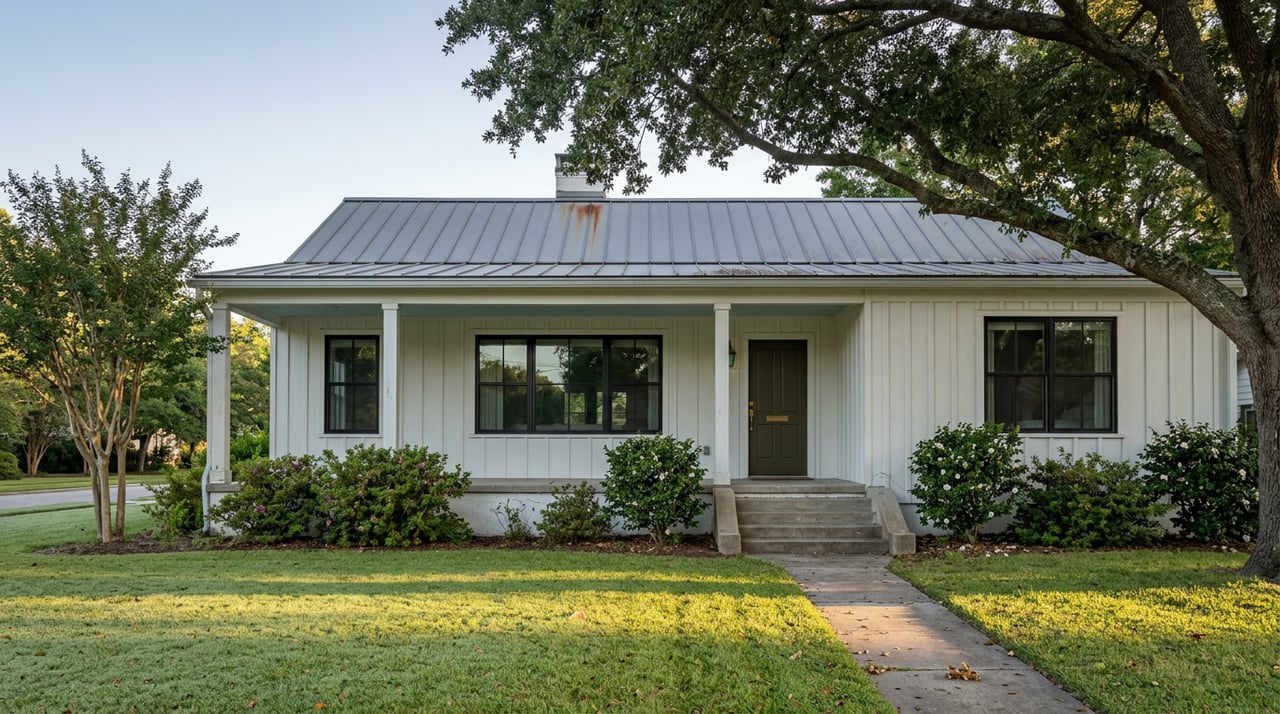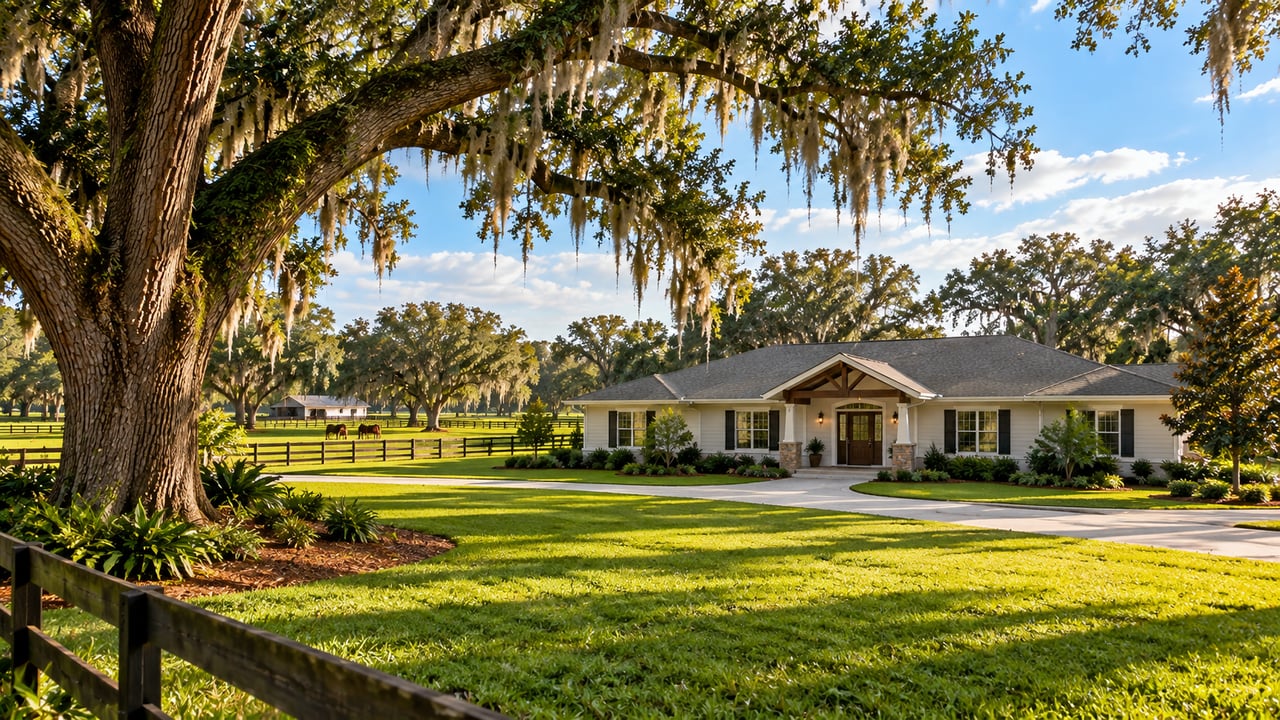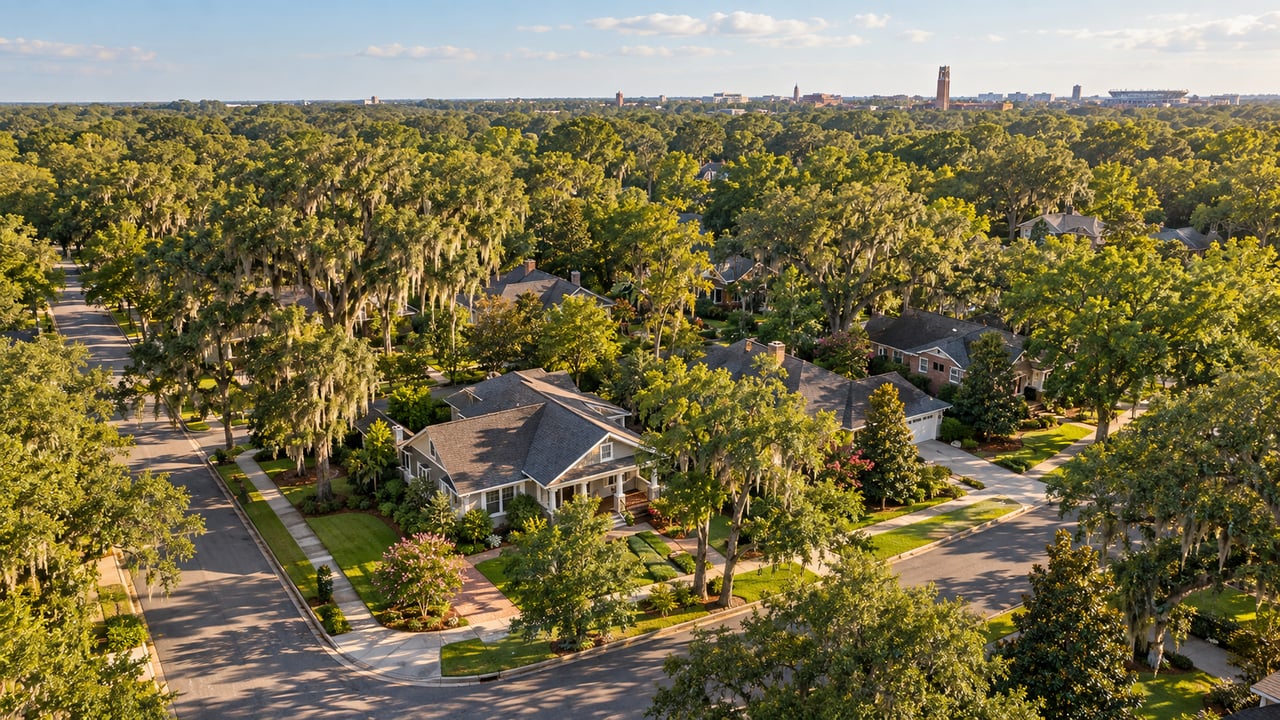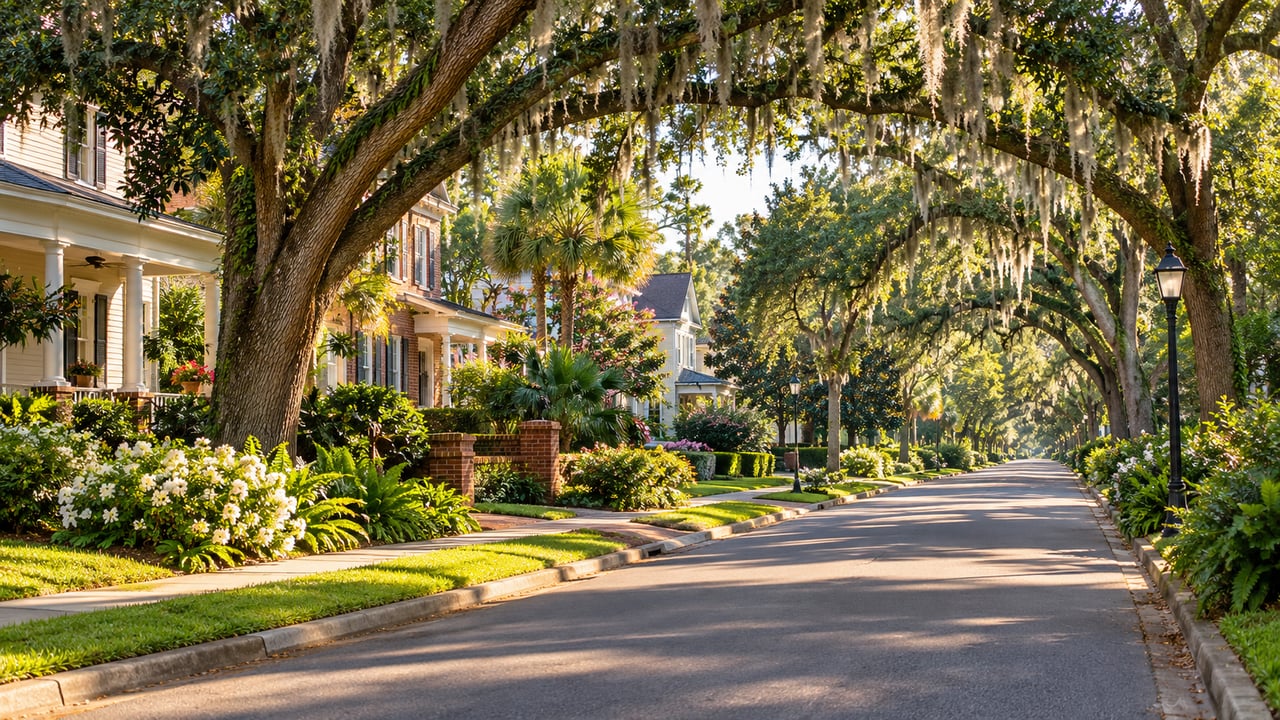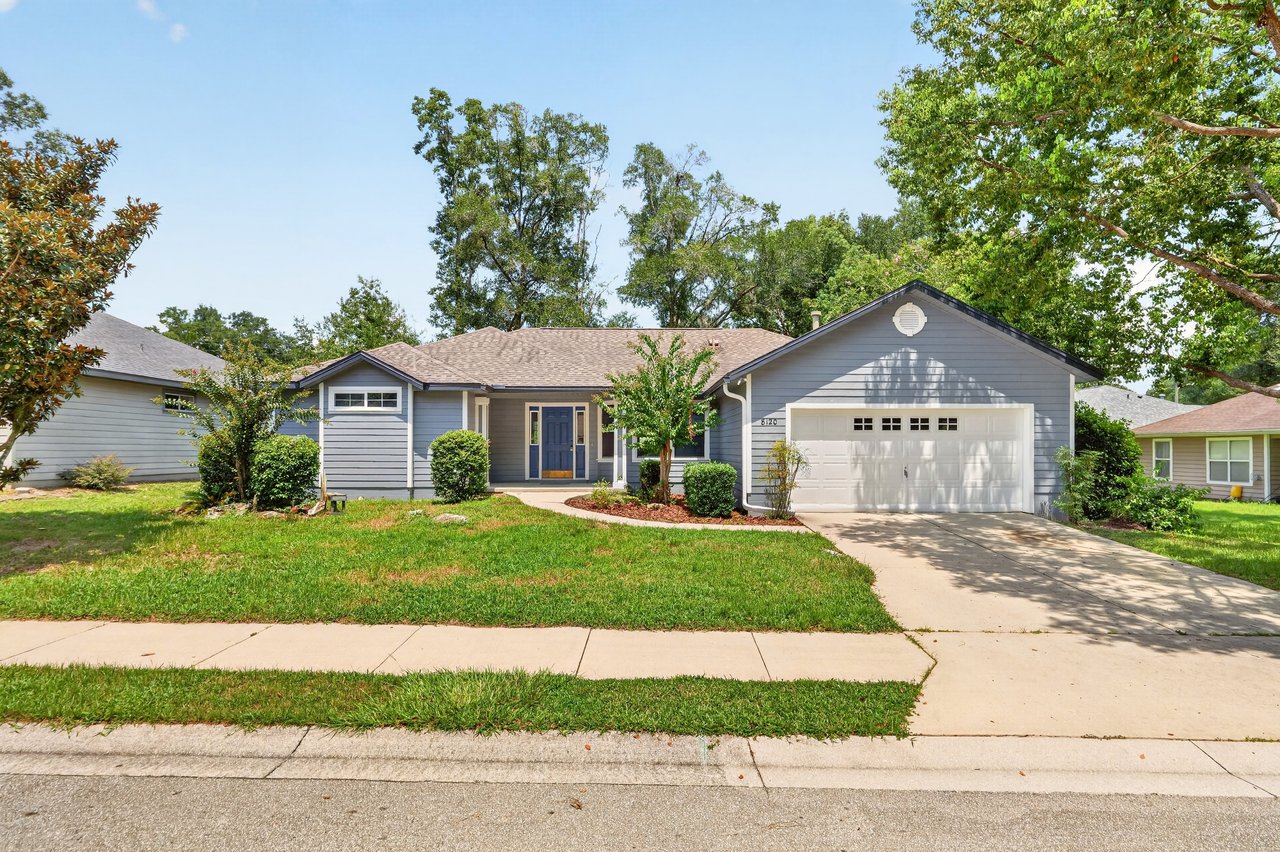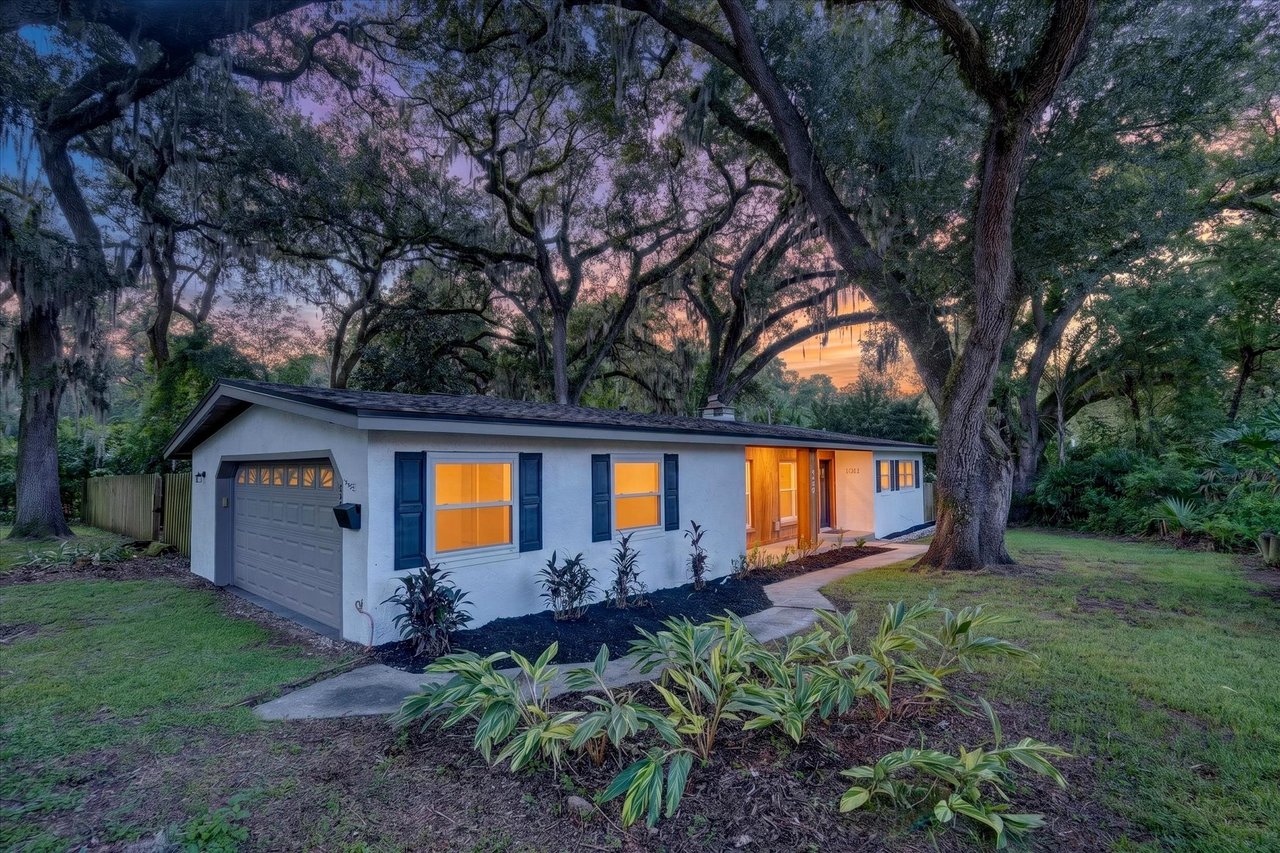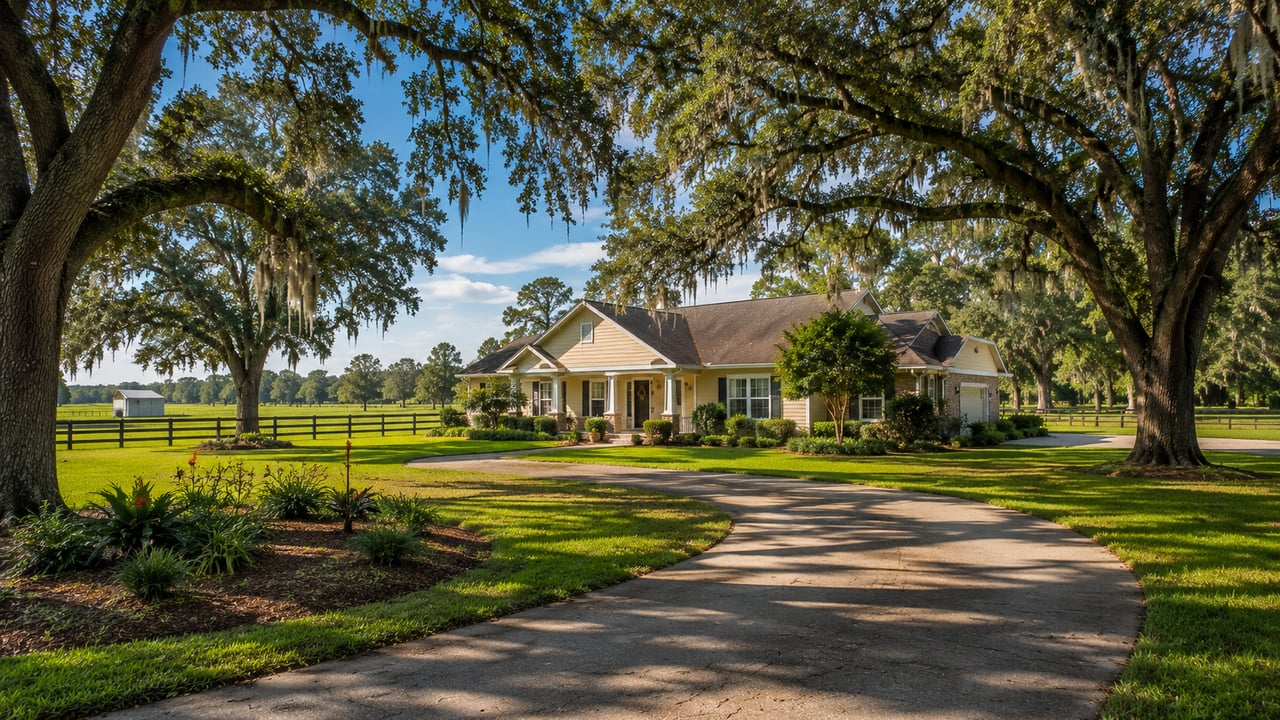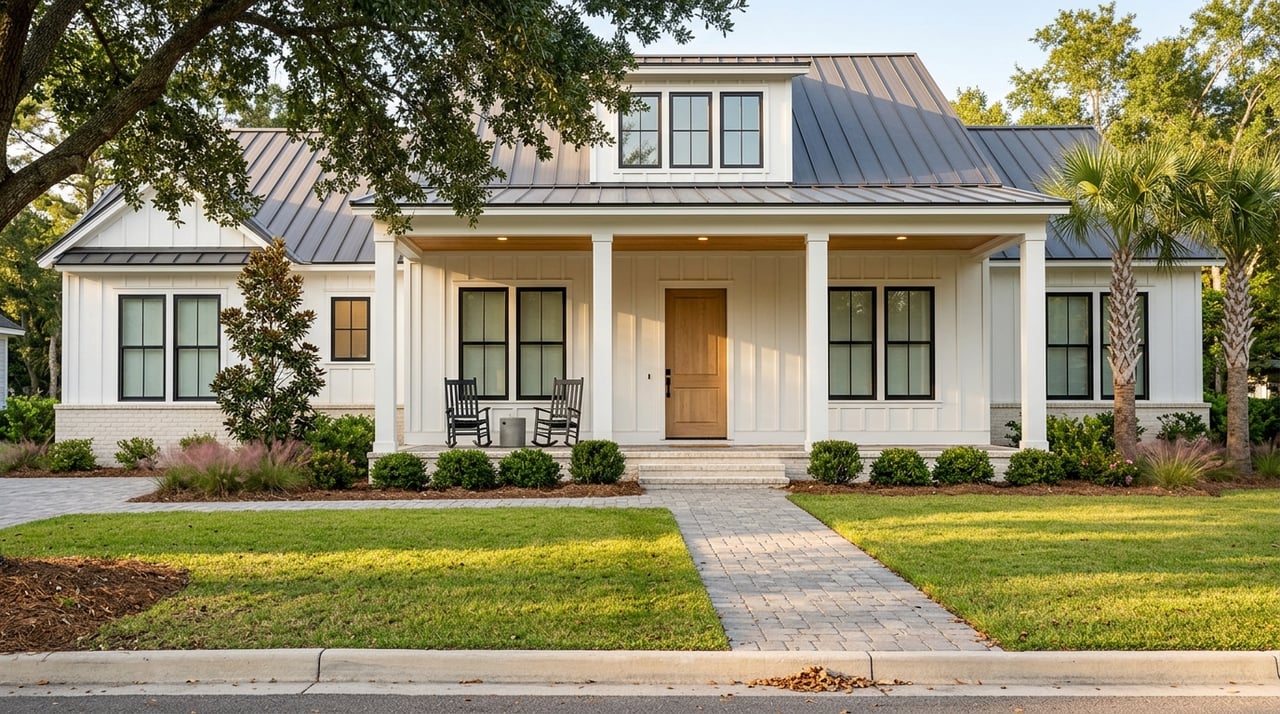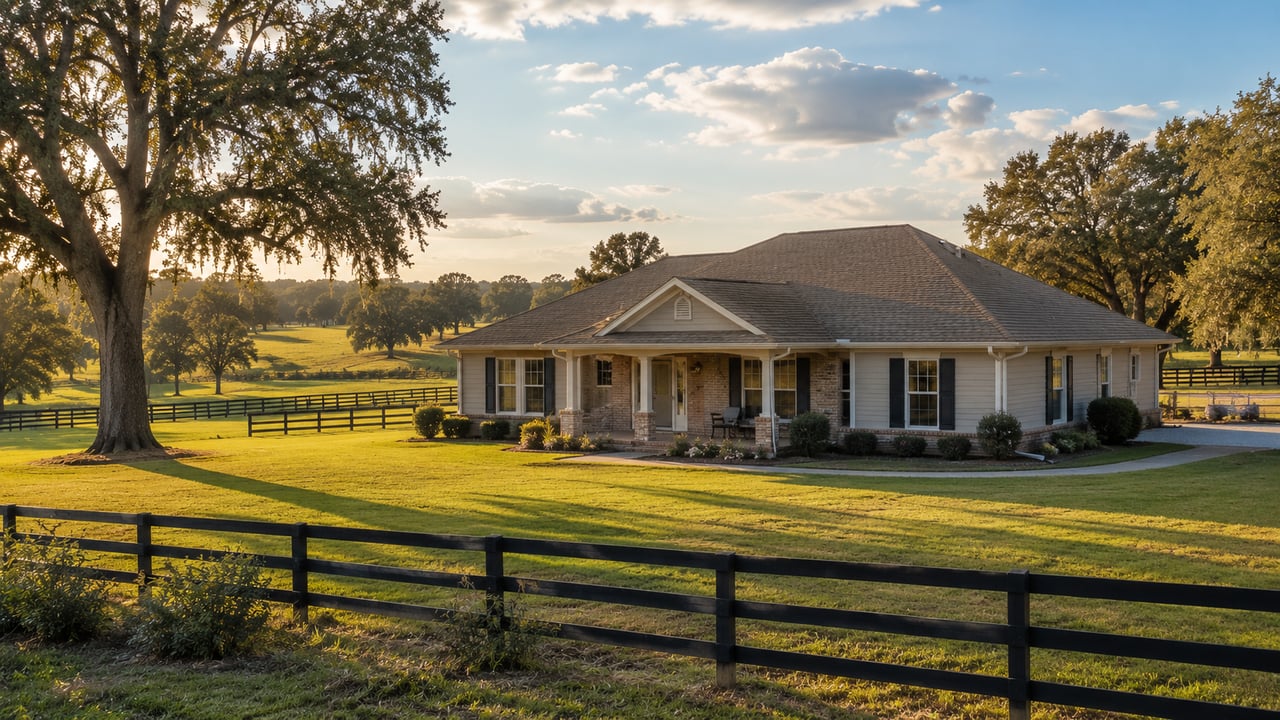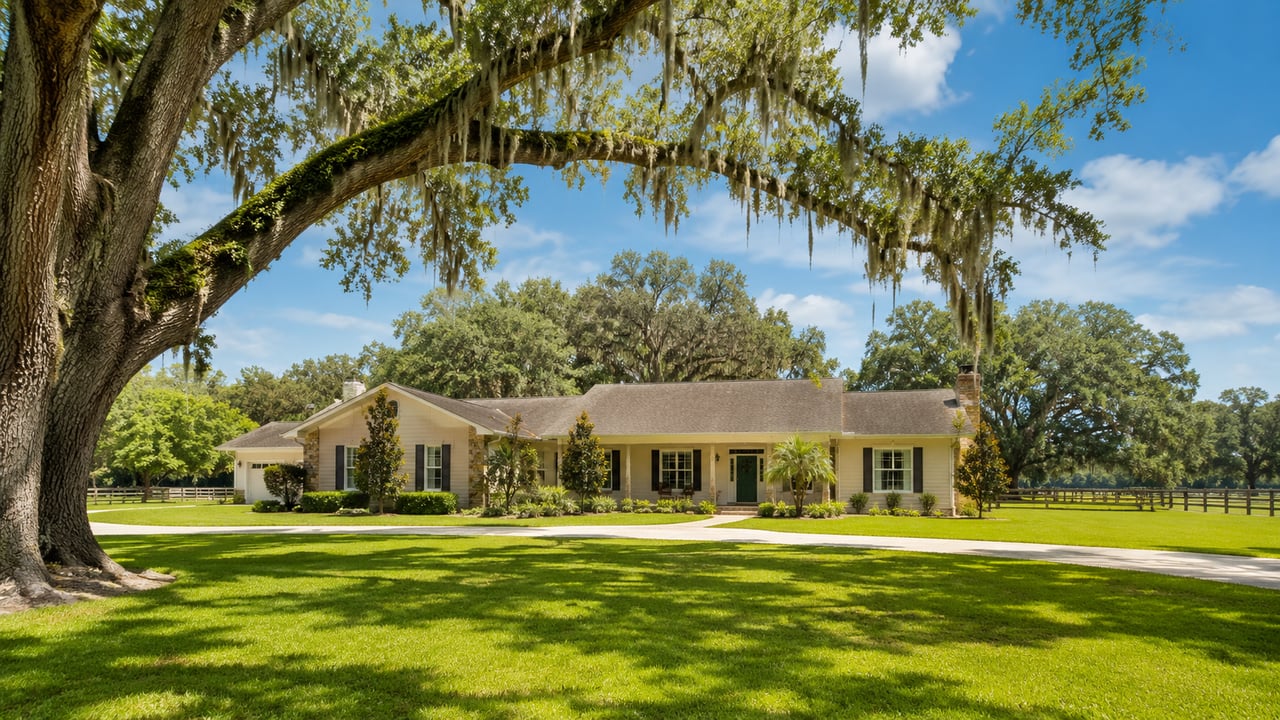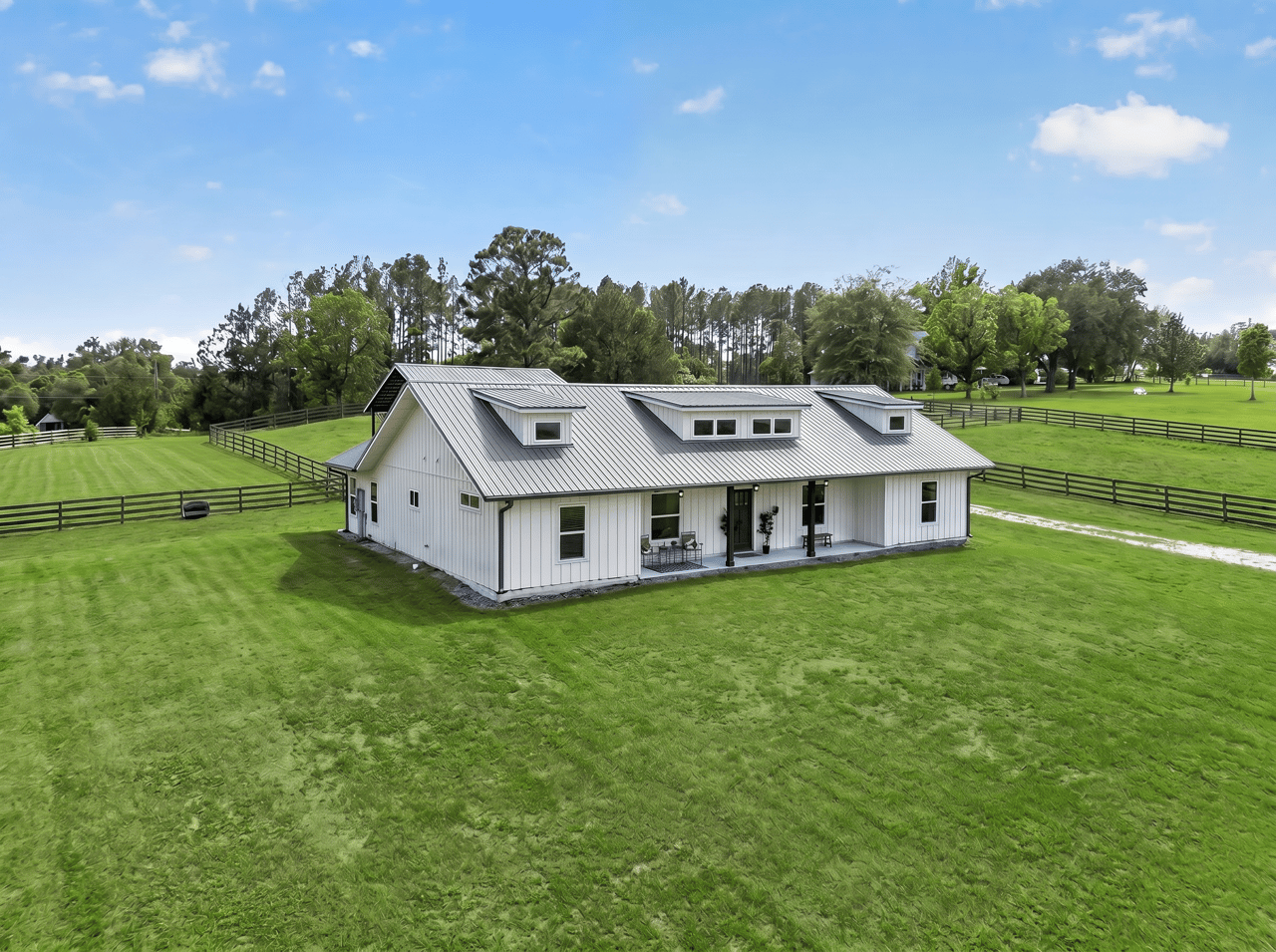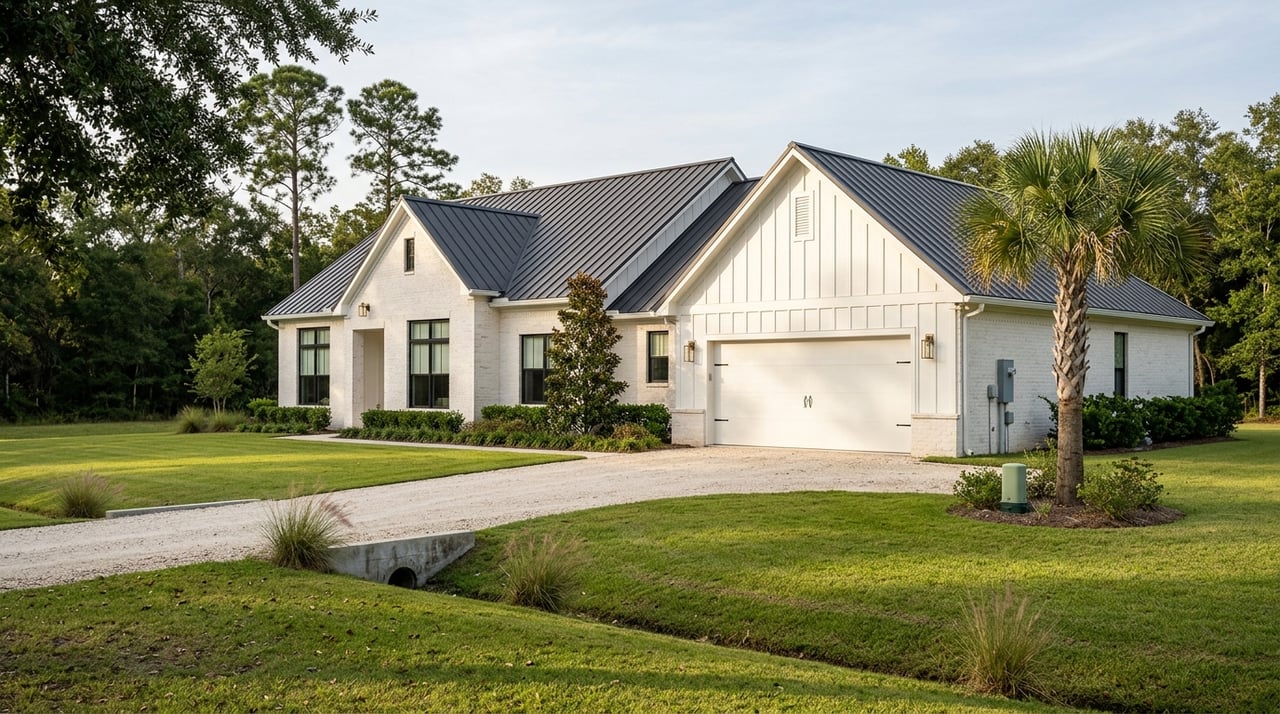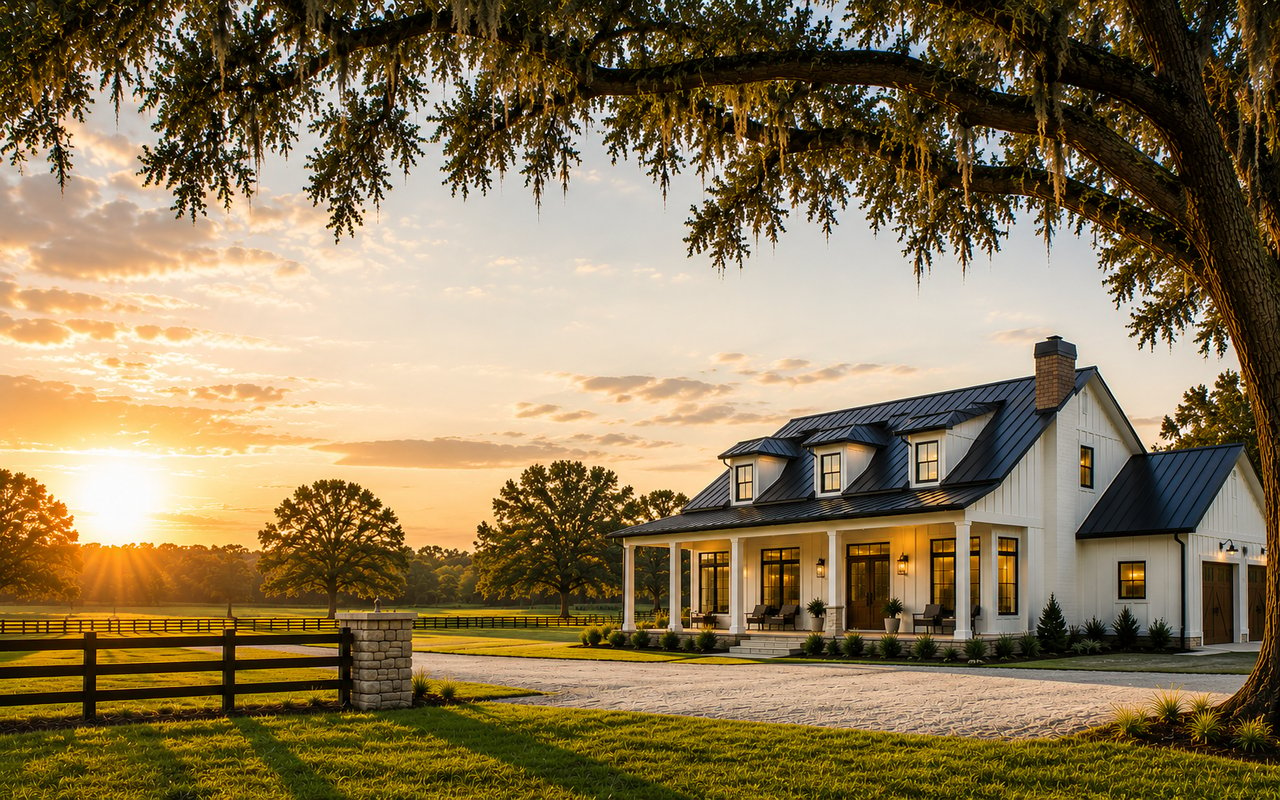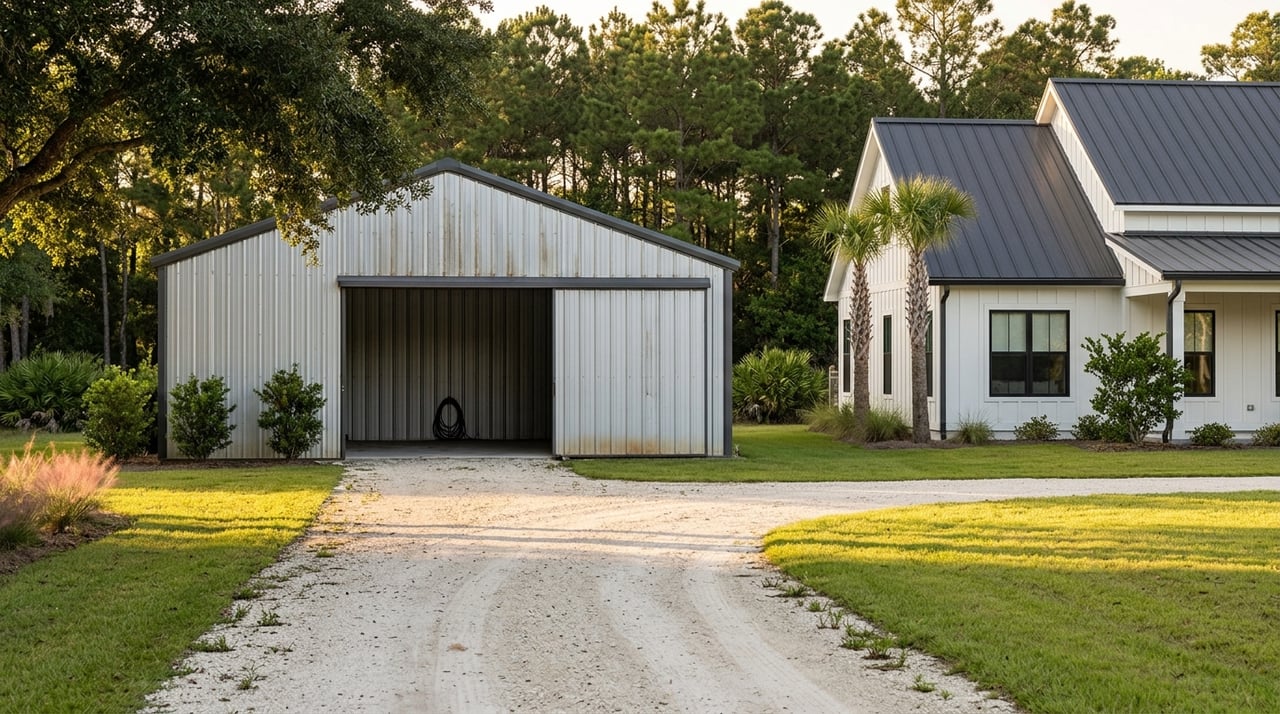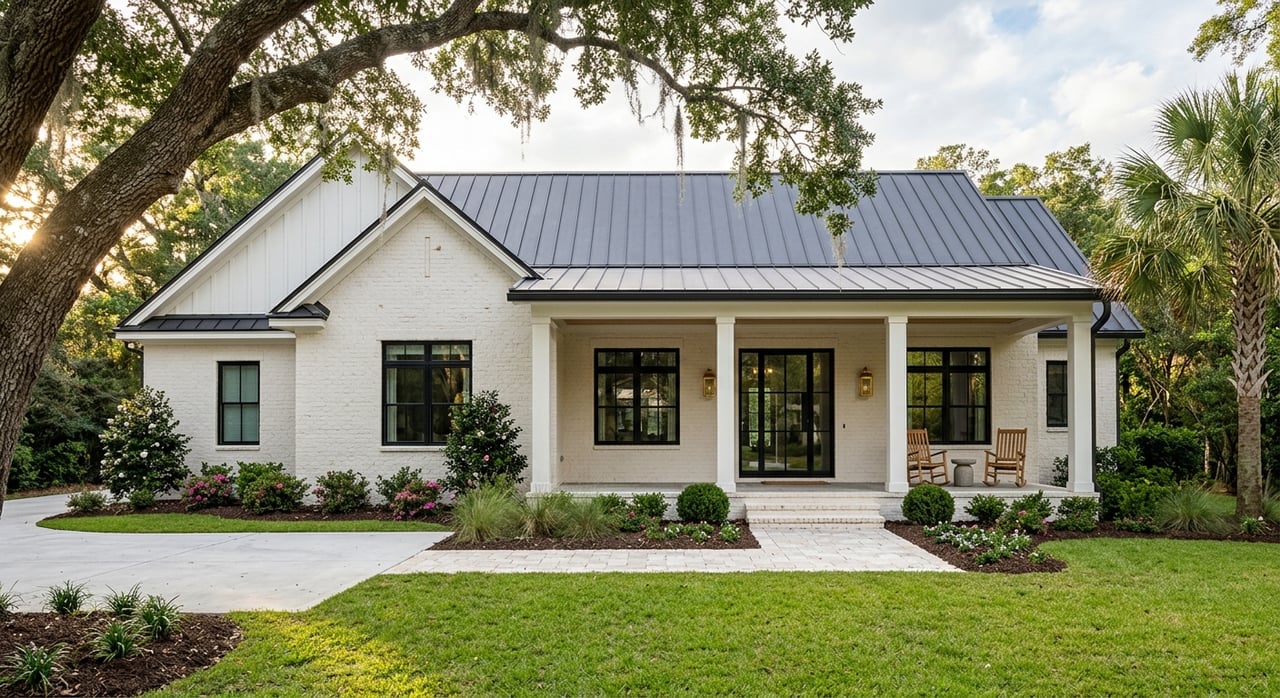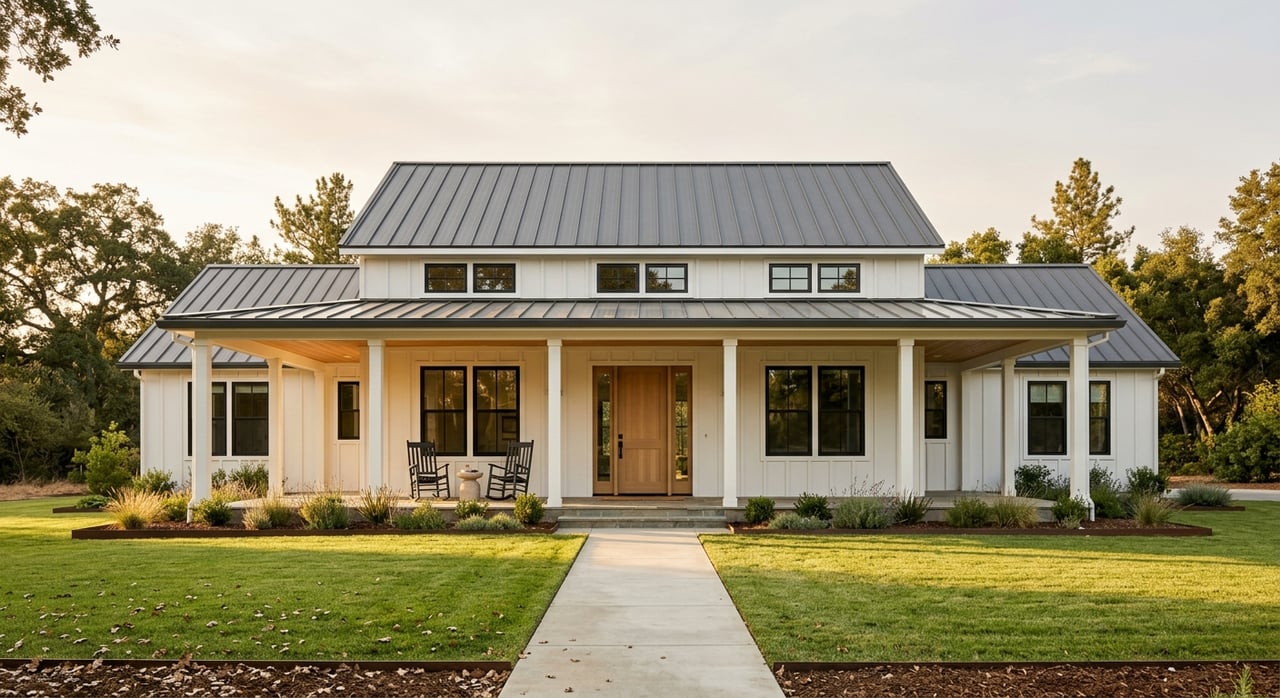
Picture two rural parcels near Lochloosa, both roughly the same size, both a similar drive from Gainesville. One is priced out around $10,000 an acre. The other is closer to $29,000. A buyer scrolling through both assumes the gap is about the dirt: maybe one has better drainage, more road frontage, a pond. Sometimes that's true. But the number that actually matters here rarely shows up in the listing at all.
That number is the property's agricultural classification status under Florida's Greenbelt Law. It has nothing to do with what the land is worth on the open market and everything to do with what you'll actually pay to hold it.
Why raw acreage prices swing so hard around Hawthorne
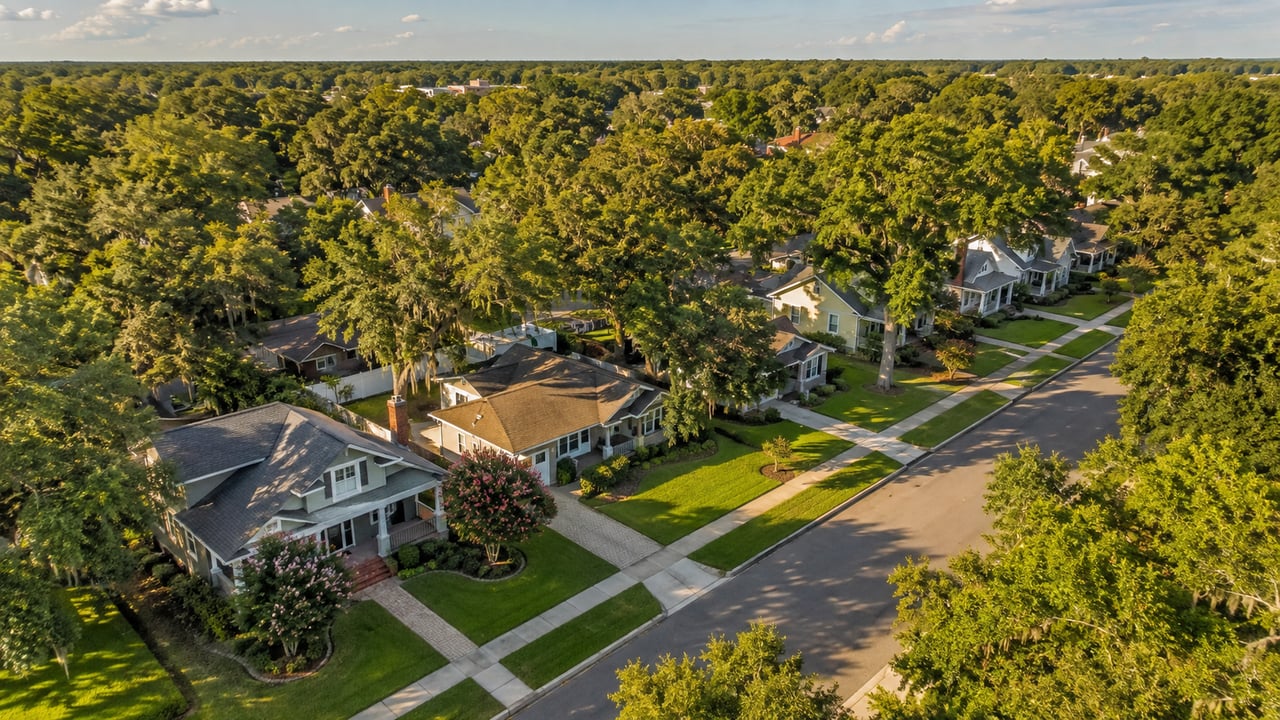
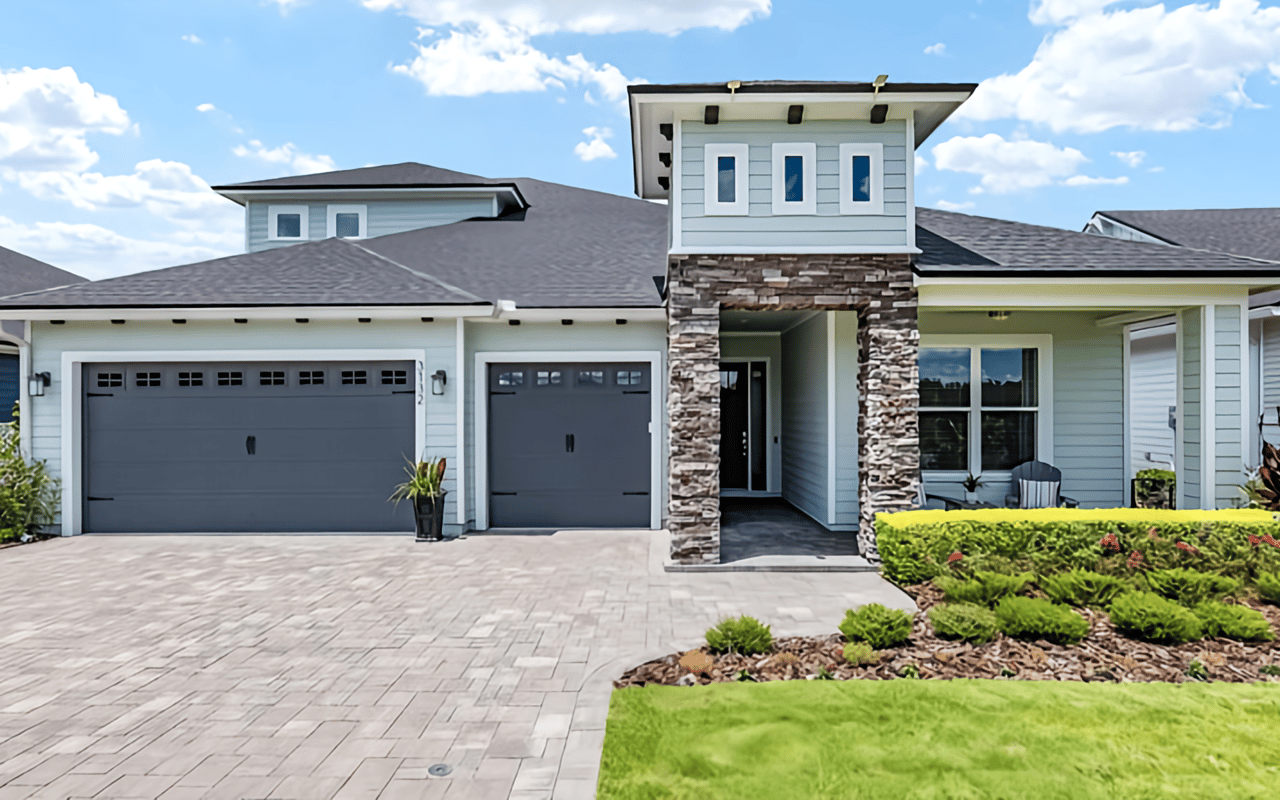
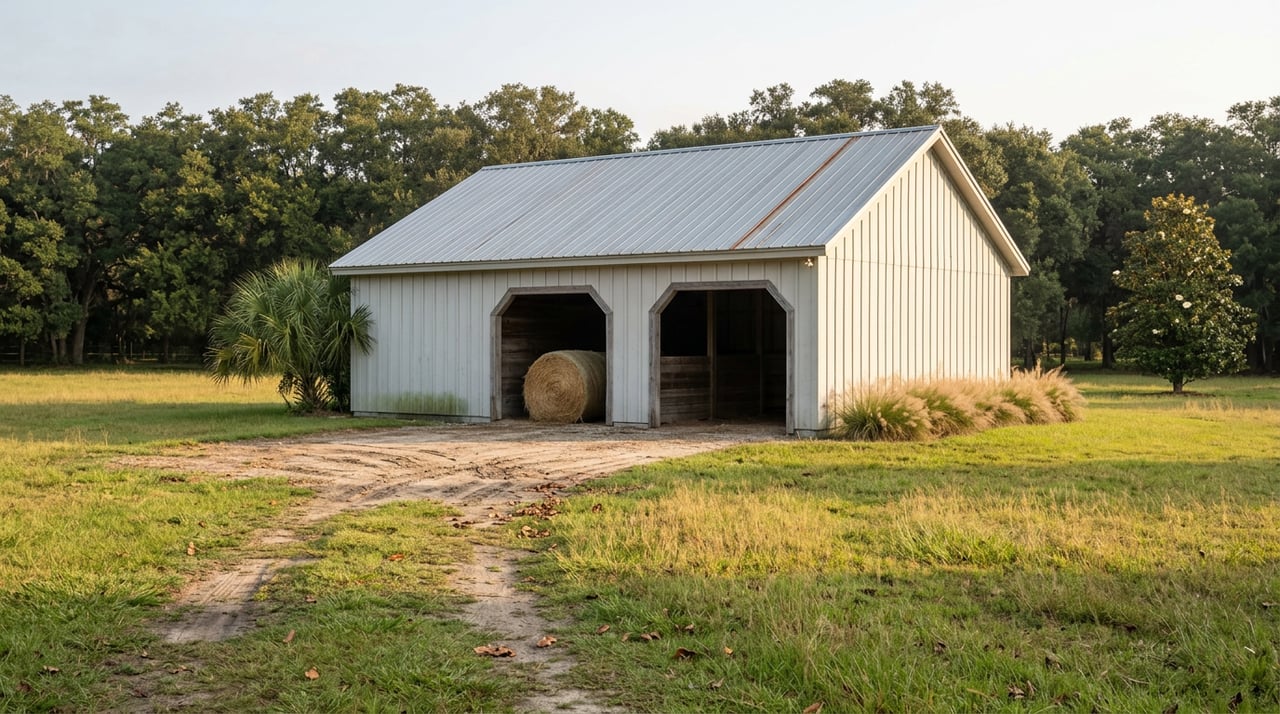
Current land listings in and around Hawthorne show a spread that looks almost incoherent at first glance. Undeveloped, unimproved acreage runs an average of roughly $10,181 per acre. Parcels marketed as working farms average closer to $21,726 per acre. Houses sold with attached acreage climb to about $29,221 per acre. Three categories, three very different price tiers, all technically describing land in the same rural stretch east of Gainesville.
Some of that spread is straightforward. A house adds structure value. A working farm often comes with fencing, a barn, or an established pasture that raw land doesn't have. But the deeper reason two seemingly similar parcels can carry such different price tags, and more importantly such different tax bills, comes down to how the county has classified the land for tax purposes.
The law that decides what you actually owe
Florida Statute 193.461, commonly called the Greenbelt Law, allows land used for a bona fide commercial agricultural operation to be assessed at its "value in use" rather than its market value. PropertyTaxAdjust.com explains that, in practice, this can mean an assessed value in the range of a few hundred dollars per acre for land that would otherwise be appraised at its full development or resale value. PropertyTaxAdjust.com The Alachua County Property Appraiser's office is explicit that this is not an exemption in the traditional sense. It's a different way of calculating what the land is worth for tax purposes, based entirely on whether it's being farmed, grazed, or otherwise used commercially, not on what a buyer would pay for it.
That's the part almost nobody explains to a buyer before they write an offer.
The gotcha that shows up after closing, not before
Here's the friction point that catches people off guard. Agricultural classification is tied to the use of the land and the owner who applied for it. The UF/IFAS Extension Alachua County blog explains that it does not transfer automatically when a property changes hands. The Alachua County Property Appraiser's agricultural guidelines say that a new owner has to file their own application, typically between January 1 and March 1, along with a written farm plan or lease, and the property is subject to a physical inspection before classification is granted or renewed.
So picture the buyer who closes on a parcel near Cross Creek in the spring, sees the seller's tax history showing a modest annual bill, and assumes that number carries forward.
That is one reason private buyers and public conservation programs can arrive at very different numbers.
Why the county's own land purchases tell a different story
For contrast, it's worth looking at how land near Hawthorne gets valued when the buyer isn't a private owner at all. Alachua County Forever, the county's conservation land program funded by the Wild Spaces Public Places surtax, purchased a 605-acre tract west of Hawthorne adjacent to the Phifer Flatwoods Preserve for $1.5 million back in 2022, land that runs along two miles of Lochloosa Creek as it flows toward Lochloosa Lake. That works out to roughly $2,479 an acre, a fraction of even the lowest private per-acre averages in the area.
The gap isn't a bargain. It reflects an entirely different valuation logic. Conservation land purchased for creek frontage and wildlife habitat isn't priced the same way as buildable upland with road frontage and utility access. But it's a useful reminder for buyers: "price per acre" in this market means different things depending on who's buying, why, and what the land is allowed to become. A number pulled from one listing category doesn't translate cleanly to another.
What this actually means if you're shopping land near Hawthorne
If you're comparing acreage near Lochloosa, Cross Creek, or anywhere else in this corridor, the sticker price per acre is only half the picture. Before making an offer, it's worth finding out:
- Whether the current agricultural classification, if any, is active for the tax year and what use it's based on
- Whether that use (cattle, hay, timber, apiary) is something you plan to continue, since classification is tied to an actual bona fide commercial operation, not just fencing and grass
- What the property's assessed value would look like without classification
- The filing window for a new application, which the Property Appraiser's office generally opens January 1 and closes March 1 each year
None of this shows up on a listing sheet. It shows up on the property card at the Alachua County Property Appraiser's office, and it's worth pulling before you get attached to a number that may not hold once you're the one filing the paperwork.
Land near Hawthorne also sits inside a landscape shaped by public conservation, which matters for long-term privacy and use even when it doesn't touch the tax bill directly. The Lochloosa Wildlife Management Area borders the city, its Cross Creek Trail forming part of the Great Florida Birding and Wildlife Trail. Marjorie Kinnan Rawlings Historic State Park sits about fourteen miles southwest, preserving the homestead where she wrote her Pulitzer Prize-winning work, even though she received her mail through the Hawthorne post office rather than living inside the city itself. Land bordering these protected tracts often carries a different kind of value than acreage further from any conservation boundary, one measured in privacy and unlikely-to-develop neighbors rather than dollars per acre.
Frequently asked questions
Does agricultural classification transfer to me automatically when I buy a classified parcel? No. The classification is tied to the use of the land. A new owner has to file their own application with the Alachua County Property Appraiser, generally between January 1 and March 1, along with documentation of an active bona fide commercial agricultural operation.
How do I find out if a specific parcel currently holds agricultural classification before I make an offer? The property's tax card through the Alachua County Property Appraiser's office will show the current classification status and assessed value. It's worth pulling that card, along with the seller's most recent TRIM notice, before finalizing an offer.
Land pricing near Hawthorne rewards buyers who ask about tax classification before they ask about square footage. If you're weighing acreage in this corridor and want a clearer read on what a specific parcel's tax history actually shows, Anson Properties can help you pull the county records and walk through what the numbers mean before you write an offer. Reach out for a free home valuation and a straight answer on what you'd actually be signing up to pay.
This article is general information, not legal, tax or financial advice. Consult a qualified professional about your situation.