On Wednesday, Nov. 11, a ranger will lead a group onto the gravel paths at Sweetwater Wetlands Park after dark, and members of the Alachua Astronomy Club will talk about the stars overhead. The same morning, Eventbrite opens bookings for December's night walks. On Dec. 9 the next astronomy hike goes out, and that day January's walks go on sale. On Jan. 13 it happens again for February.
The season opens Wednesday, Nov. 4, and runs through March 10, 2027. The city doesn't sell it as a single season. Each month opens on its own registration day, so the walk you get depends on the date you book.
What the night season includes
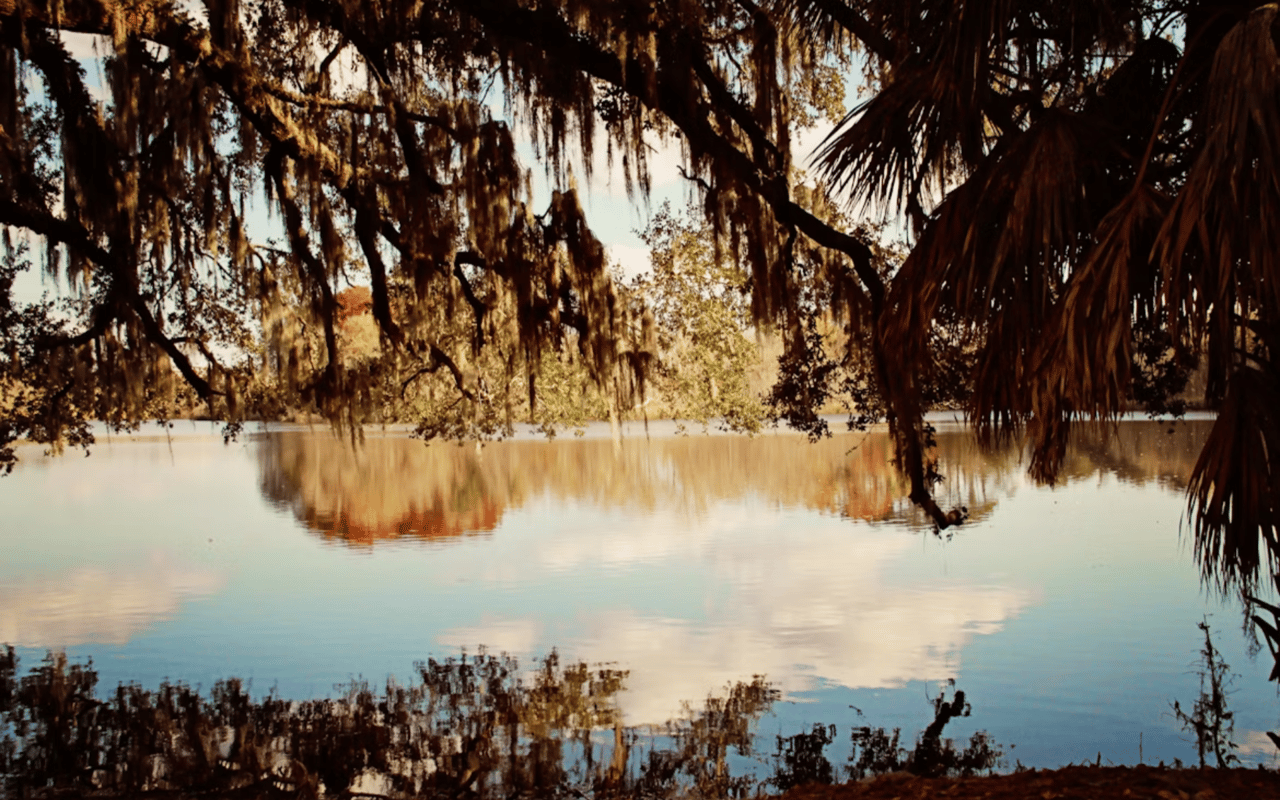
Sweetwater sits at 325 SW Williston Road. The park has more than 125 acres of wetlands and ponds and about 3.5 miles of gravel trails and boardwalks. The City of Gainesville says more than 260 bird species have been recorded there. Most of the year it's a sunrise-to-sunset park, open 7 a.m. to sunset daily. From November to March it also runs two kinds of night programs, both by registration only:
- The night walk. A ranger leads the group about 2 miles and talks about what goes on in the park after dark. It costs $5 per person, paid by card when you arrive. Cash and annual passes aren't accepted.
- The night tram tour. It lasts about an hour and a half and also costs $5 per person, paid by card on arrival. Riders with mobility challenges get first claim on seats.
- Three astronomy-themed walks with the Alachua Astronomy Club, on Nov. 11, Dec. 9 and Jan. 13, with stargazing and expert discussion of the night sky.
The city's rules are strict. Only registered participants can join a night tour. Group size has to match the number of tickets booked, and one person can book up to five. There are no private night tours, and since tours leave on time, latecomers can't join.
The Wednesday that opens two months at once
The walk calendar works on a simple rule. Registration for each month's walks opens on the second Wednesday of the month before. Put that rule on the 2026-27 calendar and the astronomy hikes land on registration days:
| Night walks in | Walk registration opens | Astronomy hike that day |
|---|---|---|
| November 2026 | Wednesday, Oct. 14 | None |
| December 2026 | Wednesday, Nov. 11 | Yes, first astronomy hike |
| January 2027 | Wednesday, Dec. 9 | Yes, second astronomy hike |
| February 2027 | Wednesday, Jan. 13 | Yes, third astronomy hike |
| March 2027 | Wednesday, Feb. 10 | None |
For this post's readers, November's walk window has already opened. It opened on Wednesday, Oct. 14, about two weeks before this post's Thursday, Oct. 29 publication. The next useful date is Nov. 11, and it gets the most traffic of the season. It's an astronomy night, and on the same day the full December lineup goes on sale, December being the month when visiting family tends to want an outing. The city's listing doesn't say registration opens at a set hour, so check Eventbrite that morning, before the evening hike.
The tram runs on its own schedule
The night tram books one week before the walk. Registration for each month's tram opens on the first Wednesday of the month before. So December's tram seats open Wednesday, Nov. 4, the night the season begins. January's open Dec. 2, February's Jan. 6 and March's Feb. 3.
Riders with mobility challenges get preference for night tram seats, and the city says other visitors may find seats on a standby basis. To check, call the park at 352-554-5871 on the day of the event. The tram takes a wheelchair, with a combined 250-pound limit on the ramp. The city recommends bringing a lap blanket along with a flashlight, bug spray and water.
When the walk says sold out
As of late October, the multi-date night hike listing on Eventbrite shows "Sold out," with this note from the park: "We are sold out on this date! Check back frequently for updates as people often cancel orders. We do not have the ability to create a waitlist." The organizer page lists 169 events and 860 total attendees over about a year of hosting. Those are small groups, so a handful of tickets makes a difference on a given night.
Without a waitlist, the order of steps matters:
- Mark the second Wednesday of each month for walks and the first Wednesday for the tram, and book on the day the window opens.
- Book the whole group in one order. The ticket count has to match the people who show up, and one person can book up to five.
- If your date is sold out, check the listing again in the days before the walk. That's the only way canceled tickets come back.
- Bring a card. Payment is taken at the gate, and cash isn't accepted.
- Get there early. Tours leave on schedule, with no way to bring in late arrivals.
The city adds one family note. A night walk can be hard for children under 5 because of the infrequent use of flashlights, the walking pace and the quiet nature of the hike. For younger children, it suggests the daytime tours.
Mornings on the same boardwalks
The daytime programs need less planning, and some need none:
- Alachua Audubon Society bird walks, every Wednesday at 8:30 a.m. from September through May, free with park admission and open to all experience levels.
- Public walking tours at 9 a.m. on the last Saturday of each month from September through May. They start at the boardwalk pavilion on cell 1 and take about an hour. The next ones fall on Nov. 28 and Dec. 26.
- Accessible daytime tram tours, Wednesdays and Fridays at 10:30 a.m. through December 2026, free with admission, registration required.
Admission is $5 per car or $2 per pedestrian or cyclist. Pay with exact change or the Passport Parking app. The $60 annual pass, sold at the Thomas Center B offices on weekdays, covers daytime entry but not the night programs. Pets aren't allowed at any hour, and bikes stay at the rack by the restrooms.
The city's park FAQ lists alligators, deer, opossums, otters and raccoons among the park's wildlife. Some of those animals are easier to spot at dusk than at 8:30 a.m., but no tour promises any particular sighting.
What's overhead this winter
The three astronomy hikes fall during a busy stretch for the night sky. NASA's 2026 sky calendar lists the Leonids meteor shower on Nov. 17, a supermoon on Nov. 24 and Uranus at opposition on Nov. 25. In December come the Geminids on Dec. 13-14, best viewed right after midnight, the Ursids on Dec. 21-22 and a Christmas Eve supermoon. The Dec. 9 Sweetwater hike comes four nights before the Geminid peak, which makes it a good time to learn where to look.
The partner club has deep local roots. WUFT reported in September that the Alachua Astronomy Club was founded in 1987 and has more than 200 members across north central Florida. Its star parties are member-only gatherings, and star party coordinator Lisa Eager told the station, "We have scheduled star parties once a month, but the weather doesn't always cooperate." The club's Nov. 28 Chiefland Dark Sky Star Party is for members only. Its monthly meeting on Tuesday, Nov. 10, runs 7 to 9 p.m. at the Kika Silva Pla Planetarium and on Zoom, with a public presentation at 7:45 p.m. That's the night before the first Sweetwater astronomy hike.
The water under the boardwalks
The night season opens during a dry year. WUFT reported Oct. 3 that water restrictions were still in place in Alachua County despite a wetter August, because groundwater levels lagged after months of below-average rain. The county was more than 9 inches short of average rainfall from January through August. According to Drought.gov, as of Oct. 20, 2026, 76.55% of Alachua County was in drought and the rest was abnormally dry.
Sweetwater's water doesn't come from rain alone. GRU's Main Street Water Reclamation Facility, permitted to treat 7.5 million gallons a day, discharges treated water into Sweetwater Branch. The city's park FAQ explains that the branch's dry-weather base flow runs through the wetland cells, while larger storm surges are diverted to an overflow channel. The water then moves on toward Paynes Prairie, cleaner than when it arrived. The city calls the park "nature's kidney." Back home, the same drought is why GRU's irrigation page lists watering limits for parts of the county, so check your watering day there before setting the sprinkler timer.
For the season ahead, December's tram seats open Nov. 4, and December's walks open Nov. 11, the night of the first astronomy hike.
Stephanie Anson and the team at Anson Properties live and work in Gainesville, and we keep track of seasonal dates like these the same way we track the local market. If a winter at home has you thinking about what your house is worth, ask us for a free home valuation.